
Vintage Textile Art
Vintage textile art encompasses centuries of woven tapestries, nomadic embroideries, and framed needlework that bring rich texture and historical narrative to interior spaces.
Vintage Textile Art
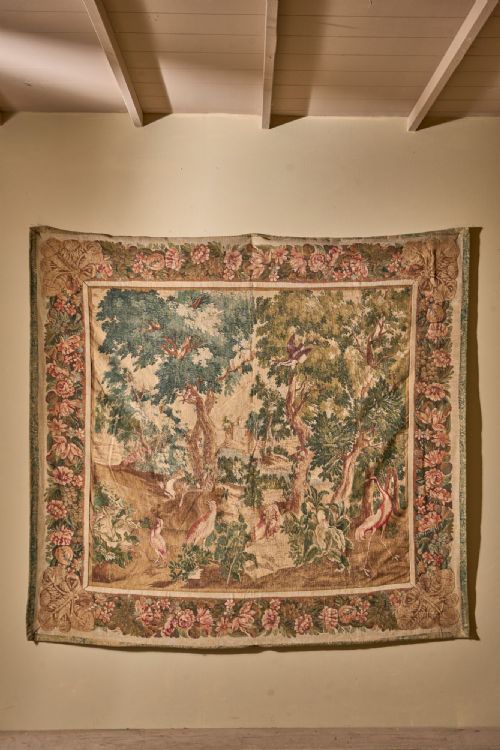
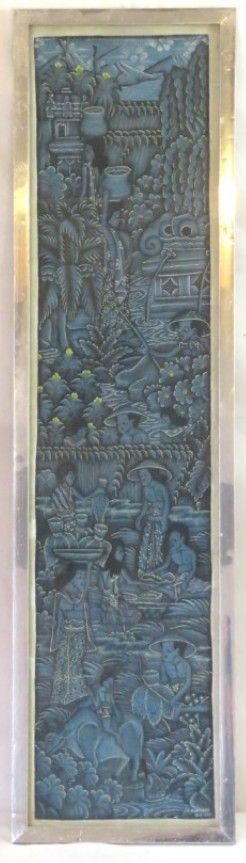
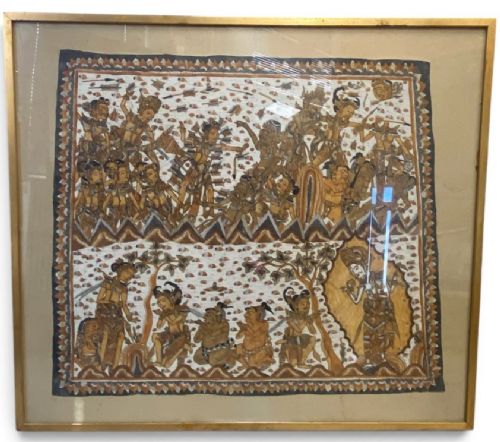
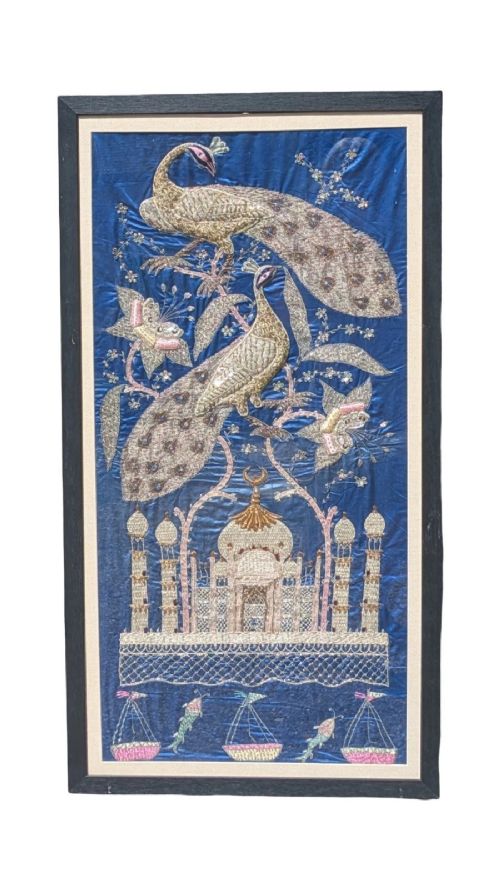
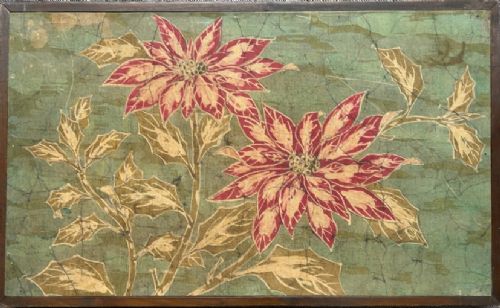
Vintage textile art covers a diverse range of fabric creations, from European verdure tapestries to Central Asian tribal dowry hangings and framed embroideries. When exploring this category, buyers encounter everything from 17th-century classical panels to mid-century floral batik framed pieces.
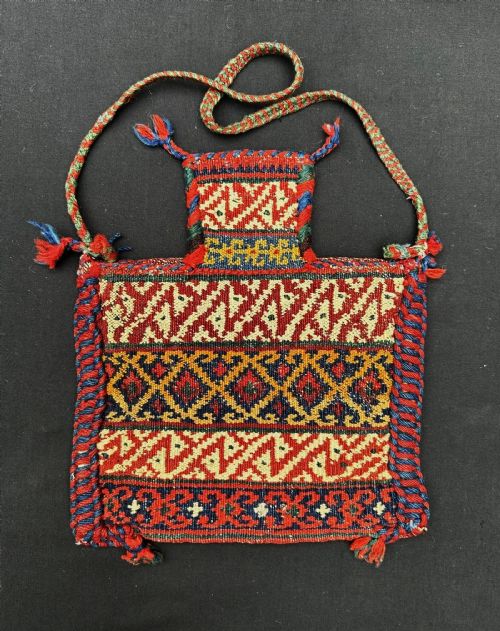
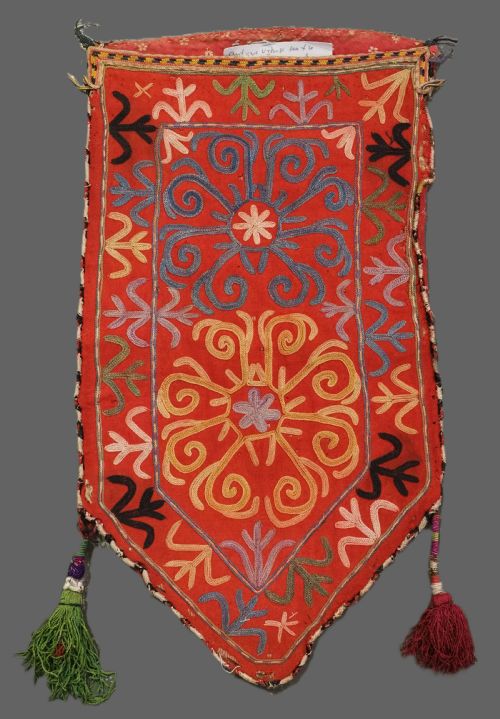
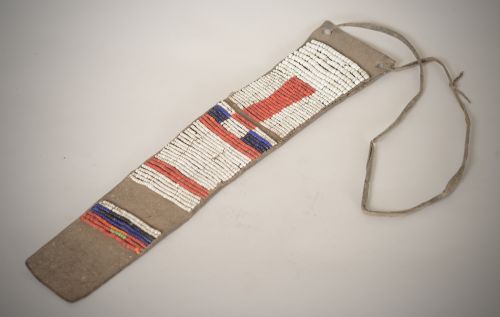
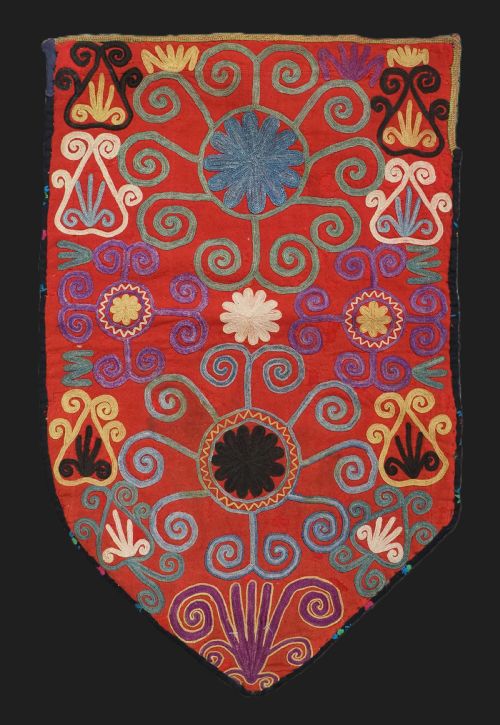
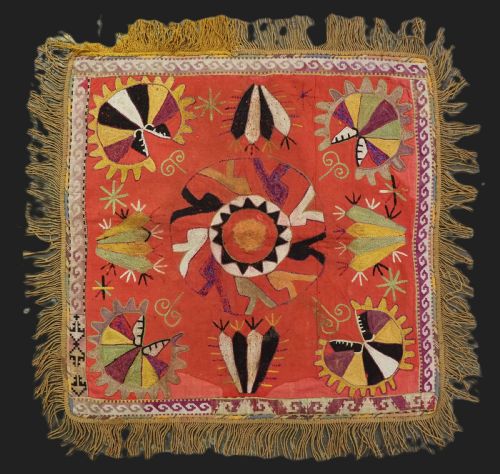
The most common examples on this page derive from tribal traditions, including Uzbek Suzanis, Yomut asmalyks, and Persian nomadic bags. These pieces function primarily as wall art, bringing complex patterns and material depth into domestic interiors.
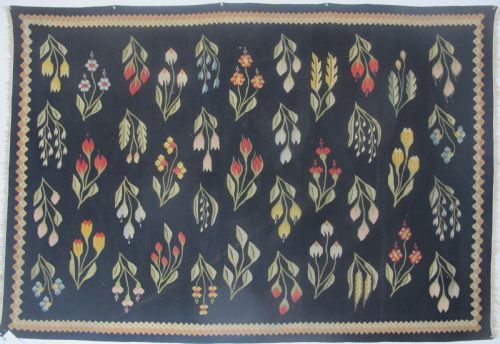
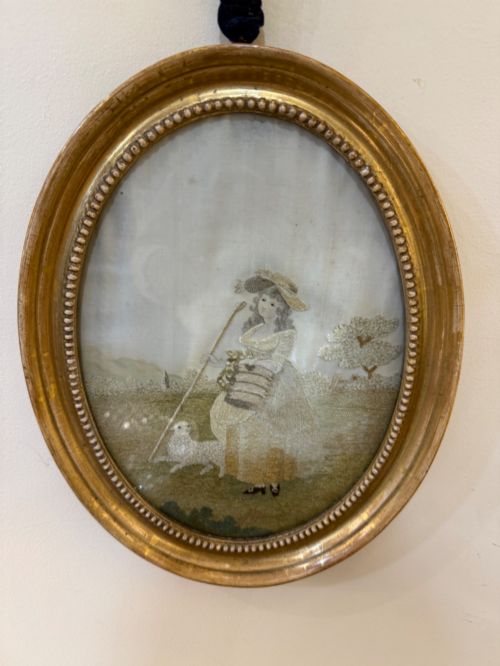
Works span multiple centuries, with significant representation from the nineteenth and early twentieth centuries. Formats range from large room-sized French tapestries down to intimate framed needlework samplers and embroidered fragments mounted to linen.
Materials and Construction Techniques
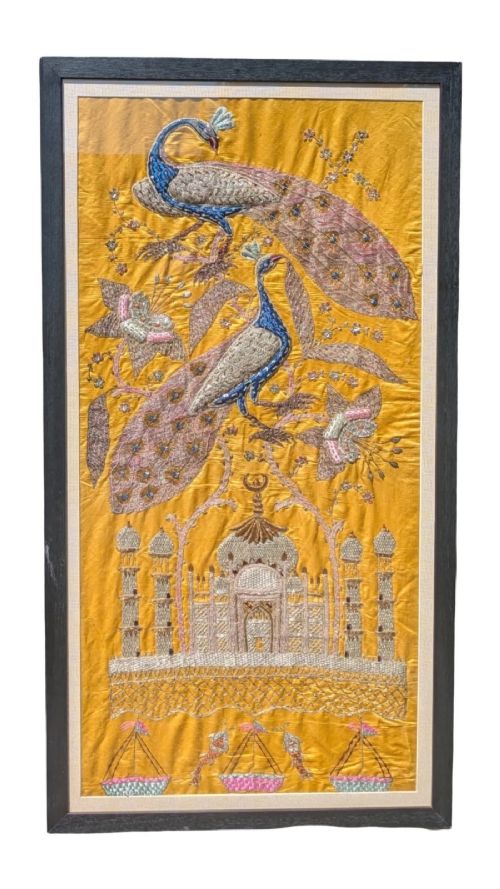
Makers utilised natural fibres including wool, silk, cotton, and linen as the fundamental foundation for these works. Many pieces incorporate supplementary metallic thread or are mounted onto canvas and wood frames for display.
Techniques vary widely according to geographic origin and period, encompassing crewelwork embroidery, beadwork, batik printing, and heavy tapestry weaving. Tribal examples frequently employ dense needlework on hand-woven textiles, while European panels rely on sophisticated loom weaving.
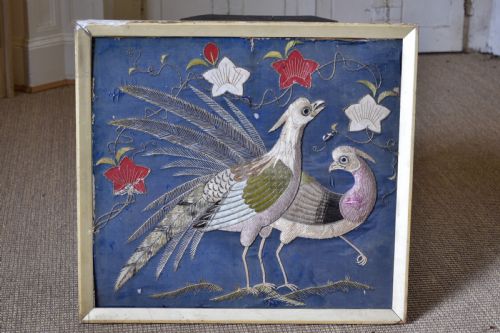
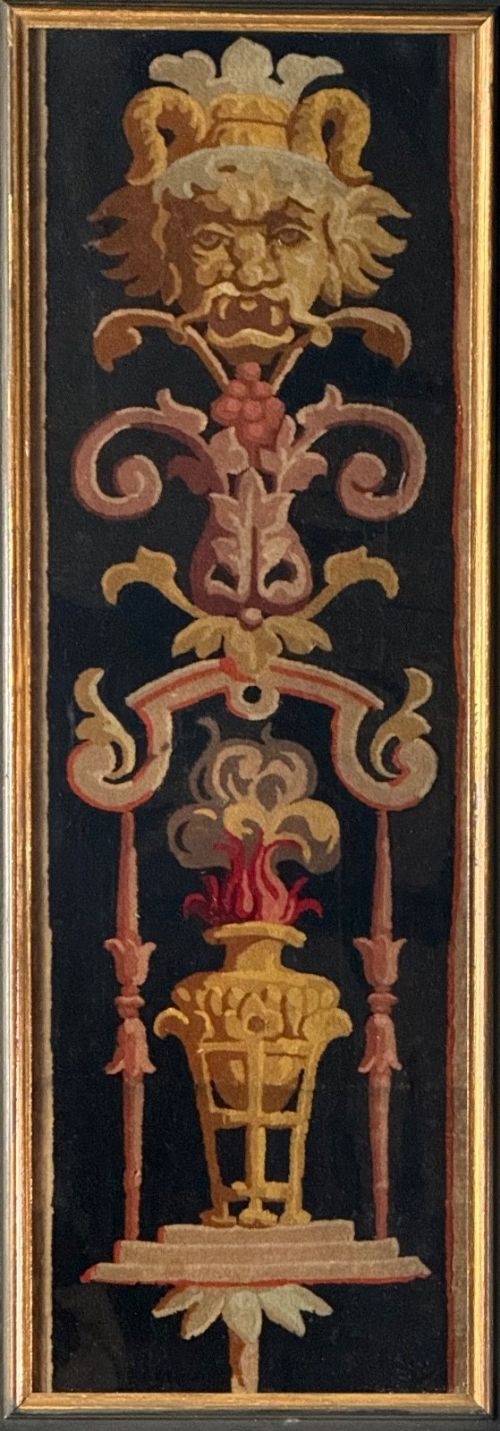
Structural methods often include mounting fragile antique fragments onto modern linen backings to ensure stability. Framing is common for smaller panels, flags, and silk embroideries, protecting the textiles while rendering them suitable for hanging.
Several nomadic horse covers and camel trappings on offer suggest that nineteenth-century livestock enjoyed significantly better interior design than most humans.
Factors Defining Quality
Quality rests in the precision of the needlework, the complexity of the design, and the integrity of the surviving materials. Finer examples show tight, consistent stitches and sophisticated colour palettes that remain harmonious over time.
The cultural significance and origin of a piece heavily influence its standing. Authentic tribal works with complete motifs, such as Central Asian ilgiches or Yomut asmalyks, demonstrate high regional authority in design and execution.
Condition and completeness matter significantly, though age-related wear is expected in textiles. Pieces retaining their original scale, vibrant thread colours, and structural integrity sit at the upper end of the range.
Beatrice Saunders
The Vintage Textile Art Glossary
- Suzani
- An embroidered tribal textile from Central Asia, traditionally made by brides as part of their dowry. These large wall hangings typically feature bold floral motifs on cotton or silk foundations.
- Asmalyk
- A pentagonal trapping produced by Turkmen nomads, historically hung on the flanks of a bridal camel during wedding processions. They exhibit geometric designs executed in rich wool work.
- Crewelwork
- A type of embroidery utilising wool yarn to execute flowing, complex designs on linen or cotton twill. This technique appears frequently in large decorative wall panels.
- Verdure Tapestry
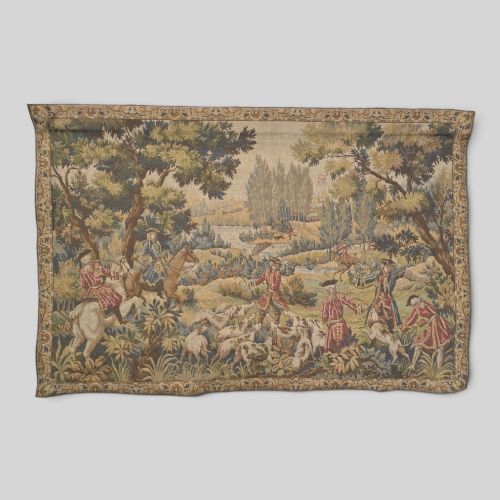
- A loom-woven European wall hanging dominated by stylised foliage, trees, and landscape elements. These pieces often date from the seventeenth and eighteenth centuries.
- Sampler
- A piece of needlework produced to demonstrate a maker's skill with various stitches and alphabets. Victorian examples are particularly common in framed textile collections.
Vintage Textile Art: Frequently Asked Questions
How do I hang antique textile art safely?
Heavy tapestries and large panels require a weight-distributing support system, such as a lined sleeve attached to a hidden wooden batten or metal rod. Smaller framed textiles should be mounted away from direct sunlight using UV-protective glass to prevent fading.
Avoid hanging delicate silk or wool pieces on damp external walls or above active heat sources. Proper air circulation behind the textile protects the natural fibres from moisture accumulation.
What is the difference between a Suzani and an Ilgich?
A Suzani is a large, full-scale embroidered tribal hanging from Central Asia, traditionally created as part of a bride's dowry. They usually measure several feet across and display bold botanical compositions.
An Ilgich, specifically associated with the Lakai tribe, is another form of dowry embroidery often used for wall display or as a domestic trapping. These pieces frequently feature distinctive geometric or zoomorphic amulets.
How can I tell the age of a textile?
Dating relies on examining the materials, dye types, and construction methods characteristic of specific centuries and regions. Natural dyes, hand-spun yarns, and traditional tribal motifs point towards earlier nineteenth or eighteenth-century origins.
Documentation, provenance, and stylistic comparison with established museum examples provide further context. Wear patterns and the degradation of base fabrics also offer clues to a piece's chronological age.