


Vintage Teak Bench
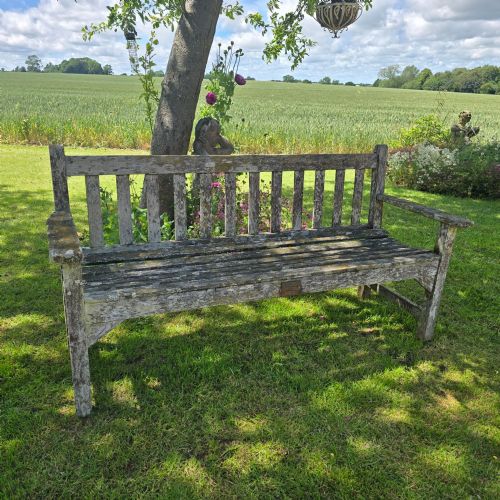
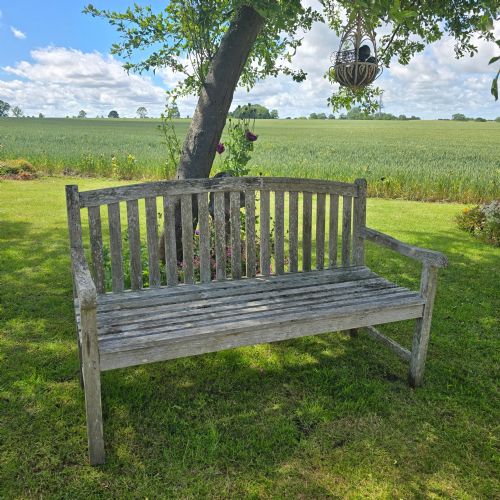
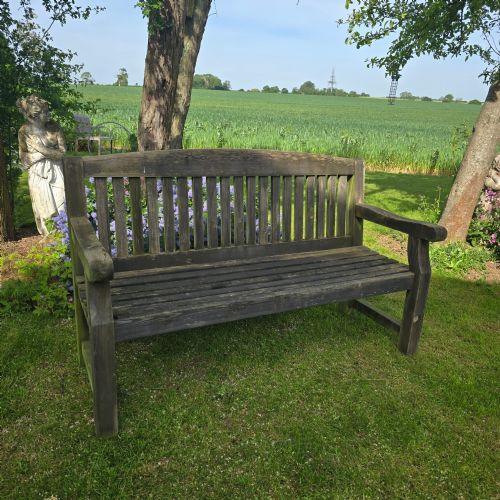
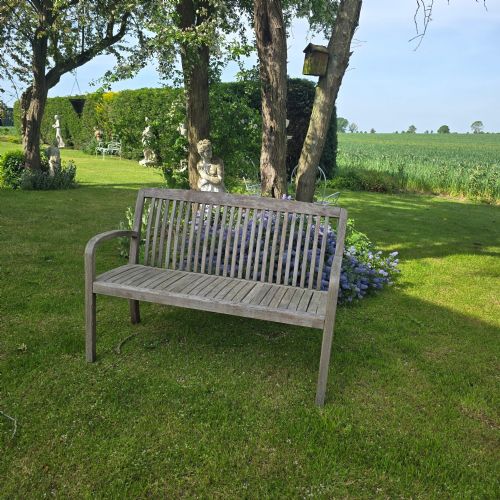
A vintage teak bench brings solid timber and enduring form to a garden or hallway.
Vintage Teak Bench
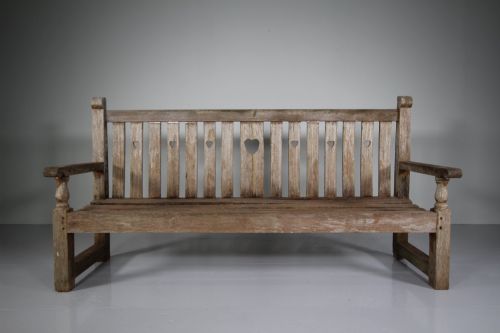
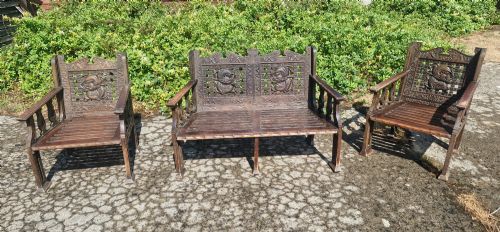
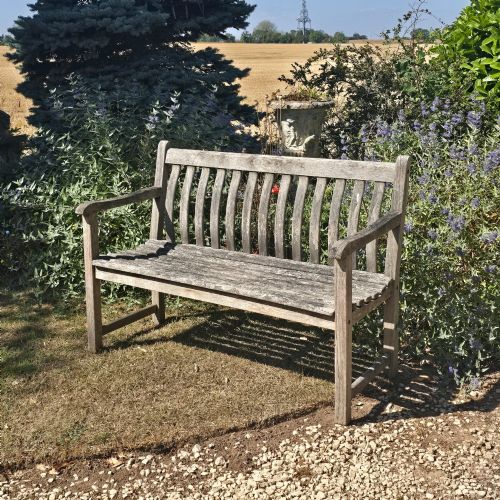
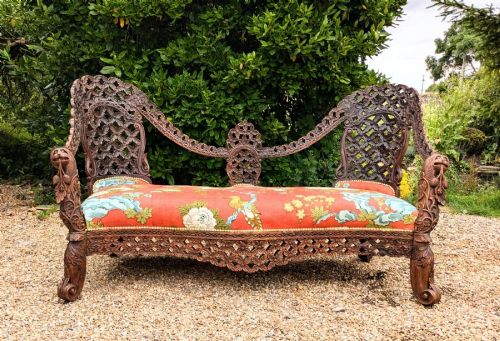
A vintage teak bench encompasses garden seating and indoor hall furniture spanning from the nineteenth century through the early decades of the twentieth century. These pieces range from classic slatted garden seats designed to weather the elements to ornate Anglo-Indian daybeds, settles, and window seats decorated with intricate carvings.
Buyers seeking a vintage teak bench on this page will most frequently encounter weathered garden benches dated around nineteen thirty, alongside nineteenth-century Anglo-Indian daybeds and caned settees. Forms vary from simple rustic garden seating to elaborate country house conservatory suites and box settles featuring brass details.
The styles seen across these listings stretch from traditional English garden designs to Anglo-Indian and Indian rustic traditions. This mix reflects both the British domestic garden heritage and imported craftsmanship from the nineteenth and early twentieth centuries.
Materials and construction
Construction relies primarily on teak and related hardwoods, chosen for natural durability against outdoor moisture and heavy daily use. Pieces incorporate supplementary materials such as cane, woven rattan, fabric, and brass hardware to enhance comfort and decorative appeal.
Maker techniques range from the straightforward slatted joinery of garden benches to deeply carved motifs including heart shapes and elephants found on Anglo-Indian hall benches and window seats. Surface finishes vary from the silvery patina of well-weathered outdoor timber to bleached and polished interior woodwork.
Current listings feature items spanning the nineteenth century through the nineteen thirties, incorporating teak, hardwood, cane, and brass.
Distinctions in quality
Quality in a vintage teak bench rests on the integrity of the timber and the crispness of any carved decoration. Deeply weathered outdoor wood that retains structural soundness demonstrates superior ageing, whereas compromised joints reduce longevity.
Detailing distinguishes standard utility seating from finer workshop pieces. The presence of hand-carved motifs, bone inlay, brass decoration, and integrated cane or rattan work elevates a piece beyond basic garden furniture.
The Vintage Teak Bench Glossary
- Teak
- A dense, oil-rich hardwood prized for resistance to weathering and decay. It forms the primary structural material for both garden seats and indoor benches.
- Weathered
- The natural silver-grey patina acquired by outdoor timber exposed to sun and rain over decades. This transformation protects the underlying wood.
- Anglo-Indian
- Furniture made in India during the British period, combining traditional local carving techniques with European forms such as settees and daybeds.
- Caned
- A seating surface woven from peeled rattan cane strips. It provides lightweight flexibility for indoor daybeds and settees.
- Settle
- A wooden bench with a high back and solid arms designed to block drafts in hallways or rooms.
Vintage Teak Bench: Frequently Asked Questions
How do I care for a weathered teak bench?
Outdoor teak naturally develops a silvery surface patina that protects the timber without requiring oils or varnishes. Simply wash the bench periodically with mild soapy water to remove accumulated dirt.
Indoor pieces require only occasional dusting and protection from direct heat sources that might dry out the timber or natural cane components.
Can these garden benches stay outside all year?
Teak possesses natural oils that make it exceptionally resistant to dampness, frost, and changing weather conditions. Many examples spend decades outdoors exposed to the elements.
During harsh winter months, storing them under cover or using a breathable protective sheet can further preserve structural joinery.
How can I tell the age of a teak bench?
Dating relies on stylistic clues, construction methods, and the depth of the timber's weathered patina. Pieces from the nineteenth century often feature hand-carved details or regional Anglo-Indian joinery.
Twentieth-century examples from the nineteen thirties typically display the simpler slatted forms associated with traditional English gardens.