
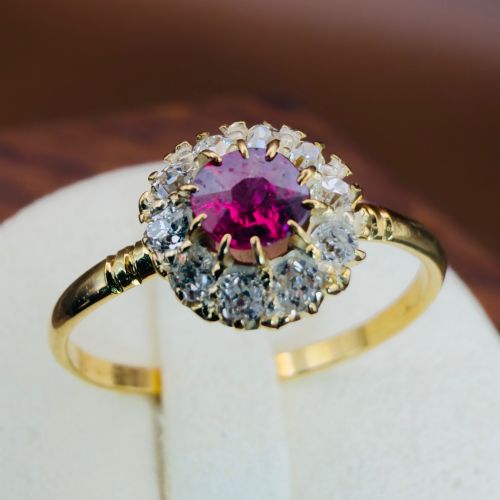
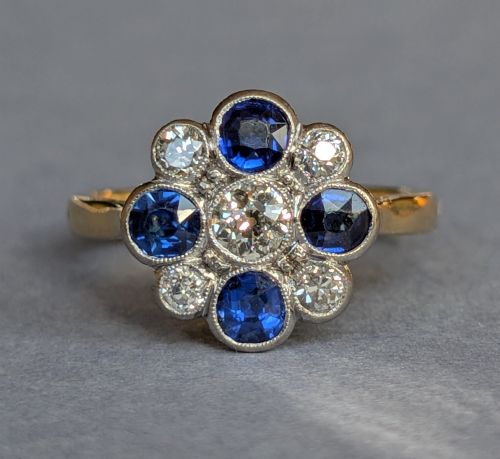
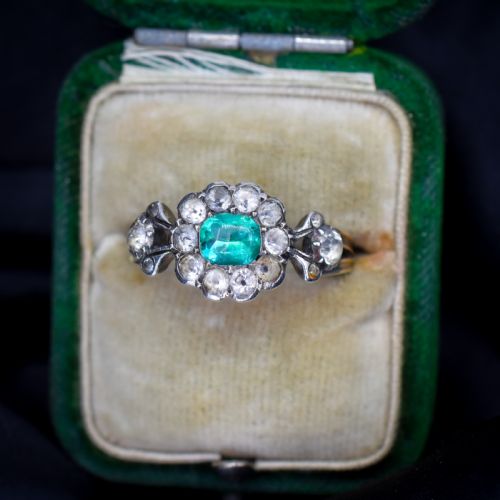
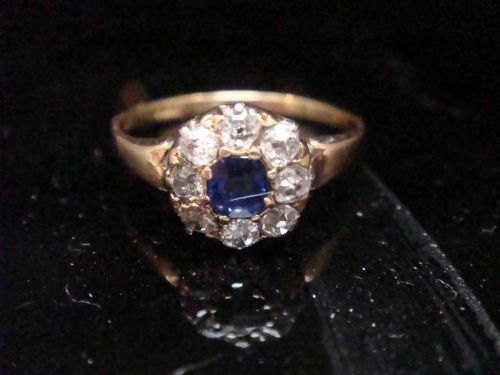
Vintage Target Cluster Ring
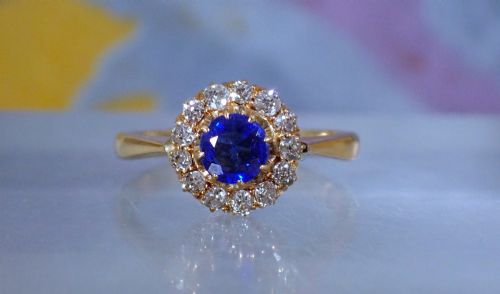
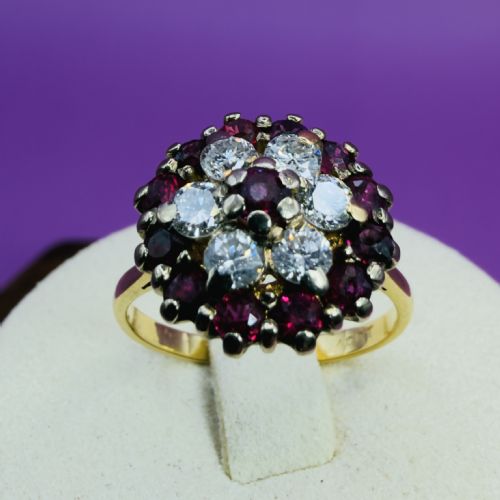
A vintage target cluster ring offers concentric tiers of gems designed to catch the light from every angle, making it a striking choice for daily wear.
Vintage Target Cluster Ring
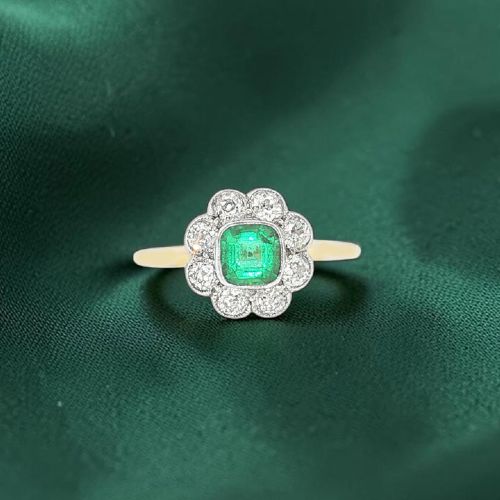
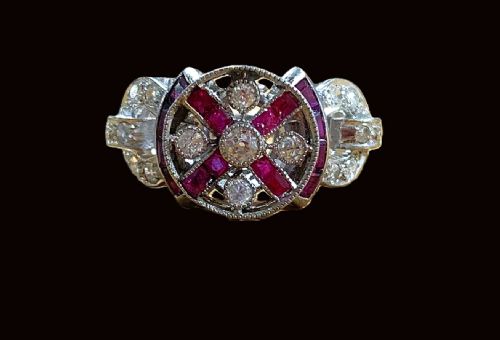
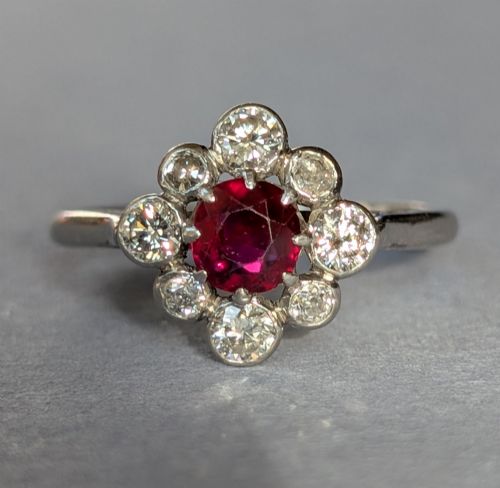
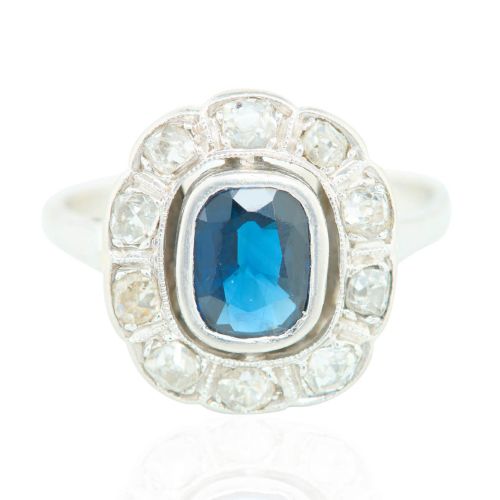
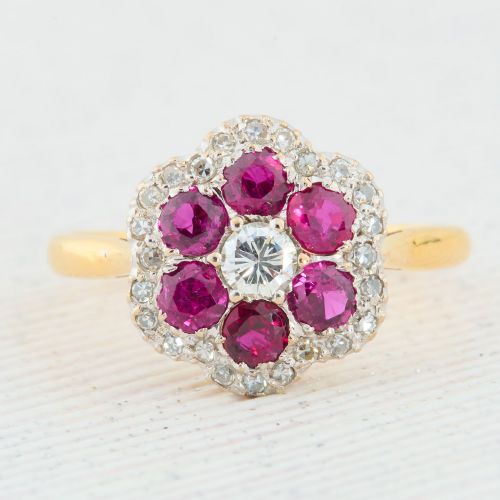
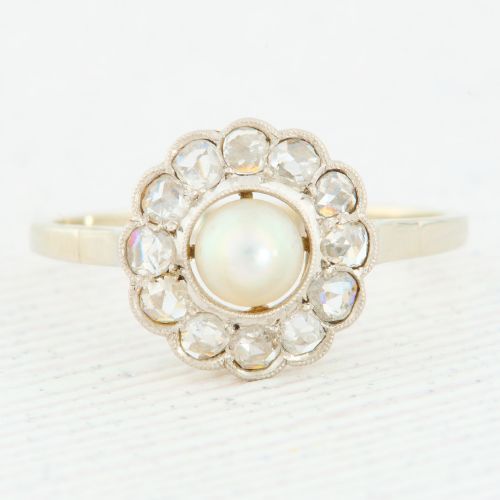
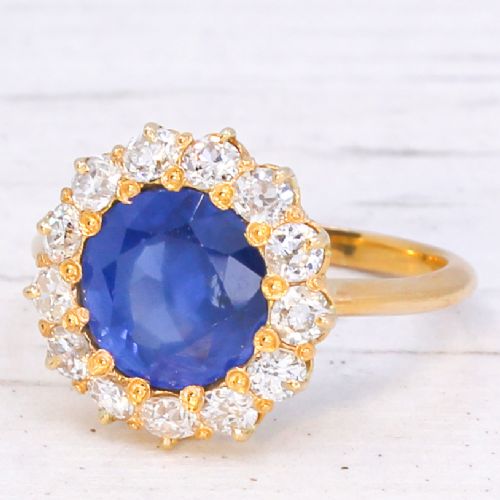
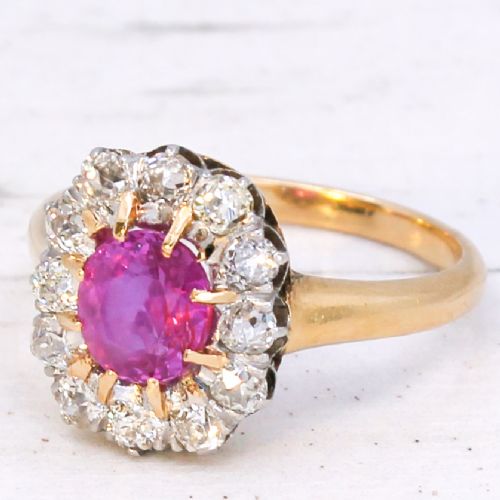
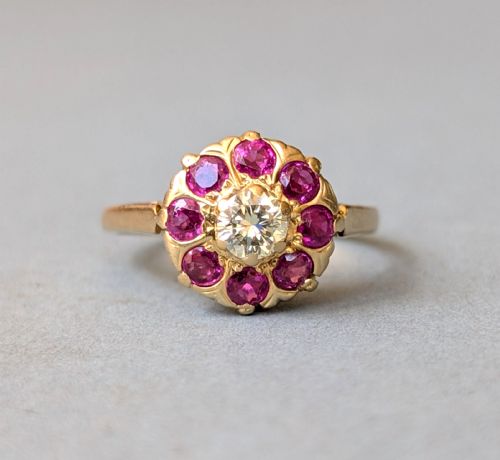
The dominant forms span geometric platinum settings from the 1920s and 1930s as well as earlier yellow gold daisy configurations from the Edwardian era. These rings primarily function as dress rings or alternative engagement rings, showcasing prominent centre diamonds flanked by calibrated sapphires, rubies, or emeralds.
Makers utilised contrasting colour palettes, pairing deep blue sapphires or vivid red rubies with bright white diamonds to emphasise the concentric tiers. Pieces range from delicate floral clusters on slender 18ct gold shanks to substantial platinum mountings dominated by old cut diamonds.
Materials and Construction
Craftsmen built these rings using precious metals such as platinum and 18ct white or yellow gold, frequently combining gold shanks with platinum settings to enhance stone brilliance. The mounting technique relies on precise claw, bezel, or calibre settings to hold concentric rings of small melee stones tightly around a central focal gem.
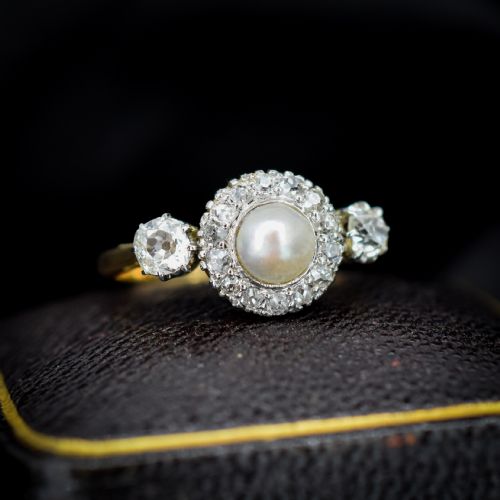
Gems consist of natural diamonds, sapphires, rubies, emeralds, and pearls, shaped into old cuts, round brilliants, or calibrated cuts tailored to geometric channels. Jewelers integrated silver and 9ct gold in earlier nineteenth-century variants, shifting predominantly to platinum and 18ct gold during the twentieth century.
Vintage Target Cluster Ring Retail Price Guide 2026
Typical asking prices for vintage target cluster ring among the pieces listed under this phrase on Sellingantiques today, from the lower quarter to the upper quarter. They describe what is for sale here now, not the wider market.
Some target rings hide tiny open-backed galleries underneath, designed to let candlelight flood upward through the concentric tiers during grand evening balls.
Assessing Quality and Execution
Quality rests upon the precision of the geometric layout and the matching of the surrounding melee stones to the central gem. Superior examples demonstrate uniform stone sizing, secure flush settings, and minimal negative space between the concentric tiers.
The choice of materials also dictates the tier, with heavy platinum mountings and unheated Burmese or Ceylon sapphires marking the upper end of the range. Finer pieces maintain crisp millegrain edges and robust galleries that support the tiered face without flexing during regular wear.
The Vintage Target Cluster Ring Glossary
- Calibre cut
- Gemstones specifically shaped and cut to fit tightly into a geometric channel or pattern without gaps. This technique defines many linear Art Deco designs.
- Millegrain
- A decorative border of tiny raised metal beads along the edge of a setting. It softens the appearance of platinum or gold and signifies Edwardian and Art Deco craftsmanship.
- Old cut
- A diamond facet style hand-cut before modern brilliant proportions were standardised in the early twentieth century. These stones feature smaller tables and larger culets that glow warmly under candle or incandescent light.
- Target ring
- A specific cluster ring configuration featuring a central stone surrounded by contrasting rings of colour that resemble a target. The layout maximises visual impact by creating strong contrast between the centre and the outer borders.
- Daisy ring
- A floral cluster ring with a central stone encircled by a single tier of rounded petal-like gems. They typically date from the Edwardian and Victorian eras.
Vintage Target Cluster Ring: Frequently Asked Questions
How do I clean a vintage target cluster ring?
Clean these rings gently using warm soapy water and a soft-bristled brush to remove daily residue from beneath the tiered settings. Avoid harsh chemical dips or ultrasonic cleaners, particularly if the piece contains pearls or softer gems.
Pat the metal and stones dry with a lint-free cloth rather than leaving them to air dry. Regular inspection by a specialist ensures the tiny claws holding the outer concentric stones remain secure.
Can I wear my target ring every day?
These rings suit daily wear provided you observe sensible precautions during manual tasks or heavy lifting. Platinum and 18ct gold mountings offer the durability needed for regular use.
Take the ring off before swimming, gardening, or exercising to protect the delicate claw settings and softer surrounding stones like emeralds or pearls. Storing the piece in a dedicated fabric-lined box prevents scratching when not on the hand.
How do I tell an Art Deco target ring from an Edwardian one?
Art Deco target rings favour strong geometric lines, platinum settings, and calibrated calibre-cut stones arranged in strict concentric squares or circles. The overall aesthetic leans towards sleek, architectural precision.
Edwardian examples often utilise yellow gold alongside platinum-topped shoulders, featuring softer floral or daisy motifs with millegrain detailing. The stones in Edwardian pieces are typically old cut diamonds paired with softer pastel or deep primary-coloured gems.
Are unheated sapphires common in these rings?
Unheated sapphires appear occasionally in antique and vintage pieces from origins such as Burma or Ceylon. These stones display natural coloration without thermal enhancement.
Gemmological certificates frequently accompany pieces featuring unheated stones to confirm their natural status. Such sapphires add considerable interest for collectors focusing on untouched historical provenance.