
Vintage Tan Leather Chairs
Vintage tan leather chairs bring immediate warmth to a room, offering deep comfort in seating built to endure.
Vintage Tan Leather Chairs
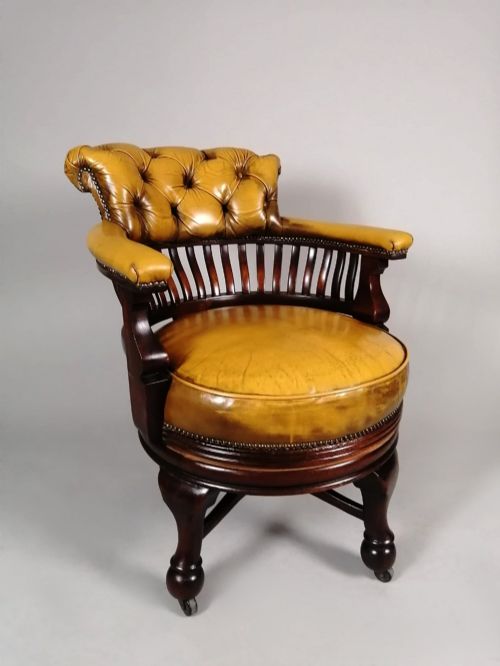
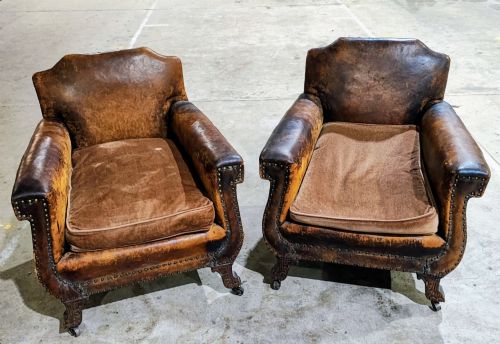
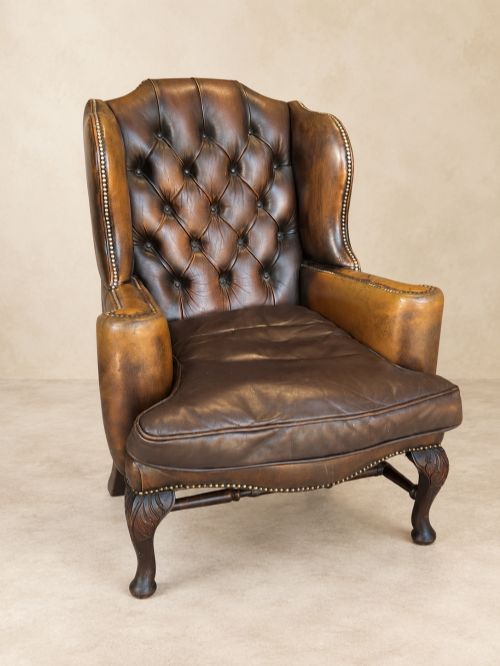
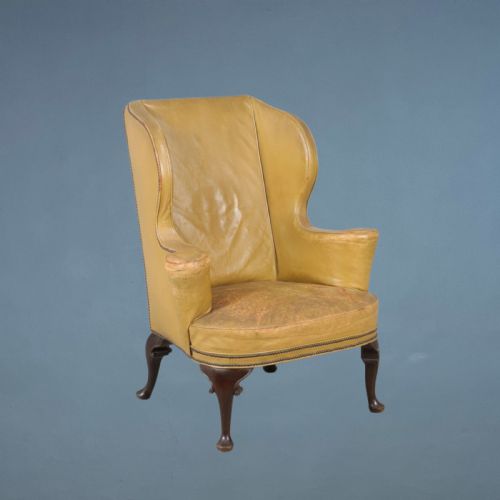
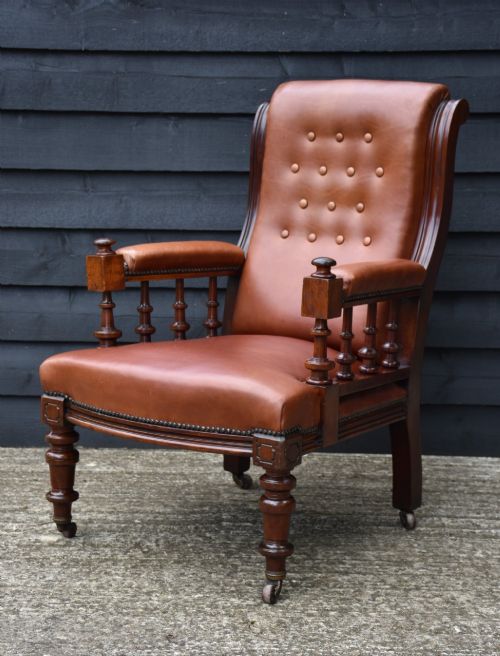
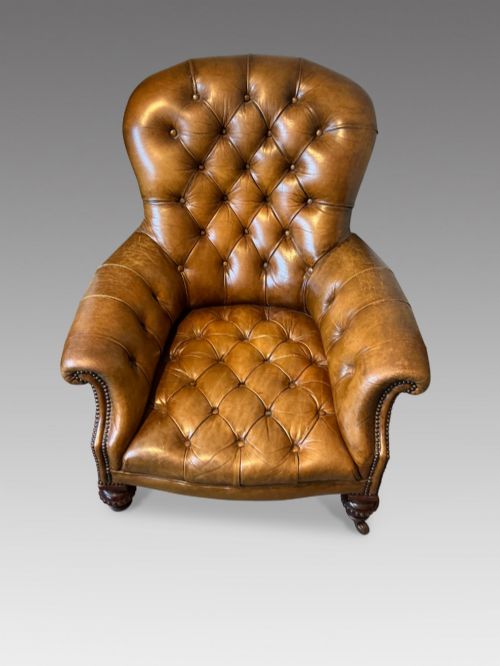
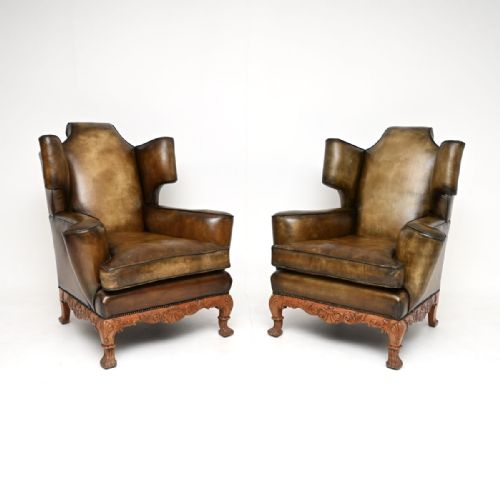
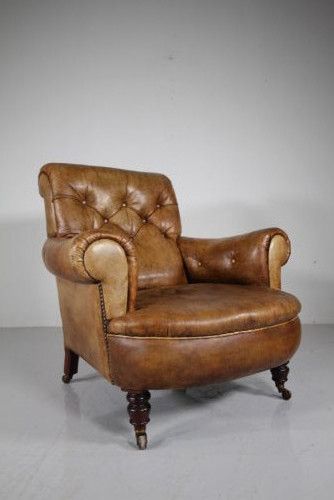
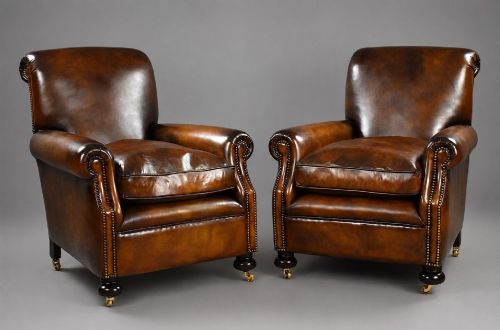
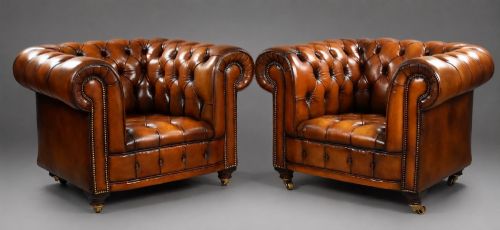
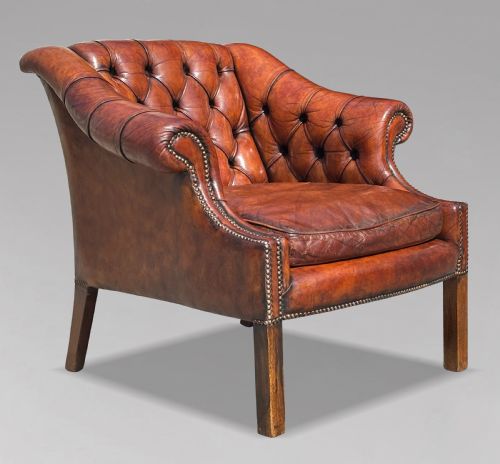
Vintage tan leather chairs encompass a range of seating from nineteenth-century library armchairs to twentieth-century club chairs and dining sets. Buyers searching for vintage tan leather chairs frequently encounter robust club armchairs, wingbacks, and revolving desk chairs originating from Victorian, Edwardian, and Art Deco periods.
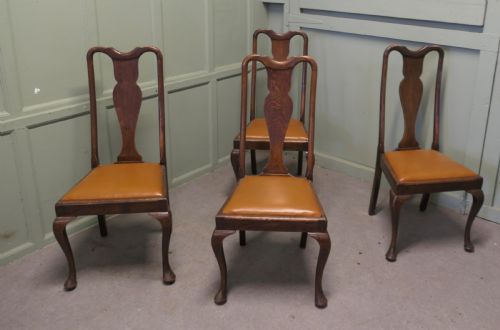
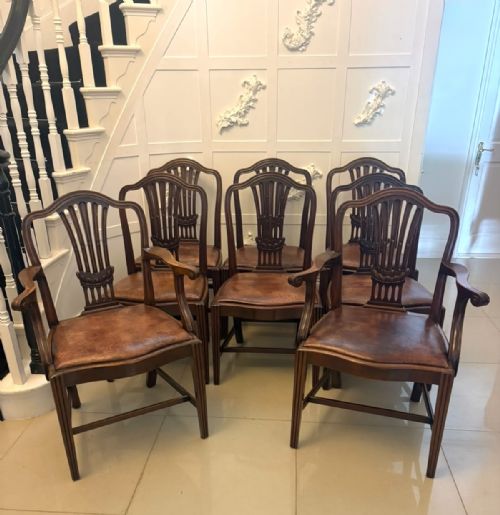
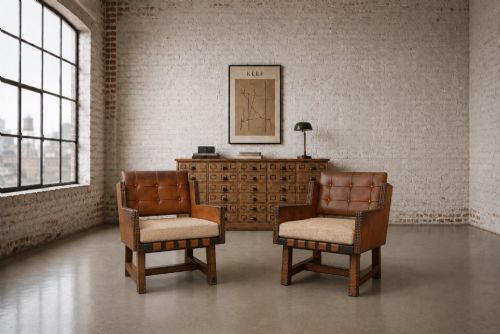
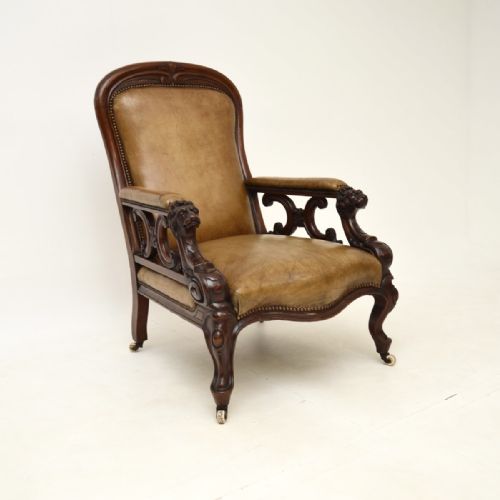
The selection includes substantial library armchairs framed in mahogany or walnut alongside lighter oak and beech desk chairs. Dining chairs and seating suites also appear, demonstrating the diverse forms these leather-upholstered pieces take across British, French, and Moroccan origins.
Victorian and Edwardian library models dominate the earlier dates, while club chairs and streamlined forms emerge strongly around the nineteen-twenties and thirties. Each piece combines functional seating with the distinct character developed by aged animal hide over decades of use.
How they were made
Makers constructed the frames of these chairs using hardwoods such as mahogany, oak, walnut, and beech, joined to support heavy daily use. Traditional joinery methods ensured structural stability without relying on modern fasteners.
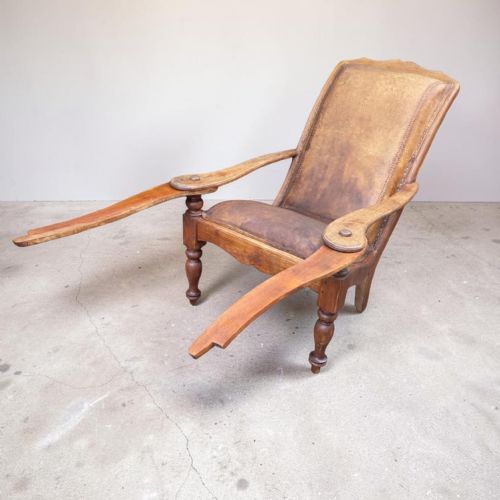
Upholsterers stretched genuine leather and hide over supportive padding, securing the edges with brass studs or decorative nailing. Iron elements occasionally provided mechanical support in specialised pieces like rocking chairs and revolving desk chairs.
The inventory spans Victorian, Edwardian, Art Deco, and Georgian Revival styles across armchairs and dining suites.
What varies in quality
The grade of the timber frame and the thickness of the leather dictate the foundational durability of each chair. Dense hardwoods like mahogany and walnut provide superior structural integrity compared to lighter secondary timbers.
The natural patina and suppleness of the leather separate exceptional examples from ordinary ones. Skill in hand-nailing, frame carving, and joinery tightness further distinguish standard utility seating from fine library or club models.
R W Wingfield
The Vintage Tan Leather Chairs Glossary
- Club chair
- A deep-seated, heavily upholstered armchair designed for relaxation, typically wrapped in dark or tan leather. These pieces originated in French and English clubs during the early twentieth century.
- Wingback
- An armchair featuring side panels attached to the arms and rising to the back, designed to shield the sitter from drafts. Early versions often incorporate deep leather upholstery and sturdy wooden frames.
- Patina
- The surface sheen and softening developed on wood and leather through age and handling. Collectors value a rich patina as an indicator of authenticity and continuous use.
- Carver
- An armchair designed for the head of a dining table, traditionally matching a set of smaller side chairs. These pieces feature supportive armrests integrated into the wooden frame.
Vintage Tan Leather Chairs: Frequently Asked Questions
How do I date a leather armchair?
Dating relies on examining the framing timbers, upholstery construction, and hardware style. Earlier nineteenth-century examples often utilise mahogany or oak frames with hand-forged iron components, whereas nineteen-thirties pieces favour Art Deco silhouettes.
The stitching methods and the type of springs or stuffing hidden beneath the leather also shift across decades. Comparing these structural clues against documented period designs clarifies the likely era of manufacture.
Are club chairs comfortable for daily use?
Club chairs are engineered for deep, relaxed seating with generous proportions and supportive internal padding. Their low backs and wide arms invite prolonged sitting in studies or living spaces.
The natural give of aged leather combined with traditional springing provides a yielding seat that adapts to the user over time.
How should I care for antique leather?
Antique leather requires gentle maintenance to preserve its natural oils and prevent the hide from drying out. Applying appropriate leather balms periodically keeps the material supple without altering its historic character.
Positioning chairs away from direct sunlight and heat sources protects the surface from fading and cracking. Regular dusting with a soft cloth prevents abrasive particles from settling into the grain.
What is the difference between library and club chairs?
Library chairs generally feature upright wooden frames with exposed mahogany or walnut arms, designed for formal reading spaces and desks. They often include wingbacks or revolving mechanisms for functional utility.
Club chairs prioritise relaxed lounging with fully upholstered bodies and lower, deeper seats encased entirely in leather. Their design focuses on comfort rather than upright support.