


Vintage Tall Ship Artwork
These vintage tall ship artwork pieces capture historic sailing vessels on canvas and paper, offering a direct window into maritime heritage.
Vintage Tall Ship Artwork
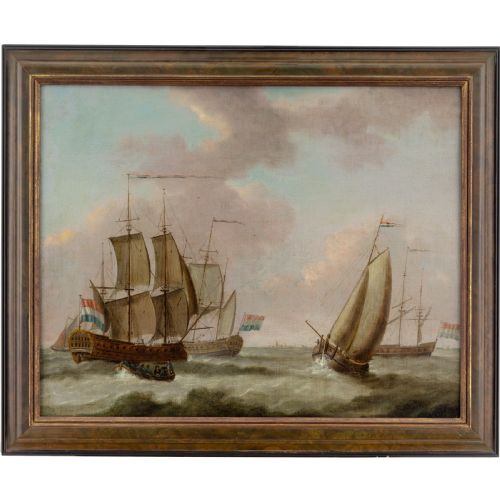
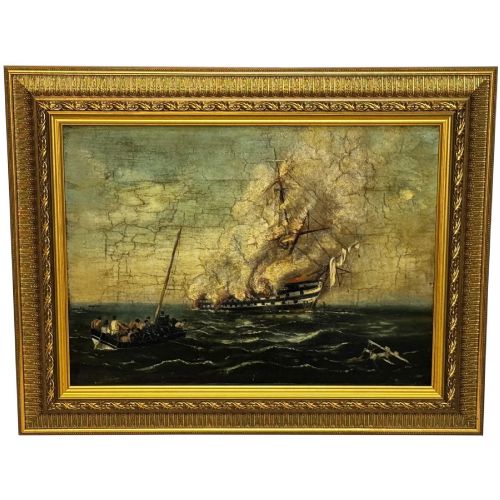
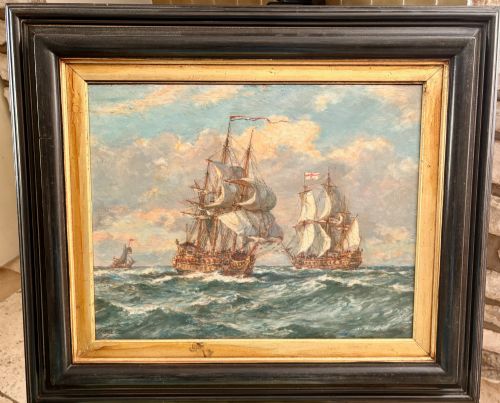
Vintage tall ship artwork encompasses marine paintings and watercolours depicting traditional sailing vessels, clippers, and historic sea battles. When searching this phrase, buyers encounter works ranging from Victorian maritime scenes to mid-century marine realism.
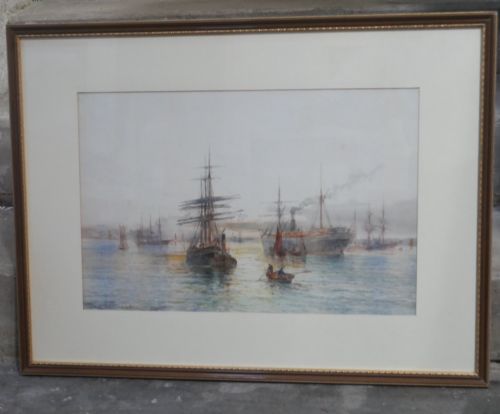
The selections on this page feature depictions of specific vessels like the Cutty Sark and the River Humber shipping, rendered in oil on canvas, oil on board, and watercolour. These pieces originate from periods spanning the Georgian era through to the mid-twentieth century.
Most items present framed views of harbour scenes, coastal departures, and open sea crossings. The styles vary from detailed maritime realism to atmospheric watercolours created by listed painters.
How vintage tall ship artwork pieces were made
Artists executed these works using oil paint on canvas or board, alongside delicate watercolours on paper. Gilt framing often complemented the oil paintings to enhance the maritime subject matter.
Makers applied pigments to capture the complex rigging of tall ships, stormy seas, and coastal light. Watercolours utilised fluid washes on paper, while oils allowed for textured depictions of hulls and choppy waters.
Listings feature works executed in oil paint, watercolour, ink, and glass, spanning periods from the eighteenth century to the mid-twentieth century.
What varies in quality in vintage tall ship artwork pieces
The standard of execution in rigging detail and hull anatomy distinguishes finer maritime works from simpler decorative pieces. Accurate depiction of nautical architecture reflects the artist's direct knowledge of ships.
Preservation of the original paint surface and the stability of canvas or paper supports influence the condition. Original framing and the presence of clear provenance or attribution to known marine artists elevate the piece.
Bernard Gribble·William Frederick Settle·Dion Pears·Frank Wood·Joseph Heard·Henry Scott Tuke
The Vintage Tall Ship Artwork Glossary
- Watercolour
- A painting method where paints are made of pigments suspended in a water-based solution. This technique produces translucent washes often seen on paper supports.
- Oil painting
- The process of painting with pigments that are bound with a medium of drying oil. This medium allows for rich colour depth and textured brushwork on canvas or board.
- Barque
- A sailing rig with three or more masts. This vessel type appears frequently in nineteenth-century maritime records.
- Seascape
- A work of art that depicts the sea. These scenes form the primary focus of marine art collections.
- Provenance
- The chronology of the ownership of a work of art. Documented history aids in verifying the authenticity of older marine paintings.
Vintage Tall Ship Artwork: Frequently Asked Questions
What subjects appear in vintage tall ship artwork?
These works depict historical sailing ships, clippers, and four-masted barques navigating open seas, harbour entrances, and coastal waters.
Scenes range from calm harbour anchorages to dramatic sea battles and vessels caught in stormy weather.
How do I care for oil and watercolour marine paintings?
Oil paintings on canvas or board require stable indoor humidity and protection from direct sunlight to prevent paint cracking and fading.
Watercolours on paper need framing behind glass with acid-free mounts to protect the pigments from moisture and light damage.
What periods do these maritime artworks cover?
The pieces span several centuries, with representations from the Georgian, Victorian, and Edwardian eras through to the mid-twentieth century.
Earlier works often document specific named vessels and historical naval engagements, while later pieces lean towards mid-century marine realism.
How can I tell a watercolour from an oil painting?
Watercolours are painted on paper, showing a matte finish with visible paper grain and translucent colour washes.
Oil paintings utilise canvas or wooden boards, presenting a textured surface with heavier paint application and a subtle sheen.