


Vintage Tabriz Carpet
A vintage tabriz carpet brings structured Persian artistry into a room, offering enduring geometric and floral patterns woven from wool and silk.
Vintage Tabriz Carpet
A vintage tabriz carpet represents a major tradition of North-West Persian weaving, spanning from the late nineteenth century into the twentieth century. These floor coverings range from intimate scatter sizes to large roomsize and country house dimensions suited for substantial spaces.
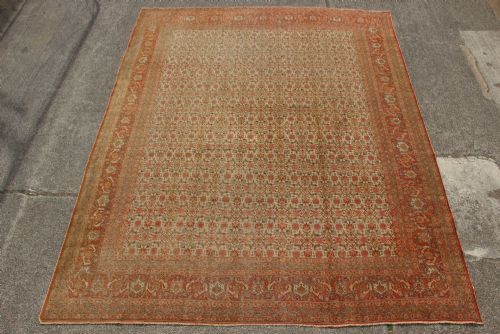
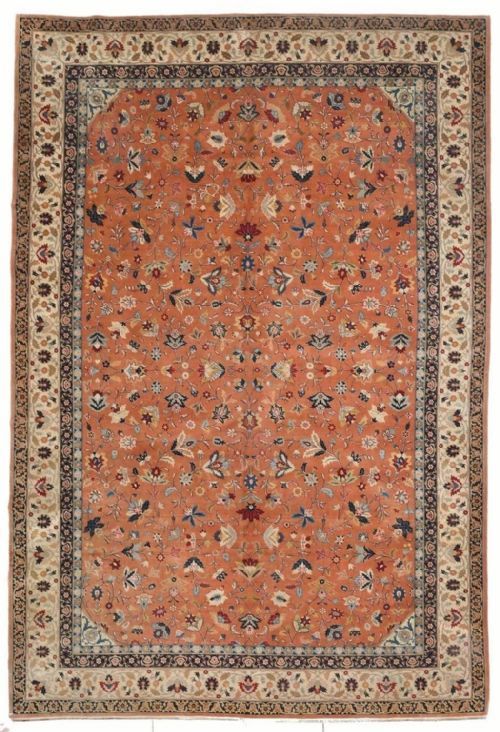
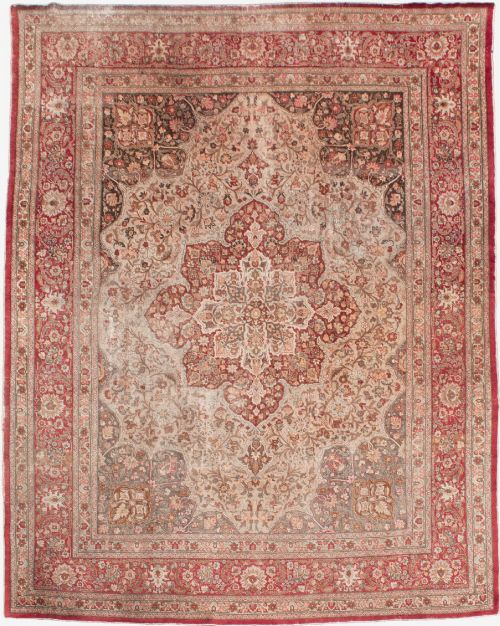
Most examples encountered on this page date from the decades around 1900 to 1930, displaying traditional Persian designs such as central medallions, all-over Herati patterns, and classic floral motifs. They function as both durable floor furnishings and detailed textile art.
Materials and construction
Weavers constructed these carpets primarily using wool piles set on cotton foundations, occasionally incorporating silk for finer detail and texture. The material selection dictates both the physical weight and the tactile quality of each piece.
Production centres in Tabriz utilised precise knotting techniques to render intricate floral sprays, geometric borders, and balanced field compositions. This disciplined execution allowed workshops to produce both grand country house carpets and smaller village rugs with equal structural integrity.
Listings feature pieces spanning from the nineteenth century through the 1930s, utilising wool, cotton, and silk.
Distinctions in quality
The standard of a carpet rests upon the fineness of the knotting and the complexity of the design rendered across the field. Master workshops achieved greater clarity in botanical motifs and sharper definition in border guards.
Material choice and dye subtlety further separate standard production from exceptional works. The deployment of soft pastel colours or fine silk highlights elevates certain pieces above standard commercial output.
Benlian·Hajji Jalili
The Vintage Tabriz Carpet Glossary
- Tabriz carpet
- A woven floor covering originating from the city of Tabriz in North-West Persia, known for classical floral or medallion designs. These carpets often scale from room sizes down to smaller rugs.
- Herati design
- A repeating pattern featuring a central rosette enclosed by leaf blades, frequently seen across Persian carpets. It creates an all-over visual texture without a dominant central medallion.
- Country house carpet
- A term denoting exceptionally large floor coverings suited for expansive reception rooms and halls. These pieces often measure over four metres in length.
- Medallion
- A symmetrical central ornament placed in the field of a carpet, acting as the visual focal point of the composition. It is typically surrounded by corner spandrels and detailed borders.
Vintage Tabriz Carpet: Frequently Asked Questions
How do I style a vintage tabriz carpet?
These carpets anchor a room by introducing traditional Persian motifs and grounded colours beneath modern or period furniture. Place them centrally in living spaces or dining rooms to let the borders and field designs remain visible.
Ensure the rug size leaves an appropriate margin of exposed flooring around the perimeter of the room. This frames the textile and balances the overall interior layout.
Are these carpets made of pure wool?
Most examples utilise a durable wool pile supported by a cotton foundation, providing both softness underfoot and structural stability. Certain finer pieces incorporate silk highlights to accentuate specific floral details.
Checking the listed material specifications reveals the exact fibre composition of each individual rug.
What size options are available?
The selection includes smaller scatter rugs alongside roomsize carpets and expansive country house dimensions exceeding four metres in length. Dimensions vary according to where the pieces were originally woven and used.
Measure your floor space carefully before selecting a piece to ensure proper clearance around furniture.
How do I date a tabriz carpet?
Dating relies on stylistic markers, structural characteristics, and documented production periods spanning from the late nineteenth century through the 1930s. Master weavers employed specific floral palettes and knot densities characteristic of their era.
Comparative analysis with known period examples helps narrow down the approximate decade of manufacture.