


Vintage Tabletop Easel
Vintage tabletop easel designs support precious frames, mirrors and books on a desk or dressing table with steady support and decorative presence.
Vintage Tabletop Easel
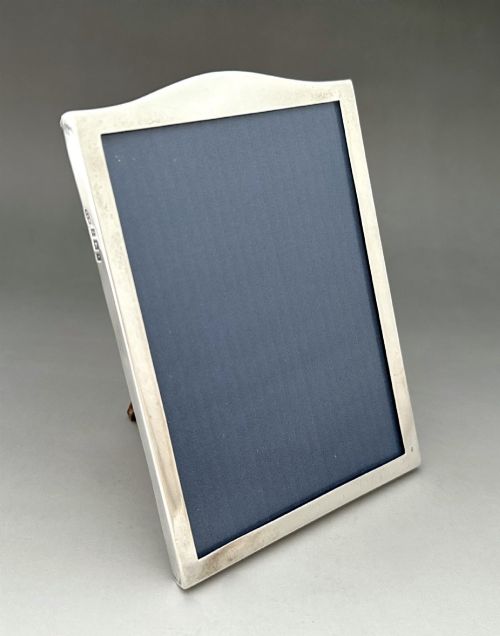
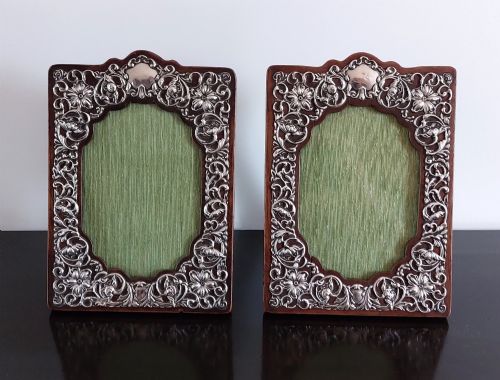
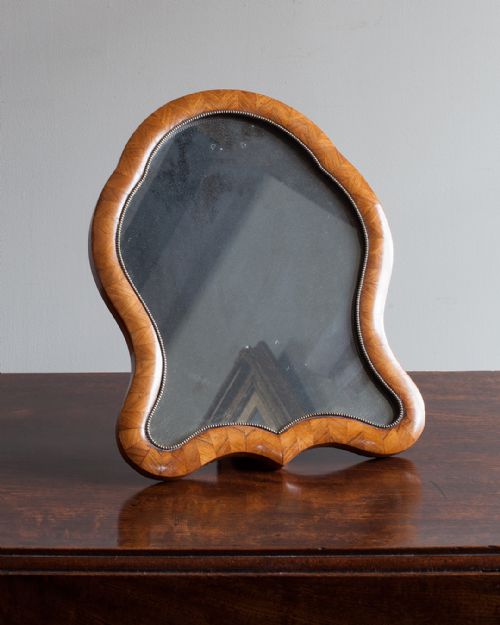
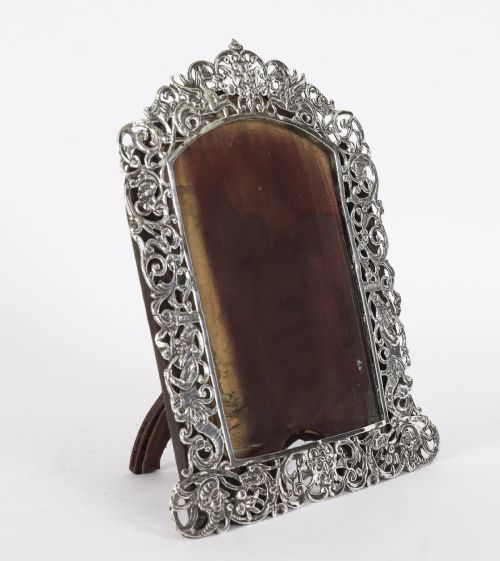
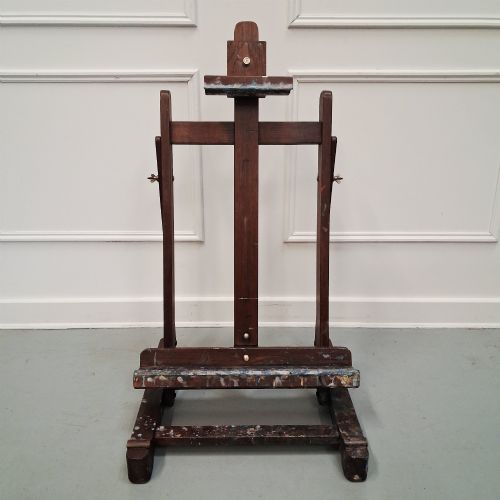
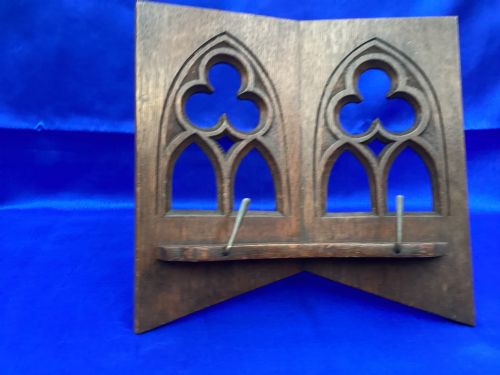
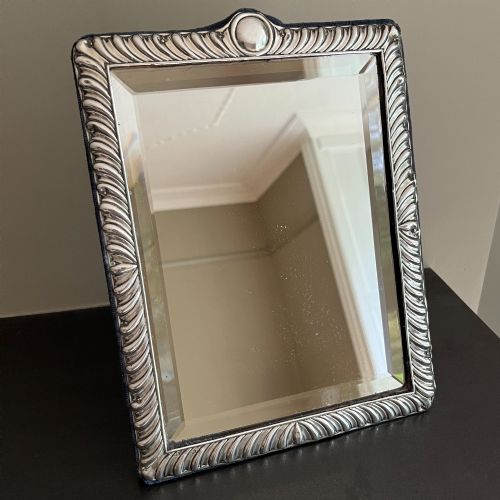
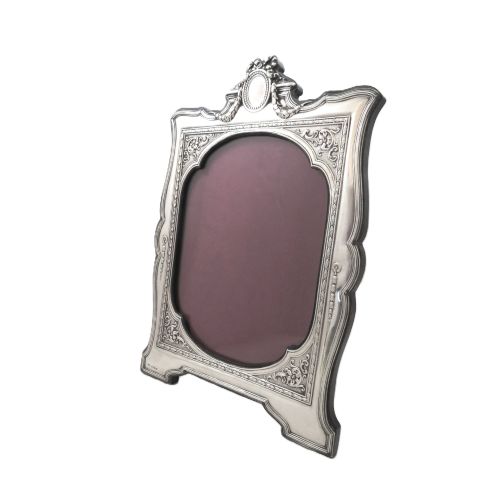
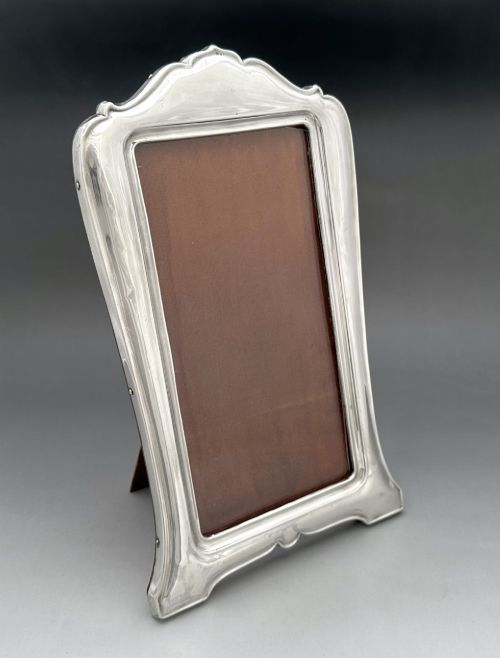
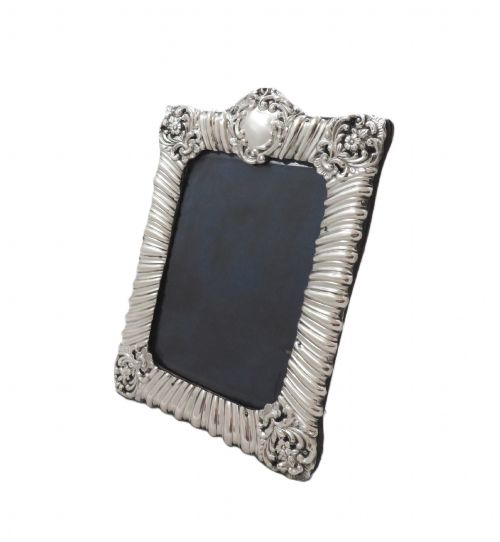
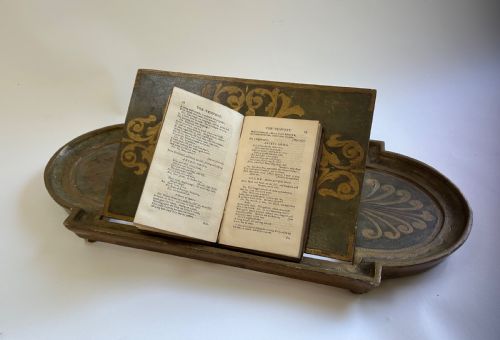
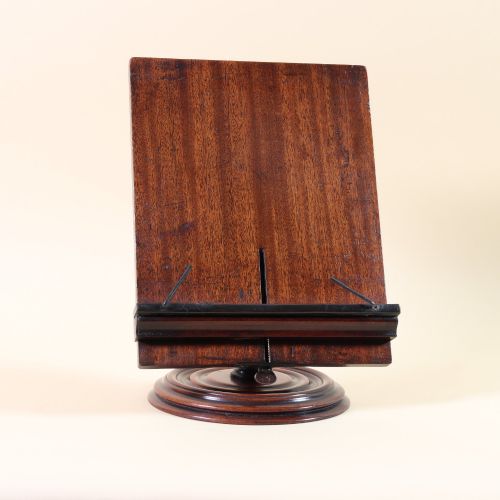
When you search for a vintage tabletop easel, you encounter a selection of items primarily designed for holding picture frames, vanity mirrors, books and reading stands. These domestic accessories hold objects upright for display or use on flat surfaces in reception rooms and bedrooms.
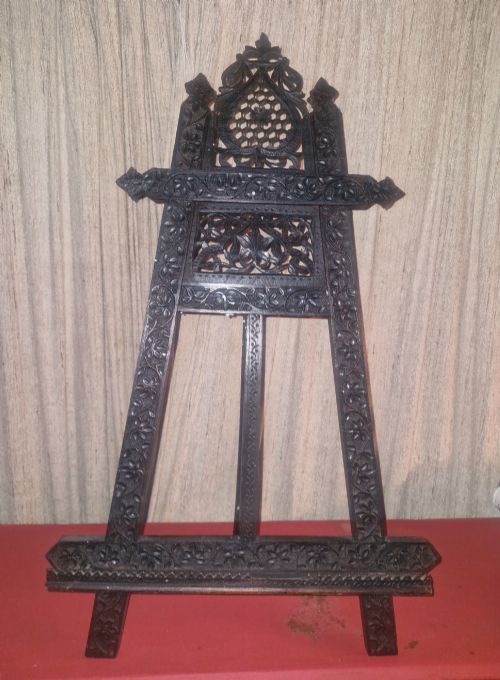
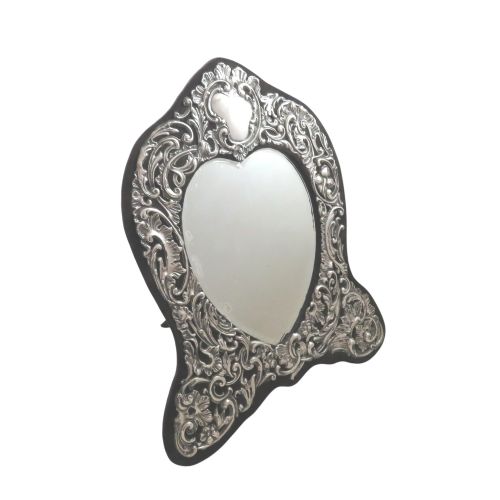
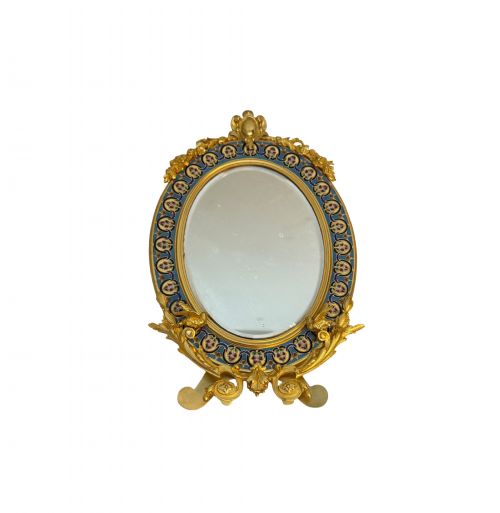
The pieces appearing here span the late nineteenth century through to the interwar decades, taking forms such as French oak display stands, carved eastern picture easels and giltwood table mirrors. Materials range from sterling silver and brass to mahogany, kingwood and glass.
Buyers select these items to exhibit photographs, artworks or small mirrors while adding period character to a tabletop. The physical evidence shows sturdy construction intended for daily utility alongside ornamental grace.
How they were made
Maker workshops utilised solid timber such as oak, mahogany and kingwood, often shaping the wood through turning and carving to form structural supports. Metal elements incorporate cast bronze, brass, iron and silver plates, frequently combined with glass, mirror panels and velvet backing boards.
Surface decoration relies on traditional techniques including gilding, champlevé enamelling, fine engraving and surface polishing. Structural joints depend on accurate cabinetmaking methods to ensure the hinged rear struts bear the weight of the frame securely.
Vintage Tabletop Easel Retail Price Guide 2026
Typical asking prices for vintage tabletop easel among the pieces listed under this phrase on Sellingantiques today, from the lower quarter to the upper quarter. They describe what is for sale here now, not the wider market.
What varies in quality
Quality separates through the crispness of the hand-carving on wooden frames and the weight of the cast metal or silver used in the construction. Superior examples maintain original rear struts, hinges and backing boards that function without play.
The finesse of surface ornament, such as deep floral chasing on silver or intricate giltwood mouldings, distinguishes workshop standards. Pieces showing intact bevelled mirror glass and original backing retain higher integrity.
Rosenthal Jacob And Co·Deakin And Francis
The Vintage Tabletop Easel Glossary
- Strut mirror
- A mirror supported by a hinged prop or leg attached to the rear, allowing it to stand at an angle on a flat surface. This mechanism provides adjustable viewing positions for a dressing table.
- Champlevé
- An enamelling technique where troughs are dug into a metal surface and filled with vitreous enamel before firing. This process creates colourful decorative patterns on bronze and brass frames.
- Kingwood
- A dense, heavily figured exotic timber utilised in cabinetmaking during the nineteenth century. Its rich brown tones and distinct grain patterns suit small display pieces.
- Arts and Crafts
- A design movement prioritising traditional handcraftsmanship and simple structural forms over mass-produced ornamentation. Items from this movement display honest construction methods.
- Giltwood
- Timber that has been coated with a thin layer of gold leaf or gold paint for decorative effect. This treatment brightens carved mirror frames and display easels.
Vintage Tabletop Easel: Frequently Asked Questions
How do I use a tabletop easel?
Place the easel on a stable desk, mantelpiece or dressing table surface, then rest a framed photograph, mirror or book against the inclined ledge. Adjust the rear strut to achieve the desired display angle.
Ensure the weight of the supported object distributes evenly across the central shelf to maintain balance during daily use.
What periods do these pieces date from?
The available selection spans from the late nineteenth century through the Edwardian era and into the Art Deco period of the 1920s and 1930s. Victorian, Edwardian and Georgian influences appear frequently across the inventory.
Stylistic markers such as champlevé enamel or carved giltwood help attribute pieces to specific decades within this broader timeline.
Are backing boards original?
Many surviving examples retain their original wooden, velvet or card backing boards alongside the supporting easel legs. Original fittings show age-appropriate wear and matching patination.
Replacement backs sometimes occur to restore structural stability for modern display purposes.
How do I clean silver frames?
Use a soft microfibre cloth designed for silver to remove dust and tarnish gently from metal surfaces. Avoid abrasive liquids that might damage surrounding glass or velvet components.
Keep moisture away from wooden elements and old backing materials during routine maintenance.