



Tabletop Art Easel
These tabletop art easel pieces provide sturdy display surfaces and mirrors for the desk or dressing table, offering both utility and decorative presence.
Tabletop Art Easel
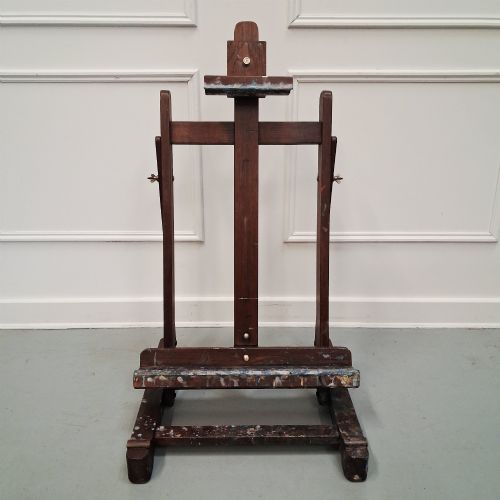
A tabletop art easel serves as a functional display stand or a tilting mirror for desks and dressing tables. Buyers searching for a tabletop art easel encounter items originating from the Victorian, Edwardian, and Art Deco periods, alongside 19th-century examples.
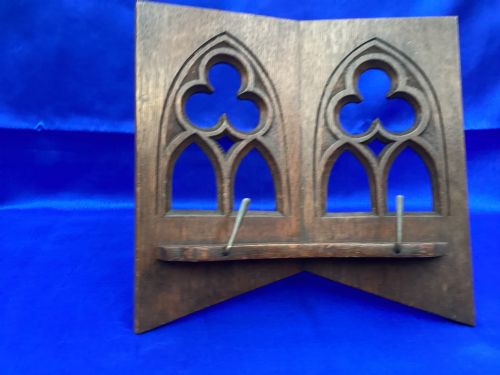
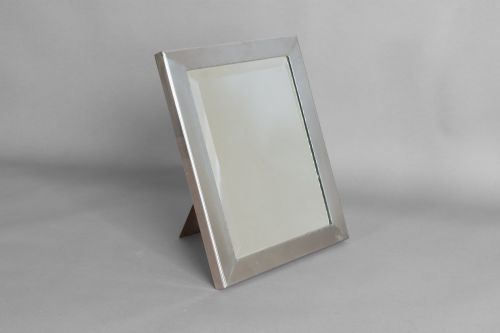
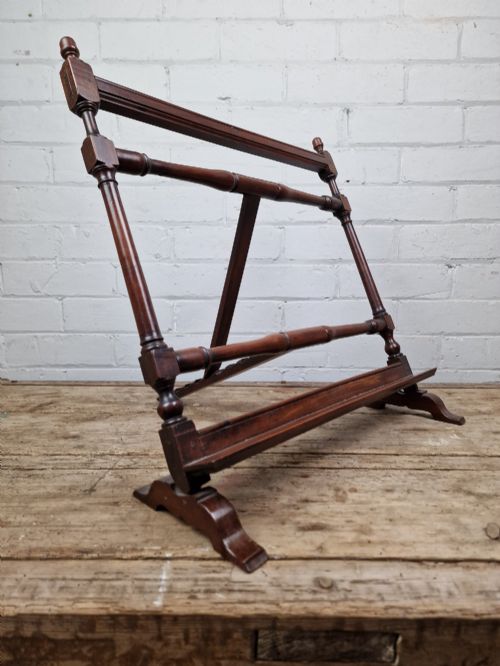
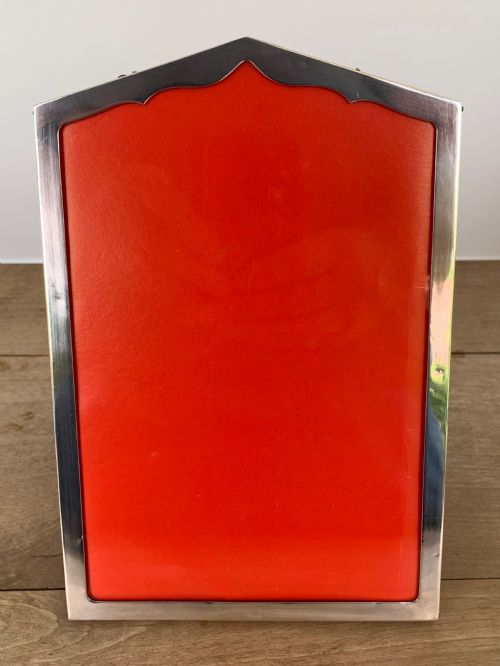
The selection includes specific tabletop easels alongside related display formats such as vanity mirrors, photo frames, picture frames, and book stands. Oak, mahogany, sterling silver, and silver-plated metal form the primary structural materials of these pieces.
Makers and designers from English and continental workshops produced these items in various aesthetic movements, including Arts and Crafts, Art Nouveau, Gothic Revival, and French Provincial styles.
How they were made
Timber examples utilise solid oak and mahogany, shaped with turned supports or carved frames to hold books, pictures, and mirrors securely. Metal pieces employ brass and structural metals to form the main body, often finished with hinged rear struts for desktop support.
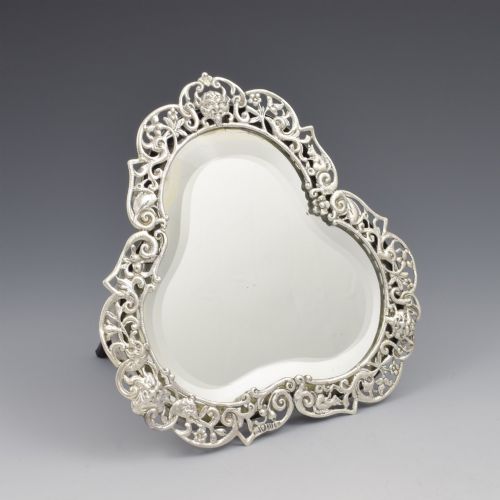
Silver and silver-plated items feature intricate pierced decoration, repoussé motifs depicting animals and birds, and fitted glass panels for mirrors and frames. Velvet backing frequently lines the reverse of silver and plated dressing table accessories to protect the supporting surfaces.
Tabletop Art Easel Retail Price Guide 2026
Typical asking prices for tabletop art easel among the pieces listed under this phrase on Sellingantiques today, from the lower quarter to the upper quarter. They describe what is for sale here now, not the wider market.
Some dressing table mirrors feature pierced silver frames populated by small metal birds and animals peering out from the foliage.
What varies in quality
The standard of craftsmanship relies on the crispness of the metal chasing, the integrity of the silver hallmarks, and the stability of the wooden joints. Superior examples display detailed hand-pierced ornamentation and robust mechanical hinges that maintain position without slipping.
Materials dictate the standing of the piece, with solid sterling silver and dense hardwoods representing the upper tiers of manufacture compared to plated metal over base alloys.
WMF·Deakin & Francis
The Tabletop Art Easel Glossary
- Sterling Silver
- A silver alloy containing 92.5 percent pure silver by mass, widely utilised for British hallmarked photo frames and vanity mirrors. It provides a durable and polished surface.
- Silver Plate
- A thin layer of silver applied to a base metal such as brass or copper. This technique allowed manufacturers to produce decorative mirrors and display stands at a lower cost.
- Easel Back
- A hinged rear strut attached to a mirror, frame, or book stand that allows the object to prop up at an angle on a flat surface. It provides stability for display.
- Art Nouveau
- An international style of art and architecture prominent around 1900, characterised by intricate linear designs and flowing organic motifs inspired by climbing plants and natural forms.
- Hallmark
- An official stamp applied by an assay office to precious metal items, indicating the purity of the metal, the maker, and the year of testing.
Tabletop Art Easel: Frequently Asked Questions
What periods do these pieces date from?
The available pieces span the nineteenth and twentieth centuries, including Victorian, Edwardian, and Art Deco eras. Makers produced these items across distinct stylistic movements from the 1800s up to 1930.
Specific dates appear on hallmarked silver items and stamped wooden stands, helping to confirm the exact decade of manufacture.
What materials were used?
Construction materials include hardwoods like oak and mahogany, alongside metals such as brass, sterling silver, and silver plate. Glass and velvet are also common components.
Timber pieces utilise solid woods for structural stability, while precious metals and plated alloys provide decorative exterior finishes.
How do I use a tabletop easel?
These items sit directly on desks, tables, or dressing surfaces to display photographs, books, artwork, or mirrors. The built-in rear strut supports the weight of the piece at a convenient viewing angle.
Adjustable or fixed hinges keep the display upright without requiring wall mounting or floor space.
How do I identify silver hallmarks?
British silver items feature small stamped marks indicating the assay office, the standard of silver, and a date letter corresponding to the year of manufacture. Maker's marks are also included.
Magnification helps in reading these tiny punches, which provide reliable evidence of origin and age.