


Vintage Table Easel
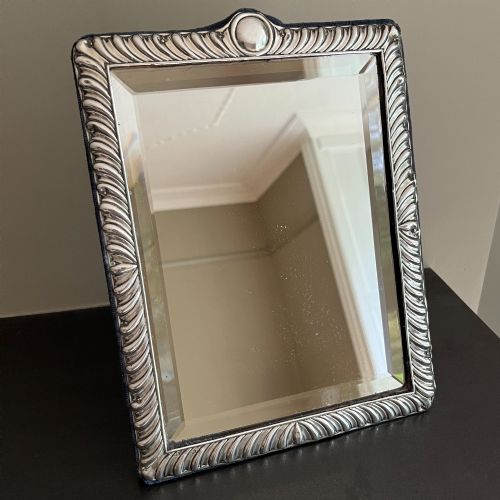
A vintage table easel holds a photograph, mirror or timepiece upright on a surface using a hinged rear prop.
Vintage Table Easel
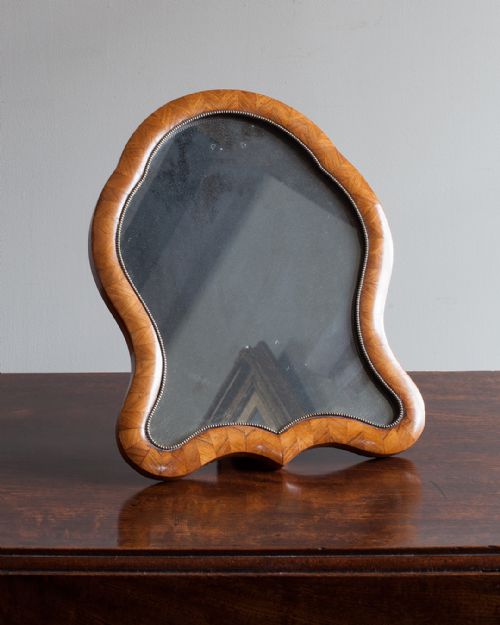
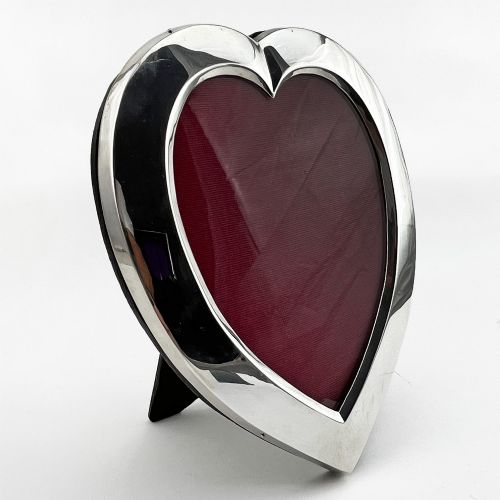
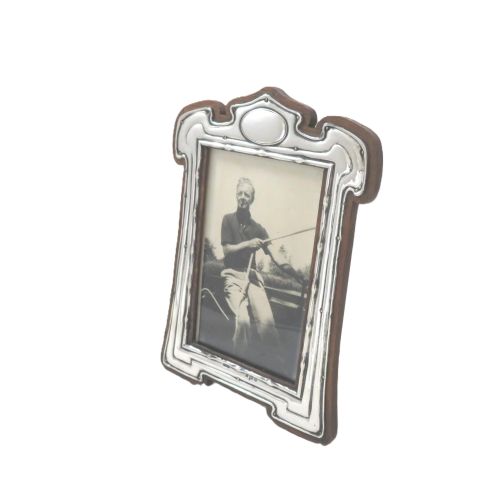
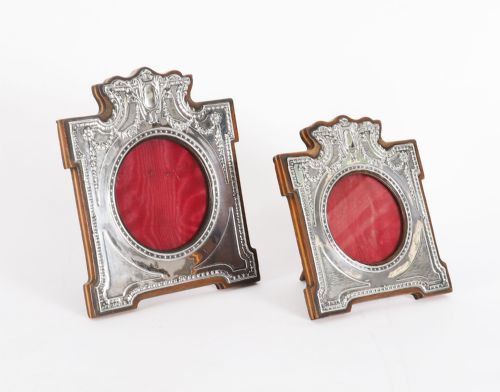
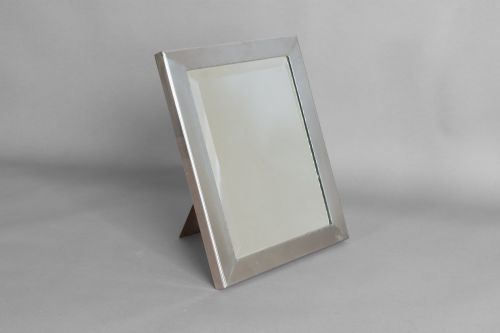
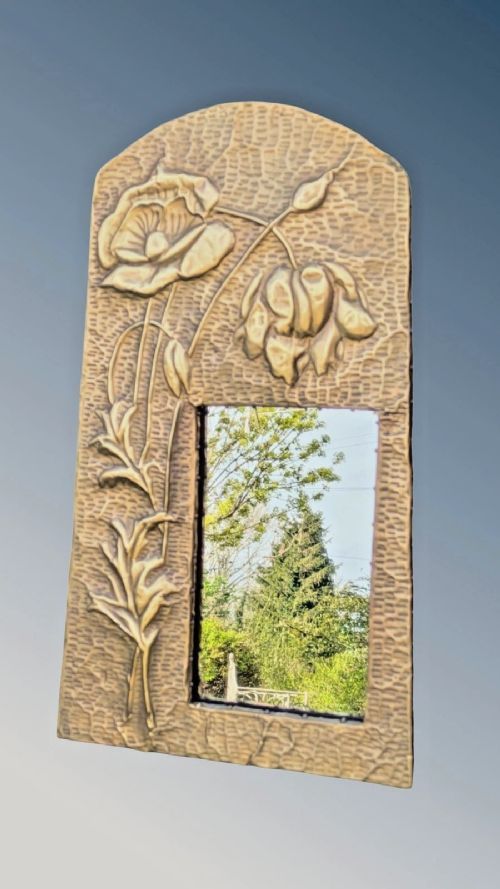
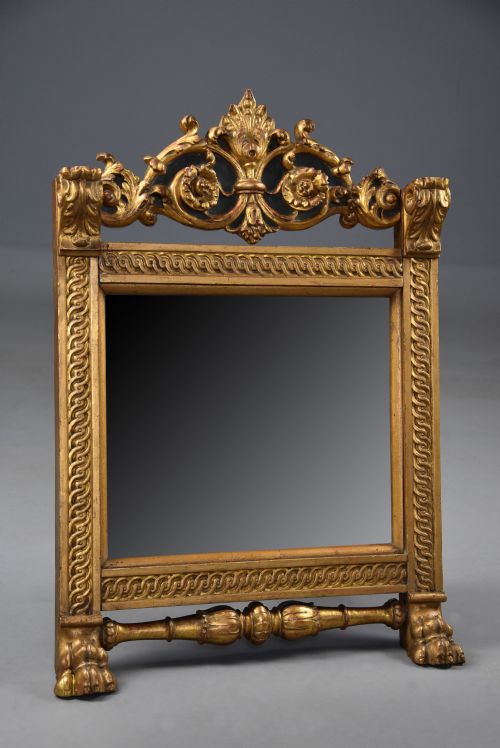
A vintage table easel takes many forms across this selection, functioning primarily as a display frame for photographs, a vanity mirror, or a desk clock. These items belong to periods spanning the nineteenth century through to the art deco era of the nineteen thirties.
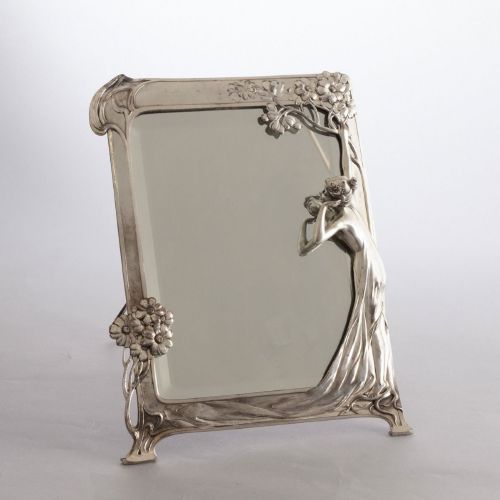
You encounter objects designed for the dressing table, desk or parlour cabinet, constructed with integrated rear struts that allow them to stand independently. The assortment includes picture frames, mirrors and clocks created in styles such as Edwardian, Art Nouveau and Victorian.
Originating from English, French, German and continental workshops, these pieces serve both decorative and practical domestic functions. The materials span precious metals, carved woods and enamels, reflecting the varied tastes of their original makers.
How they were made
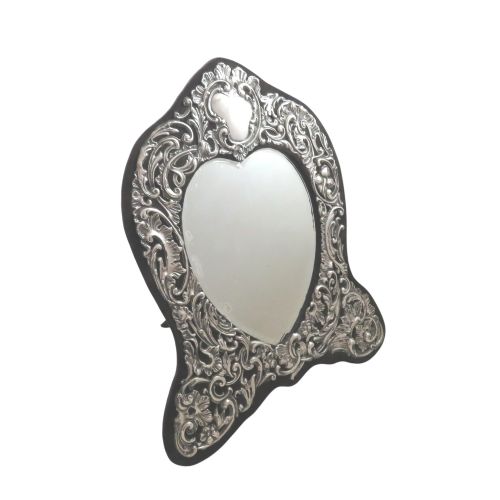
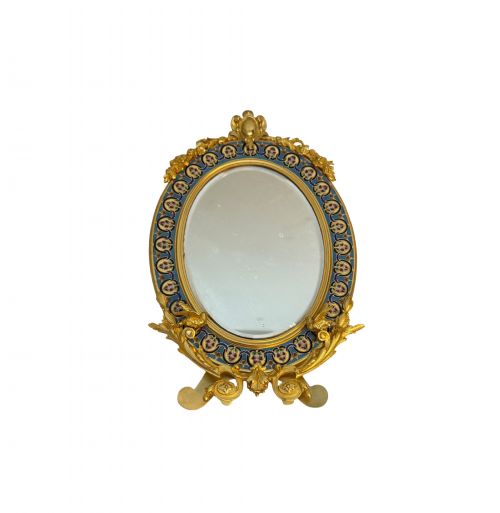
Silversmiths and metalworkers shaped sterling silver, brass, pewter and silver plating into frames and mirror surrounds, often employing repoussé embossing, champlevé enamel or cast ormolu mounts. Glass and mirror glass were cut to fit these metal housings, whilst velvet provided backing materials.
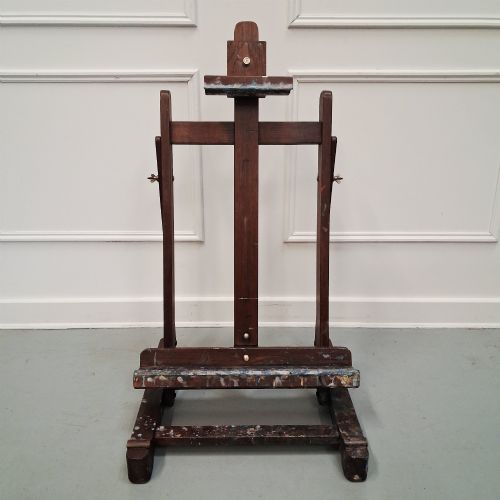
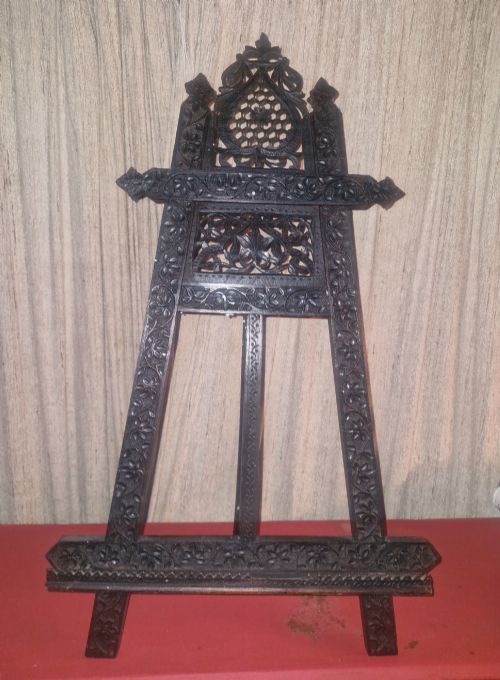
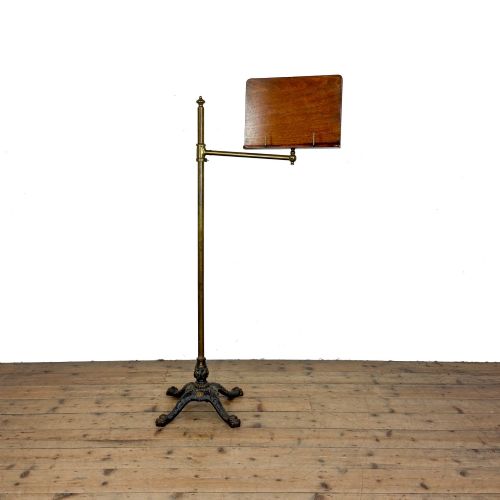
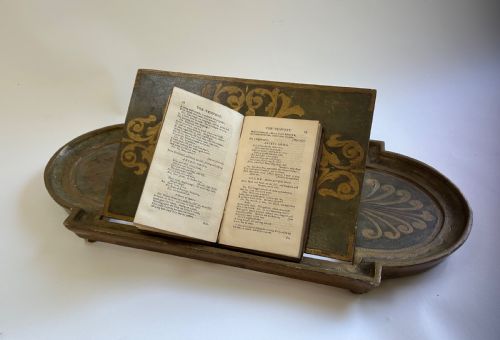
Cabinetmakers utilised timbers such as oak and kingwood, alongside carved giltwood, to construct tabletop stands and frames. Many pieces incorporate mechanical adjustable elements in metal and wood, combining structural utility with ornamental carving.
Vintage Table Easel Retail Price Guide 2026
Typical asking prices for vintage table easel among the pieces listed under this phrase on Sellingantiques today, from the lower quarter to the upper quarter. They describe what is for sale here now, not the wider market.
Materials in these listings include oak, sterling silver, brass, glass, mirror glass, velvet and cast iron.
What varies in quality
The standard of an easel depends on the crispness of the chased or cast metalwork and the depth of the wood carving. Pieces bearing clear hallmarks or maker stamps demonstrate a higher level of original workshop execution.
Construction details such as the sturdiness of the rear strut hinge and the quality of the backing materials, including original velvet, distinguish finer examples from standard production items.
WMF·William Comyns·Mappin Bros·Henry Matthews·Carters Of London·Smiths Clockmakers
The Vintage Table Easel Glossary
- Strut mirror
- A looking glass supported by a hinged vertical prop at the back. This design allows the mirror to stand upright on a dressing table or desk.
- Champlevé
- An enamelling technique where troughs are dug into a metal surface and filled with vitreous enamel before firing. It appears frequently on decorative frames and clocks from the nineteenth century.
- Repoussé
- A method of shaping metal by hammering it from the reverse side to create a raised design on the front. This technique is common in Edwardian silver and brass work.
- Ormolu
- Gilded bronze used for decorative mounts and frames. The technique involves applying a gold amalgam to a bronze base.
- Hallmark
- An official stamp applied to precious metals to indicate the purity, maker and assay office. Sterling silver pieces often carry these identifying marks.
Vintage Table Easel: Frequently Asked Questions
How do I clean a silver easel frame?
Use a soft cloth and a gentle silver cleaner, taking care to avoid any fabric backing or mirror glass.
Keep polishing creams out of crevices and hinges to preserve the definition of the metalwork.
Are these easels suitable for holding modern photographs?
Many frames accept standard photograph dimensions, though older pieces may have slight variations in internal aperture measurements.
Check the rebate depth and inner dimensions of the frame before inserting a new picture.
How do the rear struts function?
The rear support relies on a hinged arm that swings outward to set the display angle of the object.
Ensure the pivot pin and hinge remain stable so the piece supports its own weight securely.
Can I date a piece from its style?
Stylistic indicators such as flowing Art Nouveau vegetal motifs or geometric Art Deco lines help narrow down the period of manufacture.
Maker marks and silver hallmarks provide more precise verification when present.