

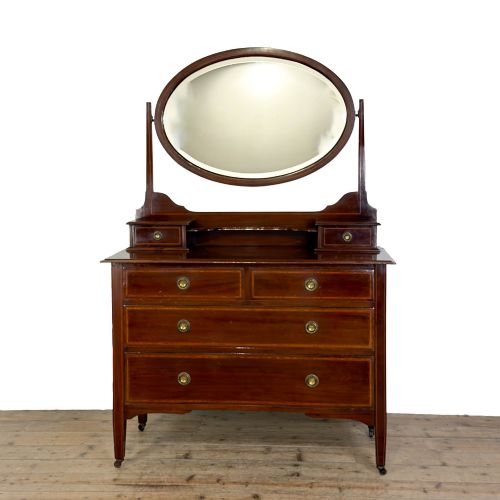

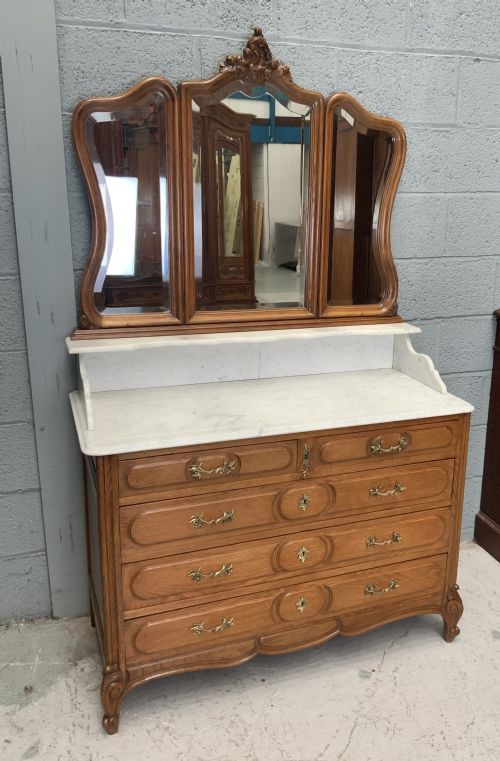
Vintage Table Mirror Drawers
Vintage table mirror drawers bring together practical glass and compact storage, offering a classic dressing accessory suited to period and traditional interiors.
Vintage Table Mirror Drawers
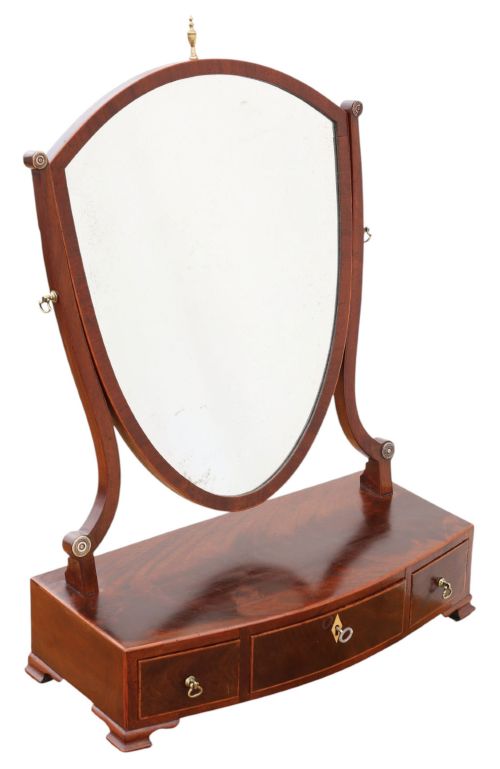
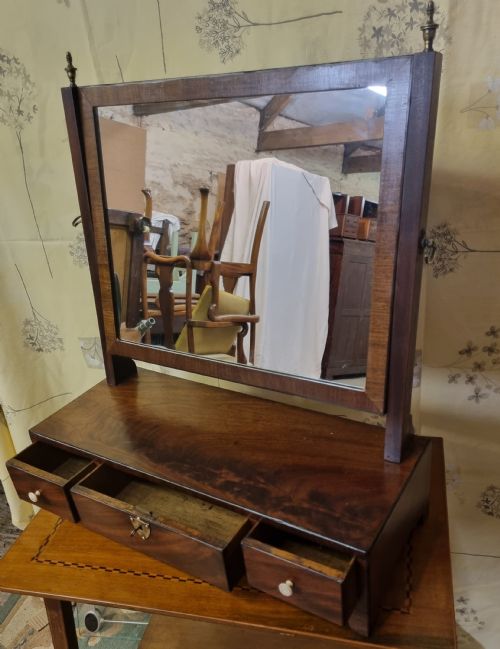
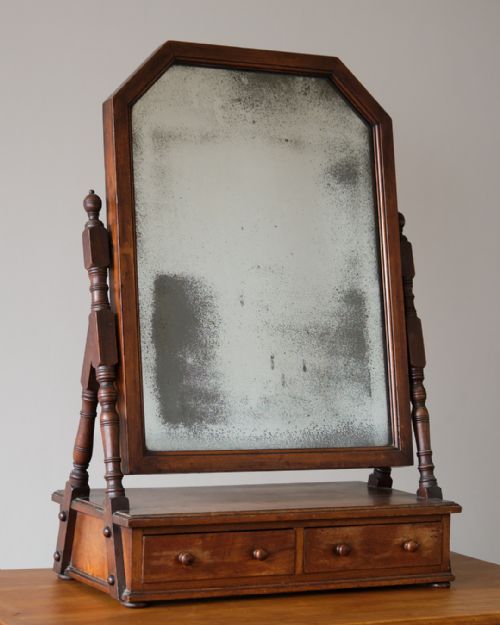
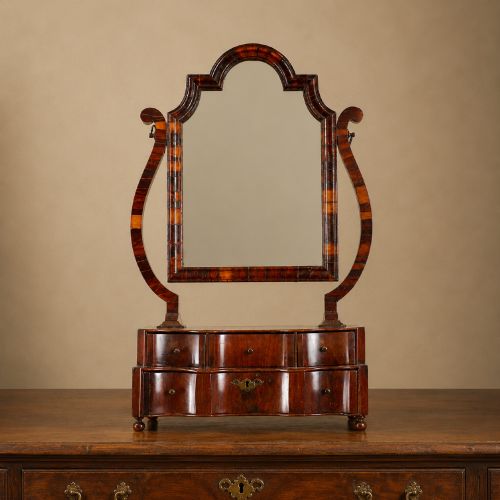
Vintage table mirror drawers encompass tabletop dressing mirrors, toilet mirrors, and small swing glasses mounted on bases fitted with functional storage compartments. These pieces range from 18th-century Georgian walnut and mahogany designs to later Edwardian and 1920s oak or walnut variations.
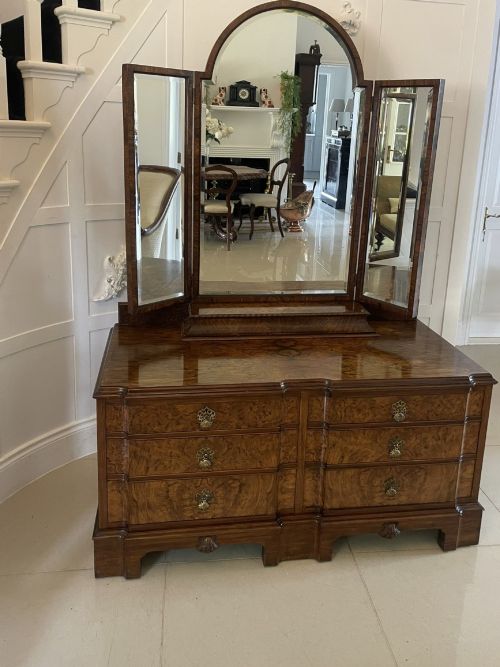
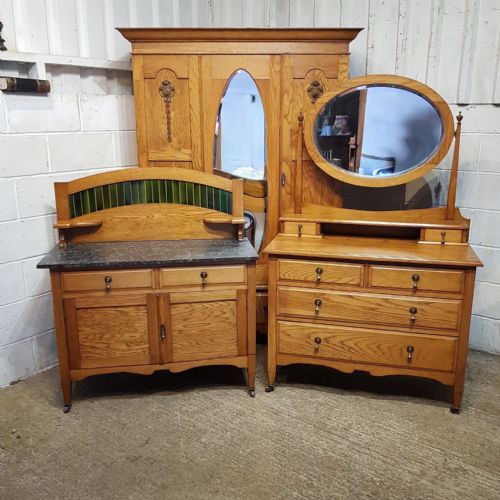
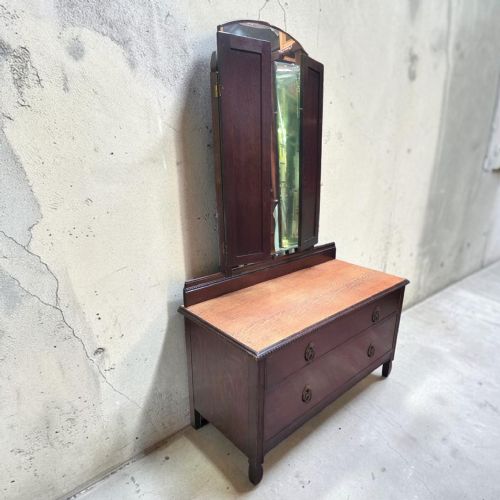
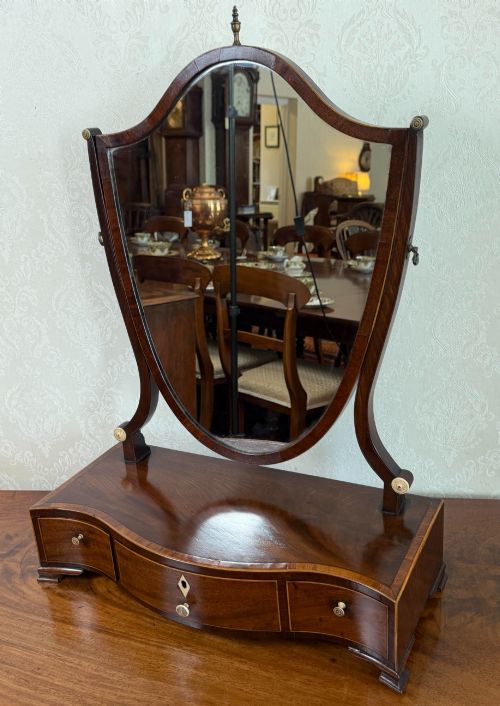
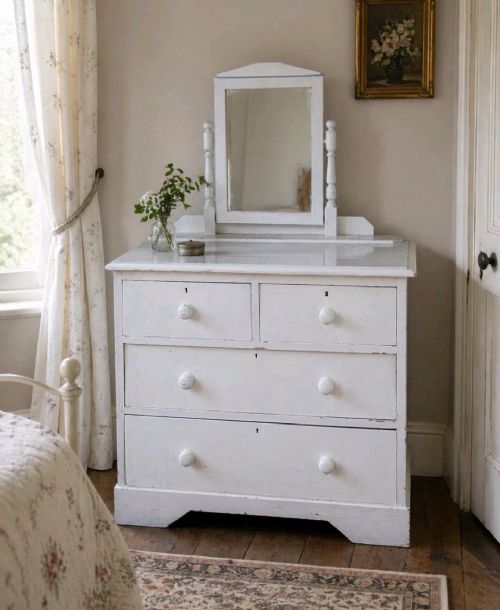
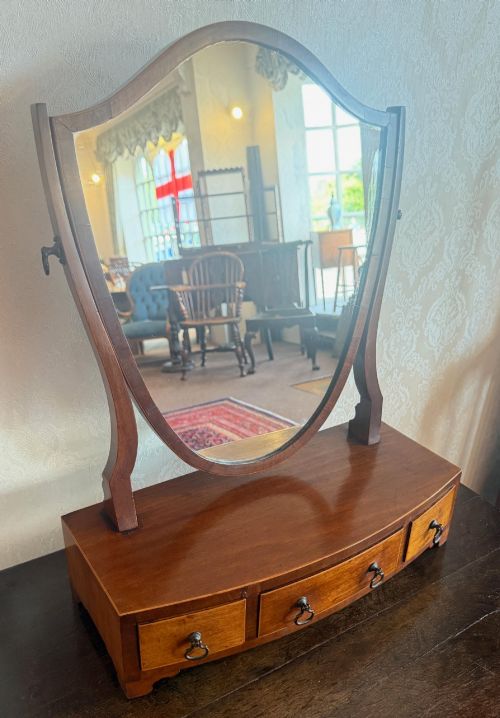
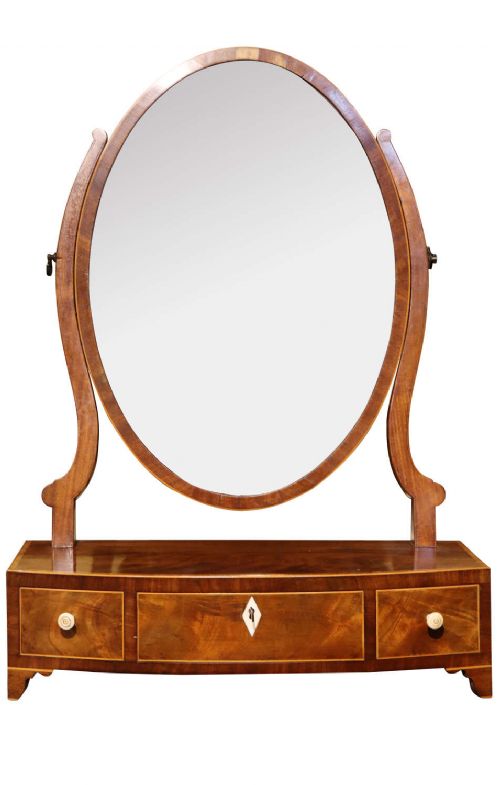
Buyers seeking vintage table mirror drawers will encounter swing mirrors perched above shaped drawer bases, alongside larger dressing chest formats that incorporate tilting plates. Common forms span simple box bases with multiple small drawers to serpentine and shield-shaped mirror frames supported by delicate scroll arms.
How they were made
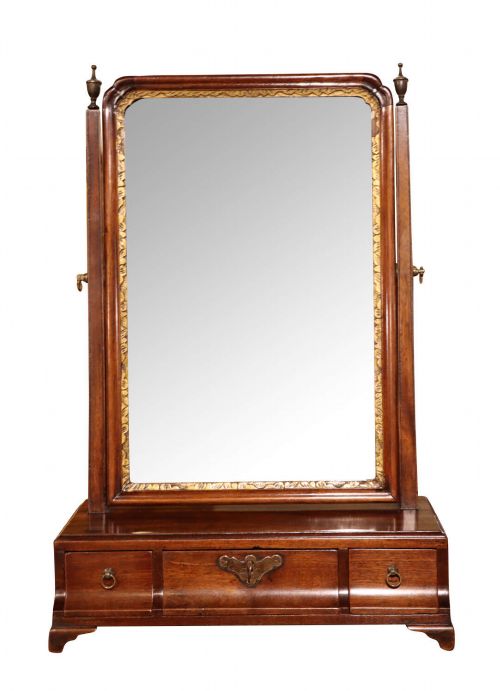
Cabinetmakers constructed these frames primarily using solid and veneered timbers such as mahogany, walnut, and oak, often enhancing surfaces with crossbanding, marquetry, or parcel-gilding. Drawer boxes typically feature traditional joinery, housing brass hardware, small turned knobs, and occasionally original mirror glass plates.
The pivoting mechanism relied on brass side screw pins or wooden pegs that allowed the mirror plate to tilt at various angles. Structural integrity depended on tightly fitted joints within the base box to support the weight of the upright arms and the glass frame above.
Listings feature periods from the 18th century through the Edwardian era, constructed in mahogany, walnut, oak, and pine.
What varies in quality
Quality rests significantly on the choice of timber figure, such as burr walnut or finely grained mahogany, and the crispness of any inlaid decoration or crossbanding. Superior examples display balanced proportions, delicate horn or brass adjustment fittings, and secondary woods appropriate to the period.
The integrity of the mirror glass itself and the retention of original drawer linings influence overall desirability. Pieces retaining their early glass plates and unwarped framing timbers stand clearly apart from later replacements.
Heal & Sons·Shapland and Petter
The Vintage Table Mirror Drawers Glossary
- Toilet mirror
- A small portable mirror designed to sit atop a dressing table, chest, or commode. These typically feature one or more small drawers in the base.
- Shield mirror
- A dressing glass shaped like an heraldic shield, popular during the Georgian and Regency periods. This outline is usually supported on scrolling horn brackets above a serpentine base.
- Crossbanding
- A decorative border technique where thin strips of veneer are laid running perpendicular to the grain of the main surface. This frames drawer fronts and table tops with contrasting timber tones.
- Parcel-gilt
- Partially gilded woodwork where gold leaf highlights specific carved details or mouldings against a dark timber background. This finish appears frequently on high-status Georgian frames.
- Swing mirror
- A glass plate hung on pivots between two upright arms, allowing the user to tilt the reflection. The supporting frame is secured directly to the top of a drawer box.
Vintage Table Mirror Drawers: Frequently Asked Questions
Where should I place a table mirror with drawers?
These pieces sit comfortably on top of large chests of drawers, sideboards, or dedicated dressing tables to provide a functional vanity surface. They add height and reflected light to bedroom and hallway spaces alike.
Ensure the supporting surface is deep enough to bear the footprint of the drawer base safely without overhang. Positioning near natural window light yields the clearest reflection for daily grooming.
How do I adjust a loose swing mirror?
Most period swing mirrors utilise threaded brass screw caps or side pins that pass through the upright support arms into the mirror frame. Tightening these fittings carefully increases friction and holds the glass steady at the desired angle.
Avoid over-tightening slotted brass screws to prevent splitting the surrounding wooden housing. Older washers made of leather or cloth may occasionally need subtle adjustment or replacement to restore tension.
Are the mirror plates usually original?
Older glass often exhibits minor foxing, subtle distortion, or dark spots caused by the degradation of the backing over centuries. Many pieces retain these authentic plates, while others received clear replacement glass during their working life.
Examining the silvering from behind and checking the thickness of the glass helps determine its age relative to the wooden frame. Original plates contribute greatly to the historical character of an antique mirror.
How do I clean the wooden frame safely?
Dust the mahogany, walnut, or oak surfaces gently with a dry, soft cloth to prevent abrasive particles from scratching the polish. Avoid modern silicone sprays or heavy liquid cleaners that can damage aged wax or shellac finishes.
Occasional application of microcrystalline wax feeds the dry timber and protects the grain without creating a greasy buildup. Keep moisture away from the edges of the mirror plate during cleaning to protect the silvered backing.