

Vintage Swivel Dressing Mirror
A vintage swivel dressing mirror turns on side pivots to tilt its plate, offering a functional reflection while anchoring a room with period timber.
Vintage Swivel Dressing Mirror
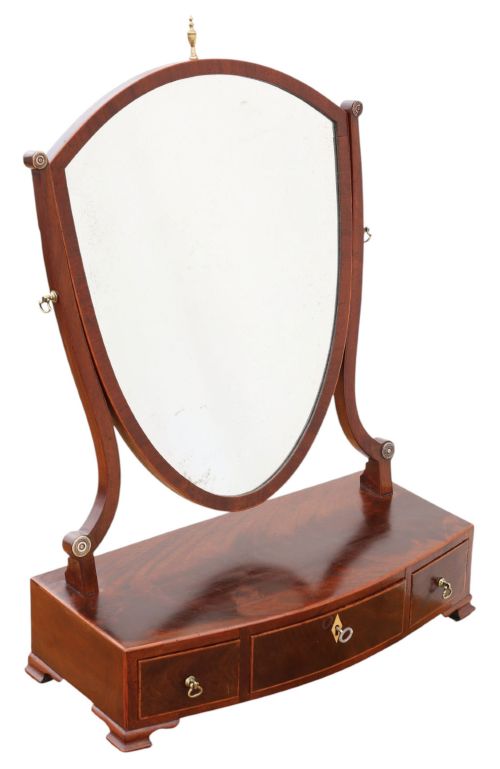
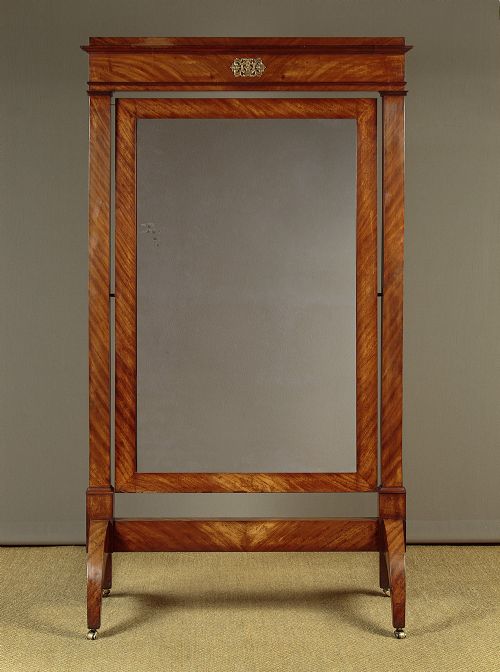
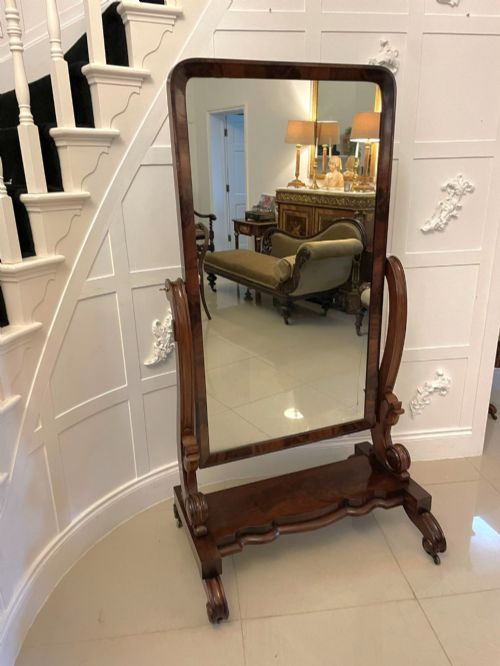
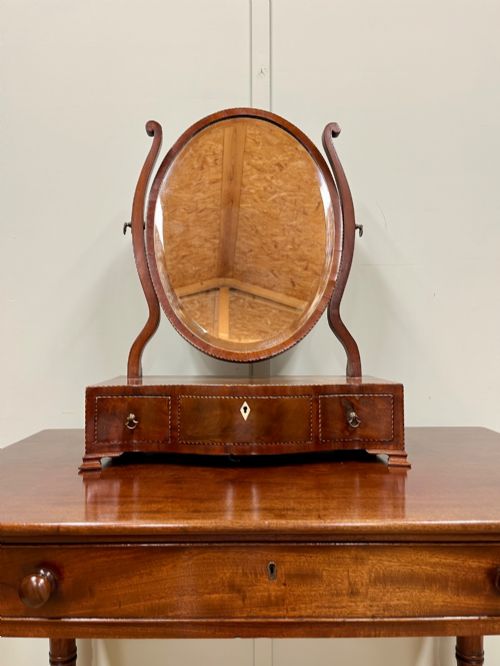
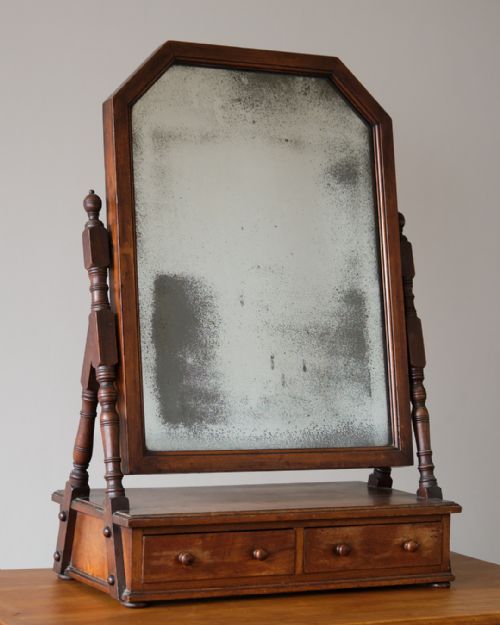
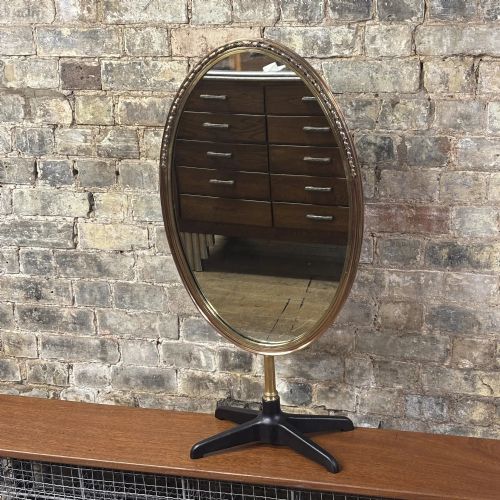
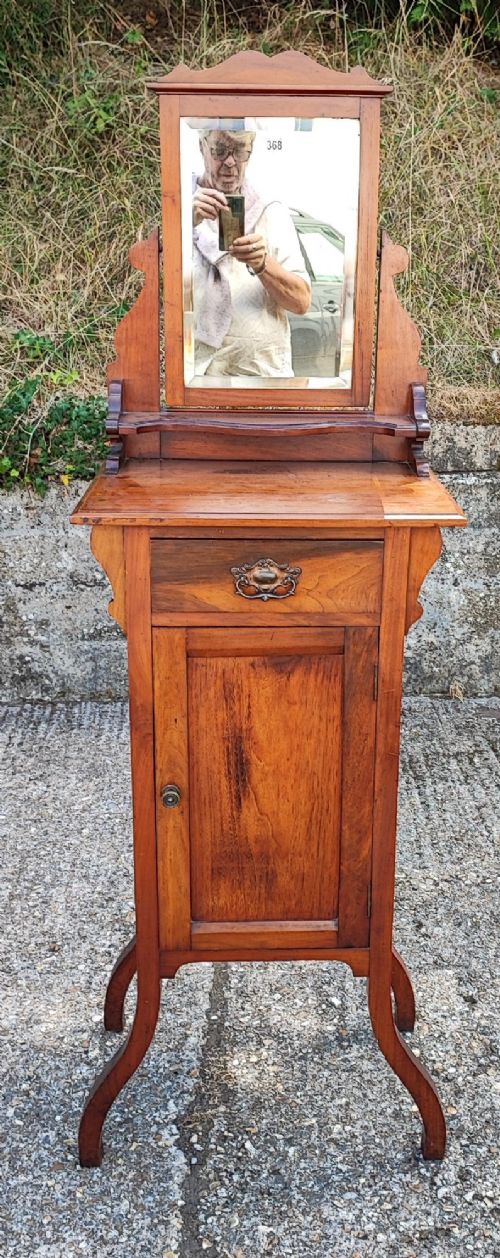
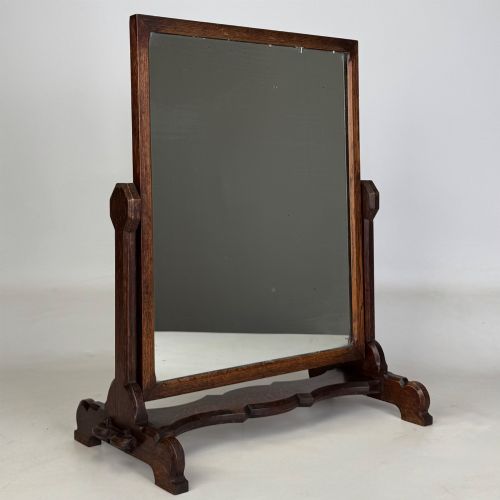
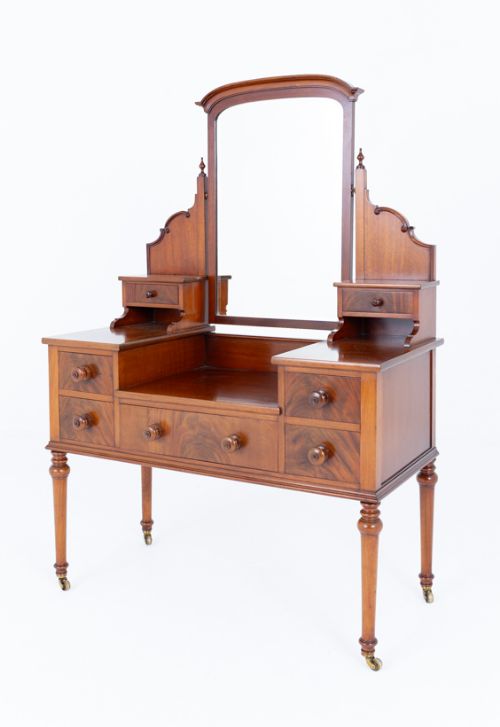
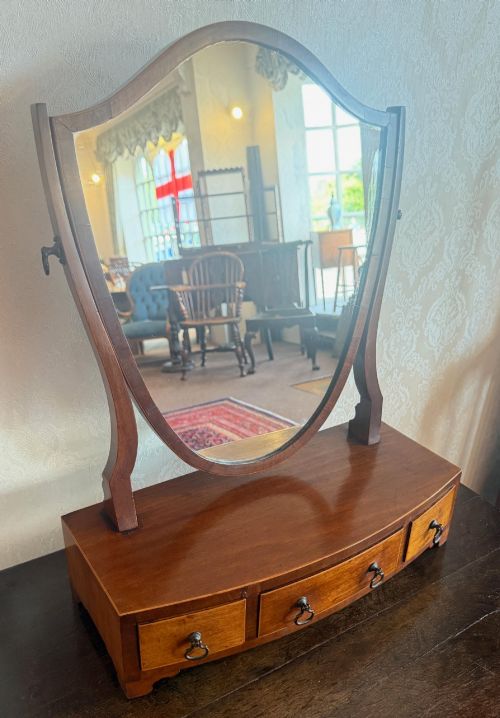
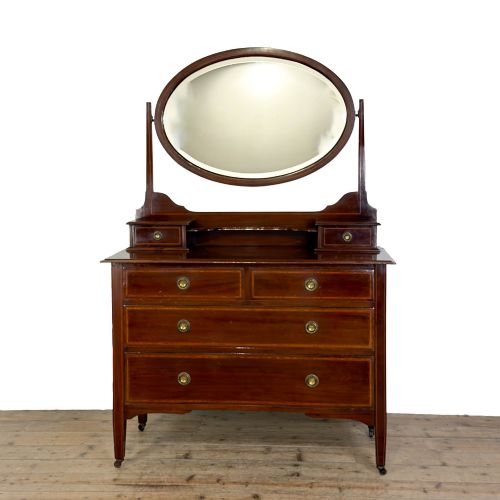
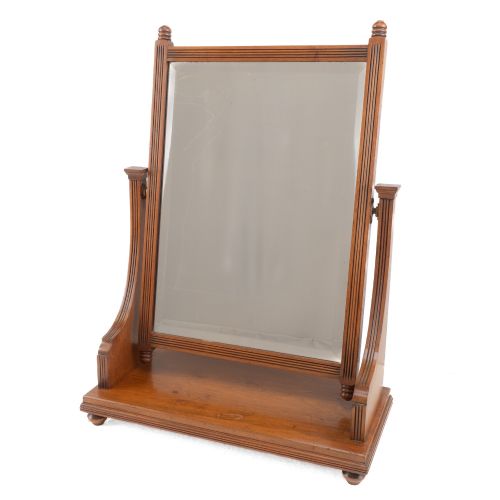
A vintage swivel dressing mirror serves both table tops and floors, functioning as a movable glass plate held within a tilting frame. These pieces appear in numerous forms throughout the selection, ranging from compact toilet mirrors fitted with drawers to full-length cheval mirrors resting on floor supports.
The inventory spans multiple eras, with Victorian and Edwardian examples sitting alongside Georgian, Regency, and 1920s pieces. Buyers will frequently encounter mahogany table models and walnut cheval versions, alongside brass, oak, and satinwood constructions.
Makers and retailers such as Heal and Sons and Harrods occasionally appear among the standard workshop output, providing documented provenance for select Victorian and Edwardian items. The assortment balances smaller chest-top glasses with taller floor-standing mirrors designed for bedroom dressing.
How they were made
Cabinet makers constructed these frames predominantly using solid timber veneers over secondary woods, with mahogany, walnut, and oak serving as the primary structural materials. Timber sections were joined using traditional methods and shaped into shields, ovals, and rectangular plates.
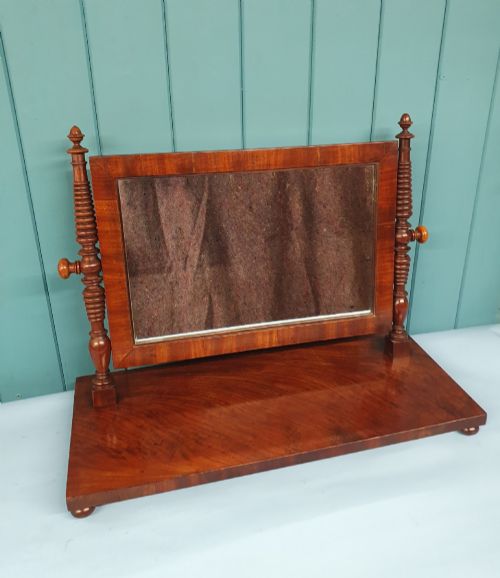
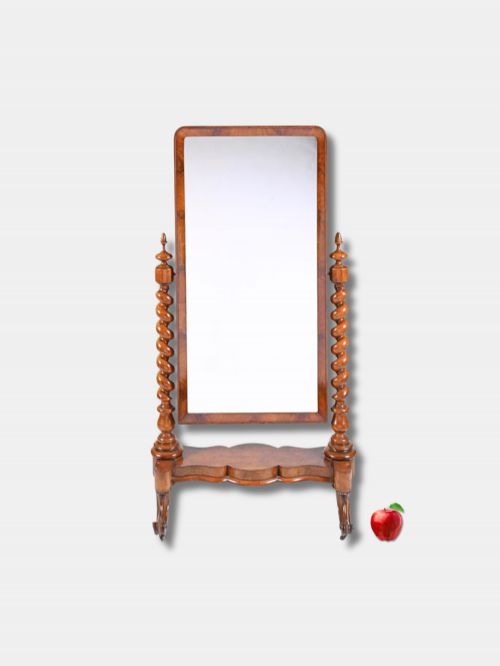
Swivel mechanisms rely on brass screw pins, side arms, and pivots inset into upright supports to allow smooth tilting of the mirror glass. Floor-standing cheval models incorporate heavy side pillars, sometimes featuring barley twist turnings or sabre legs with castors for stability.
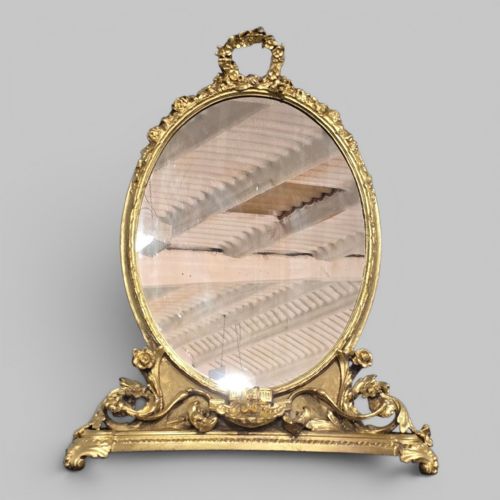
Metal components such as cast bronze, brass mounts, and green onyx feature in early 20th-century and Edwardian pieces, adding weight and decorative contrast to the timber frames. Gilt finishes and marquetry inlay provide surface ornamentation on specific Georgian and Victorian items.
Object forms range from compact table-top swing mirrors with drawers to full-length cheval frames.
What varies in quality
The distinction between standard workshop output and top-tier cabinet work lies in the choice of timber figurations, such as burr walnut or figured mahogany, and the crispness of carved details. Superior examples display balanced proportions and refined joinery that remains tight after decades of tilting.
Original mirror plates retain subtle imperfections, slight foxing, or mercury backing that signal age, whereas replaced glass alters the historical integrity of the piece. The weight and casting quality of the brass pivots and side arms also separate finer retailer pieces from utilitarian domestic furniture.
Heal & Sons·Harrods
The Vintage Swivel Dressing Mirror Glossary
- Cheval mirror
- A full-length dressing glass suspended on a vertical frame with four legs or a heavy floor base. This format allows the user to view their entire outfit.
- Toilet mirror
- A smaller dressing glass designed to stand upon a chest of drawers or a dressing table. These units frequently incorporate small trinket drawers in the base plinth.
- Sabot
- A metal shoe or sleeve fitted to the foot of a leg, commonly seen in brass on Regency and 19th-century furniture. It protects the timber base from floor wear.
- Marquetry
- Decorative inlay work using various coloured wood veneers to create pictorial patterns on the mirror frame or base. This technique requires considerable skill from the cabinet maker.
- Foxing
- Age-related spots and discolouration within the silvering of antique mirror glass. Collectors view minor foxing as a reassuring sign of genuine period age.
Vintage Swivel Dressing Mirror: Frequently Asked Questions
How do I date a swivel dressing mirror?
Dating relies on timber choice, plate shape, and construction methods. Georgian and Regency pieces favour mahogany with delicate drawer bases, while Victorian and Edwardian examples often feature heavier proportions, walnut veneers, or cast brass mounts.
Examining the fixing screws and the backboards provides further clues. Hand-cut screws and secondary pine or oak timbers point towards earlier 19th-century or 18th-century origins, whereas later pieces use standardised machine fixings.
Are cheval mirrors stable on carpets?
Cheval mirrors rely on wide leg spreads or heavy base frames to remain upright during adjustment. Models fitted with original castors move easily across firm flooring but require careful placement on thick carpets.
Floor-standing versions from the Regency and Victorian eras use substantial sabre legs or heavy side pillars designed to offset the weight of the tilting glass plate securely.
What is the difference between a toilet mirror and a dressing mirror?
A toilet mirror specifically refers to a table-top glass, often featuring a small set of drawers beneath the swivel frame. A dressing mirror is a broader term that includes both these table models and full-length cheval mirrors.
Historically, toilet mirrors sat upon dedicated dressing chests or tables in the bedroom. They provided a focused reflection for grooming and cosmetics before full-length floor mirrors became common.
Should the mirror glass be original?
Original mirror glass retains historic character, often displaying subtle distortion, edge darkening, or light foxing. Many collectors prefer this untouched state because it confirms the piece has not been altered.
Replacement glass is common in antiques due to accidental breakages over the centuries. While period-appropriate replacement glass maintains usability, original silvering commands greater interest from purist collectors.