



Painted Wood Dressing Mirror
These painted wood dressing mirror examples offer period charm and practical reflection, bringing character to dressing tables and chest tops across various historic styles.
Painted Wood Dressing Mirror
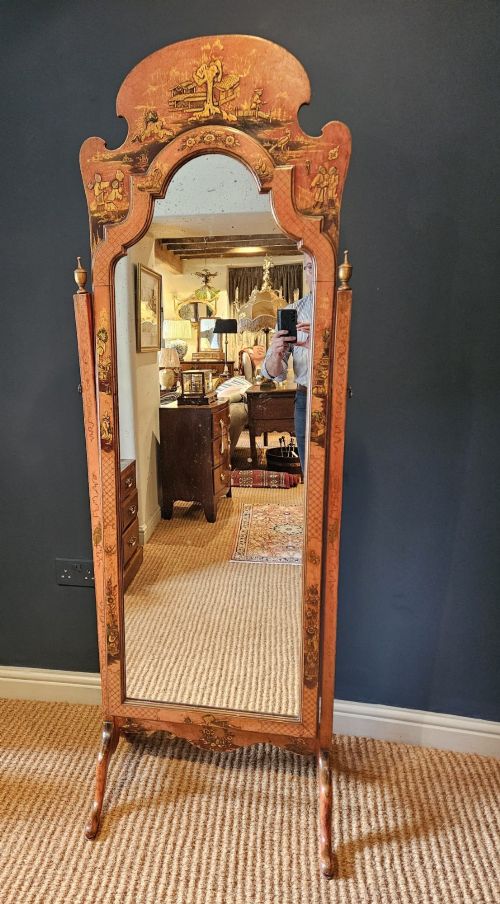
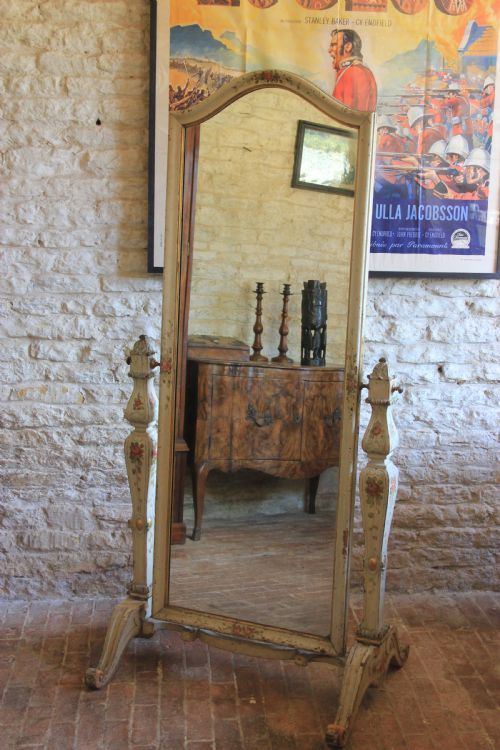
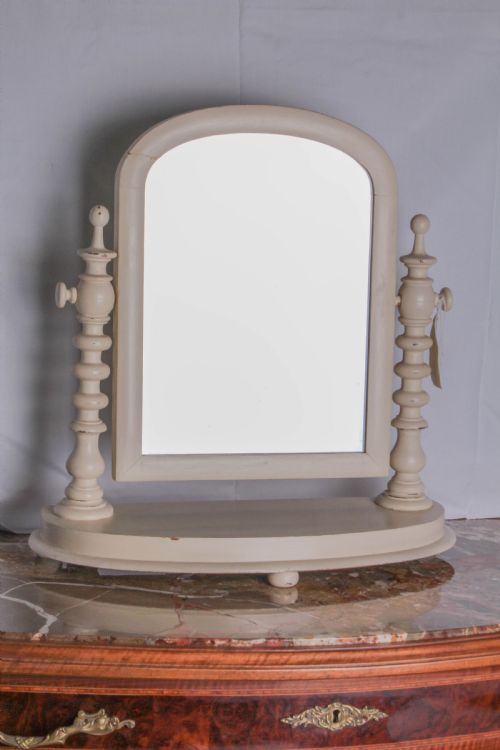
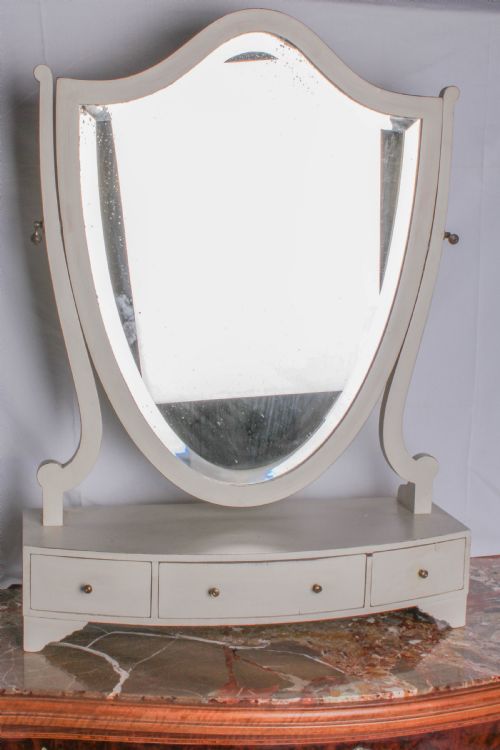
A painted wood dressing mirror provides a functional reflective surface mounted within a decorative timber frame, designed specifically for tabletop or vanity use during grooming and dressing routines. When exploring this category, buyers encounter diverse forms ranging from compact Victorian desk models to Edwardian shield-shaped designs.
The selection reflects various regional aesthetics spanning English Victorian craftsmanship alongside continental European movements such as French Provincial, Italian Country, and Chinoiserie. These pieces frequently incorporate adjustable stands, pivoting plates, or integrated small drawers for personal items.
How they were made
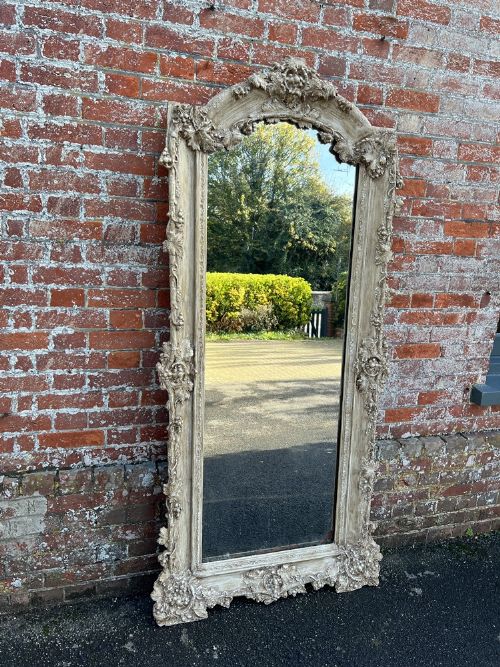
Construction relies upon traditional timber framing, often employing woods such as satin birch or satinwood beneath surface decoration. Craftsmen applied layers of gesso to wooden substrates to build up raised decorative mouldings, carved details, and smooth grounds prior to painting.
Surface decoration encompasses hand-applied paint finishes, stencilling, and gilding, with some examples featuring lacquered wood or intricate Chinoiserie motifs. Original glass plates are secured within these decorated wooden frames, occasionally accompanied by brass fittings and adjustable hinges.
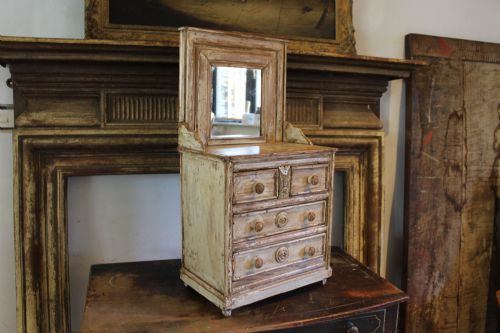
Some miniature dressing mirrors came paired with tiny drawer chests, proving that Victorians loved tiny desks just as much as we do.
What varies in quality
Quality differentiates through the execution of the carved wood and gesso ornamentation, where crisp relief work and refined proportions distinguish finer studio output from simpler vernacular items. The preservation of original painted surfaces, gilt highlights, and decorative stencilling heavily influences the overall character.
Mechanical integrity in the pivoting mechanisms and the clarity of the original glass plate further establish the grade of the piece. Superior examples exhibit harmonious integration between the timber frame, the supporting stands, and any supplementary storage compartments like miniature drawers.
The Painted Wood Dressing Mirror Glossary
- Gesso
- A plaster-like mixture applied to wood surfaces to create a smooth base for painting and intricate low-relief carving. It allows craftsmen to fashion elaborate decorative mouldings prior to gilding or colouring.
- Cheval mirror
- A full-length or large dressing mirror suspended in a frame that allows it to tilt freely. While many stand independently on the floor, related forms appear on tabletops.
- Satinwood
- A durable timber with a natural golden sheen and satin-like texture frequently utilised for fine furniture. It provides a smooth, pale ground suited to delicate stencilling and painted decoration.
- Shield shape
- A distinct curved mirror plate outline resembling a heraldic shield, popular during the Edwardian era. This geometry softens the vertical lines of traditional dressing table mirrors.
Painted Wood Dressing Mirror: Frequently Asked Questions
How do I date a painted wood dressing mirror?
Dating relies upon examining construction methods, wood types, and decorative styles such as Victorian proportions or Edwardian shield silhouettes. Hardware like brass screws and the characteristics of the glass plate offer additional chronological clues.
Comparing the painted finish and gesso work against known period aesthetics helps narrow down the decade of production. Examining the backboards and joinery reveals the technological standards of the era.
Were these mirrors meant for walls or tables?
Dressing mirrors in this category are primarily designed for placement on dressing tables, chests of drawers, or washstands. Their integrated stands or small base boxes elevate the glass for comfortable daily grooming.
Some variants include miniature drawers beneath the mirror plate for storing small accessories. This tabletop functionality distinguishes them from wall-hung looking glasses.
How should I clean the painted frame?
Maintenance requires gentle dusting with a soft, dry cloth to protect fragile gesso and historic paint layers. Moisture and modern chemical cleaners should be avoided to preserve the integrity of the original finish.
If grime accumulates, a lightly dampened cloth followed immediately by dry buffing is generally sufficient. Regular care ensures the delicate stencilling and gilt details remain undisturbed.
What distinguishes Victorian from Edwardian mirrors?
Victorian examples often feature heavier timber frames, rich paint or gilt finishes, and robust adjustable stands associated with mid to late nineteenth-century interiors. They can incorporate elaborate carved wood and gesso ornamentation.
Edwardian pieces frequently transition towards lighter forms, exemplified by the popular shield shape and delicate stencilled decoration. These later designs reflect a preference for more restrained aesthetics on bedroom furnishings.