
Vintage Swiss Horology
Vintage swiss horology comprises pocket watches, wristwatches, and clocks spanning the nineteenth century to the 1960s, offering mechanical precision and traditional craftsmanship.
Vintage Swiss Horology
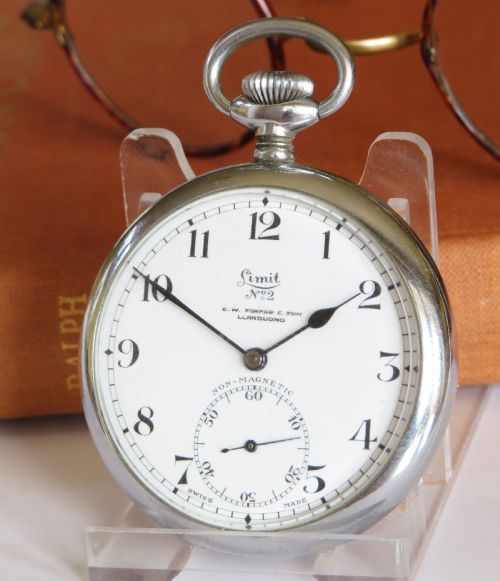
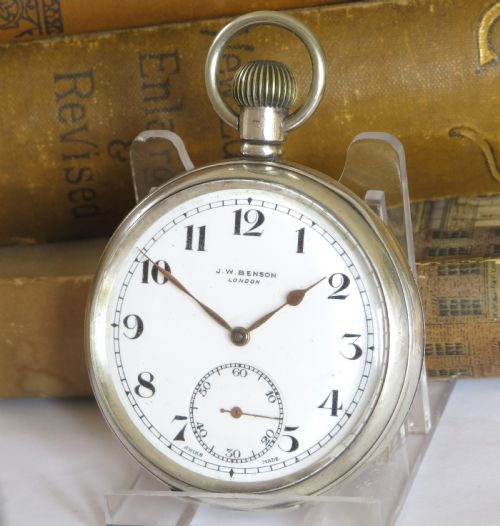
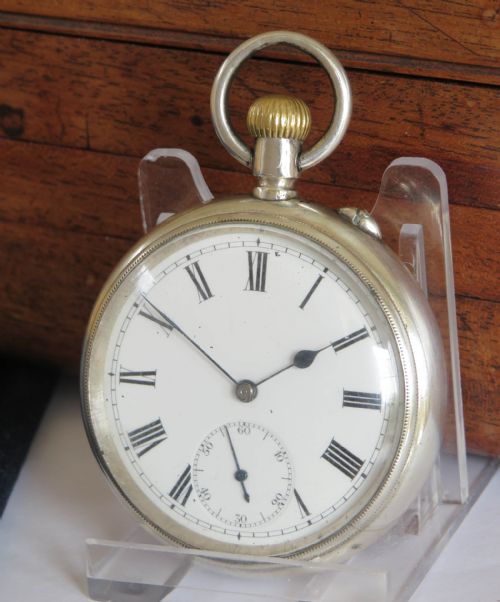
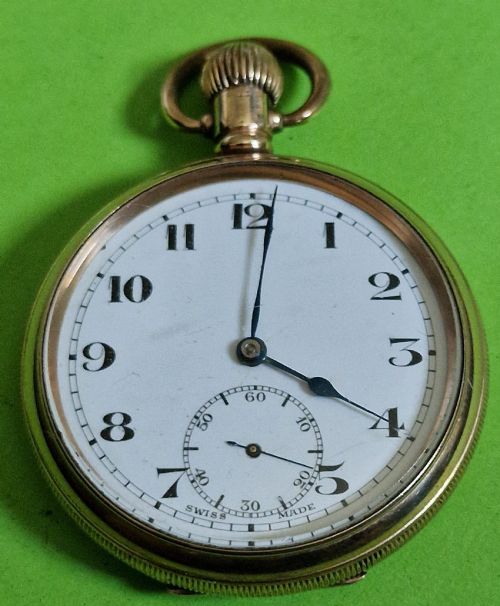
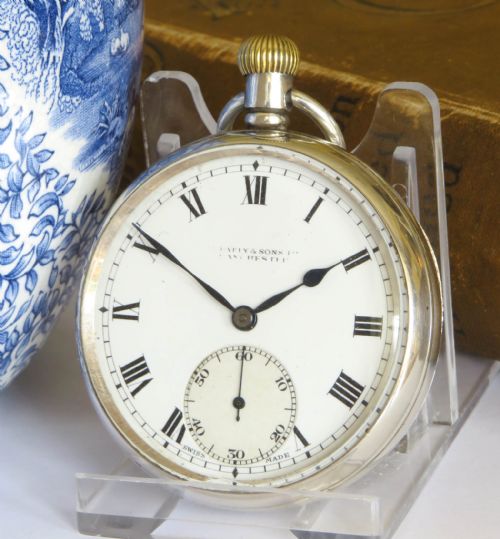
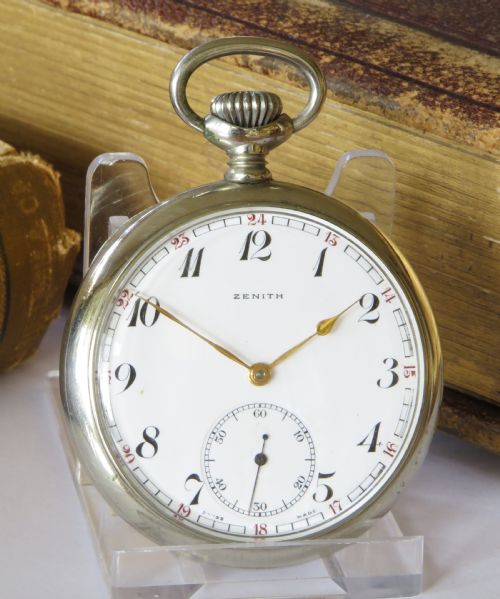
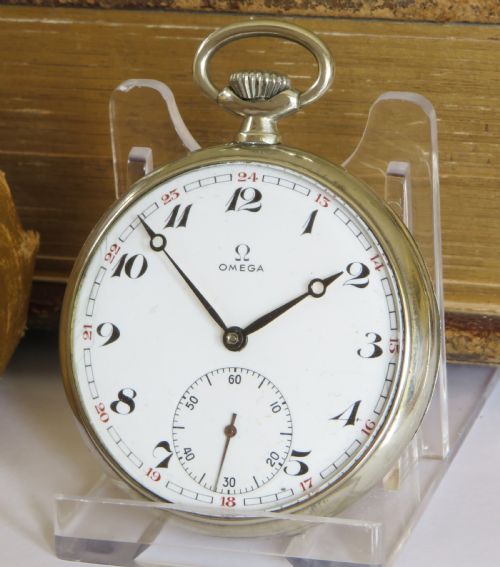
Vintage swiss horology spans a broad chronological range from the nineteenth century through the 1950s and 1960s, encompassing pocket watches, wristwatches, and mantle or table clocks. Pocket watches form a substantial category within this selection, featuring military issues, railway pieces, and delicate half hunter designs alongside everyday timepieces.
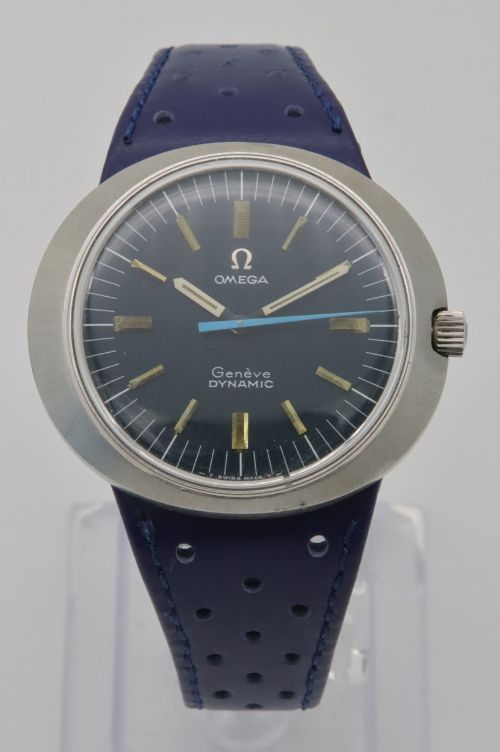
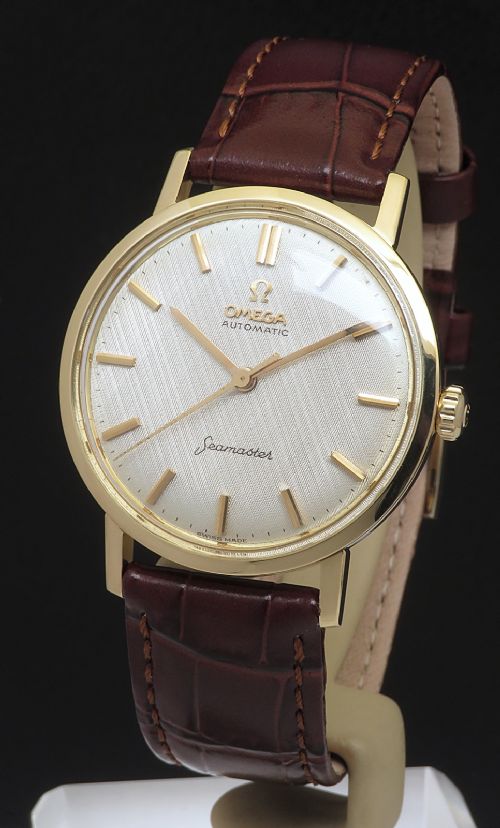
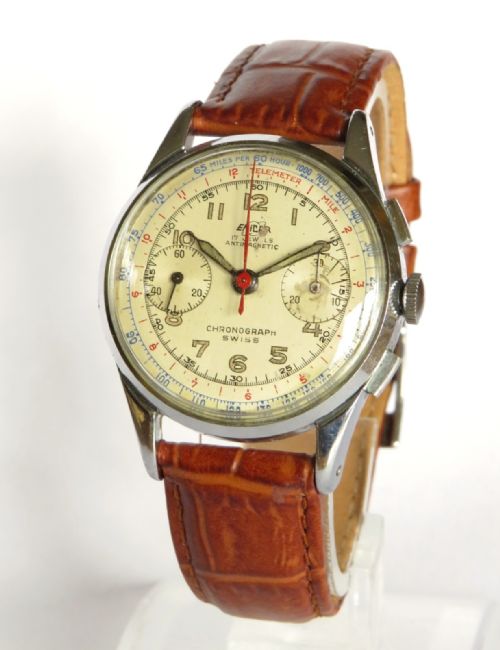
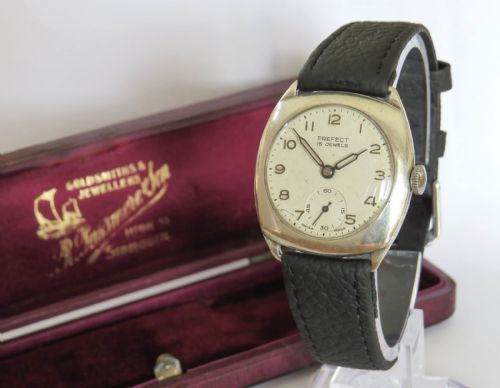
Wristwatches emerge prominently from the 1930s onwards, including automatic movements, chronographs with triple calendars, and dress pieces in gold and stainless steel. The variety of forms reflects both civilian utility and military procurement across periods such as Art Deco, Edwardian, and Mid-Century Modern.
Makers and retailers represented across these categories range from specialist watchmakers to general retailers who commissioned high-grade Swiss movements. The pieces vary from robust trench and army pattern watches to refined gold dress pieces complete with original boxes and papers.
How they were made
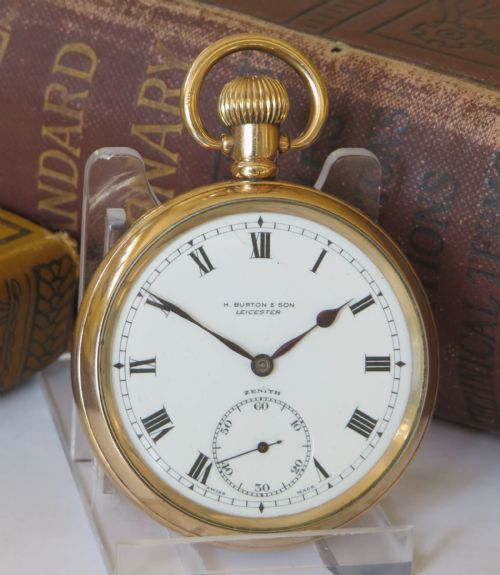
Materials utilised in these timepieces include solid gold, gold plate, and sterling silver for cases, paired with glass crystals and enamel dials. Leather straps and metal bracelets complement wristwatches, while travel pieces incorporate leather fob purses.
One Swiss silver pocket watch wears an Ottoman military inscription alongside Cyrillic lettering, hinting at a remarkable journey across borders.
What varies in quality
Quality separates mass-produced utility pieces from specialised chronometers and gold presentation models by makers such as Omega and Zenith. The inclusion of complications like triple calendars, moonphase indicators, or repeater mechanisms elevates the sophistication of a piece.
The degree of original preservation, from untouched dials to complete sets including boxes and papers, determines the distinction between standard survivals and collector-grade examples.
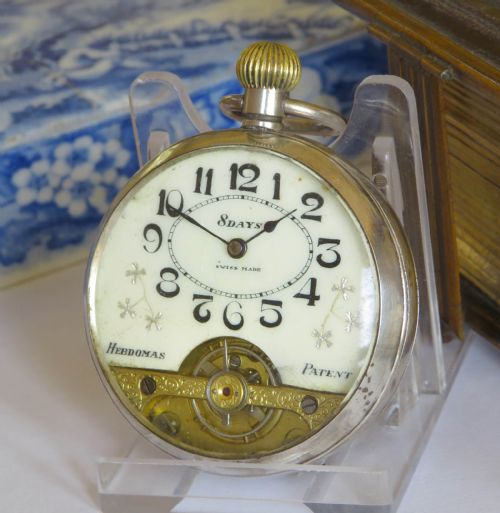
Helvetia·Camerer Cuss·Omega·Cyma·Zenith·Hebdomas·Vertex·Enicar·Wittnauer·Longines·Consul·Lanco·Baume·Revue·Langendorf·Golay Leresche Geneve·Vogel·Garrard·Windsor·Pimco·Fludo·Miramar·Timor
The Vintage Swiss Horology Glossary
- Half hunter
- A pocket watch case featuring a small glass or open circle in the outer cover, permitting time reading without opening the main lid.
- Chronograph
- A watch with a stopwatch function alongside its standard timekeeping capability.
- Calibre
- The specific internal movement design and build produced by a watch manufacturer.
- Repeater
- A complication that chimes the hours and minutes mechanically upon activating a slide or pusher.
- Milieu
- The historical context of manufacture, though horological collectors focus more precisely on escapement types and movement jewelling levels.
Vintage Swiss Horology: Frequently Asked Questions
How do military pocket watches differ from civilian ones?
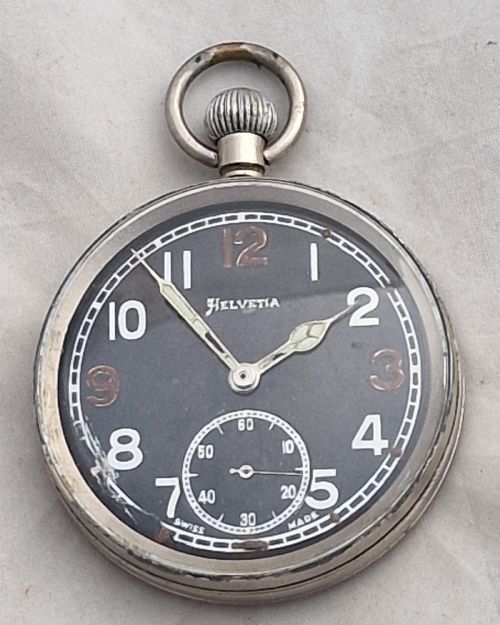
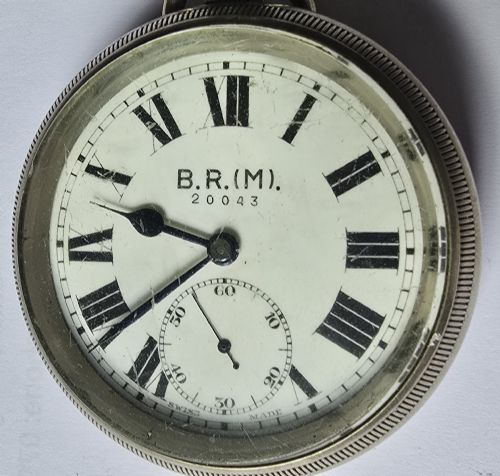
Military pocket watches and wristwatches were commissioned by armed forces to strict government specifications for reliability and legibility under harsh conditions. They frequently feature black dials with luminescent markers, robust steel cases, and broad arrow property marks on the reverse.
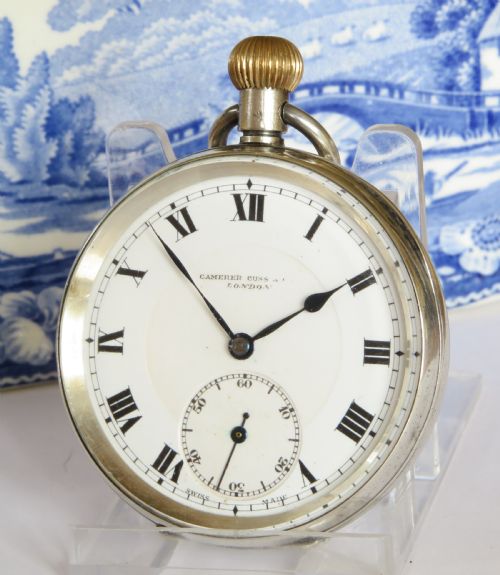
Civilian pieces of the same era prioritize decorative gold or silver cases, intricate engraving, and refined dial layouts designed for personal everyday wear rather than active service.
What does an eight-day movement mean?
An eight-day movement is a mechanical clock or watch calibre engineered to run continuously for approximately eight days on a single full wind. This extended power reserve reduced the frequency required for manual winding.
Such movements were particularly popular in travel clocks, specialised pocket watches, and desk pieces where convenience and sustained timekeeping were paramount.
How can I identify the period of a Swiss watch?
The period of a Swiss watch is identified through a combination of case style, typography, movement construction, and hallmarks. Art Deco pieces from the 1930s typically display geometric numerals and stepped cases, whereas 1950s models often exhibit cleaner Mid-Century dials and automatic movements.
Internal movement serial numbers and case maker marks provide further documentary evidence to narrow down the decade of manufacture with precision.