
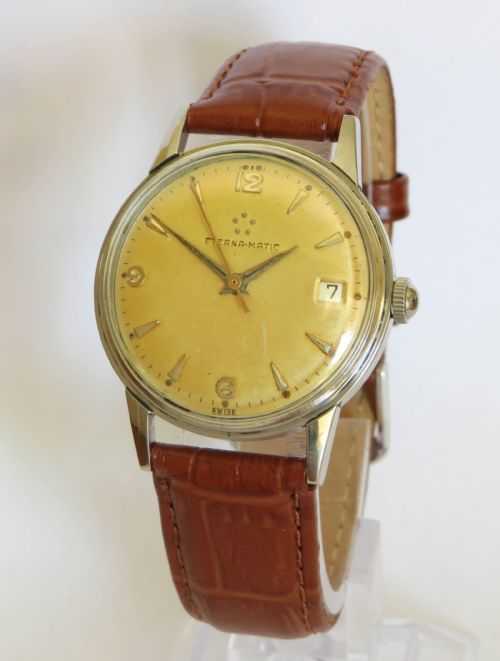
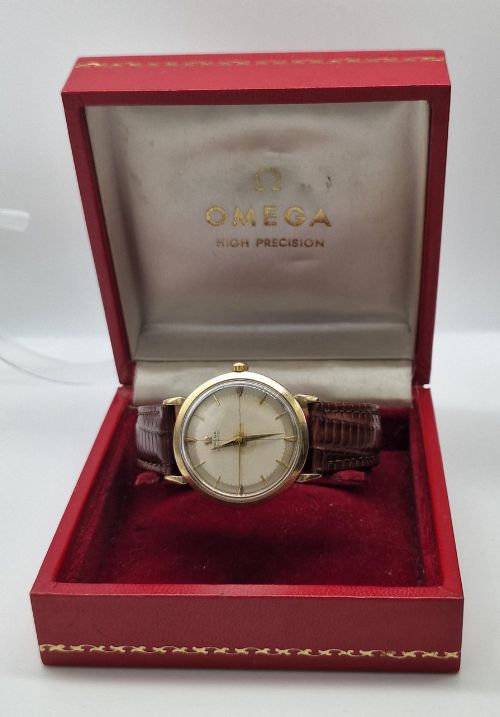
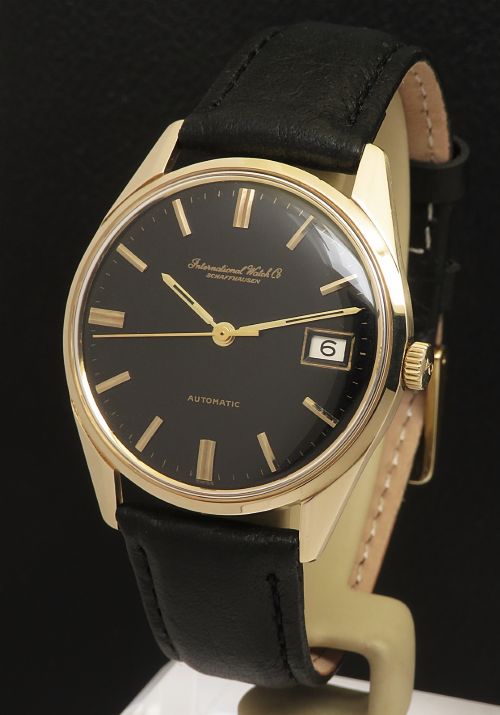
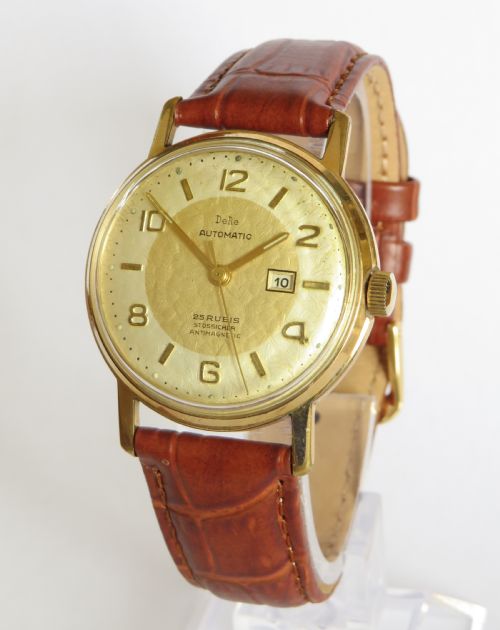
Vintage Swiss Automatic Watch
A vintage swiss automatic watch brings mechanical self-winding movement from the mid-century directly to the wrist.
Vintage Swiss Automatic Watch
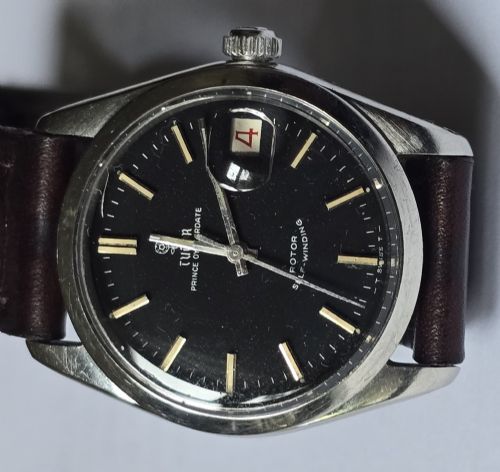
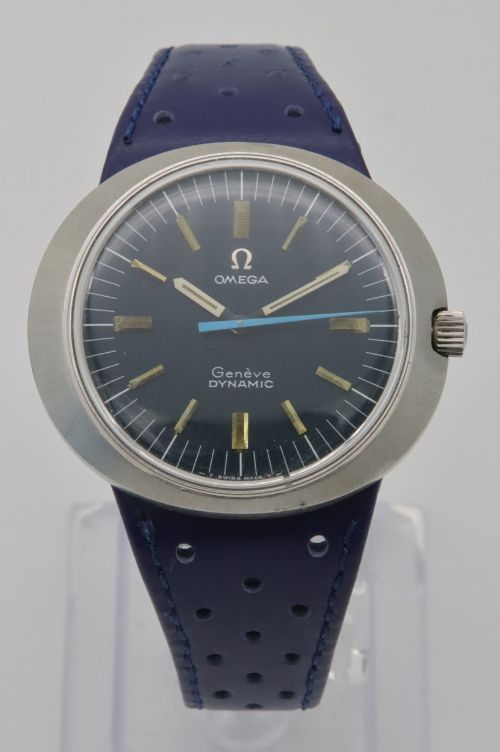
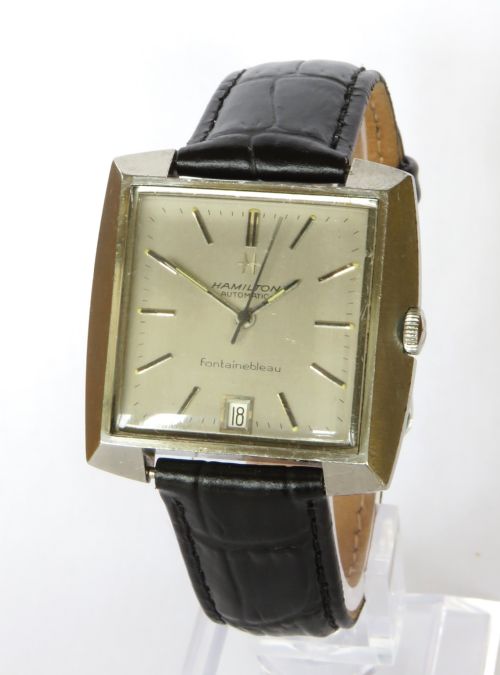
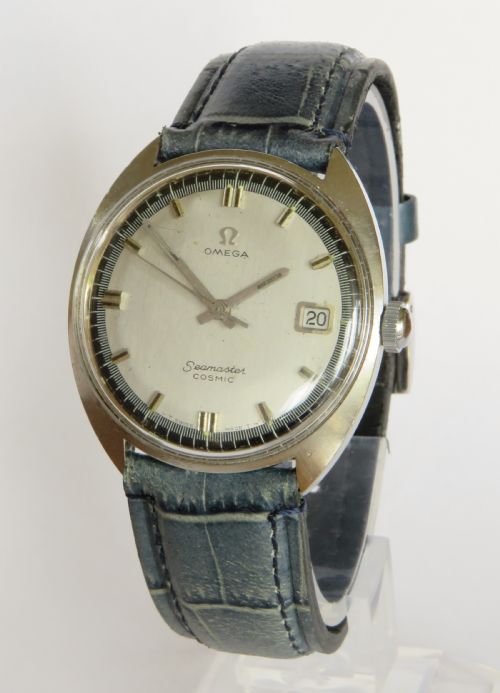
A vintage swiss automatic watch comprises wristwatches and wrist watches originating from Swiss makers during the mid-century decades. These timepieces rely on the movement of the wearer's arm to power the internal mechanism rather than manual winding.
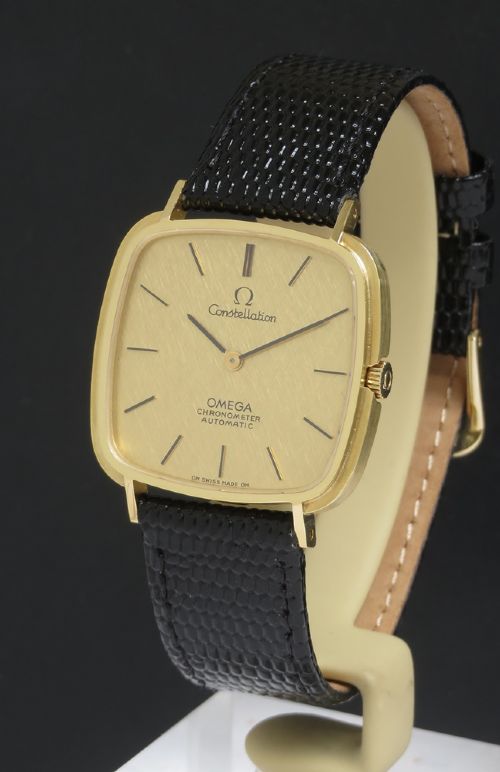
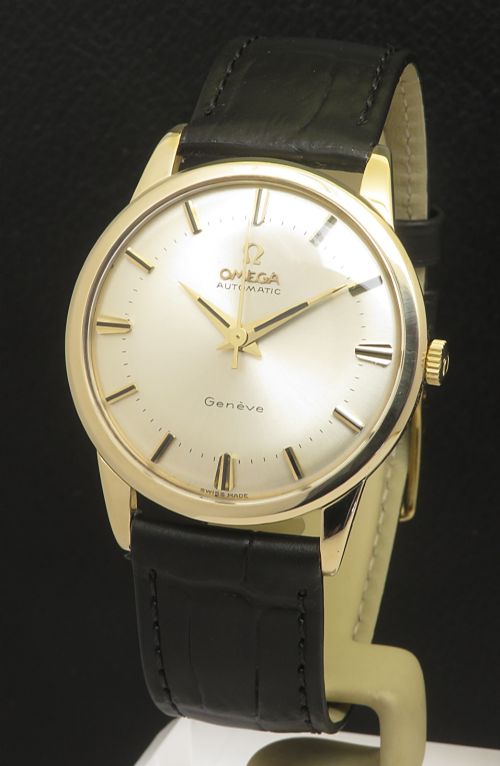
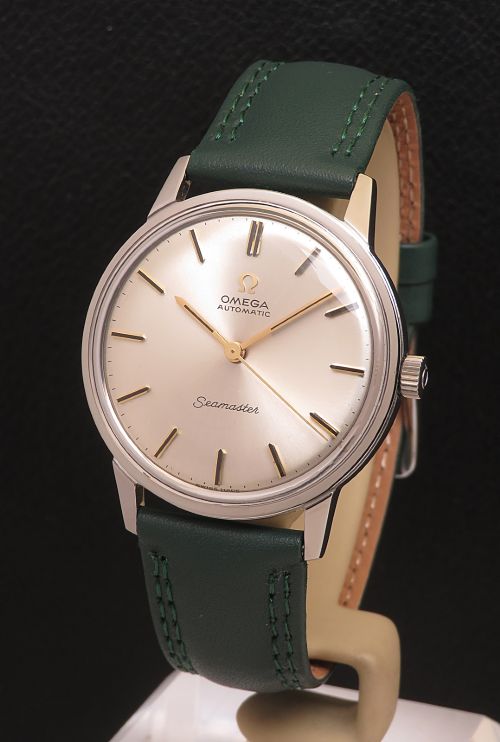
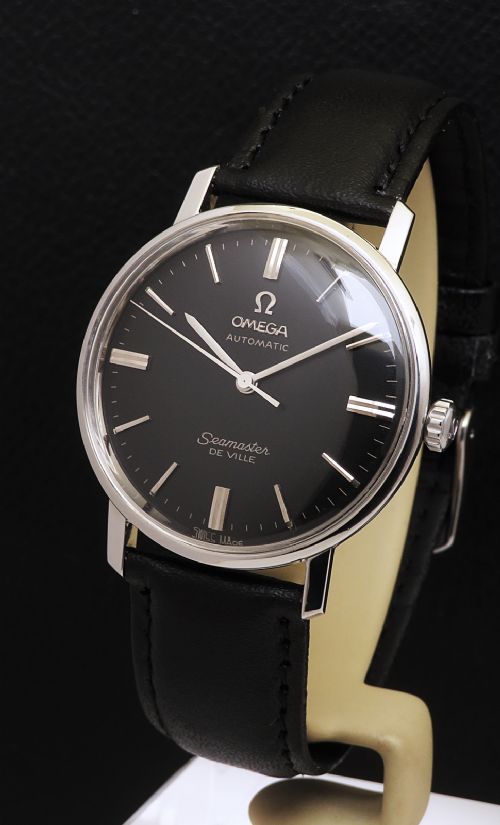
Most examples encountered on this page date from the 1950s and 1960s, reflecting the post-war expansion of Swiss horology. Forms range from simple dress watches to robust chronometers and dive-styled pieces.
The aesthetic falls broadly into mid-century modern and retro styles, characterised by clean dials and polished cases. These vintage swiss automatic watch designs capture a period when mechanical precision met minimalist wristwear fashion.
Materials and construction
Cases utilise stainless steel, gold plate, and solid 9ct or 18ct gold to house the delicate movements. Crystals are formed from acrylic glass or standard glass, protecting the dial while maintaining the vintage profile.
Vintage Swiss Automatic Watch Retail Price Guide 2026
Typical asking prices for vintage swiss automatic watch among the pieces listed under this phrase on Sellingantiques today, from the lower quarter to the upper quarter. They describe what is for sale here now, not the wider market.
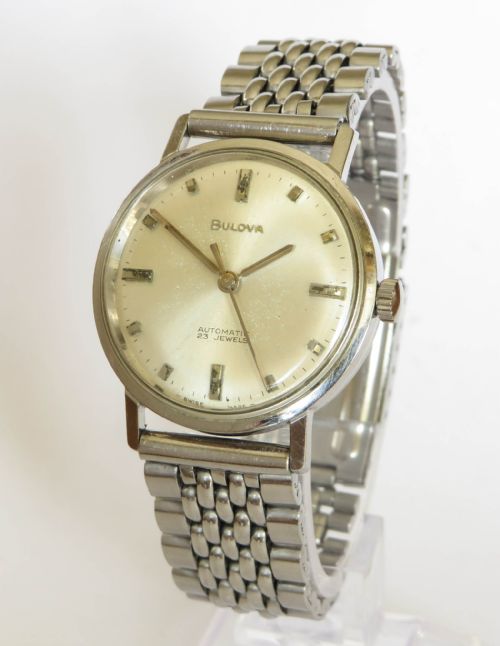
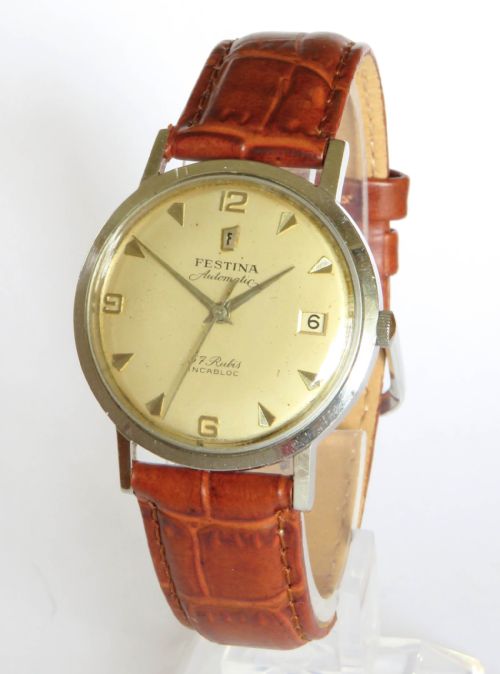
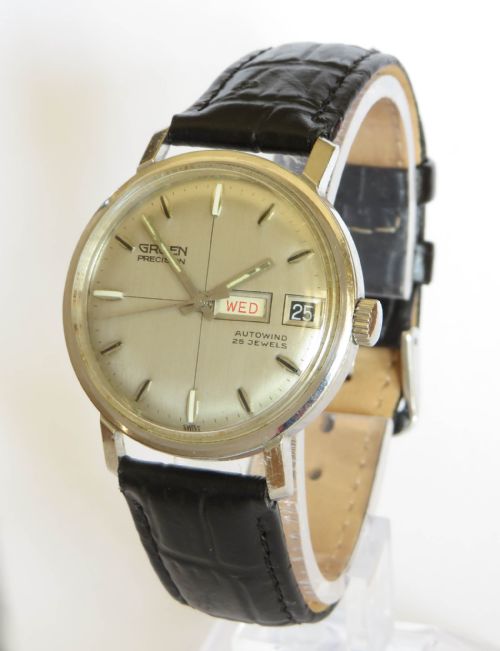
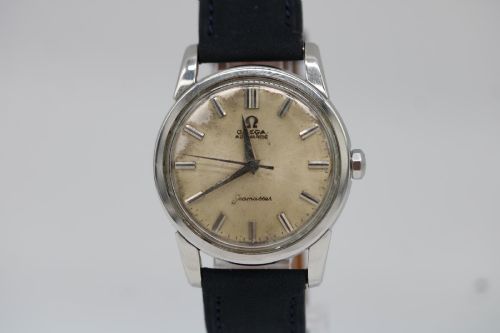
The listings span the 1940s, 1950s, and 1960s, featuring materials from stainless steel to solid 18ct gold.
Distinctions in quality
The calibre of the internal movement sets high-grade examples apart from standard production pieces, particularly chronometer-certified mechanisms designed for high accuracy. Solid gold cases and heavy construction generally signify higher original manufacturing tiers compared to gold-plated alternatives.
Originality of components, including dials, hands, and signed crowns, heavily influences the standing of a piece within horological collecting. Documentation such as original boxes and papers further distinguishes superior survivals from loose watches.
Omega·Tudor·Hamilton·Bulova·Festina·Gruen·Eterna Matic·IWC·DeRe·Bucherer·Avia·Primula·Tissot·Wittnauer·Baume Bimatic·Prisma·Longines
The Vintage Swiss Automatic Watch Glossary
- Automatic
- A self-winding mechanical movement that uses a weighted rotor to wind the mainspring during wear. This system removes the need for daily manual winding.
- Bumper automatic
- An early self-winding mechanism where the oscillating weight swings back and forth against internal springs rather than rotating fully. Collectors prize this mechanical predecessor for its distinct physical feedback on the wrist.
- Chronometer
- A precision watch that has passed rigorous accuracy tests conducted by an official Swiss testing institute. These movements represent the upper tier of mechanical reliability.
- Calibre
- The specific internal model designation given by the manufacturer to a watch movement. Knowing the calibre helps identify the exact mechanics powering the timepiece.
- Honeycomb dial
- A textured dial face featuring a grid pattern resembling a honeycomb. This decorative treatment adds visual depth to mid-century watch faces.
Vintage Swiss Automatic Watch: Frequently Asked Questions
How do I wind a vintage swiss automatic watch?
These watches wind themselves through the natural motion of your arm while worn throughout the day.
If the piece has stopped entirely, give the crown a few gentle manual turns to jump-start the internal mechanism before wearing it.
Are these vintage watches waterproof?
Original water resistance seals degrade significantly over decades and can no longer be relied upon.
Keep these vintage pieces away from water, swimming, and heavy rain to protect the dial and movement from moisture damage.
What is a bumper movement?
A bumper movement is an early self-winding design where the weighted rotor swings partway across the movement and bounces off springs.
You can often feel a slight tap or thud on your wrist as the internal weight moves back and forth.
How do I tell a 1950s watch from a 1960s watch?
Decade differences often show in case shapes, dial fonts, and the specific mechanical calibres used inside.
Fifties pieces frequently employ bumper automatics and more rounded lugs, while sixties models lean toward cleaner mid-century modern geometry and full rotor systems.