

Vintage Style Armchairs
Vintage style armchairs bring together period forms and heavy woodwork, offering solid seating built to anchor a room.
Vintage Style Armchairs
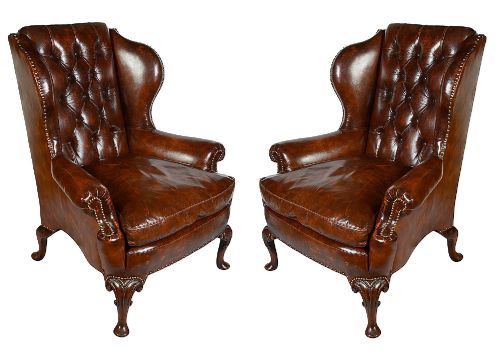
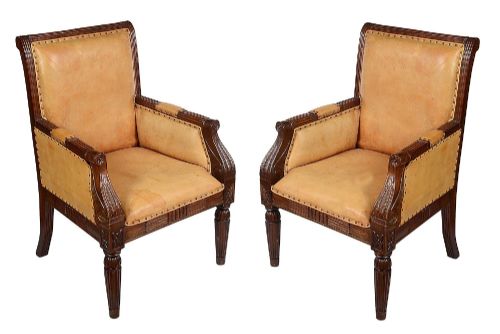
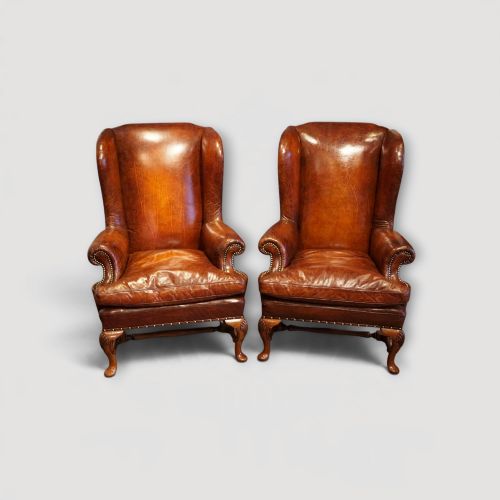
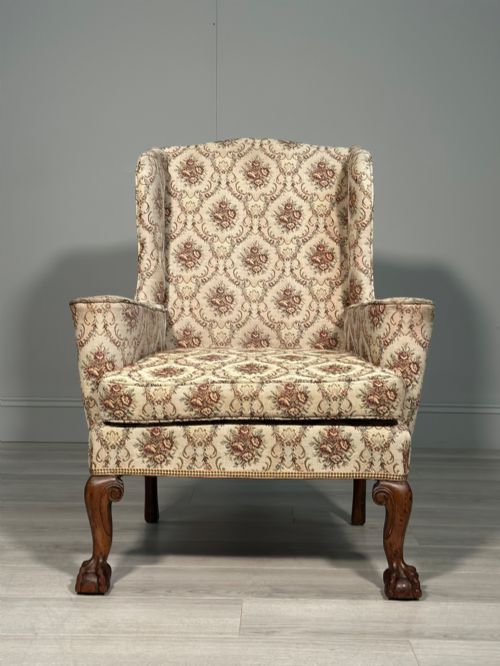
When someone searches for vintage style armchairs, they encounter a range of seating that spans the nineteenth and early twentieth centuries, drawing on earlier design traditions. The selection includes heavy library chairs, wingback models upholstered in leather or fabric, and salon seating reflecting revival styles.
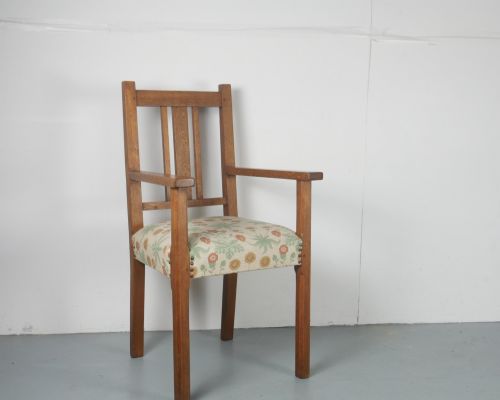
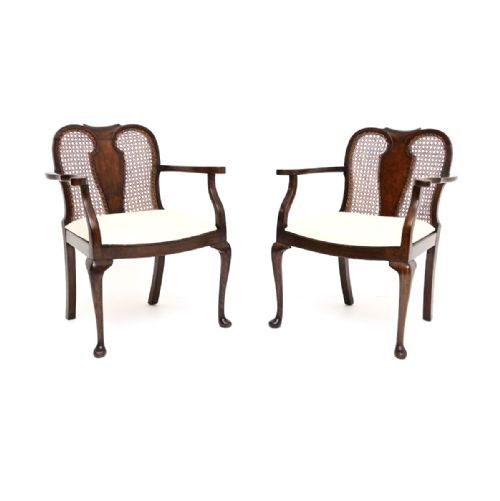
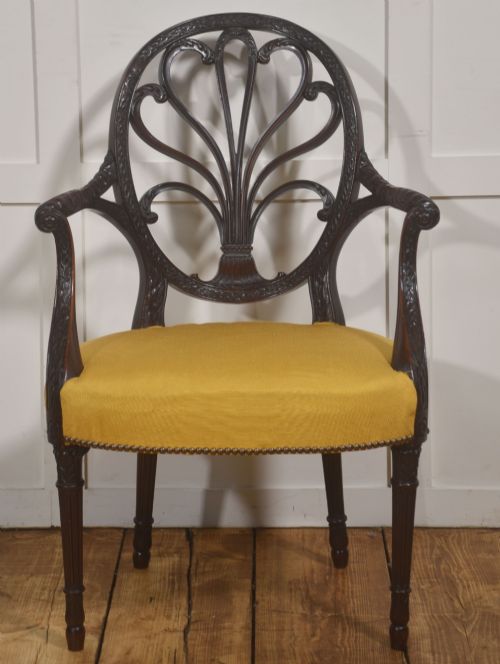
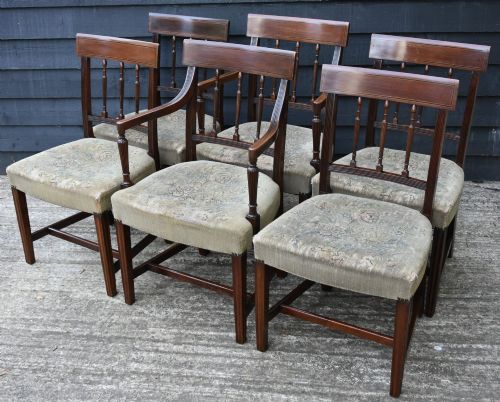
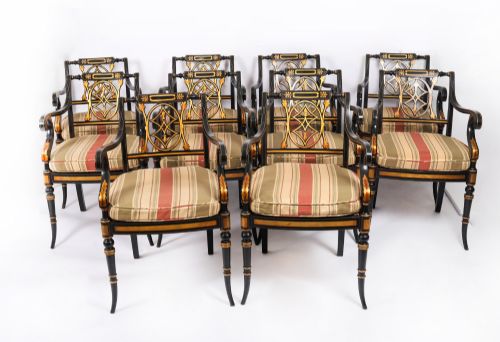
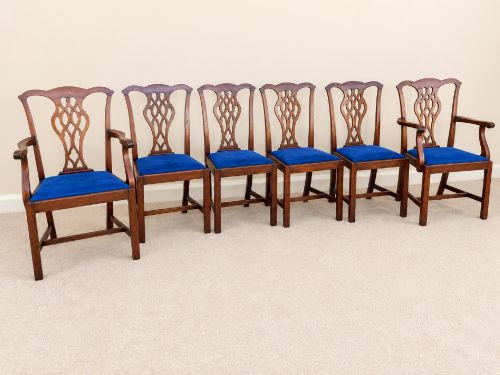
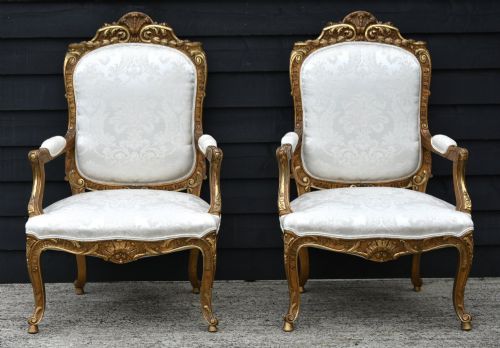
Most examples found on this page lean towards revival designs, notably Georgian and Regency styles executed in mahogany and walnut. Alongside these sit Arts and Crafts oak frames, Edwardian cane back chairs, and French salon pieces.
Forms vary from sturdy reclining armchairs and office desk chairs to delicate bedroom and salon chairs. The origin of these pieces stretches across English country workshops, French provincial makers, and larger commercial makers of the early twentieth century.
How they were made
Makers relied primarily on native and imported hardwoods like mahogany, walnut, oak, and teak for the structural frames. Joinery typically involved traditional mortise and tenon methods, complemented by turned legs and carved details.
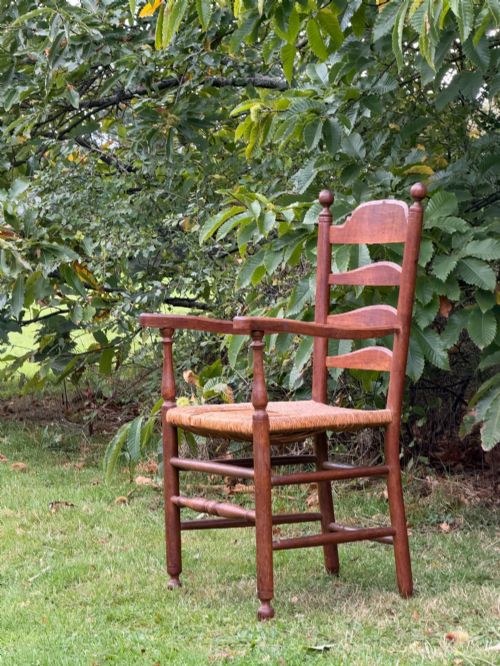
Upholstery materials range from heavy leather and patterned fabric to velvet, rush, and cane panels. Brass hardware, button tufting, and gilt finishes appear on specific revival pieces to emulate earlier luxury standards.
Vintage Style Armchairs Retail Price Guide 2026
Typical asking prices for vintage style armchairs among the pieces listed under this phrase on Sellingantiques today, from the lower quarter to the upper quarter. They describe what is for sale here now, not the wider market.
Periods represented span from eighteenth-century pieces up to mid-century French club armchairs.
What varies in quality
The distinction between ordinary and superior pieces rests on the crispness of the timber carving and the integrity of the frame construction. Heavier woods like mahogany and walnut generally indicate more substantial framing than softer pine alternatives.
Quality also shows in the retention of original materials, such as aged leather, cane work, and hand-turned wooden components. Workshop attribution, as seen in pieces stamped by notable firms, elevates a chair above anonymous commercial production.
Hille·Philip Webb·Whytock and Reid
The Vintage Style Armchairs Glossary
- Wingback chair
- An upholstered armchair with side panels designed to shield the occupant from drafts and retain heat from a fireplace. The wings extend from the arm rests up to the back of the chair.
- Splati
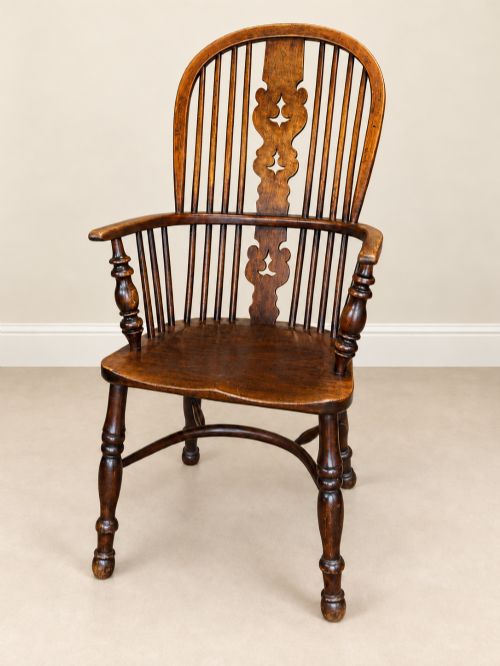
- The vertical central strip of wood in the back of a chair. Pierced splats often characterise Regency and Chippendale revival dining chairs.
- Library chair
- A sturdy armchair designed for reading rooms, frequently upholstered in leather and constructed from mahogany or walnut. These pieces often feature wide arm rests and substantial frames.
- Cane back
- A chair back woven from split rattan cane panels. This technique lightens the visual weight of heavy wood frames, particularly in Edwardian and salon seating.
Vintage Style Armchairs: Frequently Asked Questions
How do I identify a revival style armchair?
Revival chairs copy the proportions and decorative motifs of earlier eras like the Georgian or Regency periods. Look at the timber choice and carving style to determine if a piece dates to the original era or a later revival.
Makers working in the nineteenth and twentieth centuries adopted these older designs to satisfy demand for traditional furniture. Examining the underside and construction joints helps clarify the actual age of the frame.
What is a Morris chair?
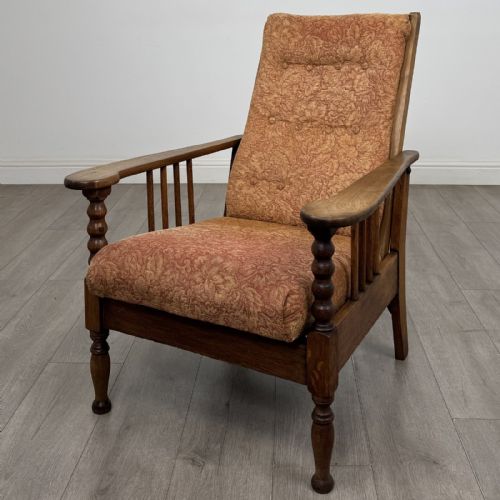
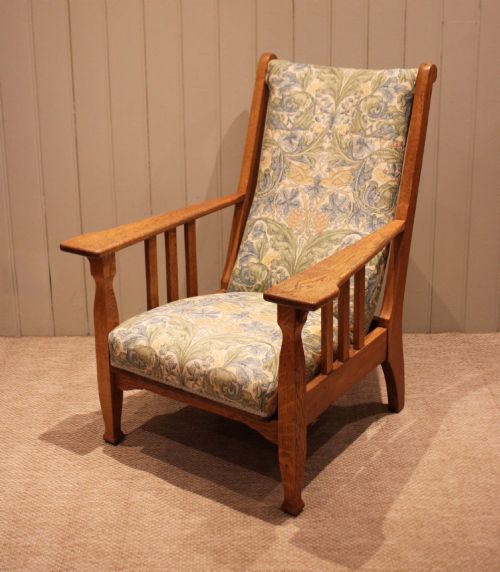
A Morris chair is an early form of reclining armchair featuring an adjustable back mechanism supported by a wooden rod. The design stems from the Arts and Crafts movement and prioritises functional comfort.
These chairs usually feature heavy oak frames and loose cushions upholstered in durable fabric or leather. They remain popular for study spaces and living rooms needing solid, utilitarian seating.
Where should I place a salon armchair?
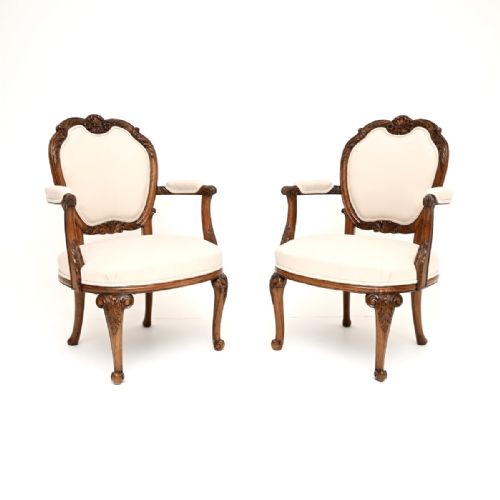
Salon armchairs suit bedrooms, dressing rooms, or quieter corners of a living room where heavy seating feels too dominant. Their lighter frames and delicate cane or upholstered backs make them easy to move.
Because these chairs often feature exposed walnut or gilt wood, keep them away from direct sunlight to protect the finish. Pair them with a small reading table or use them as occasional seating.
How do I care for leather upholstery?
Leather upholstery on vintage armchairs benefits from occasional treatment with appropriate conditioning balms to prevent drying and cracking. Avoid placing leather furniture near direct heat sources or radiators.
Dust the surface regularly with a soft cloth and address spills immediately with a dry sponge. Preserving the patina maintains the character of older leather seats.