
Vintage Study Furniture
Vintage study furniture encompasses practical desks, bookcases and armchairs designed for workspaces across multiple centuries and stylistic traditions.
Vintage Study Furniture
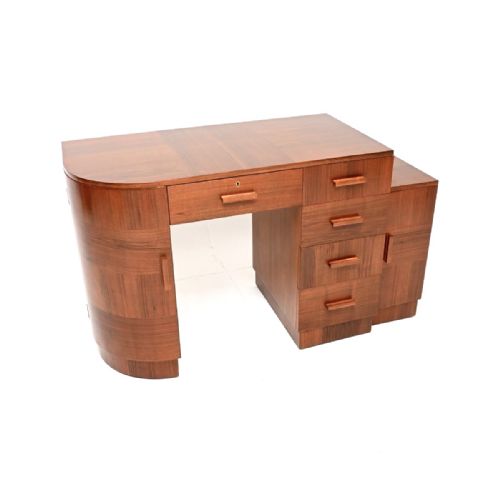
Vintage study furniture brings together desks, writing tables, bookcases, bureaus and armchairs intended for home offices and libraries. The selection spans distinct periods from the nineteenth century through the Art Deco era and the Edwardian years.
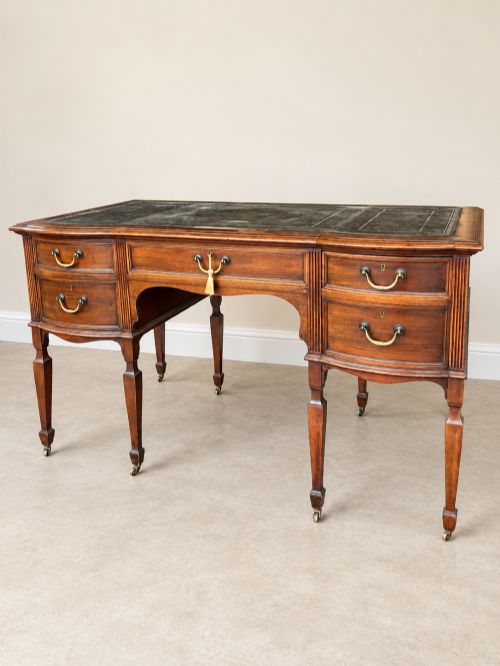
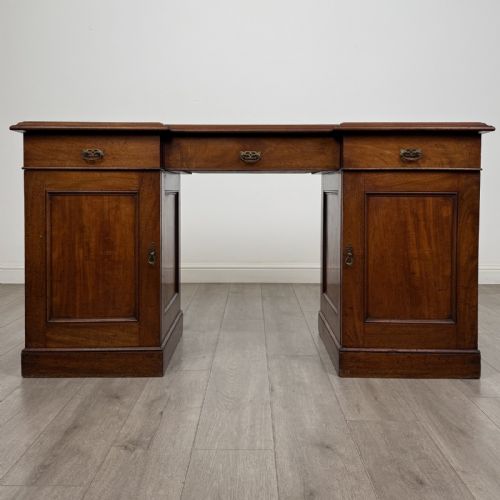
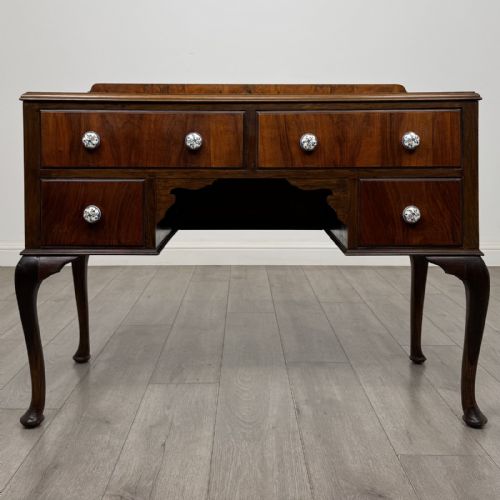
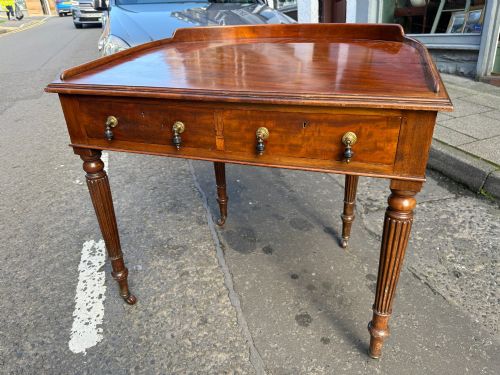
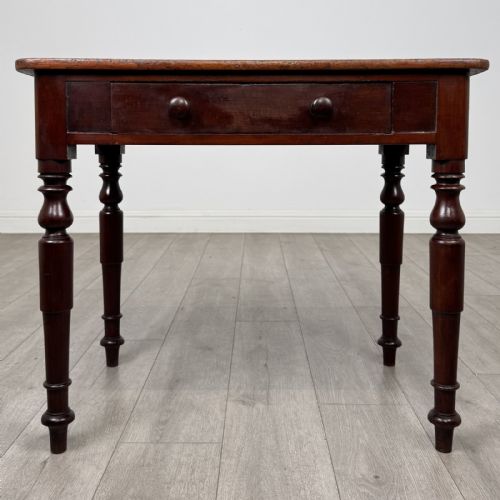
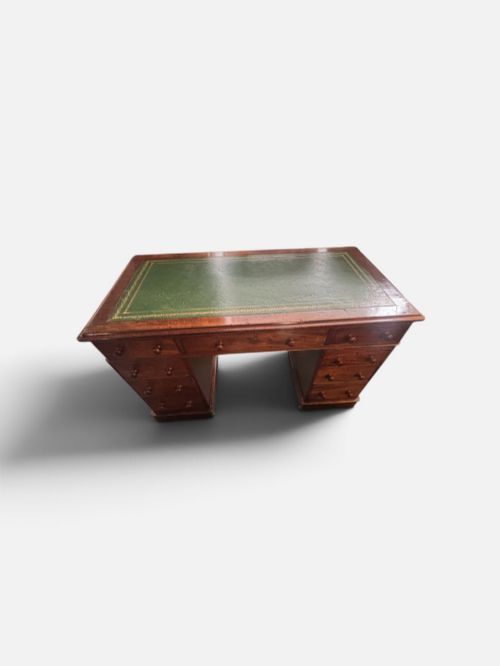
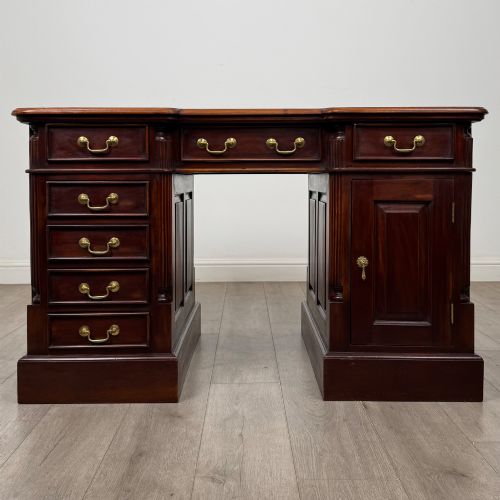
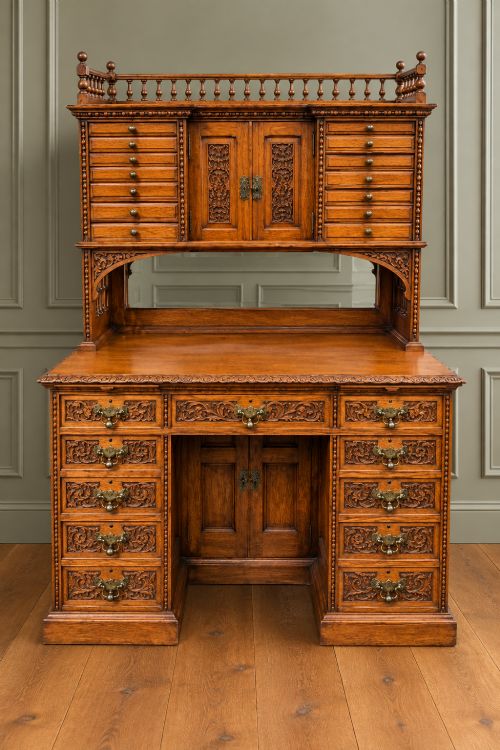
Pedestal desks and writing tables form the core of what appears in daily browsing. Buyers encounter mahogany and oak forms alongside burr walnut pieces carrying maker labels or distinct stylistic influences.
Secondary items such as revolving bookcases and library chairs complement the primary writing surfaces. These pieces draw upon Georgian revival, Arts and Crafts and Queen Anne styles to furnish functional domestic studies.
Materials and construction methods
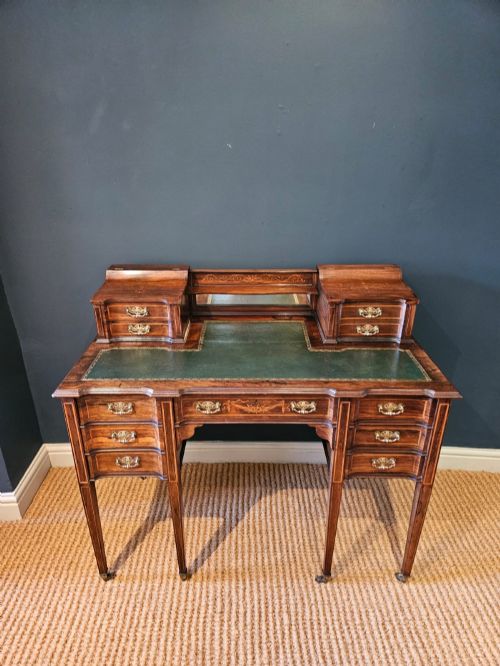
Cabinetmakers utilised dense hardwoods including mahogany, oak, walnut and burr walnut for structural durability. Inlays of satinwood and decorative paint finishes often enhanced the primary timber surfaces.
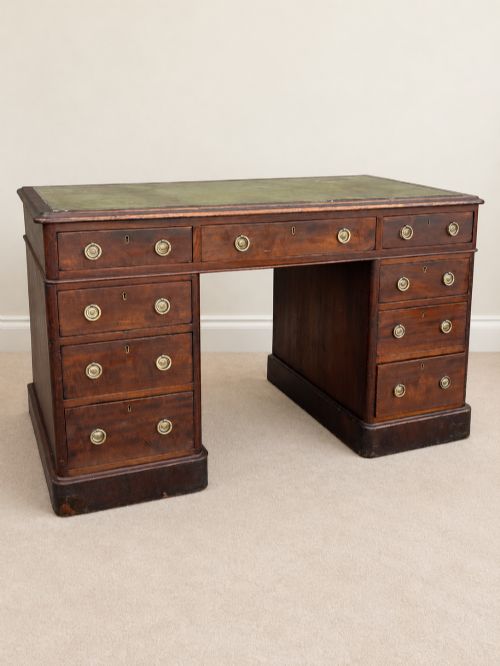
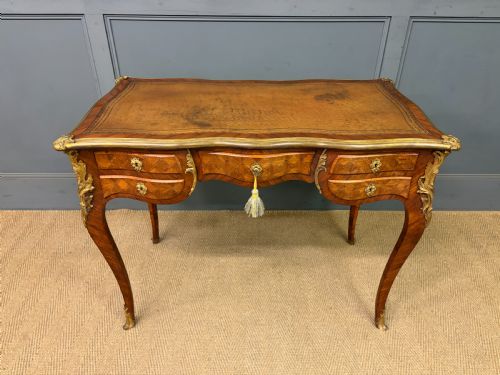
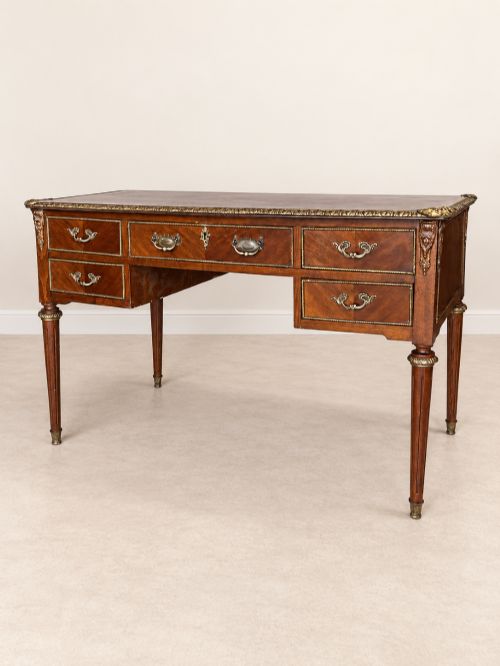
Leather inserts frequently topped writing desks, providing a durable surface for daily correspondence. Brass handles, ormolu mounts and occasional parquetry details completed the construction of higher-grade items.
Materials recorded across the inventory include solid mahogany, oak, walnut, burr walnut, birch and painted finishes.
Distinctions in craftsmanship
Quality rests in the selection of timber veneers and the precision of drawer joinery. Burr walnut and flame mahogany surfaces display careful grain matching that separates superior pieces from standard utility items.
Maker attribution elevates certain desks and bookcases above anonymous workshop production. Labelled pieces from established firms demonstrate superior interior framing and refined hardware selection.
Trollope and sons·James Mein of Kelso·Heals of London·Maple and Co·Wylie and Lochhead Glasgow·Whytock and Reid of Edinburgh·Bryn Mawr Welsh Oak
The Vintage Study Furniture Glossary
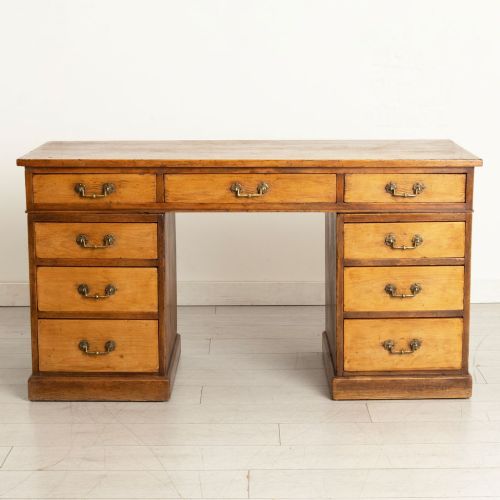
- Pedestal desk
- A freestanding desk comprising two independent pedestals of drawers supporting a single top. This form provides substantial storage beneath the writing surface.
- Bureau
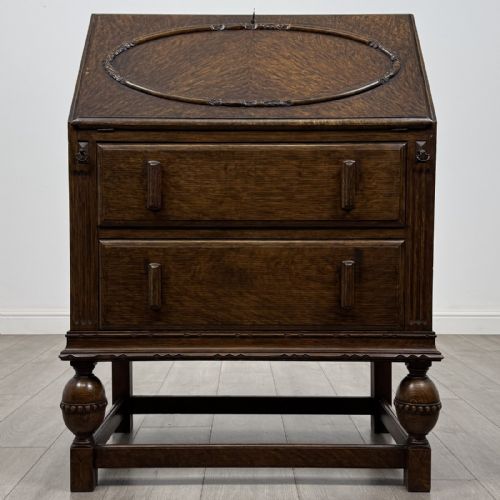
- A writing cabinet featuring a sloping lid that folds down to reveal a fitted interior of small drawers and pigeonholes. These items combine vertical storage with a compact writing desk.
- Partners desk
- A large double-sided desk designed for two people to sit opposite one another. Drawers and cupboards are duplicated on both long sides.
- Kneehole desk
- A compact desk with a central recessed space for the legs enclosed by pedestals on either side. It offers a tidy footprint for smaller rooms.
- Ormolu
- Gilded bronze ornamentation applied to furniture mounts and details. This decorative metalwork appears on French-influenced pieces.
Vintage Study Furniture: Frequently Asked Questions
What defines a partners desk?
A partners desk is built to be used from both sides simultaneously, featuring matching sets of drawers and cupboards facing outward in opposite directions.
These large writing tables originated in offices and libraries where two individuals needed workspace and storage within a single shared piece.
How do I identify an Edwardian desk?
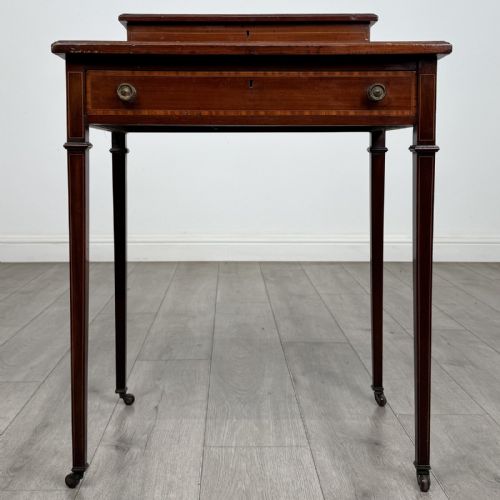
Edwardian desks date from the opening decades of the twentieth century and frequently incorporate lighter satinwood inlays into mahogany or oak structures.
These items often reflect revival styles such as Sheraton or Georgian influences while maintaining proportions suited to domestic rooms.
Where were bureau writing desks placed?
Bureaus were positioned in reception rooms and bedrooms for managing correspondence and household accounts before dedicated home offices existed.
The sloping fall-front lid concealed papers and stationery when closed, keeping domestic writing materials neatly out of sight.
What is burr walnut?
Burr walnut is a timber veneer sliced from the gnarled growth on walnut trees, yielding an intricate, swirling grain pattern.
Cabinetmakers applied these highly decorative veneers to the exterior surfaces of high-status desks and cabinets.