
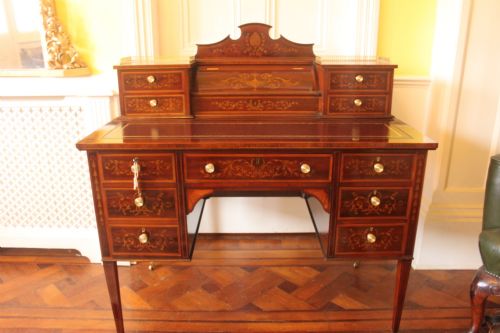
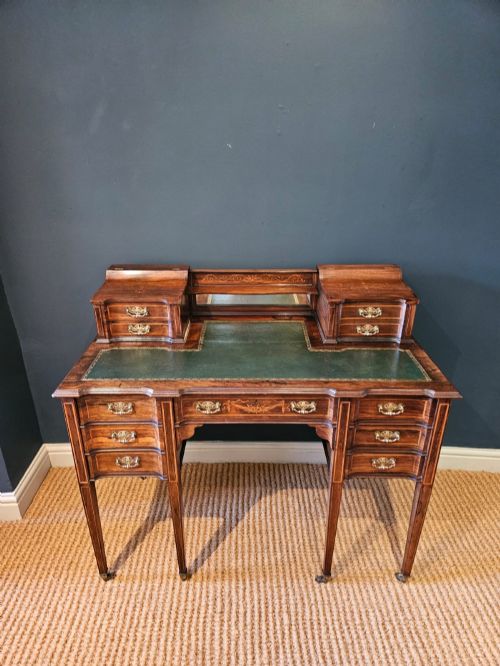
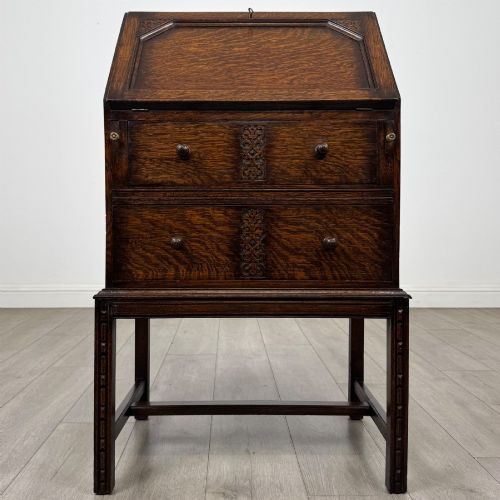
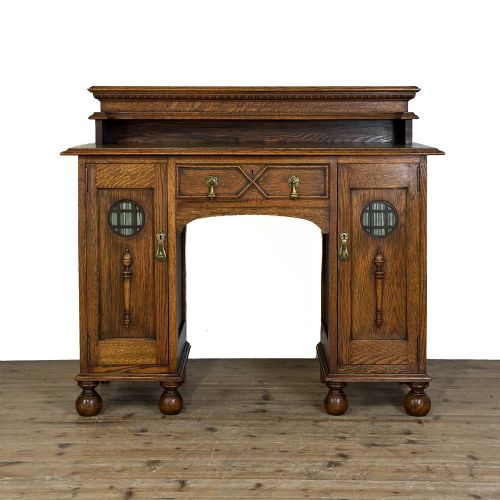
Vintage Study Bureau
A vintage study bureau offers a dedicated workspace grounded in period craftsmanship, bringing timber character and practical pigeonholes directly to your home office.
Vintage Study Bureau
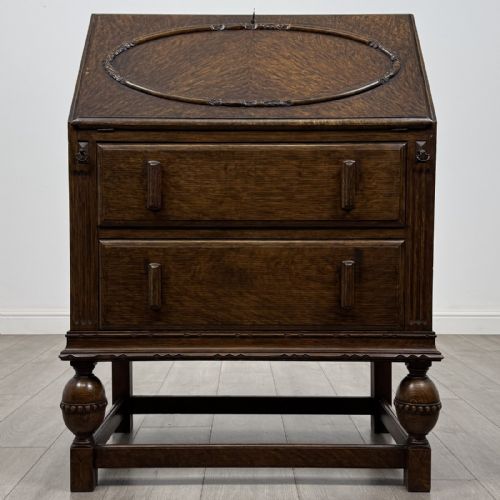
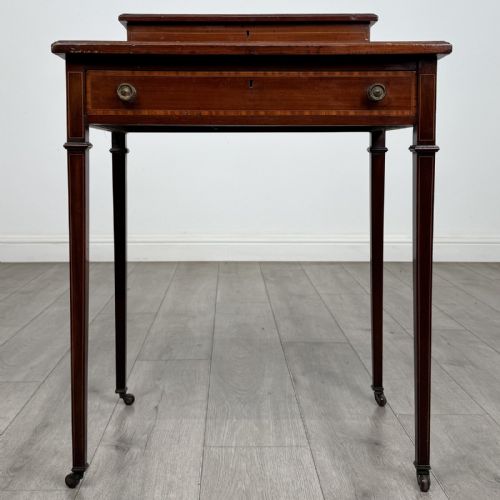
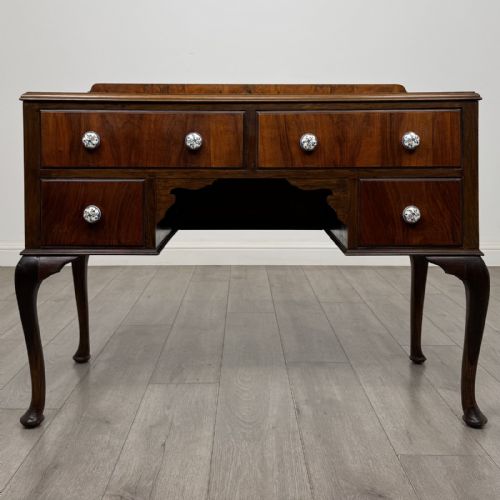
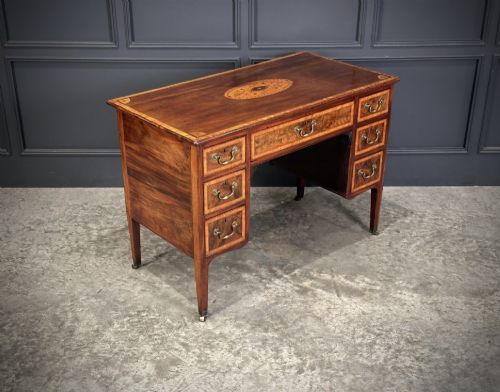
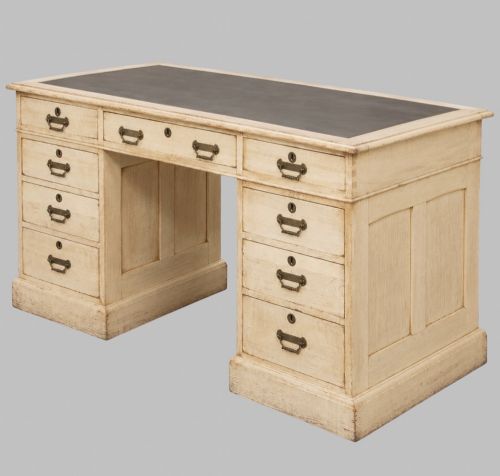
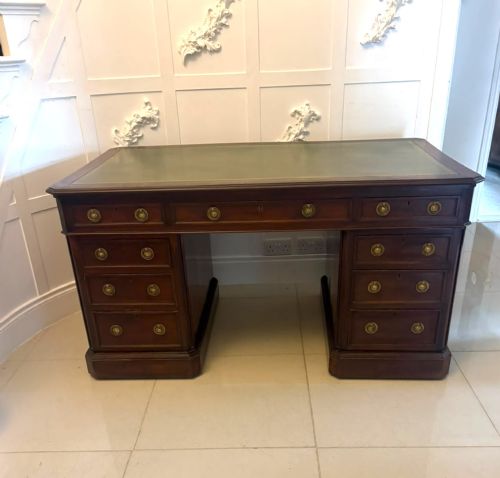
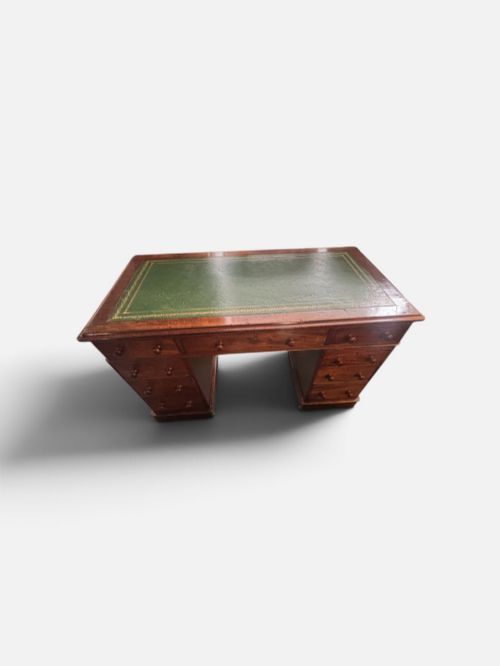
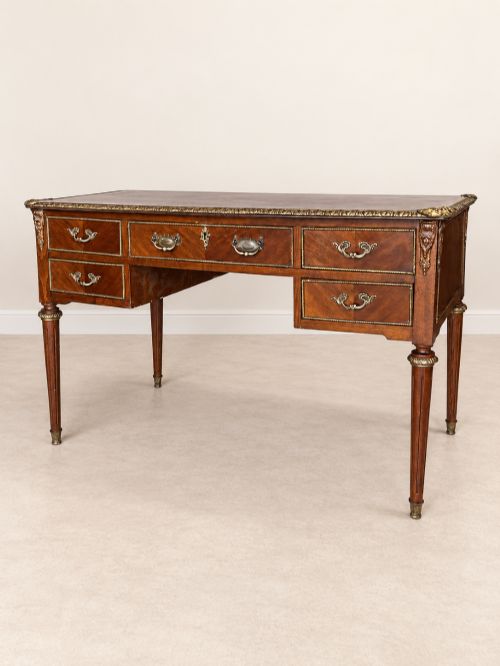
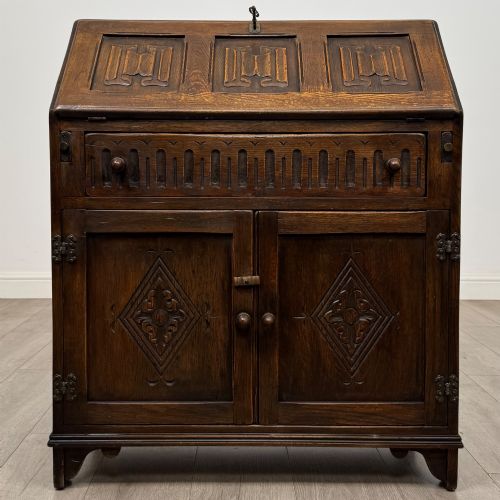
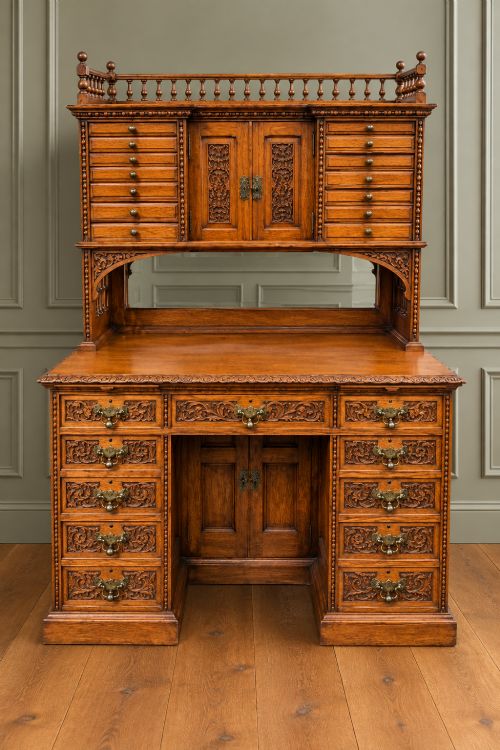
A vintage study bureau brings together compact writing furniture from the Victorian, Edwardian, and Art Deco periods, ranging from drop-front writing cabinets to large kneehole desks. These pieces serve as functional workstations that conceal paperwork behind fitted wooden flaps or organise documents within multiple pedestal drawers.
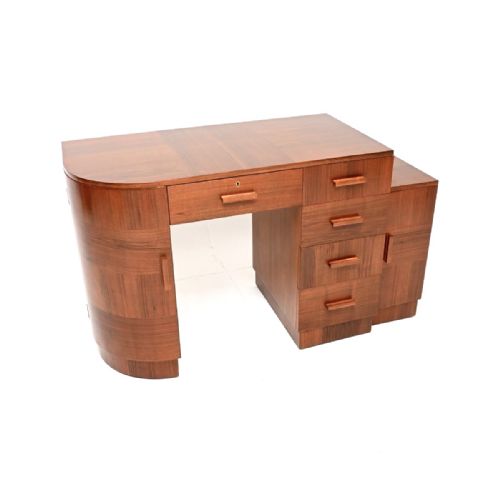
Buyers browsing this selection encounter numerous oak, mahogany, and walnut forms dating from the nineteenth and early twentieth centuries. The selection includes architectural roll-top desks, refined writing tables, and distinctive inlaid Edwardian examples alongside striking Art Deco designs.
Makers and workshops from London, Glasgow, and France contributed significantly to this heritage, producing labeled pieces alongside unmarked vernacular furniture. Selecting the right piece involves matching the timber tone and drawer configuration to the proportions of a modern room.
Factors that separate quality
Quality rests upon the selection of timber figures, where matched burr walnut or figured mahogany displays superior grain depth across large expanses. The crispness of carved oak details and precision in crossbanding elevate individual pieces above standard production work.
Internal complexity dictates distinction, with fitted pigeonholes, secret compartments, and original leather writing surfaces demonstrating superior workshop output. Maker signatures, stamps, or paper labels from established cabinetmakers provide documented provenance.
Listings feature timbers including oak, mahogany, walnut, burr walnut, satinwood, and brass hardware across Victorian to Art Deco styles.
James Mein of Kelso·Heals of London·Maple and Co·Wylie and Lochhead Glasgow·Ch Jeanselme and Co
The Vintage Study Bureau Glossary
- Bureau
- A desk featuring a sloping hinged lid that opens to form a writing surface above pigeonholes and small drawers.
- Kneehole desk
- A pedestal desk featuring a central recess for the sitter's legs, flanked by banks of drawers.
- Cylinder desk
- A writing desk characterised by a quarter-cylinder shaped wooden shutter that rolls back to reveal the writing surface.
- Pedestal desk
- A heavy freestanding desk supported by two vertical columns of drawers with a central opening.
- Ormolu
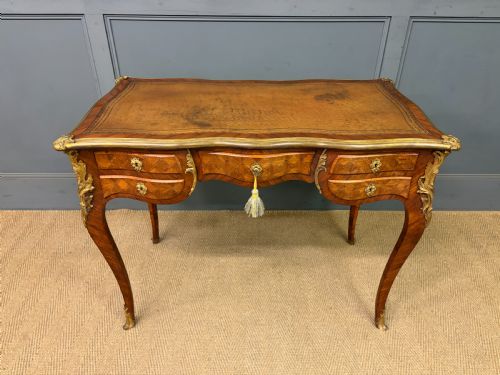
- Gilded bronze ornamentation applied to furniture, frequently seen on nineteenth-century French revival writing desks.
Vintage Study Bureau: Frequently Asked Questions
How do I clean a leather desk insert?
Wipe the leather gently with a damp cloth using mild soap, avoiding excess moisture on the surrounding wood.
Condition the surface periodically with specialised leather cream to maintain flexibility and prevent cracking.
How do I identify an Edwardian desk?
Edwardian desks often feature lighter satinwood inlay combined with mahogany or oak timbers, reflecting lighter nineteenth-century aesthetics.
Construction from this era typically dates between eighteen-hundred-and-nineties and nineteen-hundred-and-tens.
Can I use a vintage bureau for modern laptops?
Many bureaus accommodate laptops within their enclosed writing compartments when open, provided the depth matches modern dimensions.
Measure the internal writing surface before purchase to ensure adequate clearance for modern equipment.