
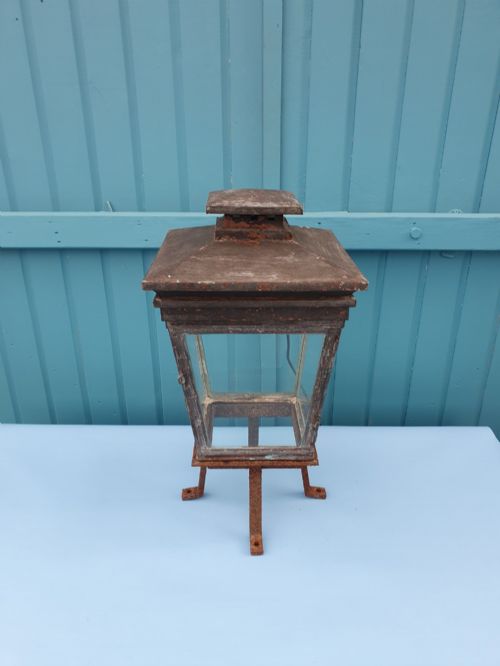


Vintage Street Lighting
Vintage street lighting brings heavy-duty civic presence to domestic grounds through repurposed copper and cast iron lanterns.
Vintage Street Lighting
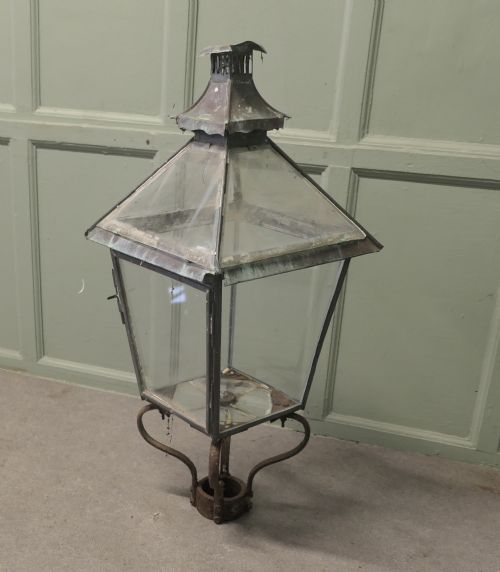
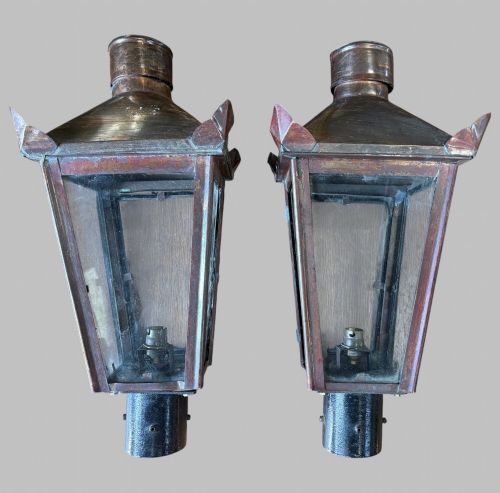
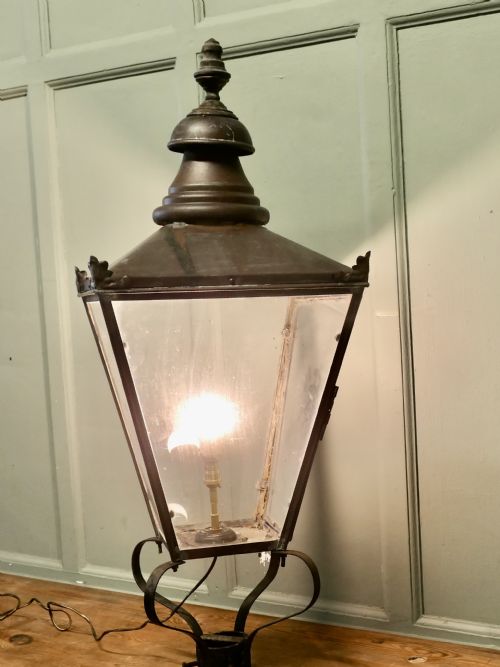
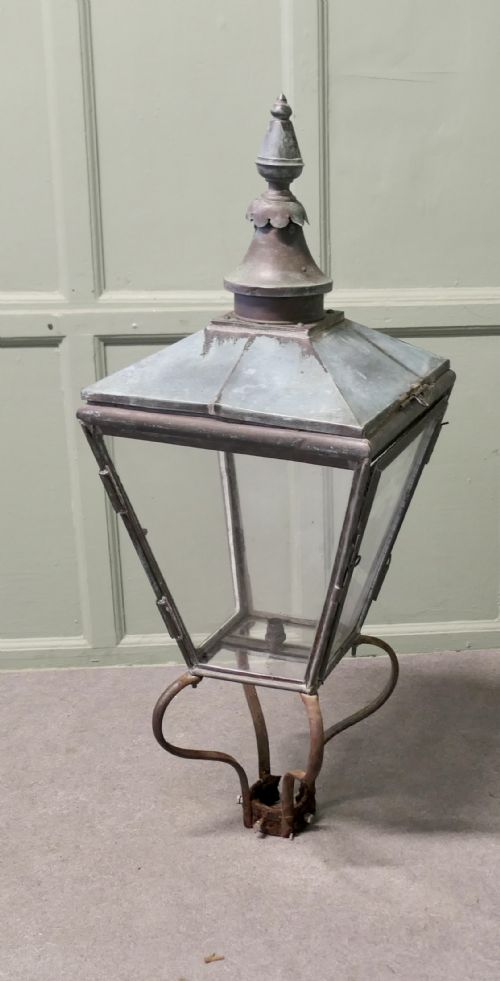
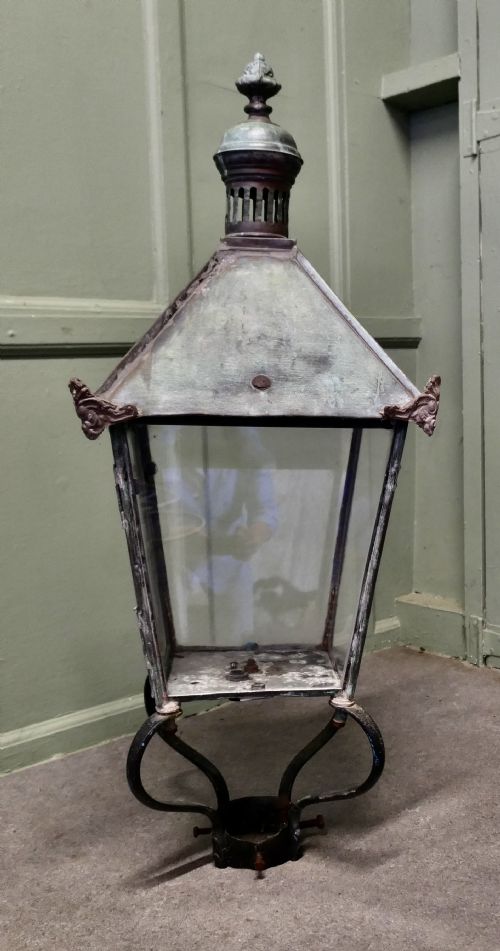
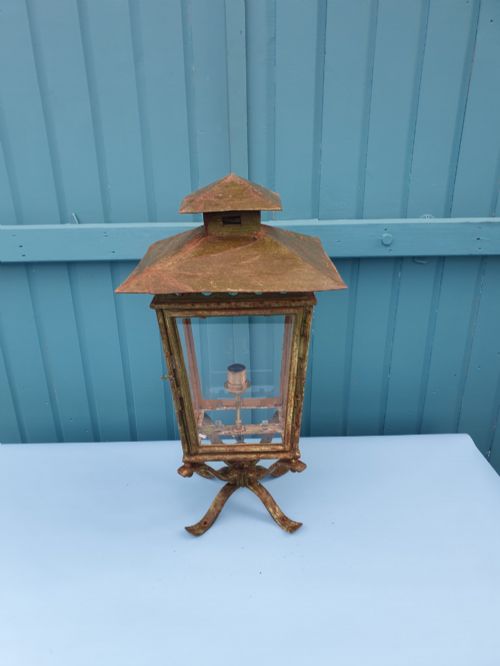
Vintage street lighting comprises heavy outdoor lanterns, post lights, and wall brackets originating from the Victorian era through the mid-twentieth century. When searching for vintage street lighting, buyers encounter large copper and painted metal fixtures that once stood on city streets or gateposts.
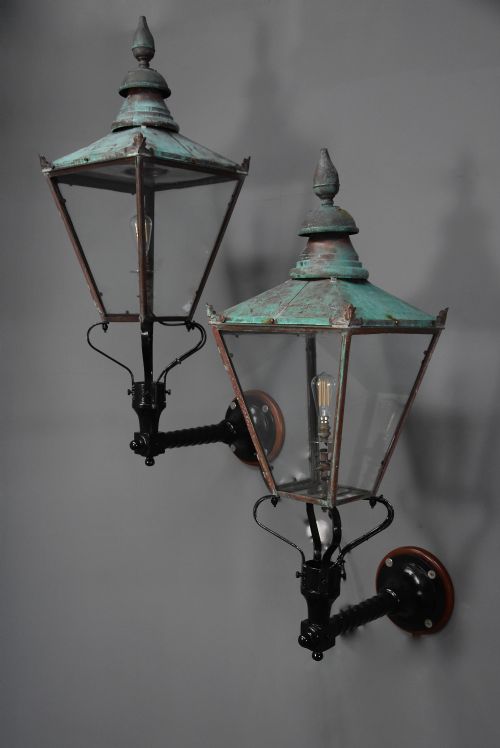
The selections span distinct periods including Victorian, Edwardian, and the 1930s, taking the form of wall-mounted lights, lamp posts, and pendant lanterns. Many pieces retain evidence of their early conversion from gas usage to electric illumination.
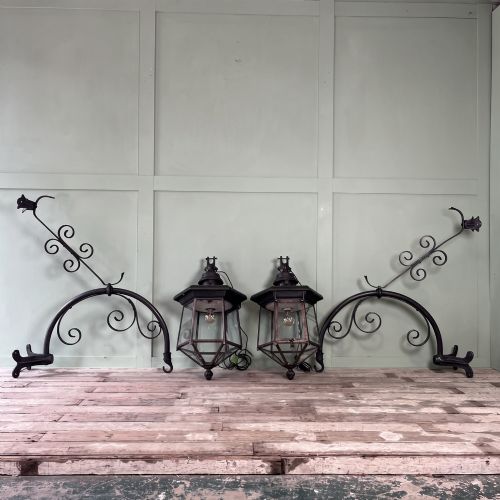
Most examples rely on robust copper construction paired with iron or cast iron brackets, reflecting the industrial demands of municipal lighting. Forms range from simple geometric glass-topped boxes to elaborate Windsor style lanterns with spiral twist supports.
How they were made
Makers constructed these lanterns using heavy gauge sheet copper soldered or riveted together to withstand harsh weather conditions. Iron and cast iron formed the structural brackets, lamp posts, and wall mounts needed to support the substantial weight of the metal and glass assemblies.
Glazing typically involved thick clear or textured glass panes held securely within metal frames by glazing bars or clips. Painted finishes in green, black, and gold were applied to protect the underlying metal and provide a uniform municipal appearance.
Several lanterns carry the ghost of their municipal past, retaining internal soot stains from the days before electricity took over the street corner.
What varies in quality
Quality in these lanterns rests upon the weight of the copper sheeting and the complexity of the original bracket work. Finer examples display sophisticated scrollwork, such as spiral twist wall brackets or substantial cast iron post bases.
The integrity of the original metal frame and the presence of makers' names or specific municipal designs elevate certain pieces. Simpler utility lights differ from decorative civic commissions through their decorative metalwork and overall scale.
REVO Leicester·A Foster & Pullen Bradford·Revo Tipton
The Vintage Street Lighting Glossary
- Post lantern
- A light fixture designed to be mounted directly onto the top of a pillar, gatepost, or dedicated lamp post. These units provide 360-degree illumination and require sturdy base mountings.
- Wall bracket
- A structural arm attached to a building facade that supports a projecting lantern. These iron or copper supports often feature decorative scrolls or functional bracing.
- Gas conversion
- The historical adaptation of a lighting fixture from gas supply pipes to modern electrical wiring. This process typically involves drilling the burner assembly to accept a modern bulb holder.
- Holophane
- A specialised type of prismatic glass used in industrial and street lighting to control and diffuse light distribution. These glass components reduce glare while maximising directional output.
Vintage Street Lighting: Frequently Asked Questions
How do I install an antique street lantern?
Most heavy lanterns require professional mounting to reinforced exterior walls or structural posts to safely bear their weight. Electricians will need to integrate modern wiring into the historic metal bodies.
Weatherproofing exterior connections remains essential since these fixtures were originally designed for open-air municipal environments.
Are these lights suitable for modern gardens?
These robust copper and iron fixtures scale well against large exterior walls, driveways, and garden gateposts. Their substantial dimensions make them ideal for architectural focal points.
Purchasers should measure clearance heights carefully, particularly when mounting large pendant lanterns or post-mounted fixtures near doorways.
How do I distinguish Victorian from 1930s lanterns?
Victorian and 19th-century pieces frequently feature hand-soldered copper construction with simpler geometric or tapered glass profiles. Later 1930s examples often incorporate industrial branding and more stylised bracket supports.
Examining the mounting hardware and construction methods helps clarify the manufacturing era of each individual piece.
What maintenance do copper street lights need?
Copper naturally develops a dark brown or green patina when exposed to outdoor elements over time. Many owners choose to let this weathering occur naturally without applying protective lacquers.
Glass panes require occasional cleaning and the structural iron brackets benefit from periodic inspection for surface rust.