





Cast Iron Lanterns
These cast iron lanterns bring robust industrial character and period presence to spaces, offering both enduring utility and distinct architectural form.
Cast Iron Lanterns
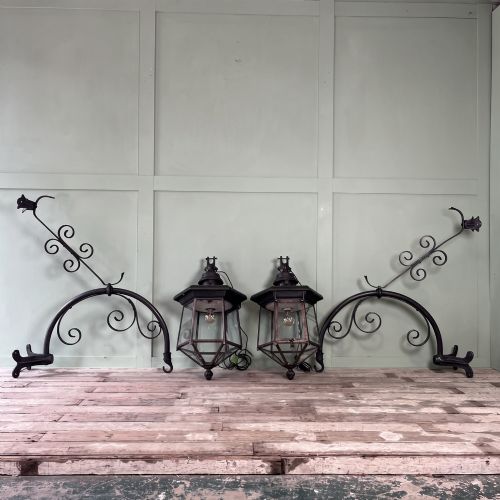
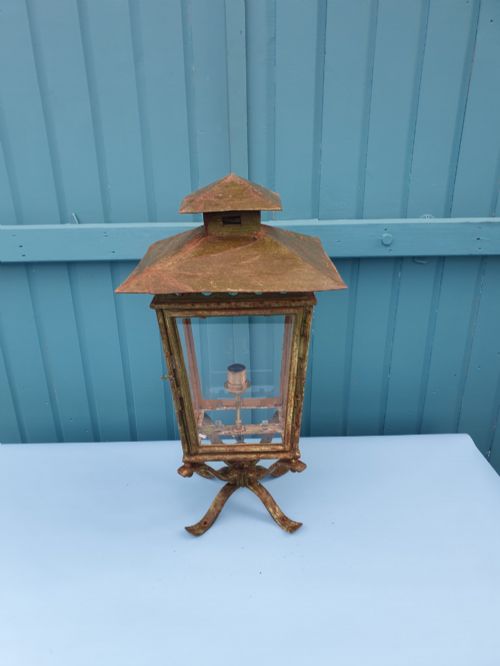
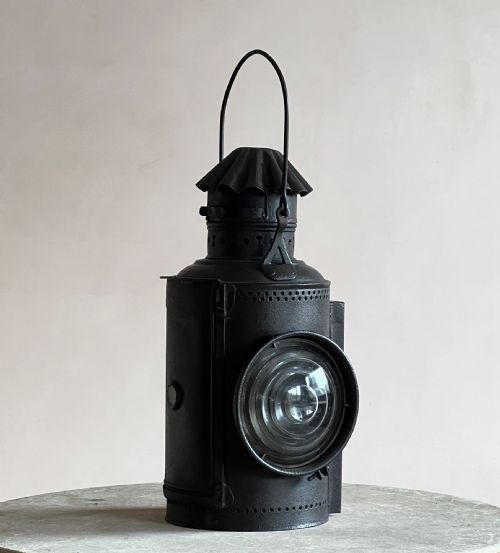
When you search for cast iron lanterns, you encounter sturdy illumination pieces that span several distinct eras of design and manufacturing. The examples gathered here include heavy wall lights, large hanging fixtures, and complete lamp posts originating from the Victorian period through to the mid-twentieth century.
Most items you meet on this page lean heavily into industrial, Gothic Revival, and Arts and Crafts styles, reflecting the utilitarian and decorative needs of their original settings. Alongside principal cast iron bodies, these fixtures frequently incorporate glass panels and supporting brackets fashioned from wrought iron, brass, or copper.
Forms vary considerably from domestic hall lanterns and carriage lamps to substantial street lighting and garden pieces. Certain items retain traces of their original function, such as conversions from gas or oil operation to modern electrical wiring.
How they were made
The primary structure relies upon durable metal foundries, utilising heavy cast iron for main frames, bases, and decorative brackets. Blacksmith made examples incorporate hand-hammered wrought iron details that show individual tool marks rather than uniform machine production.
Transparent and milk glass panels are fitted within the metal framework to protect the flame or bulb while diffusing the light. Additional components utilise brass, copper, and painted finishes to provide weather resistance and visual contrast against the dark iron.
Listings feature items spanning the Victorian, Edwardian, and mid-twentieth-century eras, incorporating cast iron, wrought iron, brass, copper, and glass.
What varies in quality
Quality rests in the crispness of the foundry casting and the integrity of the structural joints. Finer pieces display sharply defined ornamentation and substantial metal thickness without excessive pitting or clumsy repairs.
The integration of secondary metals and original glass elements distinguishes standard utility pieces from more ambitious architectural commissions. Maker attribution, such as signed foundry stamps on REVO or Dressel pieces, elevates the historical interest of an item.
REVO·Dressel·Revo Tipton
The Cast Iron Lanterns Glossary
- Cast iron
- A strong, hard iron-carbon alloy produced by pouring molten metal into a mould. It forms the heavy, rigid structure characteristic of these durable lanterns.
- Wrought iron
- Iron that has been heated and hammered into shape by a blacksmith rather than cast in a mould. This material appears in hand-forged brackets and decorative scrolls.
- Gothic Revival
- An architectural and decorative style drawing inspiration from medieval forms. Pieces in this style often feature pointed arches and heavy tracery.
- Arts and Crafts
- A design movement valuing traditional craftsmanship and visible hand-working methods. Items from this tradition display straightforward construction and honest materials.
- Milk glass
- An opaque or translucent white glass used for lamp shades and panels. It softens the glare of the light source while providing a clean surface.
Cast Iron Lanterns: Frequently Asked Questions
How do I install an antique lantern?
Most antique lanterns require professional electrical wiring and secure structural mounting due to their heavy metal weight. Wall brackets and hanging chains must be checked to ensure they can support the substantial load safely.
Consult an electrician to adapt older fittings for contemporary domestic or exterior use while preserving the original metal housing.
Are these lanterns suitable for outdoors?
Many of these pieces were originally designed for exterior streets, gardens, or carriages and handle outdoor exposure well. Cast iron and painted metal withstand the elements, though regular maintenance prevents surface corrosion.
Enclosed glass panels protect internal components from rain, making them practical choices for modern gardens and porches.
How do I date a cast iron lantern?
Dating relies on stylistic clues, manufacturing techniques, and specific maker marks found on the metal body. Victorian and Edwardian examples often feature ornate decorative casting, whereas 1920s and 1930s industrial pieces prioritise clean, utilitarian lines.
Reference numbers or foundry stamps cast directly into the iron offer the most precise chronological evidence.