
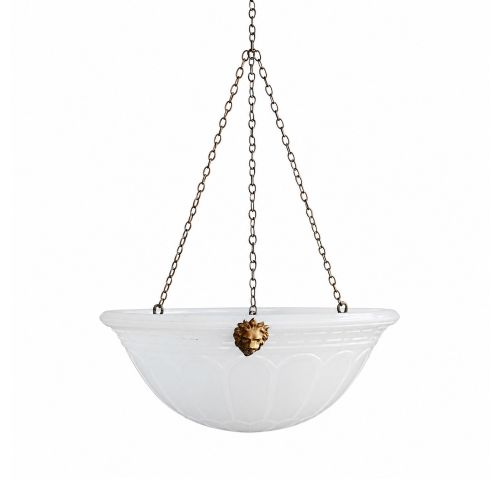


White Glass Lanterns
White glass lanterns gather soft light through milk, moonstone, and opalescent panes, bringing gentle radiance to hallways and porches.
White Glass Lanterns
White glass lanterns encompass hanging ceiling fixtures, outdoor wall lights, and oil lamps spanning the Victorian era through the mid-twentieth century. Buyers searching for white glass lanterns find pieces shaped by periods from the late nineteenth century up to nineteen forty, with Edwardian and Victorian examples appearing frequently.
Forms range from brass and copper ceiling pendants to exterior wall lamps and trade sign lights. The white glass element typically manifests as milk glass, moonstone glass, or opalescent glass housed within metal frames made of brass, copper, or cast iron.
Origins stretch across English workshops and French chateau styles, offering varied decorative accents from Arts and Crafts simplicity to Art Nouveau curves. Each piece holds a distinct domestic or commercial history, whether configured initially for oil or adapted for electricity.
How they were made
Construction relies heavily on durable metals such as brass, copper, and cast iron forming the structural cage or mount. These metals hold delicate panes of milk glass, moonstone glass, or opalescent glass securely in place.
Artisans combined glassblowing techniques for the translucent shades with metalworking methods including casting and soldering for the frames. Decorative touches like polychrome and gilding finish certain Toleware examples from the nineteen thirties.
Trade sign lights from the mid-twentieth century once beckoned evening customers into bustling shops before finding a quiet retirement indoors.
What varies in quality
Quality rests upon the purity and depth of the white glass, where moonstone and opalescent panes exhibit sophisticated light diffusion compared to flat opaque surfaces. The heaviness and finish of the surrounding metalwork, whether solid brass or cast iron, further separate standard utilitarian items from finer decorative pieces.
Design ambition dictates the upper tier of the range, evidenced by integrated Art Nouveau motifs or careful Arts and Crafts proportion. Finer pieces maintain original structural integrity across their frames and retain unblemished glass shades that diffuse illumination evenly.
The White Glass Lanterns Glossary
- Moonstone glass
- A type of semi-translucent glass with a milky, iridescent quality that softens emitted light. It creates a gentle glow reminiscent of moonlight when illuminated from within.
- Opalescent glass
- Glass containing ingredients that cause it to diffuse light with a milky or pearlescent appearance. This material often displays subtle shifts in colour depending on the angle of the light.
- Toleware
- Lacquered or enamelled metalware, often painted and gilded by hand. French examples frequently incorporate rich polychrome finishes on metal lanterns.
- Milk glass
- An opaque or translucent white glassware that can be blown or pressed into various decorative shapes. It provides a clean, solid appearance suited to period lighting.
- Arts and Crafts
- A design movement prioritising traditional craftsmanship and simple forms over mass production. Pieces from this aesthetic emphasise honest construction and natural materials.
White Glass Lanterns: Frequently Asked Questions
How do I hang a heavy ceiling lantern?
Hanging a heavy ceiling lantern requires securing the fixture directly into a ceiling joist or using appropriate toggle bolts designed for heavy loads. The weight of brass and cast iron frames demands robust support rather than standard plaster fixings alone.
Consulting a qualified electrician ensures the internal wiring safely handles the weight and electrical load of these vintage fixtures.
Can these outdoor lamps withstand rain?
Many exterior wall lamps and outdoor lanterns from the mid-twentieth century were built to endure weather, featuring robust metal frames and sealed glass panes. However, vintage outdoor fittings often require modern weather-proofing seals or rewiring to meet contemporary exterior safety standards.
Checking the IP rating or having an electrician assess the housing protects the antique wiring components from moisture damage.
How do I clean delicate white glass shades?
Cleaning white glass shades involves removing the glass from the metal frame where possible and washing it gently in warm soapy water. Avoiding harsh abrasives preserves the soft surface texture of milk and moonstone glass.
Dry the glass thoroughly with a lint-free cloth before reassembling the lantern to prevent water spots from obstructing the light.
Were these lanterns originally wired for electricity?
Many nineteenth and early twentieth-century examples started life as oil lamps or candle holders before conversion to electricity later in their lifespan. Examining the burner assembly or oil reservoir fittings reveals the original fuel-burning function of pieces like Victorian oil lamps.
Rewiring historical fixtures is standard practice to ensure safe daily use in modern homes without altering the exterior character.