


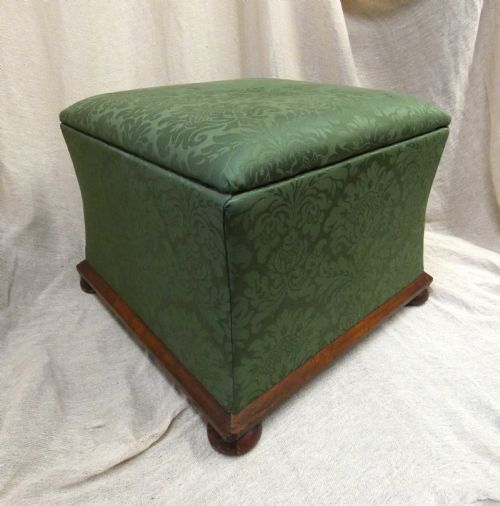


Vintage Storage Stool
A vintage storage stool combines everyday utility with period charm, offering a clever place to tuck away clutter while anchoring a room.
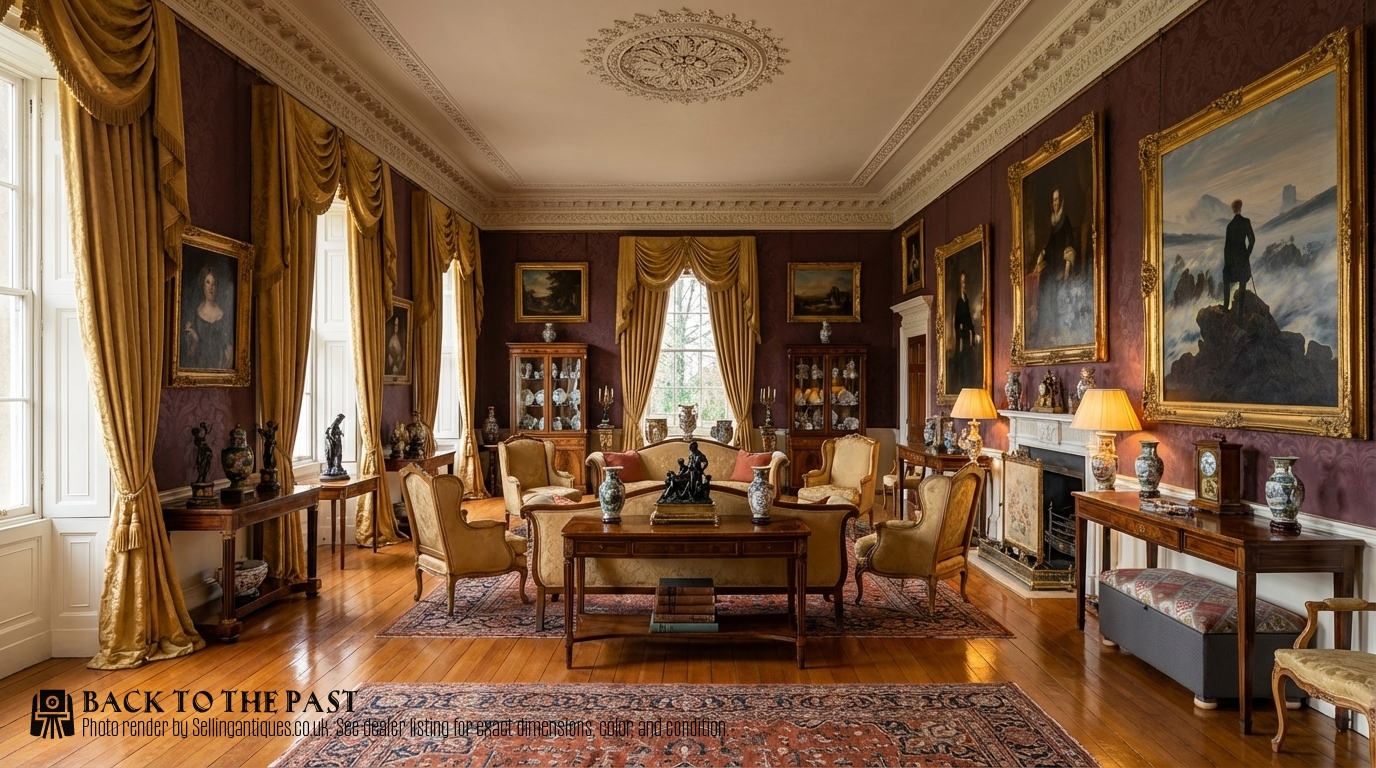
Vintage Storage Stool
When you search for a vintage storage stool, you enter a diverse category spanning piano stools, ottomans, blanket boxes, and library steps that double as seating or hidden compartments. These pieces originate from various eras, including the eighteenth century, the Victorian period, and the Edwardian epoch.
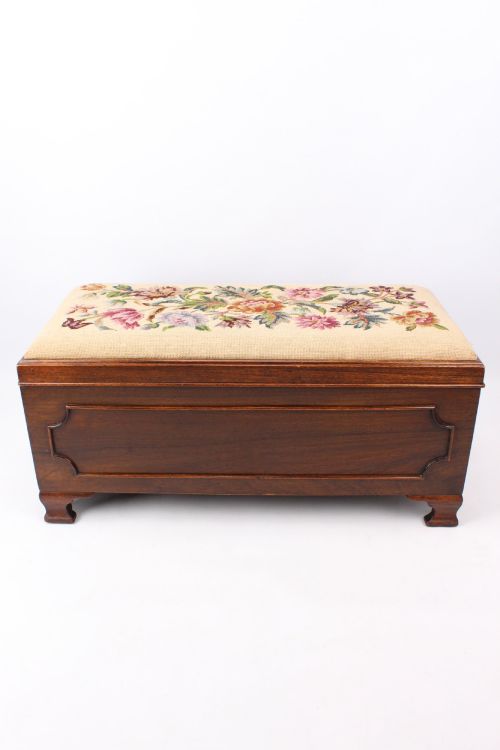
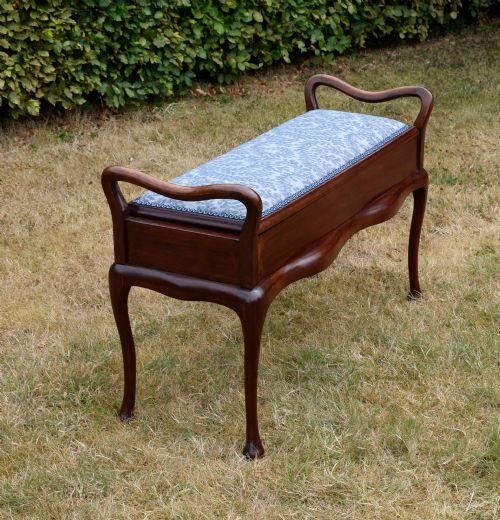
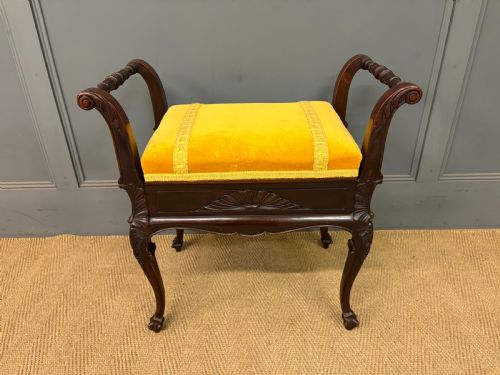
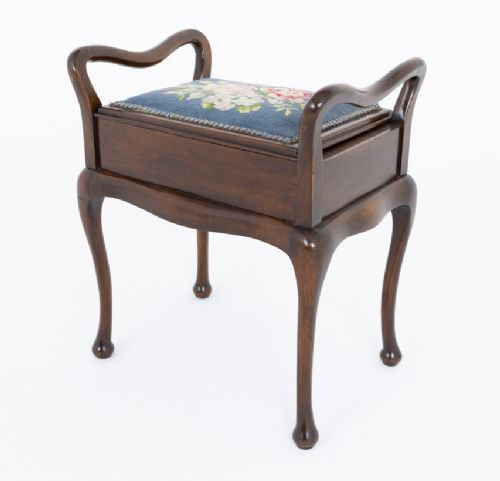
The most common versions encountered here are mahogany and oak piano stools or Edwardian music stools featuring upholstered lift-up seats. Alongside these, buyers find larger ottomans, dressing stools, and slipper boxes designed with internal space for linen or sheet music.
Makers and designers from the Georgian, Regency, and Art Deco styles utilised robust woods and textiles to create functional household items. Each piece reflects the domestic habits of its period, from Victorian piano practice to Edwardian parlor organisation.
How they were made
Makers constructed the frames of these stools predominantly from solid hardwoods such as mahogany, oak, and walnut, often applying inlaid details or carved accents to the wood. Joinery techniques varied from traditional dovetailing in eighteenth-century box stools to sturdy framed construction in later Victorian and Edwardian examples.
Upholstery formed a central part of the manufacturing process, utilising materials like velvet, fabric, tapestry, and gros-point or needlework needlepoint for the seat tops. Brass fittings, hinges, and handles frequently completed the pieces, securing the lift-up lids and fall-front compartments.
What varies in quality
The standard of timber selection and cabinetmaking distinguishes pieces across the range, with denser mahogany and figured walnut frames representing higher craftsmanship. The complexity of the joinery, especially in the interior compartments and fall-front mechanisms, marks the difference between standard production and superior workshop output.
The preservation and execution of the original textile work also dictate quality, as hand-stitched needlepoint or gros-point upholstery requires skilled artisanal labour. Sturdiness of the internal storage box and the integrity of brass hinges indicate how well a piece weathered decades of domestic use.
Hallett & Sons
The Vintage Storage Stool Glossary
- Close stool
- An eighteenth-century form of indoor seating enclosing a chamber pot, constructed as a wooden box with a lid. These early pieces demonstrate the utilitarian origins of concealed storage furniture.
- Canterbury stool
- A low piece combining a compartment for sheet music or books with an upholstered seat above. Victorian examples often incorporate carved walnut and turned legs.
- Gros-point
- A type of needlepoint embroidery worked on canvas with coarse woollen yarn, frequently seen on nineteenth-century ottoman tops. This heavy stitch creates a durable and textured decorative surface.
- Duet piano stool
- An elongated seat designed for two players, usually featuring a hinged or lift-up top to store piano rolls and sheet music. Edwardian and Victorian versions in mahogany are particularly prevalent.
- Fall-front
- A hinged panel that drops forward to reveal interior compartments or shelving within a stool. This mechanism allows easy access to stored items without disturbing the upholstered seat.
Vintage Storage Stool: Frequently Asked Questions
How were vintage storage stools used originally?
These pieces served practical domestic functions, holding sheet music near pianos, concealing blankets in bedrooms, or storing slippers and accessories near hearths. Many combined comfortable seating with discreet cavities to maximise space in period homes.
Their dual purpose made them essential items in Victorian and Edwardian parlours, bedrooms, and music rooms where tidiness and comfort mattered equally.
How do I tell an Edwardian storage stool apart from a Victorian one?
Edwardian pieces often feature lighter mahogany frames, delicate inlaid stringing, and Sheraton Revival influences, reflecting a turn towards airier domestic interiors. Victorian examples tend to display heavier walnut or mahogany construction, darker tones, and more robust carving.
Examining the internal hinges and upholstery style also helps date the piece, as Edwardian music stools frequently use spring-loaded or simple lift-up mechanisms for sheet music.
Can I use an antique piano stool as everyday seating?
Most storage stools were built from solid hardwoods like oak, mahogany, and walnut, making them structurally sound for daily use as seats or footstools. However, the internal hinges and original upholstery on nineteenth-century pieces should be checked for stability.
Placing one in a hallway, bedroom, or living room provides a durable surface alongside the practical benefit of internal storage.