






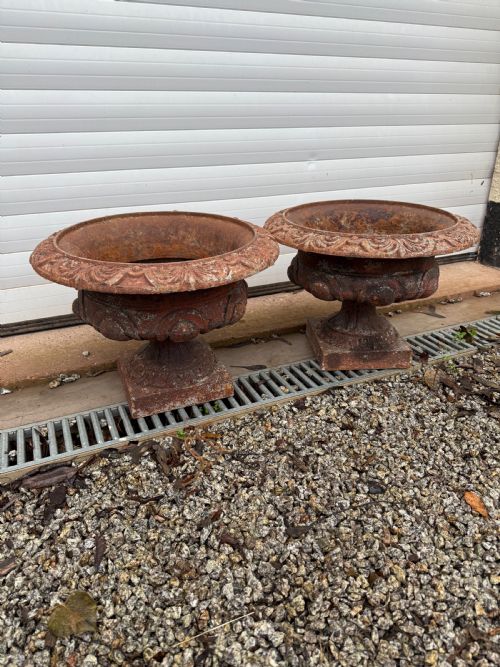
Vintage Stone Garden Basin
A vintage stone garden basin brings weight and weather to a terrace, offering deep troughs, birdbaths and mortars carved from natural or cast stone.
Vintage Stone Garden Basin
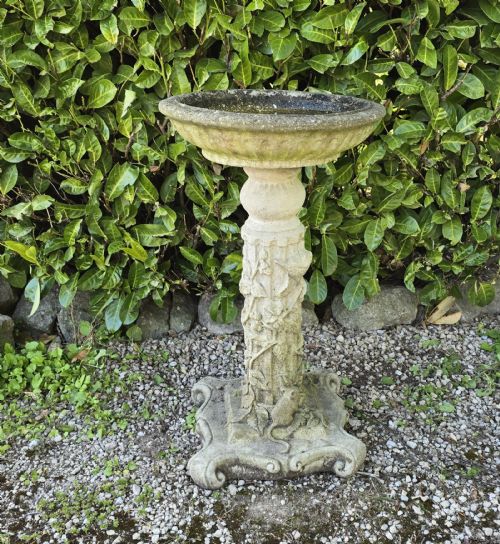
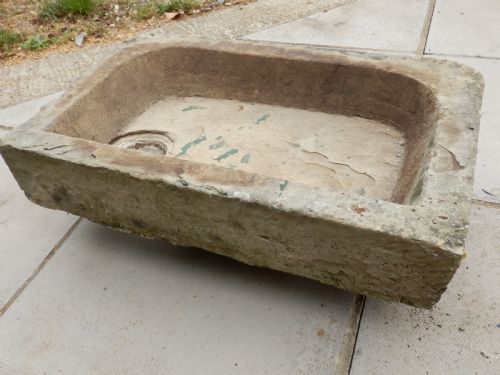
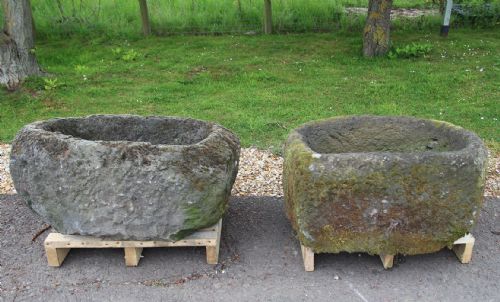
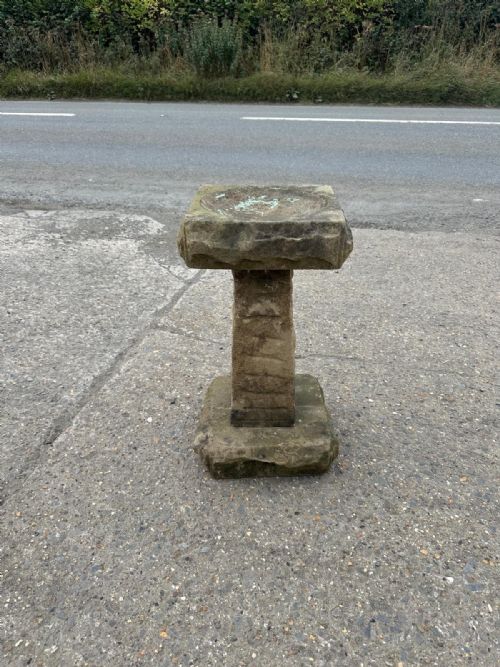
A vintage stone garden basin encompasses a range of heavy utilitarian and ornamental vessels shaped for outdoor use. When someone searches for a vintage stone garden basin, they typically find sturdy garden troughs, birdbaths, planters and old stone mortars drawn from centuries past.
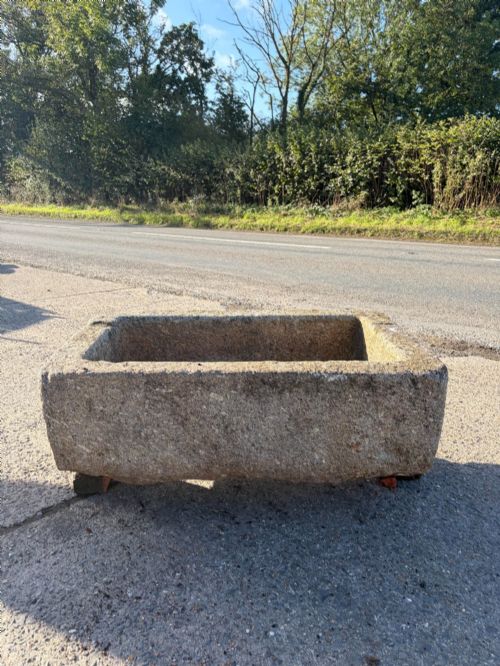
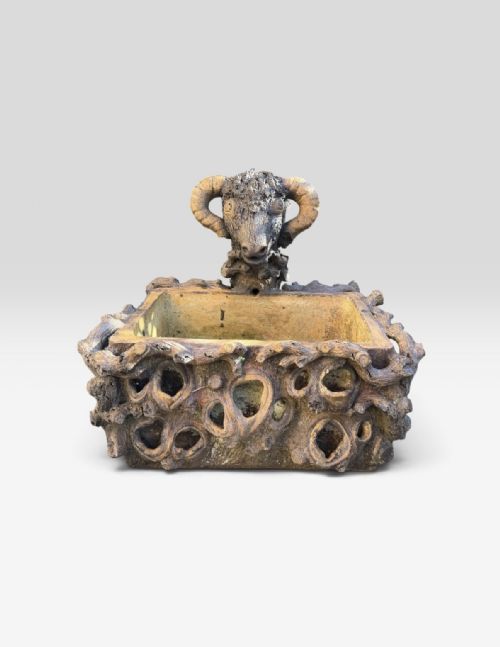
The pieces encountered on this page stretch from heavy eighteenth-century square troughs and purbeck stone birdbaths to early twentieth-century cast stone designs and utilitarian mortars. These items span various historical periods, including seventeenth-century, eighteenth-century, nineteenth-century and early twentieth-century examples.
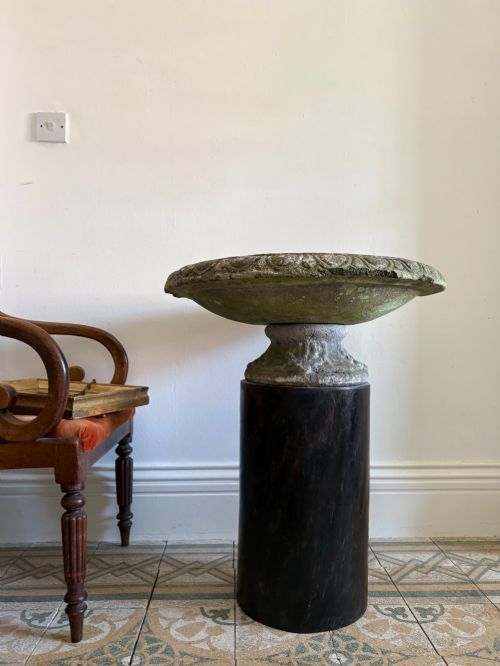
Origins vary from rustic country farmhouses to neoclassical gardens, reflecting both domestic utility and classical ornament. Buyers select these items to anchor planting schemes or provide weathered focal points in traditional garden settings.
How they were made
Makers fashioned these basins primarily through manual carving of natural materials such as sandstone, purbeck stone and general natural stone. Stonemasons used chisels and mallets to hollow out solid blocks into troughs, mortars and birdbaths, leaving tool marks that remain visible on older surfaces.
Later twentieth-century examples utilise cast stone or reconstituted stone poured into moulds to replicate the weight and texture of hand-carved monoliths. Some functional items incorporate durable metals, seen in occasional cast iron garden urns designed for outdoor endurance.
Vintage Stone Garden Basin Retail Price Guide 2026
Typical asking prices for vintage stone garden basin among the pieces listed under this phrase on Sellingantiques today, from the lower quarter to the upper quarter. They describe what is for sale here now, not the wider market.
Listings feature natural stone, sandstone, purbeck stone and cast stone across periods from the seventeenth century through to the mid-twentieth century.
What varies in quality
Quality in a vintage stone garden basin rests upon the integrity of the material and the depth of natural weathering. Genuine hand-carved sandstone or purbeck stone displays an authentic patination of moss and age that manufactured substitutes struggle to replicate.
Proportion and thickness dictate structural success, distinguishing utilitarian agricultural troughs hewn from single blocks from lighter decorative vessels. The crispness of surviving neoclassical detailing or the rustic honesty of an eighteenth-century country vernacular shape also defines the upper tier of these objects.
The Vintage Stone Garden Basin Glossary
- Cast stone
- A refined concrete product manufactured to simulate natural cut stone, often utilised in early twentieth-century garden ornaments. It allows for consistent moulding of neoclassical details while maintaining substantial weight.
- Trough
- A long, narrow open container historically used for feeding livestock or washing, repurposed as a deep garden planter. These heavy stone vessels provide excellent frost-resistant environments for alpine plants.
- Mortar
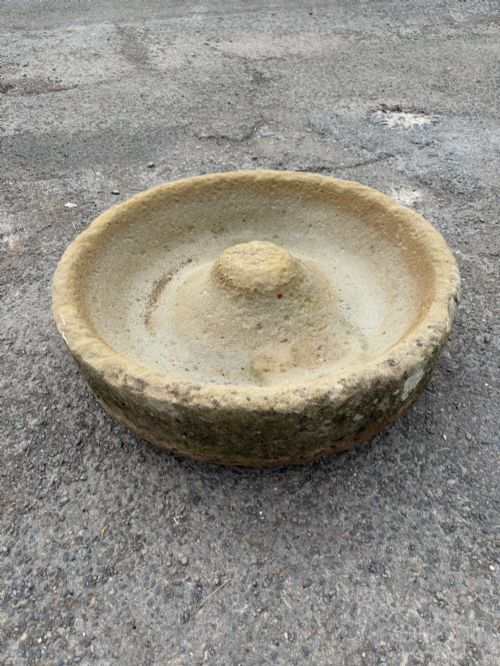
- A heavy stone bowl traditionally used with a pestle for grinding materials, now collected as a compact garden basin. Early examples display thick walls and rough exterior chisel work from centuries of use.
- Purbeck stone
- A marine limestone quarried in Dorset, prized for durability and fossil inclusions. It appears in traditional birdbaths and structural masonry.
- Neoclassical
- A style drawing on classical antiquity, characterised by symmetrical urn and pedestal forms popular in formal garden design. This aesthetic brings architectural formality to rustic stone compositions.
Vintage Stone Garden Basin: Frequently Asked Questions
How do I clean a stone basin?
Gentle washing with water and a soft brush preserves the accumulated moss and lichen that form the patina of age. Avoid harsh chemical cleaners or pressure washers that can erode softer sandstone and cast stone surfaces.
Allowing the weather to naturally condition the stone ensures the historic character remains intact for future seasons in the garden.
Can stone troughs stay outside in winter?
Natural stone and heavy cast stone vessels generally withstand frost if drainage holes remain clear and water does not pool and freeze inside. Elevating basins slightly off the ground on small pot feet prevents moisture from trapping underneath during hard freezes.
Checking that old mortars and troughs drain freely protects the historical material from expanding ice damage.
Are old stone basins very heavy?
These vessels are carved from solid rock or dense cast concrete, making them exceptionally heavy and difficult to move alone. Planning the final placement in the garden before delivery is essential for large troughs and birdbaths.
Their substantial weight keeps them stable on lawns and terraces without requiring permanent fixing.
How old is a weathered stone birdbath?
Dating relies on tool marks, the geological type of stone, and stylistic clues such as neoclassical moulding or vernacular wear patterns. Pieces from the seventeenth or eighteenth centuries often show hand-pecked surfaces, whereas twentieth-century items may employ cast stone.
Consulting the specific period details helps distinguish older hand-carved items from later moulded reproductions.