
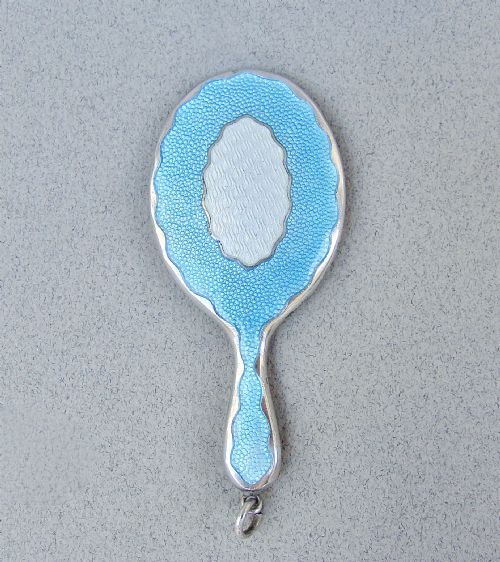


Vintage Sterling Vanity Compact
These vintage sterling vanity compact pieces bring tactile elegance to a dressing table, offering the refined weight of solid silver paired with intricate coloured enamel.
Vintage Sterling Vanity Compact
When you search for vintage sterling vanity compact, you are looking at functional personal accessories designed for carrying powder, rouge, or cigarettes. These portable items served as essential social objects for grooming throughout the early twentieth century.
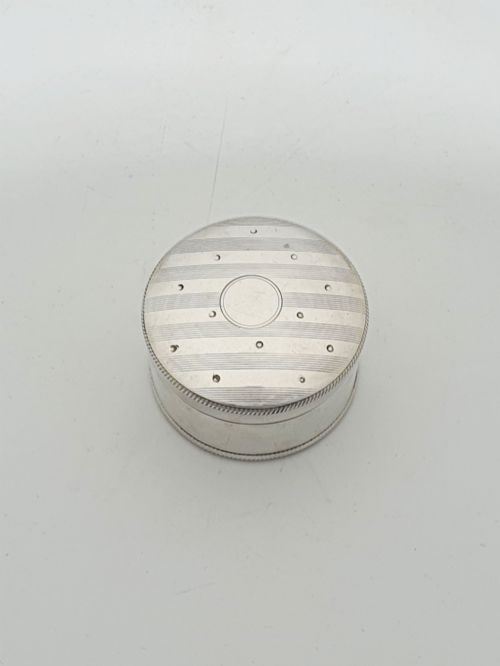
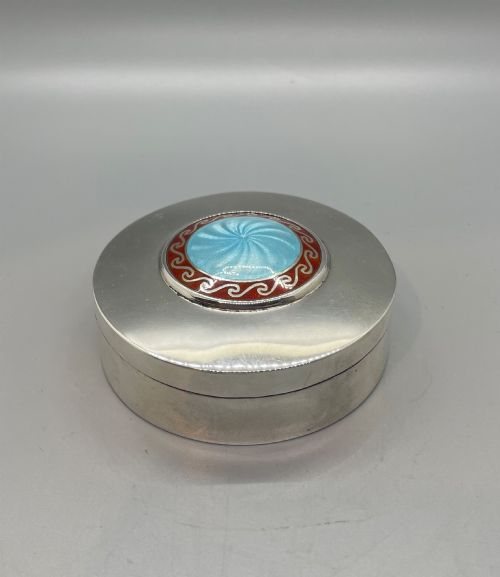
The pieces on this page span the Edwardian period, the George V era, and the Art Deco movement. You will most frequently encounter compacts and pill boxes decorated with guilloche enamel and engine turned patterns originating from the nineteen tens, twenties, and thirties.
How they were made
Silversmiths utilised solid sterling silver as the primary structural material, shaping bodies through casting and press-forming techniques. Artisans then applied mechanical engine turning or intricate guilloche patterns directly into the metal surface.
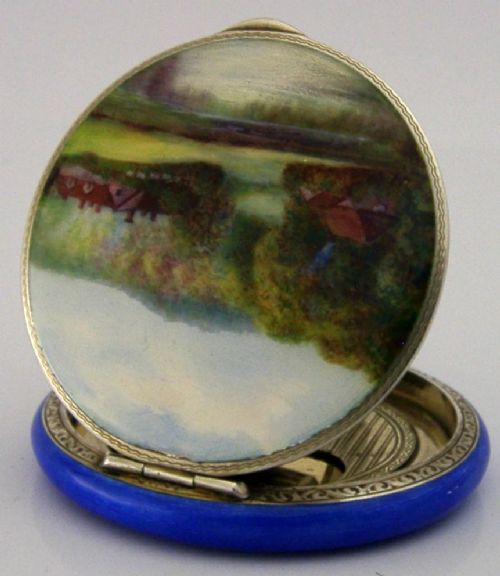
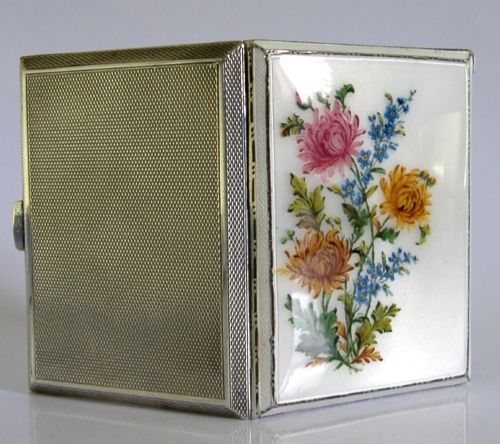
Vitreous enamel was fused to the textured silver base using high heat, often complemented by hand painted floral details or miniature scenes. Glass and fabric components were integrated to form mirrors, powder sifters, and interior linings.
The listings on this site demonstrate a strong concentration of geometric Art Deco design alongside earlier Edwardian floral motifs in silver and enamel.
What varies in quality
The sophistication of the enamel work dictates the standard of the piece, with complex guilloche and hand painted details sitting at the upper end. Crispness in the engine turned geometric patterns and clear hallmarks from established makers also elevate the work.
Structural integrity in the hinge mechanisms and clasps separates standard items from finer examples. The clarity of the integrated glass mirror and the condition of the internal silver gilt finish further distinguish superior objects.
Henry Williamson·Henry Matthews·Henry Perkins & Sons
The Vintage Sterling Vanity Compact Glossary
- Guilloche
- A decorative engraving technique where a precise mechanical pattern is etched into metal. This method creates repetitive geometric motifs that catch the light beneath translucent enamel.
- Engine turned
- A form of surface decoration produced by a specialised lathe that cuts intricate geometric designs into metal. It provides both texture and visual depth to silver objects.
- Vitreous enamel
- A material made by fusing powdered glass to a substrate through firing at high temperatures. The resulting glossy coating resists wear and adds vibrant colour.
- Hallmark
- An official stamp applied to precious metals indicating purity, origin city, and the assay year. These small marks provide historical context and verify sterling silver content.
- Silver gilt
- Sterling silver that has been coated with a thin layer of gold on the interior surfaces. This technique adds a warm tone and protects the silver from cosmetic powders.
Vintage Sterling Vanity Compact: Frequently Asked Questions
How do I date a silver compact?
You can date these items by examining the official hallmarks stamped into the silver, which record the assay office and year letter. Stylistic markers such as Edwardian floral motifs or Art Deco geometric lines also help assign pieces to the nineteen tens, twenties, or thirties.
Makers' marks provide an additional reference point when cross-referenced against historical silversmith registries. Combining these physical stamps with the decorative style gives a clear indication of manufacture.
What is guilloche enamel?
Guilloche enamel involves mechanical engraving of a geometric pattern onto a silver base before a translucent glass coating is applied. The underlying engraved lines show through the coloured enamel, creating shimmering reflective depth.
This technique was widely utilised during the early twentieth century for vanity items and cigarette cases. The precision of the initial metal cutting determines the sharpness of the finished pattern.
How were these compacts used?
These compacts were carried in handbags for public touch-ups of face powder, rouge, or lipstick during social outings. Some versions also incorporated spaces for cigarettes, matching the active lifestyles of women in the decades between the wars.
Beyond personal grooming, smaller boxes served as pill containers or trinket storage for dressing tables. Their portable nature made them both functional tools and decorative fashion accessories.
Are these pieces made of solid silver?
The items listed on this page utilise sterling silver as their primary metal, conforming to standard purity regulations. Hallmarks stamped into the body confirm the silver standard used by the silversmith.
Internal elements such as mirrors, fabric pads, and occasionally hinge pins may incorporate non-silver components. The main casing and decorative exterior frames remain solid precious metal.
How do I clean enamel and silver?
Silver components require gentle polishing with a specialised microfibre cloth to remove tarnish without touching the enamel. Care must be taken to avoid abrasive cleaners that can scratch the delicate surface.
Enamel sections are best maintained by wiping with a soft, slightly damp cloth and drying immediately. Keeping these pieces away from harsh chemicals preserves the bond between the glass coating and the metal.