



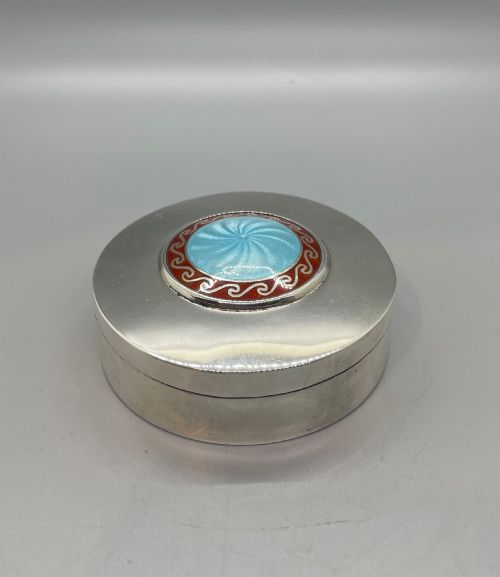

Vintage Sterling Trinket Box
A vintage sterling trinket box organises small keepsakes on a dressing table while bringing solid silver and glass into daily use.
Vintage Sterling Trinket Box
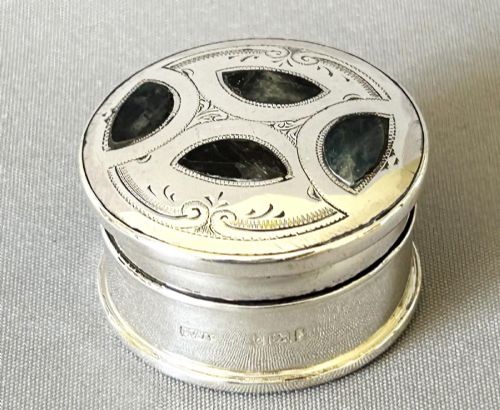
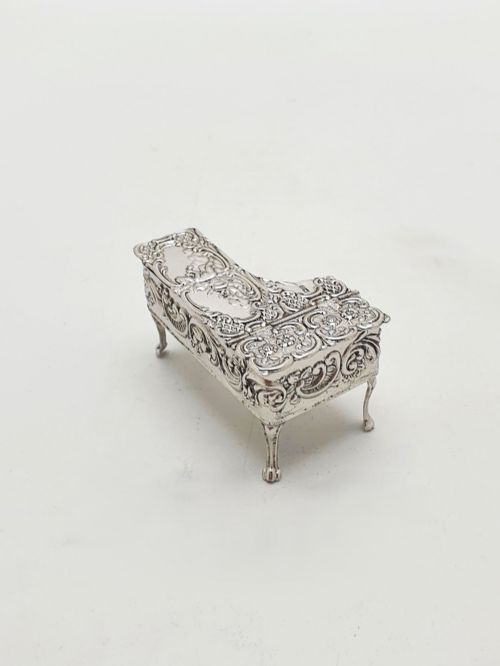
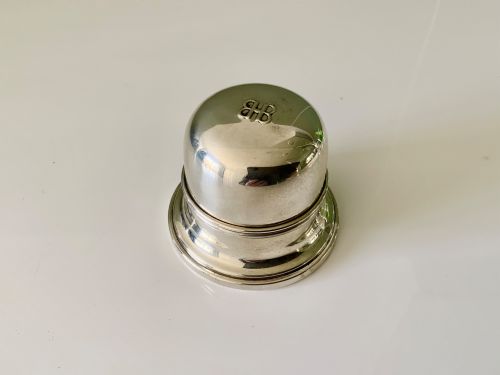
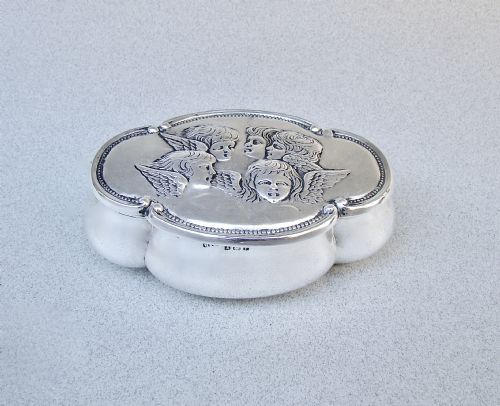
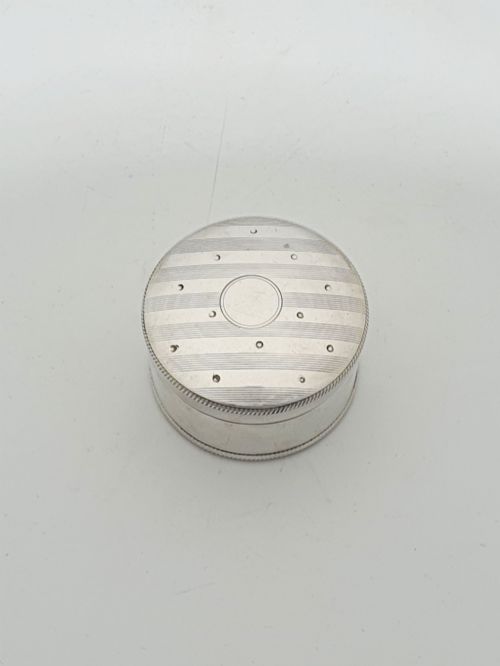
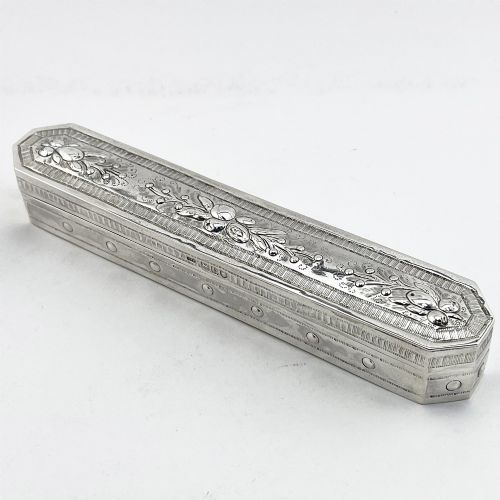
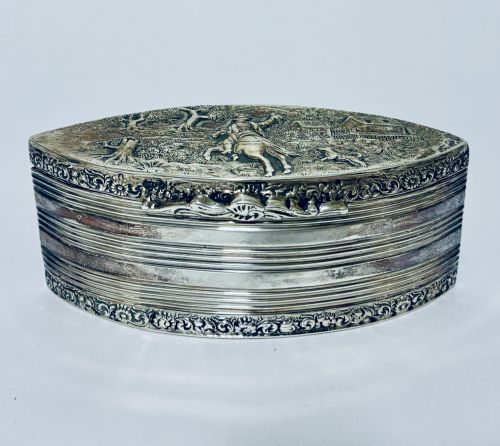
A vintage sterling trinket box gathers items made primarily in the Victorian, Edwardian, and Art Deco periods, spanning the early twentieth century alongside mid-century Scandinavian work. These objects manifest as small receptacles, table boxes, pill boxes, and dressing table jars intended for keepsakes and personal items.
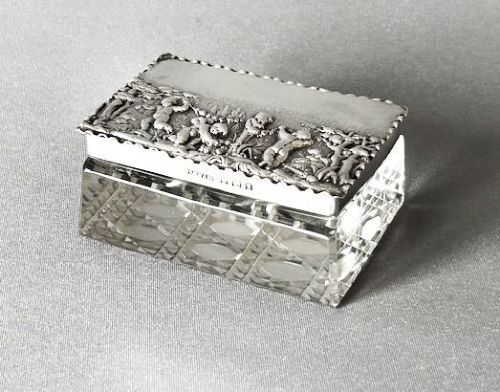
The most common examples on this page are Edwardian and George V silver pieces, frequently incorporating glass, enamel, or tortoiseshell in compact rectangular, round, and heart shapes. Makers also utilised oak and mother of pearl, producing items that range from small novelty pill boxes to larger lidded caskets.
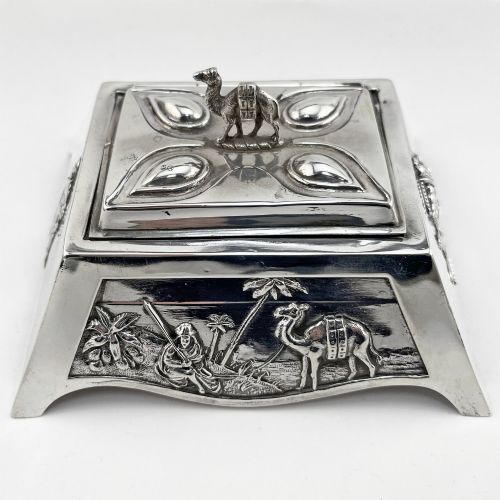
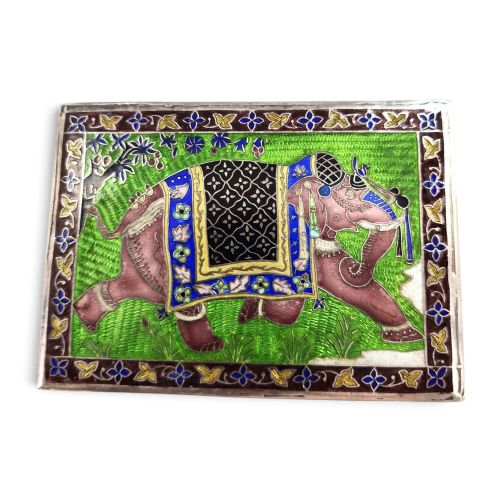
Origin points stretch from local British assay offices in Birmingham and London to continental workshops in Denmark, alongside examples of Indian Colonial silver work. Each piece reflects the functional requirements of dressing tables and writing desks from the late nineteenth century onwards.
Materials and Technique
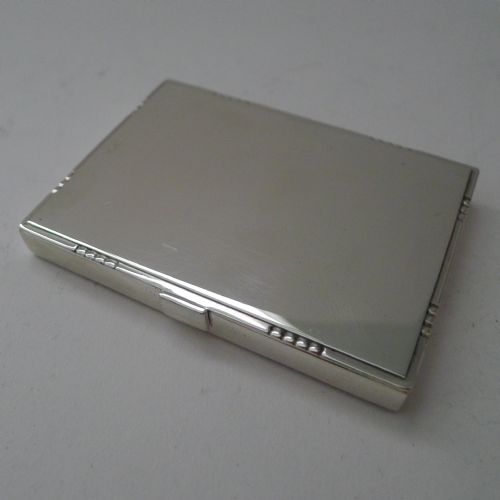
Makers formed the body of a vintage sterling trinket box from solid silver or sterling silver mounts fitted to cut glass, satin glass, or oak bodies. Metal surfaces frequently display engine turned linear patterns or smooth polished finishes.
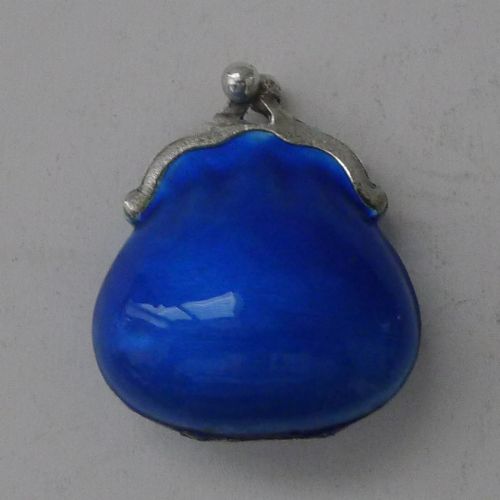
Enamel work appears as guilloche enamel and vitreous enamel applied in coloured layers to lids and mounts. Hinges and bezels require precise metalworking to ensure tight closures on small pill and trinket boxes.
Vintage Sterling Trinket Box Retail Price Guide 2026
Typical asking prices for vintage sterling trinket box among the pieces listed under this phrase on Sellingantiques today, from the lower quarter to the upper quarter. They describe what is for sale here now, not the wider market.
Among the small animal forms, an antique silver novelty pill box takes the specific shape of a snipe.
Evaluating Craftsmanship
Gauge and weight distinguish sturdier table boxes from lighter mass-produced items, with heavier silver gauge providing structural rigidity to the body and lid. Thicker metal resists denting during everyday handling.
Detailing on decorative elements marks the difference in workmanship, visible in the precision of engine turning, the uniformity of guilloche enamel, and the seamless fit of silver mounts onto glass or wood bases.
Mappin & Webb·Georg Jensen·Harald Nielsen·A. J. Pepper & Co·Henry Clifford Davis·A. Bromet & Co·George Adam Scheid·Sigvard Bernadotte
The Vintage Sterling Trinket Box Glossary
- Sterling silver
- A silver alloy containing 92.5 percent pure silver and 7.5 percent other metals, typically copper, used for durability. This standard metal appears across British hallmarks from the periods represented here.
- Guilloche enamel
- A decorative technique where a precise geometric pattern is機械 engraved beneath a translucent enamel layer. This method creates light-reflecting waves and sunbursts on box lids.
- Engine turned
- A mechanical engraving method producing intricate, repeating geometric line patterns on metal surfaces. It adds texture and reduces the visibility of minor handling marks.
- Vinaigrette
- A small ornamental box featuring an internal pierced grille, designed to hold a sponge soaked in aromatic vinegar. These date predominantly from the Victorian period.
- Castle top
- A descriptive term for boxes featuring a detailed topographical relief cast onto the lid, typically depicting a specific historic building or landscape.
Vintage Sterling Trinket Box: Frequently Asked Questions
What were sterling trinket boxes used for?
These receptacles served to hold small personal valuables, rings, cufflinks, and hair pins on dressing tables or desks.
Smaller variants functioned as pill boxes, snuff boxes, or containers for stamps and folded notes.
How do I identify an Edwardian silver box?
Edwardian pieces date between nineteen hundred and nineteen ten, often displaying neoclassical motifs, garlands, or simple polished surfaces.
Assay office hallmarks and date letters stamped on the silver provide the precise year of manufacture.
Are glass and silver boxes fragile?
The cut glass and satin glass bodies require careful placement on stable surfaces away from desk edges.
The thick sterling silver mounts and fitted lids protect the upper rims from standard daily handling.
What is the difference between a trinket box and a table box?
Trinket boxes are typically scaled for dressing tables to hold jewellery and small personal accessories.
Table boxes are larger, heavier pieces designed to sit on central tables or desks for cigars, cards, or documents.