

Vintage Sterling Spoons
Vintage sterling spoons bridge centuries of dining, offering everything from caddy spoons to heavy flatware sets.
Vintage Sterling Spoons
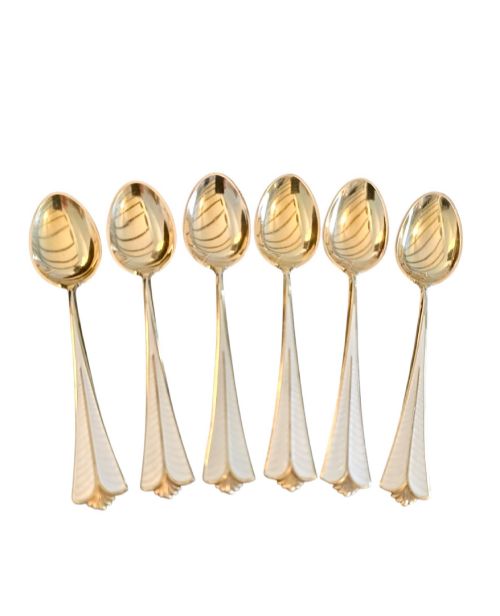
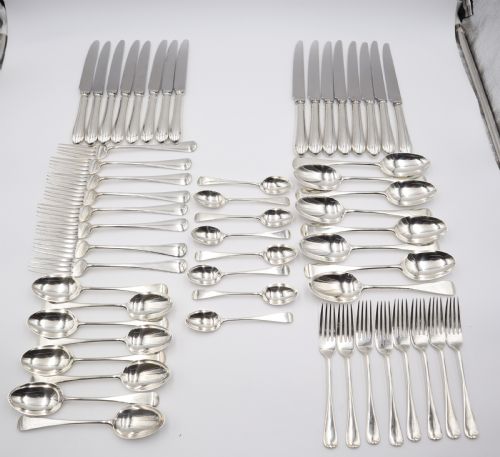
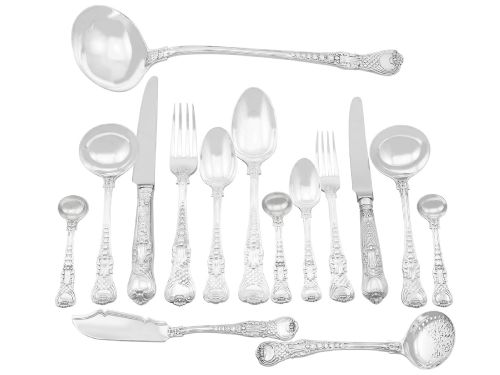
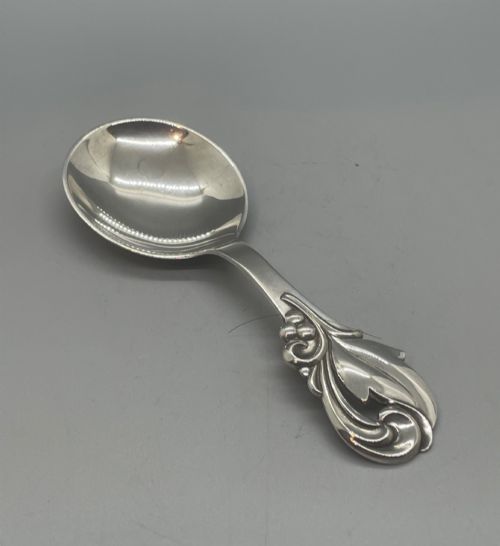
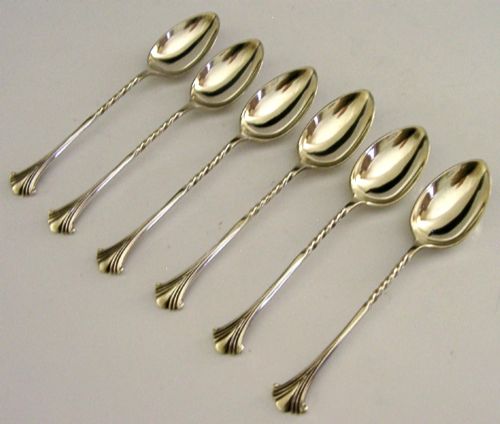
Vintage sterling spoons cover a broad spectrum of domestic silver, ranging from small caddy spoons and teaspoons to serving spoons and larger cutlery sets. When searching for vintage sterling spoons, collectors regularly encounter pieces spanning the Georgian, Victorian, and Edwardian eras, alongside mid-century twentieth-century designs like Art Deco and Mid-Century Modern.
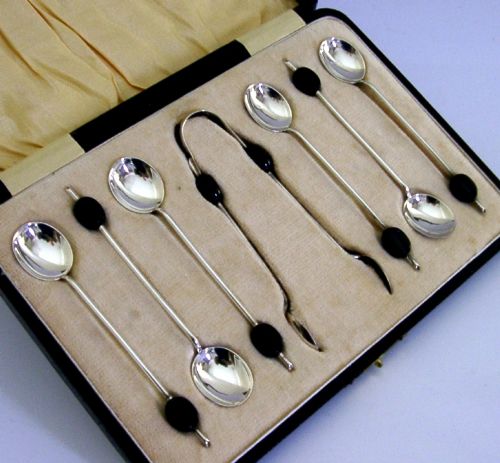
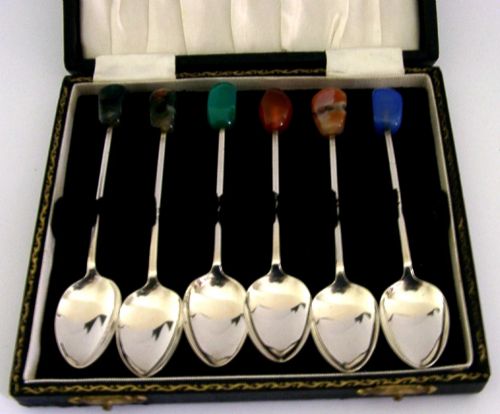
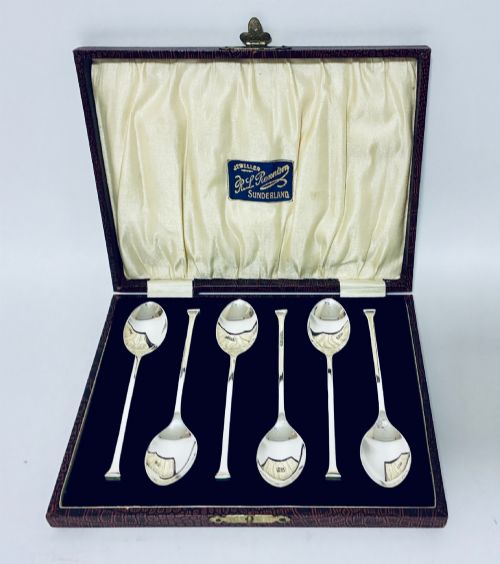
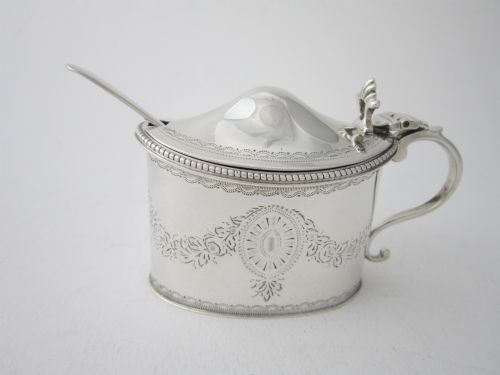
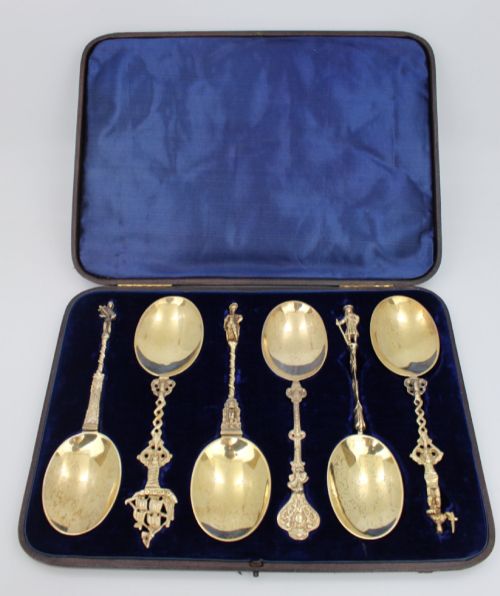
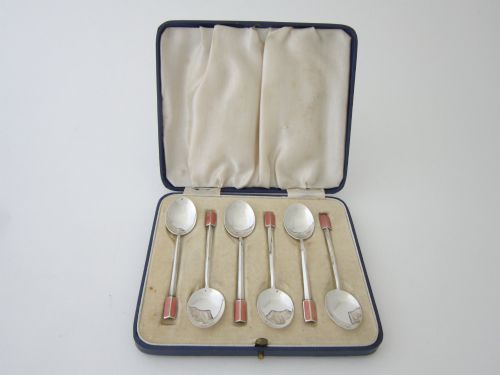
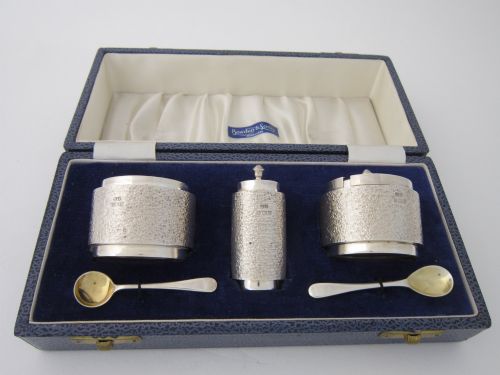
The assortment includes specialised forms such as grapefruit spoons, medicine spoons, apostle spoons, and condiment ladles. Many of these items survive in fitted boxes lined with velvet, silk, or leatherette, preserving their original presentation.
How they were made
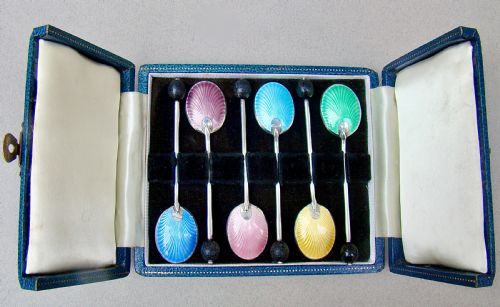
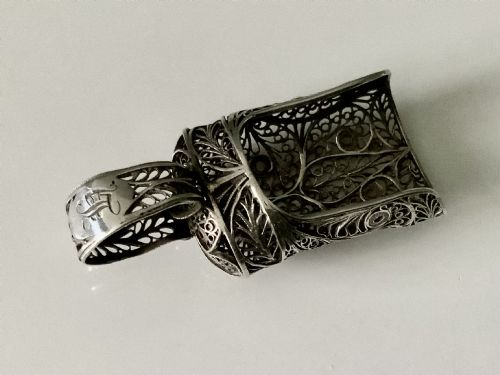
Silversmiths shaped these items using sterling silver, frequently employing techniques such as hammering, casting, and piercing. Some pieces incorporate silver-gilt finishes or contrasting enamel work to add colour and texture to the bowls and handles.
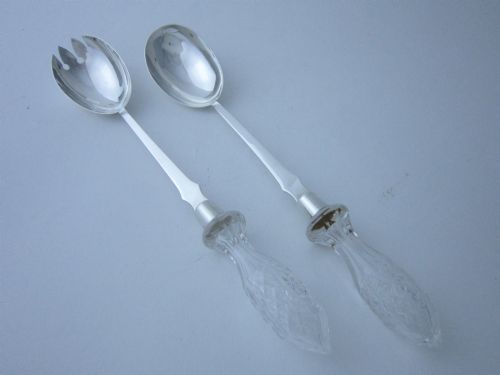
Cased sets often combine the metal spoons with fitted interiors of leather, velvet, or silk, while other utilitarian items integrate glass components or agate handles.
Vintage Sterling Spoons Retail Price Guide 2026
Typical asking prices for vintage sterling spoons among the pieces listed under this phrase on Sellingantiques today, from the lower quarter to the upper quarter. They describe what is for sale here now, not the wider market.
Listings include items spanning the Georgian era through the 1960s, fashioned from sterling silver, enamel, and silver-gilt.
What varies in quality
The standard of a spoon rests on the crispness of its hallmarks, the weight of the silver, and the precision of any decorative chasing or engraving. Pieces retaining their original fitted presentation cases often demonstrate higher initial craftsmanship.
Intricate additions, such as multi-coloured enamel work or specialised forms like novelty tea caddy spoons, require greater technical skill from the maker, distinguishing them from standard tableware.
David Andersen·Deakin & Francis·Georg Jensen·Hamilton & Inches·Tiffany
The Vintage Sterling Spoons Glossary
- Caddy spoon
- A short-handled spoon specifically designed for measuring loose tea leaves from a caddy. These frequently feature decorative novelty bowls shaped like leaves or hands.
- Sterling silver
- An alloy consisting of pure silver and other metals, usually copper, to increase durability while maintaining a standard purity level. Most British pieces carry distinct assay office marks.
- Silver-gilt
- Sterling silver that has been coated with a thin layer of gold on its surface. This technique produces a rich, two-tone appearance often seen on decorative apostle spoons.
- Apostle spoon
- A spoon featuring a figure of an apostle cast or shaped on the terminal of the handle. Sets typically comprise a dozen different figures or a smaller grouping of six.
- Rat tail
- A strengthening tongue of metal running down the back of the bowl from the stem. It appears frequently on earlier dining silver.
Vintage Sterling Spoons: Frequently Asked Questions
How do I clean tarnished sterling spoons?
Use a soft microfiber cloth and a mild silver polish designed specifically for sterling items. Avoid harsh scrubbing that might wear away fine hallmarks or delicate enamel.
Store the items in dry conditions, ideally within lined boxes or anti-tarnish wraps, to slow down future oxidation.
Can I use vintage spoons daily?
Sterling silver is durable enough for regular dining use, provided you wash the cutlery by hand promptly after meals. Avoid putting antique or vintage pieces into an automatic dishwasher.
Hand drying prevents water spots and keeps the finish bright through years of regular use.
What are caddy spoons used for?
Caddy spoons were traditionally used to scoop dry tea leaves from storage containers into a teapot. Their short handles allowed them to fit neatly inside small tea caddies.
Today, collectors appreciate them for their varied novelty designs and intricate handle craftsmanship.
How do I read silver hallmarks?
Hallmarks usually indicate the standard of silver, the assay office where the piece was tested, and a date letter corresponding to the year of manufacture. Additional marks often show the maker or sponsor.
Reference books and online guides help match specific date letters and town marks to their exact periods.