







Vintage Starburst Ring
A vintage starburst ring captures celestial design in precious metal and diamond, bringing together historical periods from the nineteenth century to the mid-century.
Vintage Starburst Ring
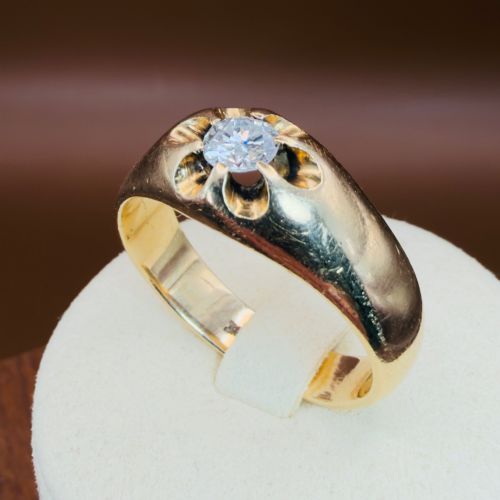
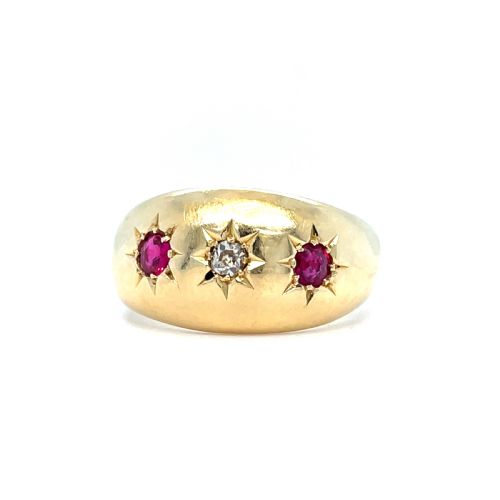
When you search for a vintage starburst ring, you encounter pieces spanning the nineteenth century, Edwardian era, Art Deco period, and mid-century. These designs feature star motifs, celestial settings, and cluster formations that showcase diamonds alongside rubies, garnets, and emeralds.
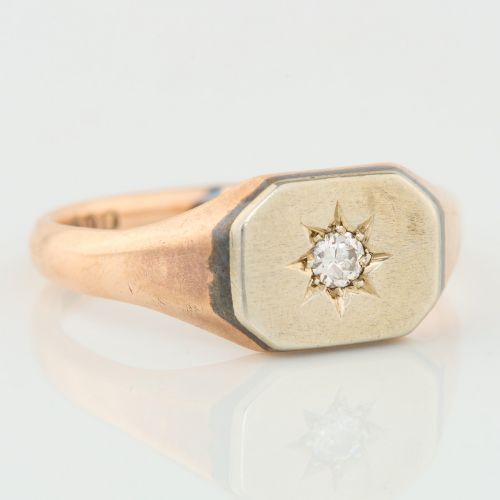
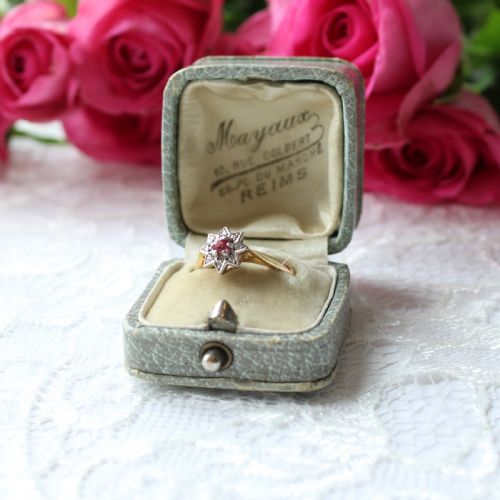
The selection on this page relies heavily on yellow gold, white gold, and platinum settings. You will find distinct forms including gypsy bands, signet rings, trilogy pieces, and cluster rings spanning from the 1900s through to the 1960s.
How they were made
Jewellers constructed these rings primarily using 9ct gold, 18ct yellow gold, 18ct white gold, and platinum. Stones such as old-cut diamonds, rubies, and garnets were hand-set into starburst motifs and flush gypsy settings.
Techniques varied from intricate Edwardian openwork bands to robust signet rings and cluster formations. Metalwork often incorporated textured star engravings around central gemstones to amplify the celestial aesthetic.
Sometimes a nineteenth-century jeweller decided the night sky belonged on a finger, embedding diamonds into heavy gold bands to mimic permanent starlight.
What varies in quality
The standard of a ring rests upon the crispness of the star engraving and the precision of the stone setting. Pieces with well-preserved metalwork and securely held central diamonds demonstrate superior craftsmanship.
Proportion and balance define the upper tier of these designs, where symmetrical starburst prongs or flush gypsy mountings integrate harmoniously with the band.
The Vintage Starburst Ring Glossary
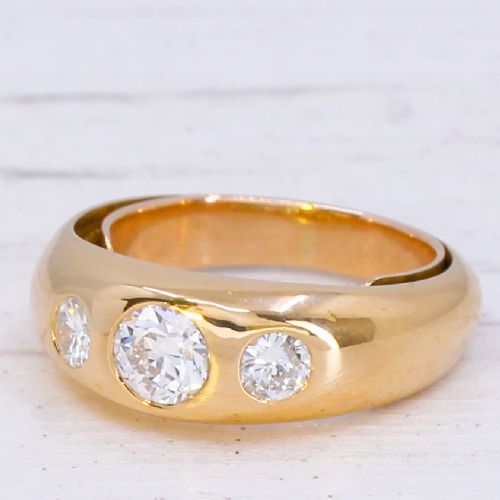
- Gypsy ring
- A style of ring where the gemstone is flush-set into the thick band of the metal rather than held in raised prongs. This technique protects the girdle of the stone and creates a smooth profile.
- Starburst
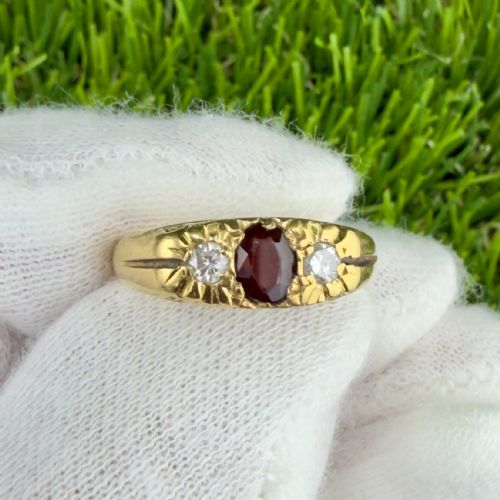
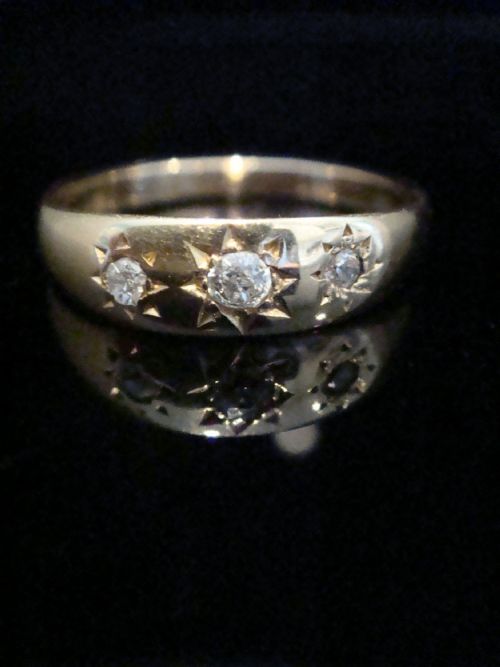
- A decorative motif featuring engraved or shaped rays radiating outward from a central gemstone to mimic a twinkling star. It is frequently seen in Edwardian and Victorian celestial jewellery.
- Old-cut diamond
- A hand-faceted diamond cut prior to the standardisation of the modern brilliant cut in the early twentieth century. These stones typically feature smaller tables and higher crowns.
- Trilogy ring
- A ring set with three stones, traditionally representing the past, present, and future. They appear frequently alongside cluster and star configurations in this selection.
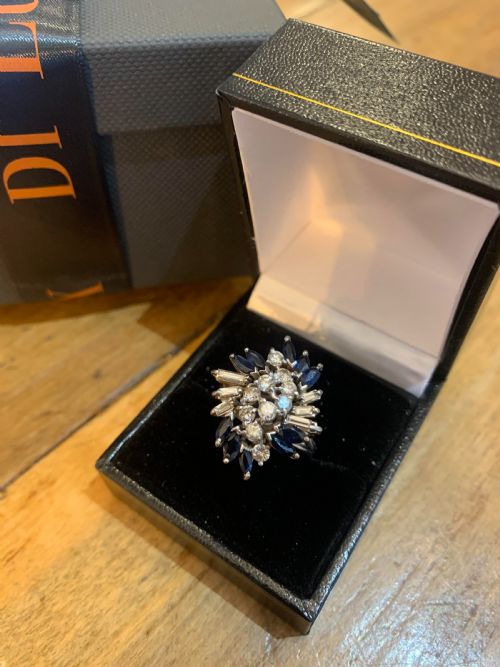
- Cluster ring
- A design arrangement where a larger central gemstone is surrounded by a tight formation of smaller stones. This method maximises the visual impact and sparkle of the piece.
Vintage Starburst Ring: Frequently Asked Questions
What is a starburst ring?
A starburst ring is a piece of jewellery featuring a central gemstone surrounded by engraved or shaped rays that resemble a star. These designs draw inspiration from celestial motifs popular in historical periods.
You will find examples incorporating diamonds, rubies, and garnets set within gold bands dating from the nineteenth century to the mid-twentieth century.
How do I date my ring?
Dating a ring involves examining the hallmarks, metal purity, cutting style of the stones, and overall structural design. Edwardian pieces often display delicate openwork, while mid-century designs favour bolder cluster formations.
Consulting assay office marks and comparing the setting techniques against known historical periods helps narrow down the decade of manufacture.
How should I care for vintage gold?
Caring for vintage gold requires gentle cleaning with warm soapy water and a soft brush to remove everyday debris. Avoid harsh chemical dips, especially when dealing with softer gems like garnets or emeralds.
Store each piece individually in a lined box to prevent scratching between harder diamonds and softer precious metals.
What does gypsy set mean?
Gypsy setting refers to a technique where gemstones are embedded directly into the solid metal of the band so the surface remains relatively flush. This secure method gained immense popularity during the Victorian and Edwardian eras.
It provides a smooth profile that catches less on clothing, making it practical for everyday wear.