



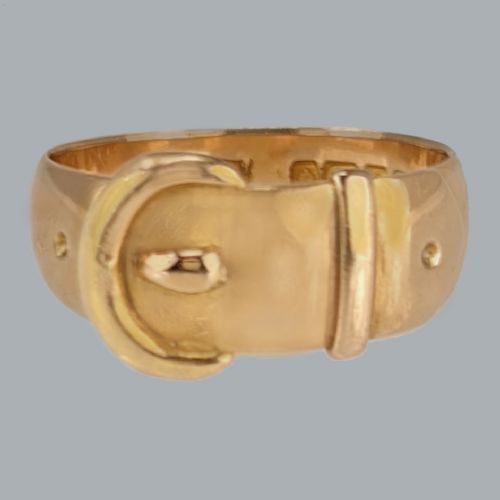


Edwardian Signet Ring
These edwardian signet ring pieces are solid gold heirlooms bearing crests and initials, offering tactile connection to the past through weighty precious metal.
Edwardian Signet Ring
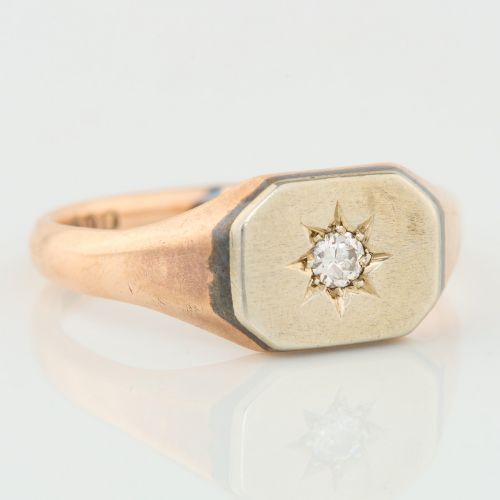
When you search for an edwardian signet ring, you encounter solid gold bands featuring engraved crests, monograms, or hardstone faces designed for personal sealing. These pieces originate primarily from the Edwardian period alongside adjacent Victorian and 1920s eras, reflecting the formal style of the early twentieth century.
Materials and Construction
The listings record construction in nine-carat, fifteen-carat, and eighteen-carat gold, utilising both yellow and rose hues characteristic of the period. Metals are cast and hand-engraved, creating durable shanks designed to withstand daily wear.
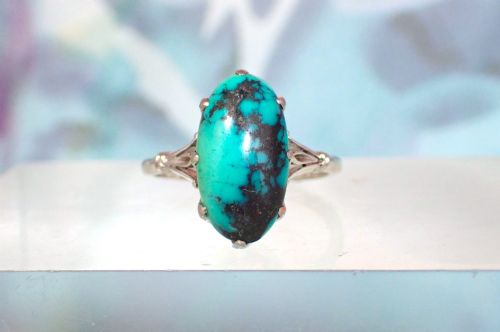
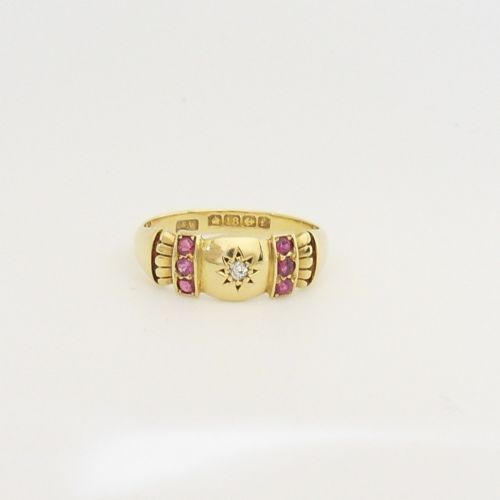
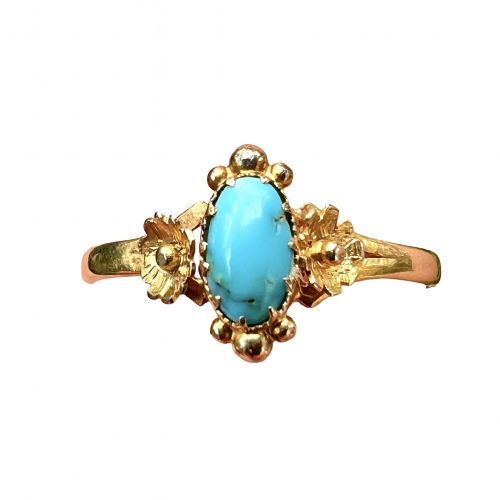
Stones such as diamonds, turquoise, and bloodstone appear flush-set or star-set directly into the gold shoulder or face. Goldsmiths utilised traditional techniques like gypsy setting and stone engraving to integrate ornamentation cleanly into the metal.
Periods represented span from the 19th century through the Edwardian era into the 1920s.
Quality Variations
The distinction between tiers rests upon the weight of the gold and the crispness of the hand-engraving on the face. Pieces with deep, legible monograms or intact crests command greater appreciation than worn examples.
Carat weight of the gold itself, ranging from nine to eighteen carat, dictates the richness of the metal colour and the substantive feel of the band on the hand.
The Edwardian Signet Ring Glossary
- Signet ring
- A ring bearing a crest, monogram, or flat stone historically used to press into hot wax for sealing documents. This form remains a staple of traditional jewellery.
- Gypsy setting
- A mounting style where the stone is flush with the surface of the metal, secured by pushing the surrounding gold over the edges. It protects the girdle of the stone during daily wear.
- Rose-cut
- A vintage diamond cut featuring a flat base and a domed crown with triangular facets. This facet arrangement produces a soft, candlelit reflection rather than modern brilliance.
- Hardstone
- Opaque or semi-opaque minerals such as bloodstone or onyx used for signet faces. These stones provide a dark, smooth background for subsequent engraving.
- Shield crest
- A decorative shape resembling a heraldic shield used on the face of the ring. This geometric outline gives the piece a distinct architectural presence.
Edwardian Signet Ring: Frequently Asked Questions
What is an edwardian signet ring?
An edwardian signet ring is a finger ring made between roughly 1901 and 1910 featuring a flat or stone-set face, often engraved with initials or family crests.
These rings served both a practical purpose for sealing letters and a decorative one as personal jewellery.
How were these rings worn?
Historically, signet rings were worn on the pinky finger or the ring finger of either hand depending on personal and family custom.
Today, they are worn on any finger that provides a secure and comfortable fit for daily use.
How do I tell an Edwardian ring from a Victorian one?
Edwardian rings often display lighter, airier metalwork and a preference for platinum or white gold alongside yellow gold, reflecting changing tastes after the Victorian era.
Victorian pieces frequently lean towards heavier, warmer yellow and rose gold tones with more ornate ornamentation.
Can an engraved signet ring be changed?
The face of a gold signet ring can often be polished down and re-engraved by a skilled silversmith, depending on the depth of the original metal.
However, many collectors prefer to leave the original monogram or crest intact as part of the piece's historical identity.