

1920s Gold Ring
A 1920s gold ring captures the geometric spirit of the period through precious metals and coloured stones.
1920s Gold Ring
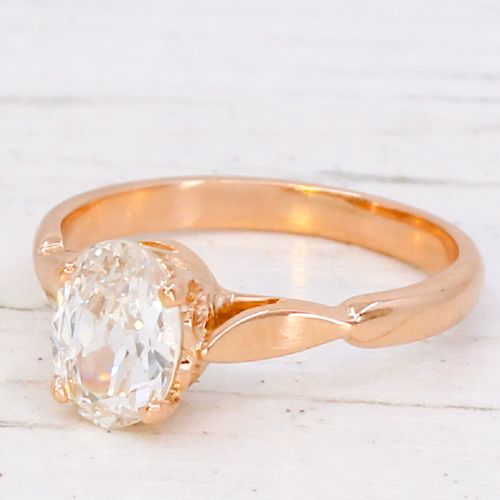
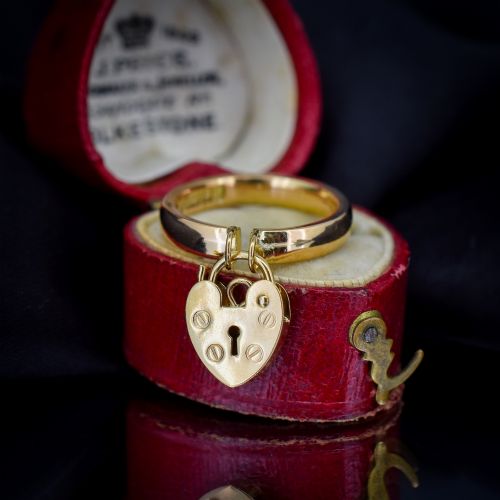
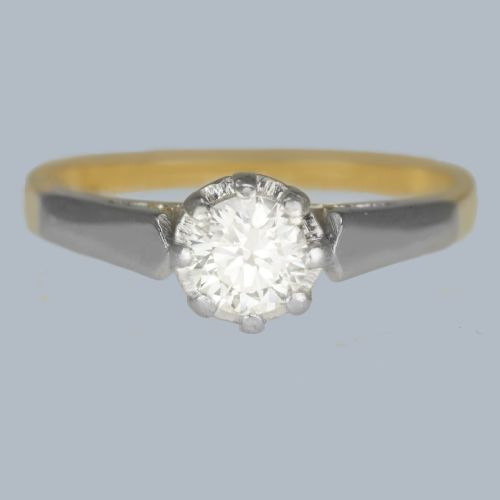
When you search for a 1920s gold ring, you encounter pieces defined by the Art Deco style, alongside classic signet forms and gemstone solitaires. These items reflect the design priorities of the decade, balancing bold geometric layouts with traditional craftsmanship.
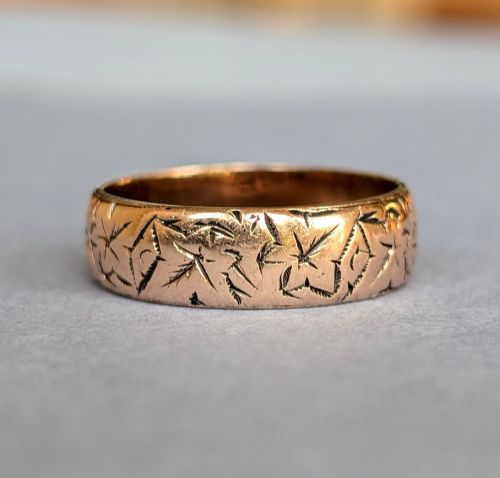
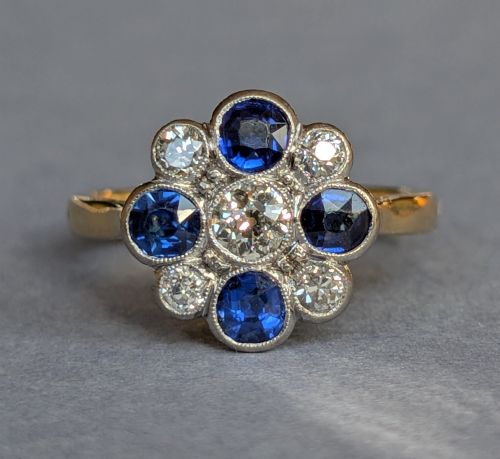
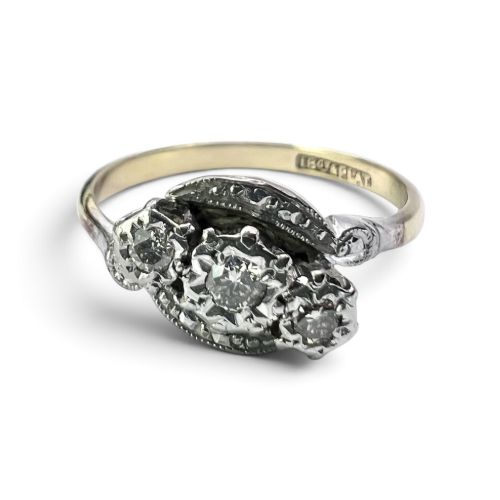
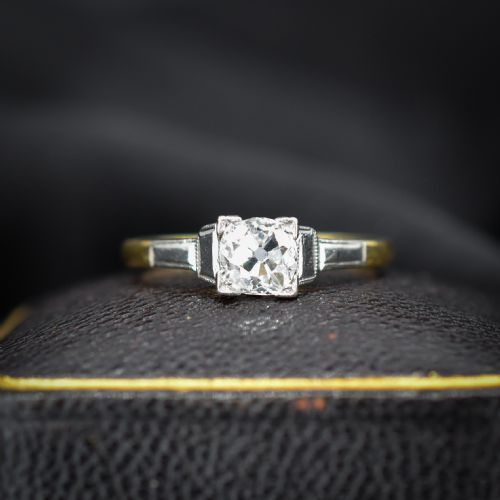
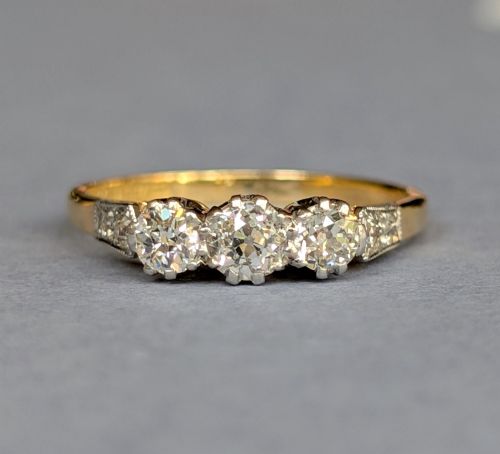
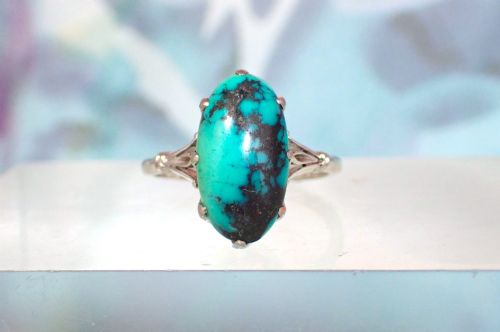
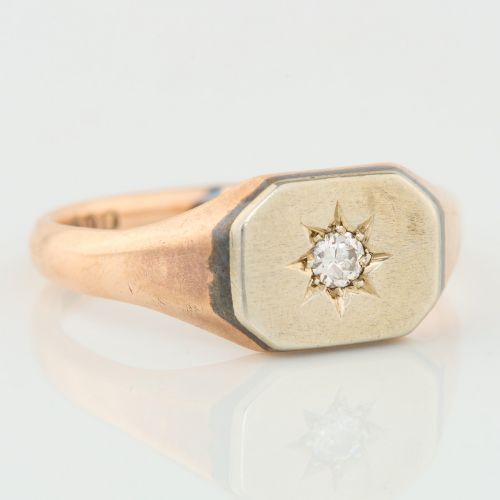
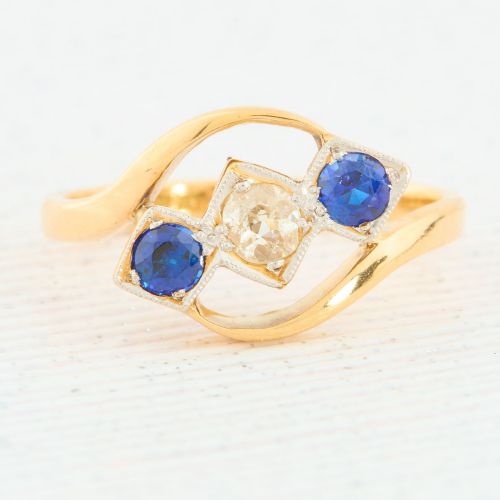
The selections available here span from 9ct rose gold signet rings to substantial solitaires set with emeralds or alexandrite. Archive records show frequent pairings of yellow or white gold with platinum settings, particularly for cluster and diamond engagement rings.
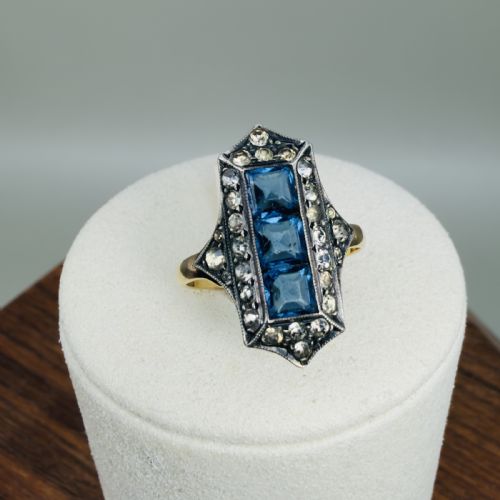
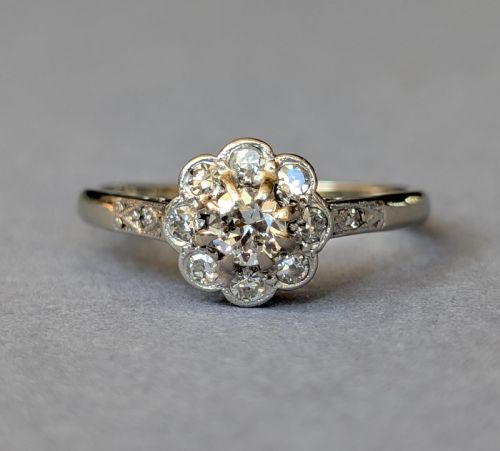
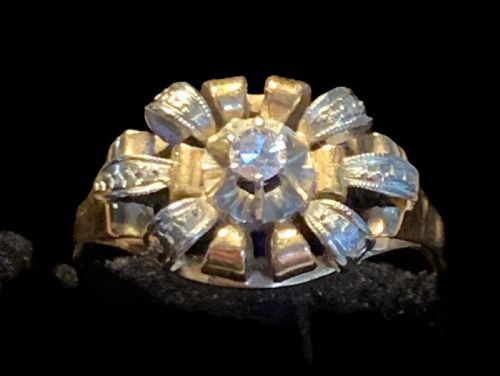
Formations range from five-stone rows and trilogy arrangements to intricate panel rings and carved shell cameos. Buyers find both everyday signet designs and ornate gemstone cluster configurations represented across the inventory.
How they were made
Maker workshops utilised 9ct and 18ct gold in yellow, rose, and white variations, frequently combining gold shanks with platinum settings to enhance diamond brilliance. Gemstones such as diamonds, sapphires, emeralds, rubies, citrine, and amethyst were secured using precise claw and bezel techniques.
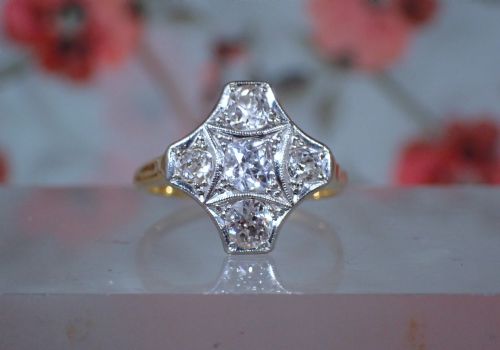
Art Deco construction methods relied on geometric symmetry, integrating calibre-cut stones and millegrain edging alongside hand-carved shell cameos. Panel rings and cluster arrangements demonstrate meticulous metalwork designed to maximise light reflection from old-cut diamonds.
1920s Gold Ring Retail Price Guide 2026
Typical asking prices for 1920s gold ring among the pieces listed under this phrase on Sellingantiques today, from the lower quarter to the upper quarter. They describe what is for sale here now, not the wider market.
Listings feature 9ct and 18ct gold compositions, incorporating rose and white variants alongside platinum settings.
What varies in quality
Quality in these pieces rests upon the crispness of the geometric detailing and the structural integrity of the stone settings. Superior examples display secure stone retention alongside well-preserved engraving and minimal wear to the underlying metal band.
The choice of materials also dictates the character of the piece, with platinum-topped gold mountings and high-carat gemstone selections representing the upper tier of period production. The harmony between the central stone and the surrounding metalwork determines the overall aesthetic success.
The 1920s Gold Ring Glossary
- Art Deco
- A design style dominant in the 1920s characterised by geometric shapes, stylised motifs, and symmetrical patterns. This aesthetic influences the panel and cluster configurations seen in period jewellery.
- Solitaire
- A ring featuring a single gemstone as the primary focal point. These frequently showcase diamonds, emeralds, or alexandrite.
- Signet ring
- A ring traditionally engraved with a crest or initials, or left plain as a solid metal form. Period examples often utilise 9ct rose or yellow gold.
- Cluster ring
- A design where a central stone is surrounded by a group of smaller gems, often forming a daisy silhouette. This arrangement was popular for engagement rings.
- Old cut
- A diamond cutting style prevalent before modern brilliant standards, featuring high crowns and small tables. These stones produce a distinctive softer light.
1920s Gold Ring: Frequently Asked Questions
What defines a 1920s gold ring?
These pieces are characterised by Art Deco geometric design principles and the use of 9ct or 18ct gold, often paired with platinum.
Common forms include diamond clusters, gemstone solitaires, and solid signet rings from the period.
How do I know if it is Art Deco?
Art Deco pieces display strict geometric symmetry, stylized motifs, and panel settings that make extensive use of platinum alongside gold.
Many incorporate old-cut diamonds and calibrated coloured gemstones like sapphires or emeralds.
Were these rings used for engagements?
Many examples in the archive served as engagement rings, particularly the diamond cluster, daisy, and trilogy configurations.
Solitaire settings with diamonds or coloured stones were also chosen for this purpose.