


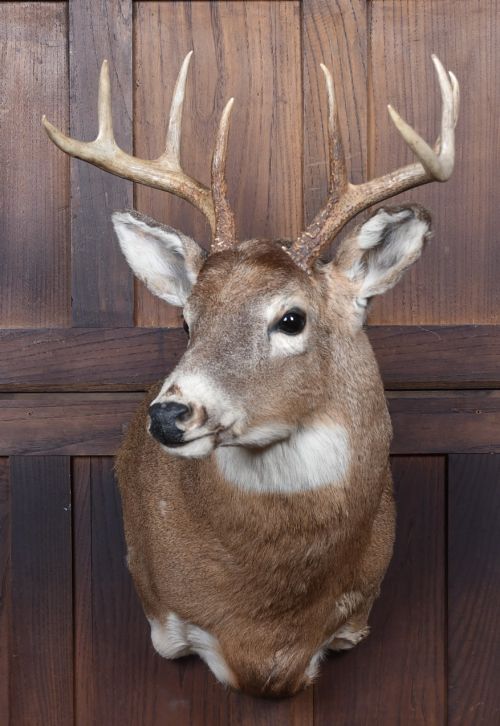
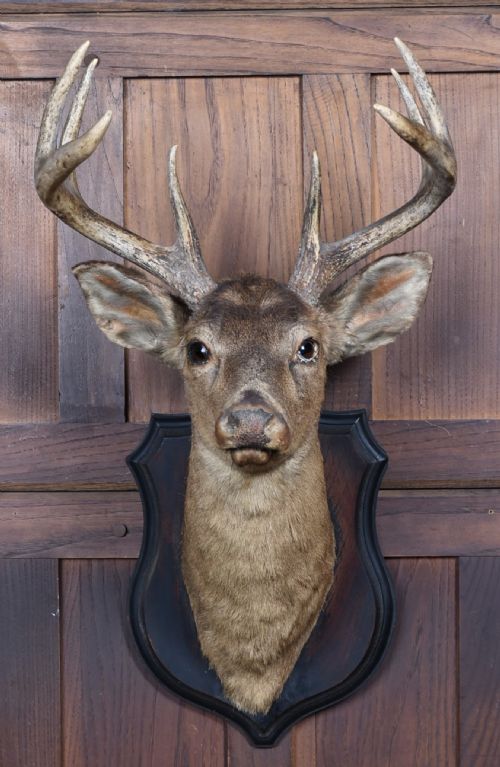

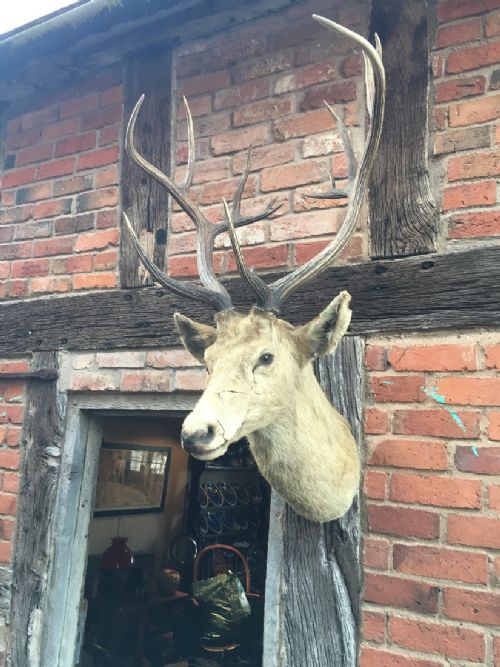


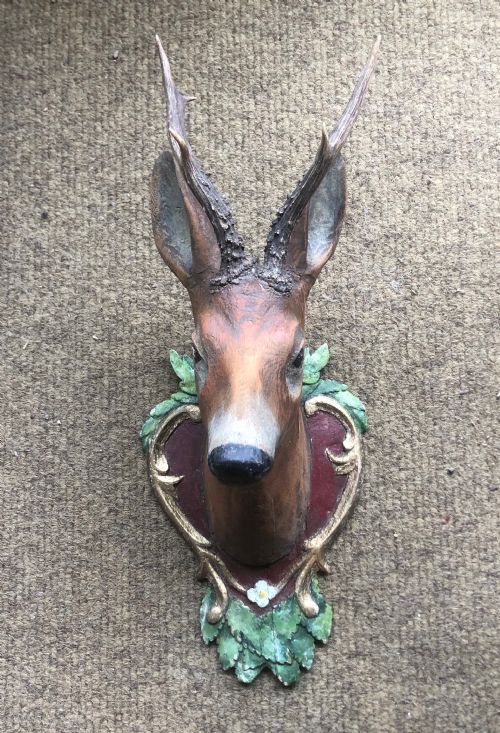

Vintage Stag Head
These vintage stag head pieces bring a rugged sporting character indoors, combining natural antler and carved wood for a striking wall presence.
Vintage Stag Head
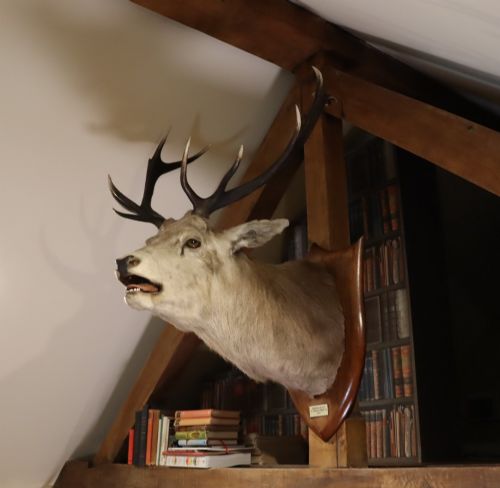
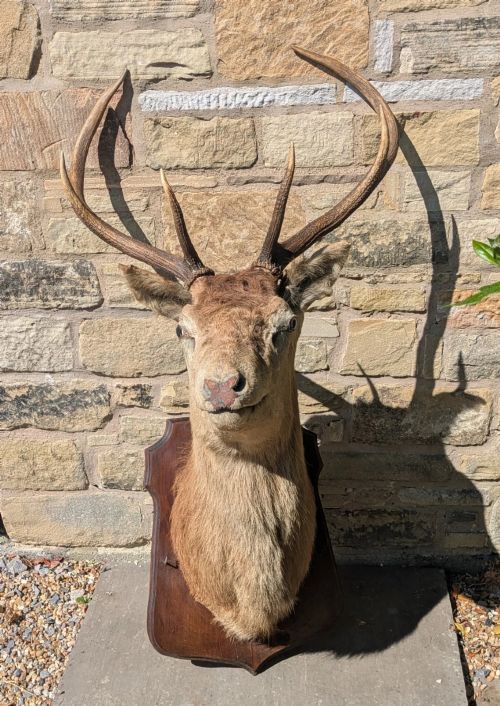
When you search for a vintage stag head, you encounter a distinct mix of taxidermy mounts, carved wooden interpretations, and related lodge decor spanning the nineteenth and twentieth centuries. These pieces reflect traditional sporting aesthetics, originating from various periods including Victorian, Edwardian, and mid-century eras.
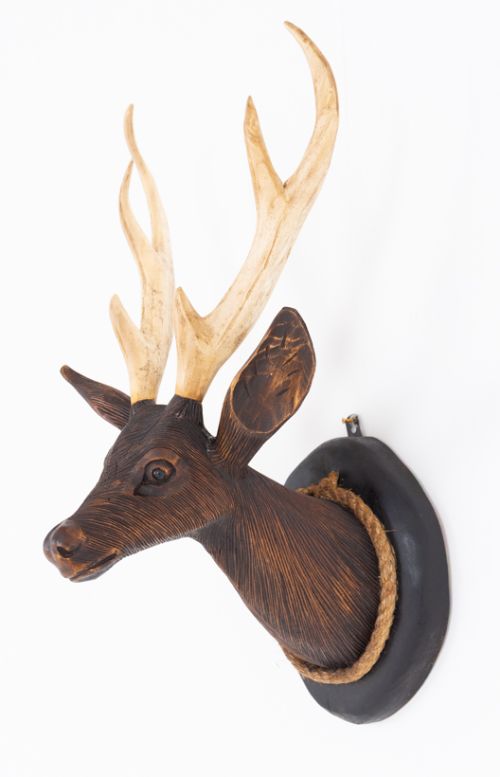
You are most likely to meet taxidermy mounts featuring red deer or roebuck antlers, alongside Black Forest style carved walnut wood sculptures. The forms range from naturalistic wall mounts on carved shields to functional items like cuckoo clocks and inkstands incorporating the motif.
The aesthetic draws heavily on Highland traditional and sporting themes, utilising natural animal components and skilled carpentry. These works served as decorative trophies or functional furnishings in country houses and hunting lodges.
Assessing quality and craftsmanship
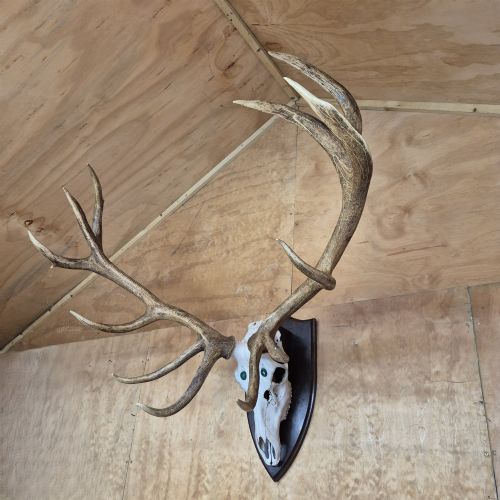
Quality in taxidermy mounts is determined by the symmetry and point count of the antlers, the condition of the natural materials, and the proportion of the skull or shield. Superior examples demonstrate expert preservation and secure mounting that maintains the natural posture of the animal.
In carved wooden pieces, the depth and crispness of the hand-carved details separate finer works from simpler productions. The integration of the animal motif into functional objects like clocks or inkstands reveals the maker's skill in balancing ornamentation with utility.
Vintage Stag Head Retail Price Guide 2026
Typical asking prices for vintage stag head among the pieces listed under this phrase on Sellingantiques today, from the lower quarter to the upper quarter. They describe what is for sale here now, not the wider market.
Object types span taxidermy wall mounts, Black Forest cuckoo clocks, trade signage, light fittings, and inkstands.
The Vintage Stag Head Glossary
- Taxidermy
- The art of preserving, preparing, and mounting animal skins and antlers for display. This technique forms the basis of natural history wall mounts.
- Black Forest Style
- A nineteenth-century European wood-carving tradition known for realistic animal motifs and deep foliage reliefs. Pieces often include clocks and decorative wall art.
- Shield
- The wooden backing board, frequently carved with oak leaf patterns, upon which antlers or taxidermy heads are mounted for hanging.
- Red Deer
- A large deer species native to Europe, commonly referenced in traditional sporting trophies and multi-point antler sets.
Vintage Stag Head: Frequently Asked Questions
How do I hang a heavy stag head mount safely?
Heavy taxidermy mounts and carved wooden shields require robust wall fixings secured directly into masonry or wooden studs. Utilising appropriate heavy-duty brackets ensures the piece is supported securely by its backing shield.
Verify that the hanging wire or integrated metal loops on the back of the shield can bear the full weight before mounting the piece permanently at eye level.
What is the difference between taxidermy and carved wood stag heads?
Taxidermy stag heads use real animal antlers and preserved biological material combined with wooden shields for an authentic natural display. These specimens capture organic variation and texture derived directly from nature.
Carved wood versions, conversely, are entirely sculpted from timber by artisans, often in the Black Forest style. These objects rely on woodworking skill rather than preserved specimens to depict the animal.
How should I clean vintage taxidermy antlers?
Gentle dusting with a soft, dry brush or a feather duster helps remove surface debris without damaging the delicate natural bone or horn material. Avoid using water or chemical cleaners directly on taxidermy or antique wood.
Keeping the piece away from direct sunlight and excessive moisture preserves the condition of both the natural antlers and the carved wooden mount over time.
How do I date an antique stag head?
Dating relies on examining the style of the wooden shield, the mounting hardware on the reverse, and the materials used in construction. Victorian and Edwardian examples often feature specific carving motifs and traditional brass or iron fixings.
Consulting the recorded period styles, such as 19th Century or 1920s craftsmanship, provides a reliable framework for estimating the age of each individual piece.