
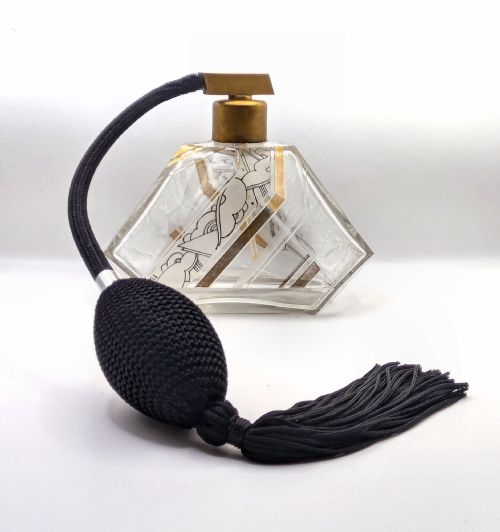


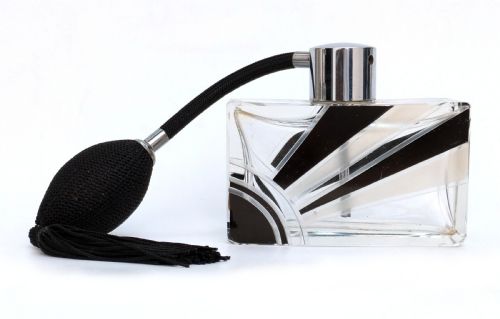


Vintage Spray Perfume Bottle
These vintage spray perfume bottle designs bring Art Deco geometry and functional glamour to a dressing table.
Vintage Spray Perfume Bottle
A vintage spray perfume bottle is a functional dressing table accessory designed to disperse scent through a fine mist. When searching this phrase, a buyer encounters vanity items primarily originating from the nineteen-twenties and nineteen-thirties.
The objects on this page centre on the Art Deco style, taking the form of perfume atomisers and scent bottles. French and Czech workshops dominate the selection, offering substantial glass vessels alongside pieces mounted on stands.
Visitors are most likely to meet Czech glass examples and French pieces from nineteen thirty. These items range from large crystal cut glass bottles to designs incorporating enamel and metal mounts.
How they were made
Maker workshops utilised glass, crystal, and cut crystal to form the main bodies of these perfume bottles. Artisans shaped these materials into geometric or sunray patterns characteristic of the period.
Metal components such as chrome, brass, and enamel were integrated into the mounts and spray mechanisms. Selected pieces also incorporated fabric and early plastics like Bakelite in their construction.
These dressing table accessories were designed so a lady could mist her scent without ever removing a stopper.
What varies in quality
Quality in a vintage spray perfume bottle rests upon the depth of the glass cutting and the clarity of the crystal. Heavier vessels with precise geometric facets demonstrate a higher grade of manufacture than plain pressed glass.
The sophistication of the metal mountings and enamel work further distinguishes standard production from superior pieces. The integration of the spray hardware with the glass body determines the overall visual balance.
Karl Palda·Rudolf Hlousek·René Lalique·Hermanova
The Vintage Spray Perfume Bottle Glossary
- Atomiser
- A device fitted to a perfume bottle that uses a bulb and tube mechanism to turn liquid scent into a fine spray. This hardware is typically mounted to the neck of the glass vessel.
- Art Deco
- A design style from the nineteen-twenties and nineteen-thirties characterised by streamlined geometric shapes, symmetry, and stylised motifs. It defines the visual language of these scent bottles.
- Bakelite
- An early form of synthetic plastic utilised for decorative caps and components on vanity items. Its dense composition provides a distinct tactile contrast to glass.
- Crystal
- A high-clarity glass containing mineral additives that increase weight and brilliance. It allows for deep facet cutting on vanity bottles.
Vintage Spray Perfume Bottle: Frequently Asked Questions
How do these atomisers work?
These pieces use a squeeze bulb attached to a metal pump mechanism that draws liquid up a tube inside the vessel. This forces the perfume out through a fine nozzle to create a mist.
Original mechanisms require gentle handling due to the age of the internal rubber components and metal fittings. Many buyers display them as decorative objects rather than using them daily.
Are these bottles French or Czech?
The selection includes significant examples from both French studios and Czech glasshouses. French pieces often reflect high-end vanity design from the nineteen-twenties.
Czech makers are known for heavy moulded and cut glass vessels produced during the nineteen-thirties. Both origins embraced bold Art Deco aesthetics.
How should I display a vintage perfume bottle?
These bottles suit placement on dressing tables, mirrored vanity trays, or glass-fronted cabinets. Their faceted crystal and enamel details catch natural light effectively.
Keeping them away from direct sunlight protects any integrated fabric or coloured glass from fading over time. Stability is key for larger crystal pieces.
How do I identify nineteen thirties pieces?
Nineteen-thirties examples typically feature strong geometric lines, sunray motifs, and substantial cut crystal or glass bodies. The integration of chrome and enamel hardware is also common to this decade.
Maker attributions and country of origin stamps on the base or mounts help confirm the period of manufacture.