
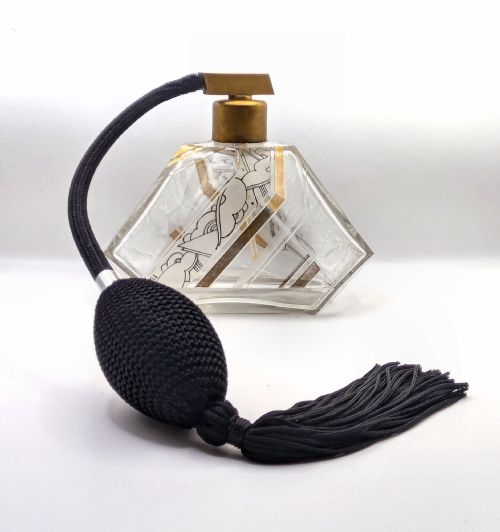


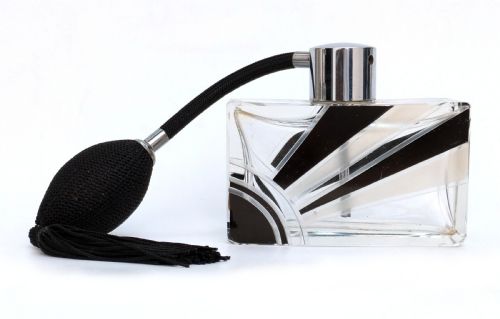


Antique Scent Spray
These antique scent spray pieces are stylish vanity items from the nineteen-twenties and thirties that bring a touch of vintage glamour to any dressing table.
Antique Scent Spray
An antique scent spray is primarily a vanity accessory designed to mist liquid fragrance onto the skin. When searching for an antique scent spray, buyers generally encounter examples dating from the nineteen-twenties and nineteen-thirties.
The objects take the form of perfume bottles and atomisers, often styled in the geometric aesthetic of the Art Deco period. Many incorporate glass or crystal bodies paired with mechanical spray hardware.
Originating from French workshops and Czech glassmakers, these pieces reflect the sophisticated dressing table culture of the interwar years. Visitors to this page will find various interpretations of the perfume atomiser, ranging from standalone glass vessels to mounted designs.
Materials and construction
Makers utilised moulded glass, cut crystal, and sometimes fabric or enamel to construct the main vessels. Coloured and clear glass bodies were shaped into geometric or sunray patterns typical of Art Deco design.
Metal components, including chrome and brass, were incorporated into the spray mechanisms and collars. Early plastics such as Bakelite also appear in certain mounts and closures of the period.
Some bottles are so large they surely required an Olympic-level squeeze of the bulb to release a single drop.
Judging the quality
Quality in these atomisers rests upon the clarity and weight of the glass or crystal used for the body. Heavy cut glass and elaborate moulding indicate a higher standard of manufacture.
The finesse of the metalwork and the presence of named designers or specific factory attributions elevate a piece. Intricate enamel work and complex mechanical mounts further distinguish finer examples from standard production.
Karl Palda·Rudolf Hlousek·René Lalique·Hermanova
The Antique Scent Spray Glossary
- Atomiser
- A device fitted to a bottle to turn liquid perfume into a fine mist. This mechanism typically includes a bulb and metal tubing.
- Art Deco
- A design style from the nineteen-twenties and thirties characterised by sleek geometric shapes and stylised motifs. This aesthetic defines the majority of pieces in this category.
- Cut Crystal
- Glass with a high lead content that has been cut and polished to increase brilliance and weight. This material provides substantial heft to the base of the bottle.
- Bakelite
- An early form of synthetic phenol formaldehyde resin used for decorative caps and fittings. Its presence indicates a specific manufacturing period during the twentieth century.
Antique Scent Spray: Frequently Asked Questions
How do I use an antique scent spray?
These atomisers are designed to dispense perfume through a squeeze bulb mechanism attached to metal hardware.
Exercise care when handling historical mechanisms, as the original rubber parts often degrade over time.
What periods do these atomisers represent?
The available selection concentrates heavily on the nineteen-twenties and nineteen-thirties.
This era coincides with the height of the Art Deco movement in European decorative arts.
Where were these glass bottles made?
Many examples originate from French design houses and Czech glass-producing regions.
Distinctive regional techniques are visible in the cut crystal and enamel work.
How should I display my perfume atomiser?
These decorative objects sit well on dressing tables, mirrored trays, or glass shelves where light can pass through the crystal.
Keep them away from direct sunlight to protect any applied enamel or fabric elements.