
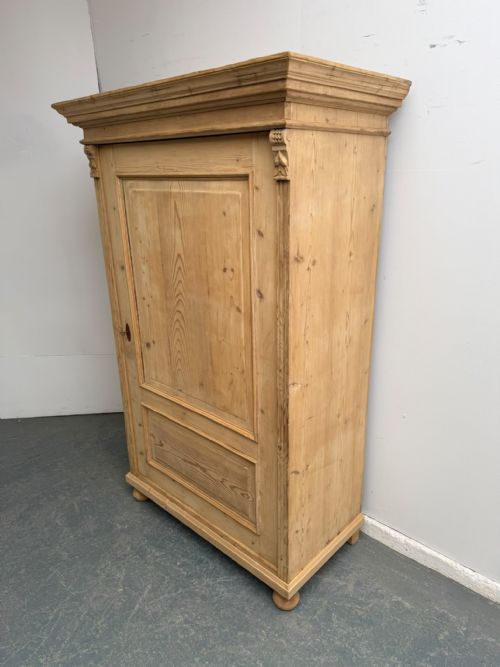
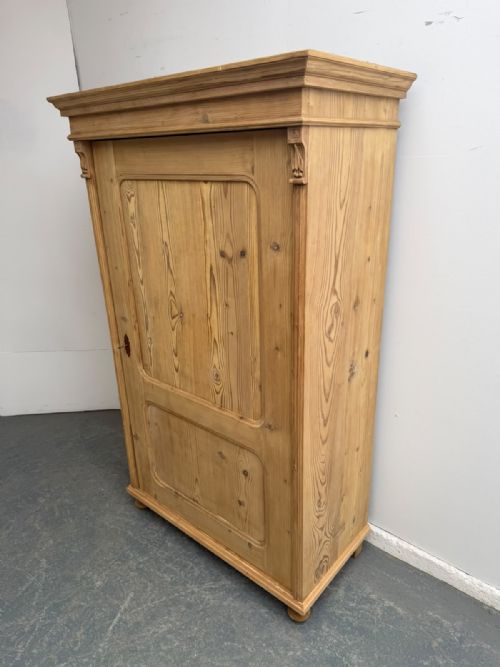
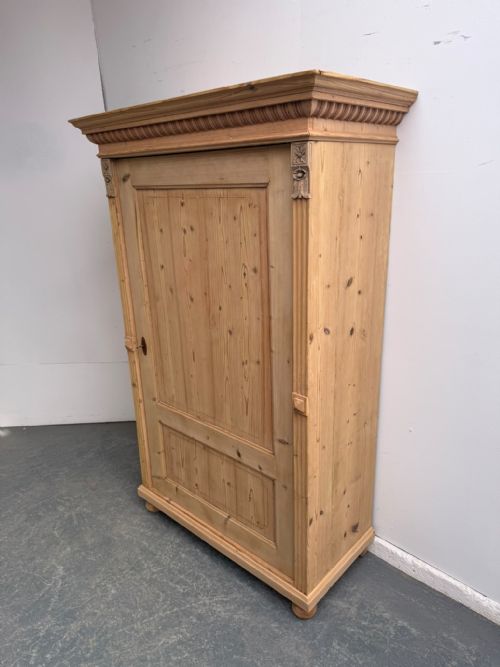
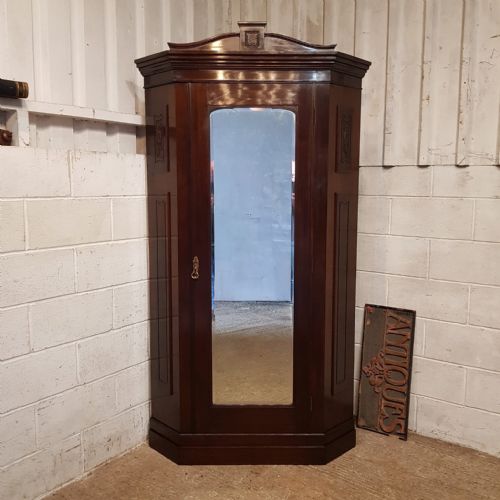
Vintage Single Door Armoire
When you search for a vintage single door armoire, you find tall storage pieces designed for bedrooms and halls, offering character and compact hanging space.
Vintage Single Door Armoire
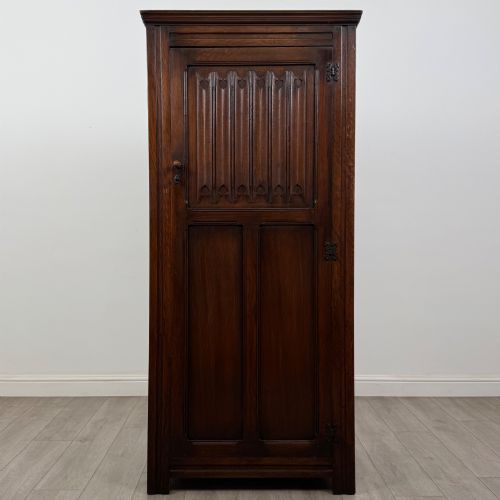
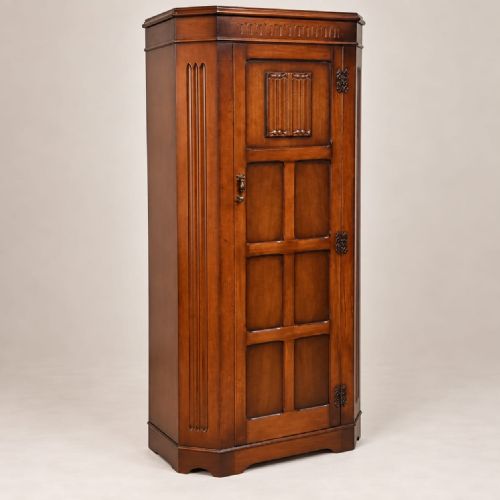
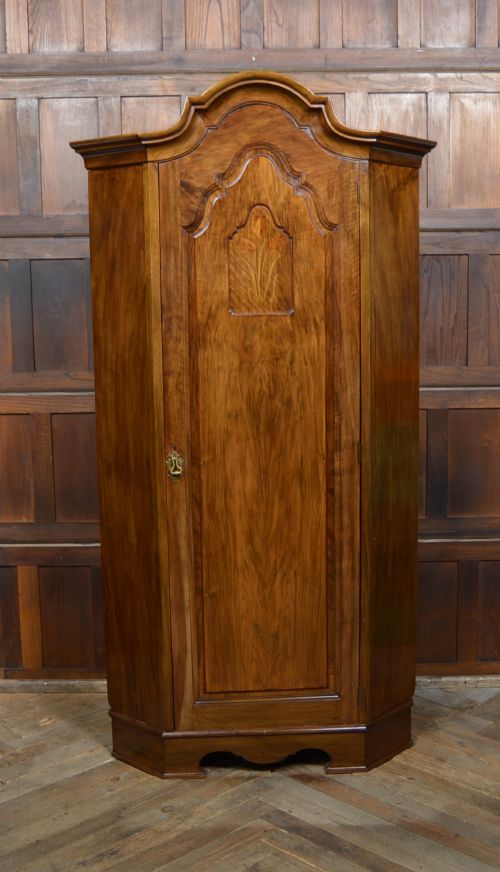
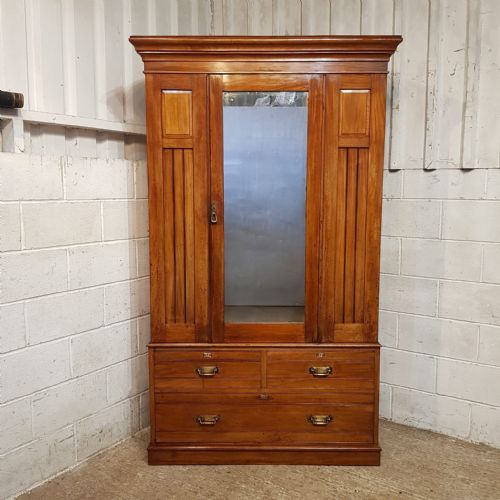
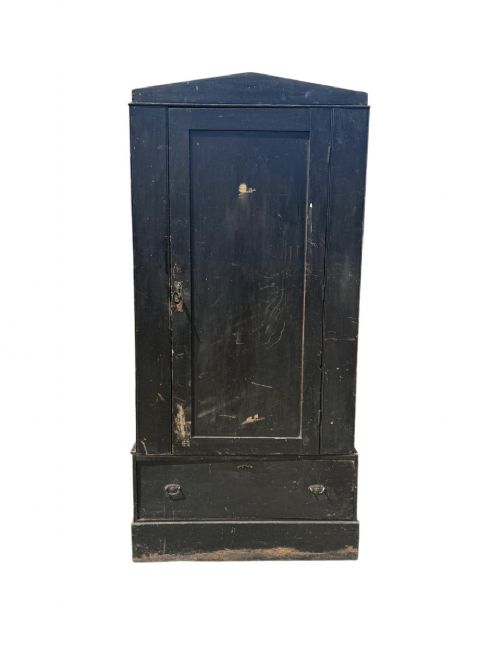
A vintage single door armoire encompasses wardrobes, hall robes, and tall cupboards originating from periods including the Victorian and Edwardian eras, as well as the 1920s and 1930s. Buyers searching this phrase most commonly meet single-door timber wardrobes and cupboards designed to maximise vertical storage in smaller rooms.
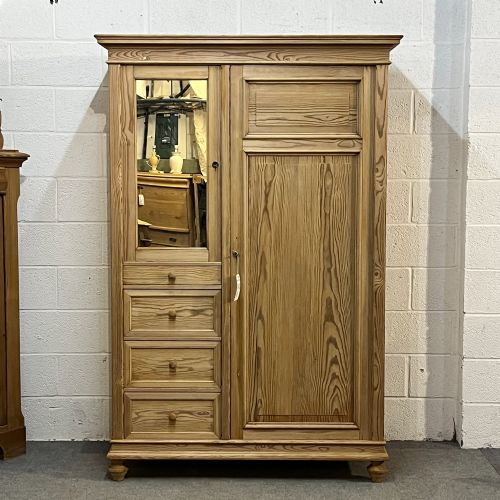
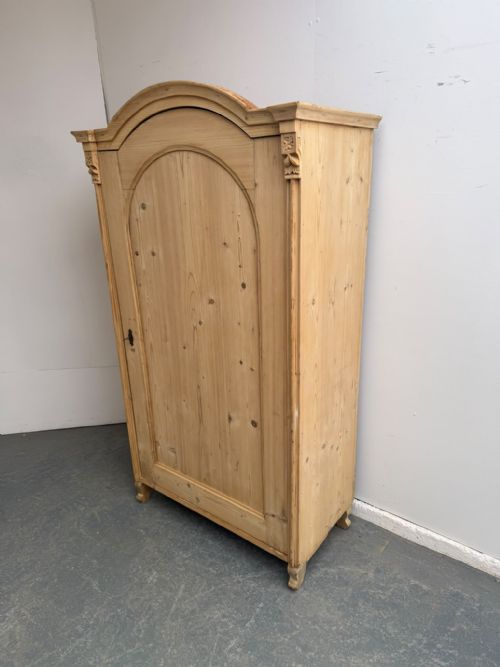
The objects serve as functional bedroom storage or hallway furniture, often featuring internal hanging space, shelves, or drawers. Formats range from plain waxed pine cupboards to detailed walnut and mahogany wardrobe designs with mirrors or carved panels.
Materials and construction
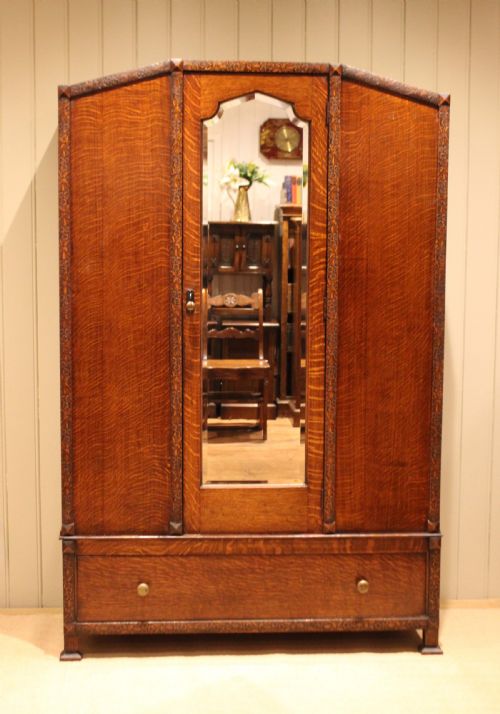
Constructed primarily from solid hardwoods and softwoods, these pieces utilise oak, pine, walnut, and mahogany, frequently enhanced with brass hardware, glass mirrors, and iron accents. Cabinetmakers employed traditional joinery techniques to build durable frames, incorporating fielded panels and carved detailing suited to styles like Art Nouveau and Jacobean Revival.
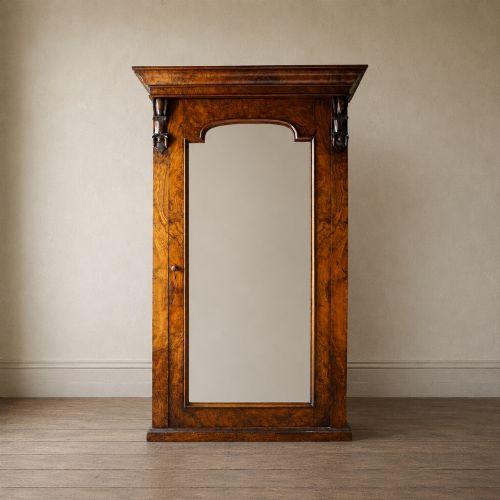
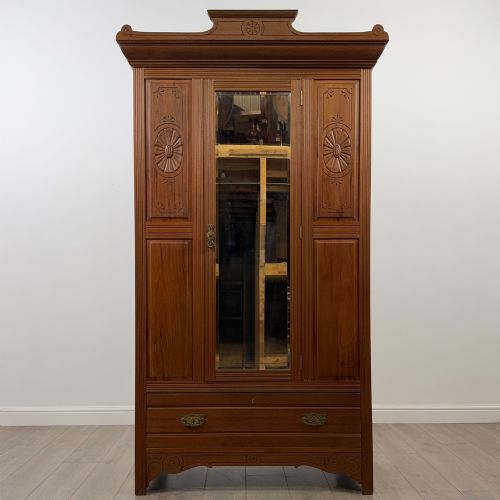
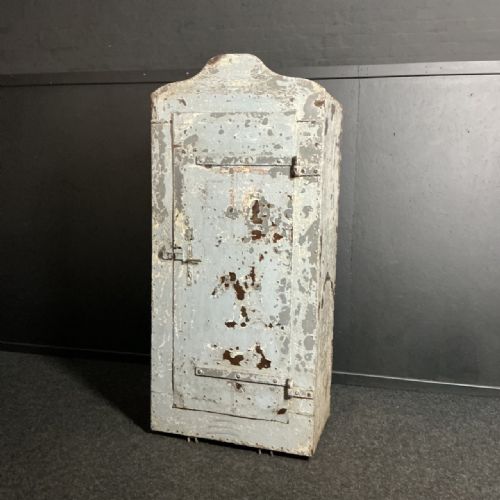
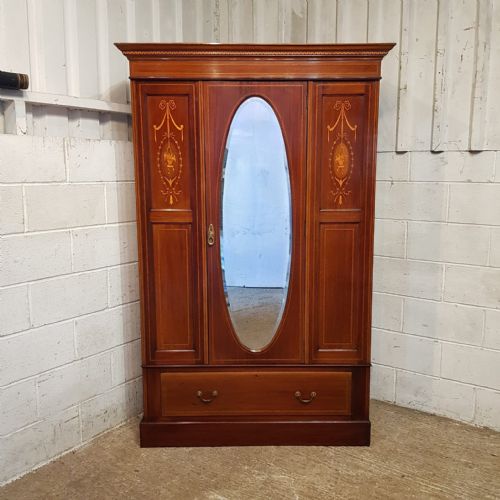
Surface finishes vary widely across the inventory, ranging from natural waxed pine and polished oak to painted steel, polychrome decoration, and grey painted wood. Certain examples integrate decorative inlay work or feature mirrored doors set into the single timber frame.
Some pine cupboards arrive ready for a fresh coat of paint, while others retain decades of enthusiastic wax polish.
What sets examples apart
Quality differences stem from the selection of timber and the sophistication of decorative enrichment, such as figured walnut grain, intricate carving, or specialist inlay. Finer examples display superior proportion and original fitted elements like internal drawers or hooks.
The presence of maker labels, such as those from Heals of London, alongside original glass mirrors and brass fittings, distinguishes exceptional pieces from standard utility storage cupboards.
Heals of London
The Vintage Single Door Armoire Glossary
- Armoire
- A tall cupboard or wardrobe used for hanging clothes and storing linens. Originally French, the term now applies to various single and double door freestanding wardrobes.
- Compactum
- A multi-functional wardrobe that combines hanging space with internal drawers, shelves, or compartments. This form provides comprehensive storage within a single footprint.
- Fielded panel
- A wooden panel with bevelled edges that sits within a frame, allowing the wood to expand and contract with humidity changes. It adds depth and shadow lines to cabinet doors.
- Linen fold
- A carved wood pattern resembling folded linen cloth, popular in Gothic Revival and Jacobean Revival furniture. This decorative motif often embellishes solid oak cabinet doors.
- Pitch pine
- A durable, resinous pine variety sourced primarily from North America and used extensively in Victorian furniture making. It displays a strong grain pattern and reddish hue.
Vintage Single Door Armoire: Frequently Asked Questions
What is a single door armoire used for?
These pieces provide vertical storage for garments, linens, and household items in rooms with limited floor space. They function primarily as wardrobes or hall robes.
Interior layouts often include hanging rails, hooks, or built-in drawers depending on whether the piece is a compactum or a simple storage cupboard.
How do I date a vintage armoire?
Dating relies on identifying stylistic markers, construction methods, and materials associated with periods like the Victorian era, Edwardian period, or the 1920s and 1930s. Art Nouveau curves, Jacobean linen fold carving, and specific brass hardware offer clear chronological clues.
Makers' labels, when present, provide definitive confirmation of a piece's origin and manufacture date.
Are these wardrobes easy to move?
Most single door wardrobes are built as solid, single-piece carcasses rather than dismantleable units. Measuring stairways, doorways, and ceiling heights is essential before moving them into position.
Removing internal shelves and doors can reduce weight and simplify transport.
What woods were commonly used?
Pine appears frequently in utilitarian and country pieces, often finished with wax or paint. Hardwoods like oak, walnut, and mahogany were reserved for more formal Victorian and Edwardian examples.
Secondary woods and occasional ash or satinwood accents also appear across different regional styles and periods.