







Victorian Medical Cabinet
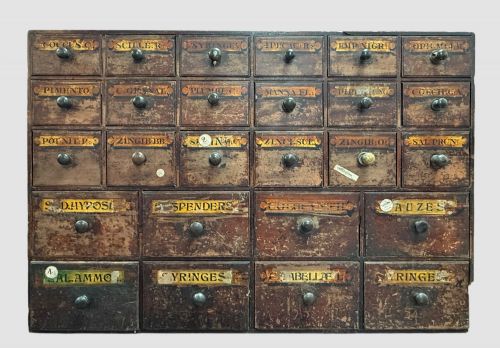
These victorian medical cabinet pieces are tangible relics of clinical history, offering collectors a striking glimpse into nineteenth-century science.
Victorian Medical Cabinet
A victorian medical cabinet encompasses a fascinating range of storage forms, from apothecary chests to dentist cabinets designed for specialised practice. Buyers examining this category encounter various utilitarian structures spanning the nineteenth century.
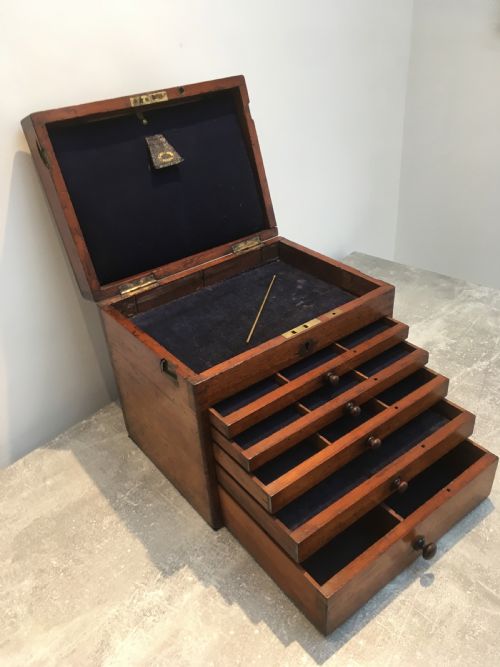
The objects listed here include pine skeleton cupboards, mahogany instrument cases, and burr walnut dentist cabinets. These pieces reflect the clinical and scientific storage needs of the period.
How they were made
Cabinetmakers utilised dense timbers such as mahogany, burr walnut, and pine to construct these robust medical enclosures. Brass hardware, glass panels, and velvet linings frequently complete the internal and external composition of the pieces.
Internal fittings often include specialised compartments designed to secure fragile glass bottles, test lenses, and precision instruments. Original finishes remain visible on several surviving examples.
Victorian Medical Cabinet Retail Price Guide 2026
Typical asking prices for victorian medical cabinet among the pieces listed under this phrase on Sellingantiques today, from the lower quarter to the upper quarter. They describe what is for sale here now, not the wider market.
Some cabinets still guard the faint, lingering aroma of historic remedies locked away in their tiny apothecary drawers for over a century.
What varies in quality
Quality rests upon the selection of timbers and the sophistication of the internal configuration for specialised instruments. Pieces featuring burr walnut or detailed inlay demonstrate superior cabinetmaking ambition compared to simpler pine utility cupboards.
The survival of original glass bottles, complete lens kits, or intact internal velvet linings elevates the significance of an individual cabinet.
The Victorian Medical Cabinet Glossary
- Apothecary
- A practitioner who prepared and prescribed medicine before the modern pharmaceutical industry developed. These professionals relied on specialised wooden chests and banks of drawers to organise their remedies.
- Burr walnut
- A highly prized timber figure featuring intricate swirling patterns formed from tree growths. Cabinetmakers utilised this decorative wood for high-status medical and dental storage furniture.
- Skeleton cupboard
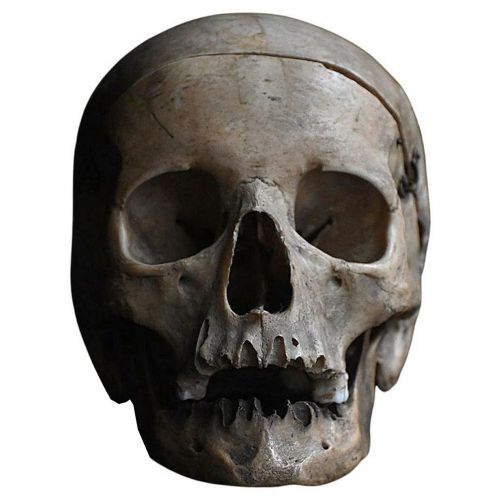
- A tall cabinet specifically designed to house anatomical teaching aids and skeletal models. These pieces typically feature single-door access and internal shelving for display.
- Instrument case
- A fitted wooden box engineered to protect delicate brass and steel medical tools. These portable cases contain precision slots tailored to individual instruments.
Victorian Medical Cabinet: Frequently Asked Questions
What are victorian medical cabinets?
These pieces are specialised wooden storage units and display cases utilised by nineteenth-century practitioners, apothecaries, and dentists.
They encompass a variety of forms, ranging from desktop apothecary boxes to large standing cupboards designed to hold instruments and specimens.
How were these cabinets used?
Practitioners used them to organise and secure medicines, optical test lenses, dental tools, and anatomical specimens.
The fitted interiors protected fragile glass bottles and precision instruments from damage during daily clinical practice.
What timbers were used?
Cabinetmakers primarily constructed these pieces using mahogany, burr walnut, and pine.
Finer examples incorporate decorative veneers and brass hardware, whilst utilitarian pieces favour sturdy softwood construction.
How do I identify the period?
Dating relies on structural characteristics, timber selection, and associated hardware styles spanning the nineteenth century.
Documentation, construction methods, and the presence of original internal fittings help distinguish specific eras within the Victorian timeframe.