


Vintage Silverware Tableware
These vintage silverware tableware items bring period character to the table, offering practical service pieces from centuries past.
Vintage Silverware Tableware
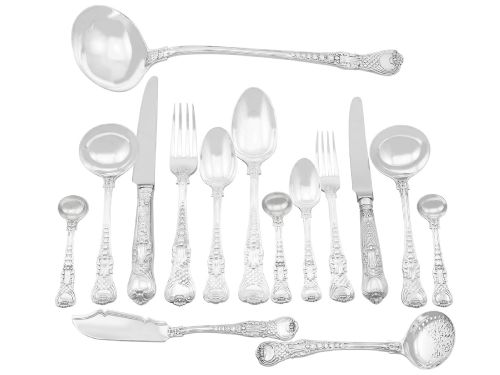
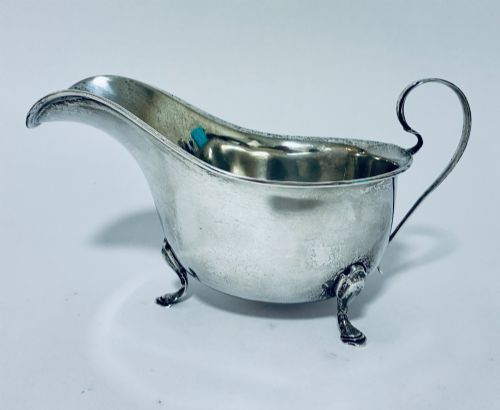
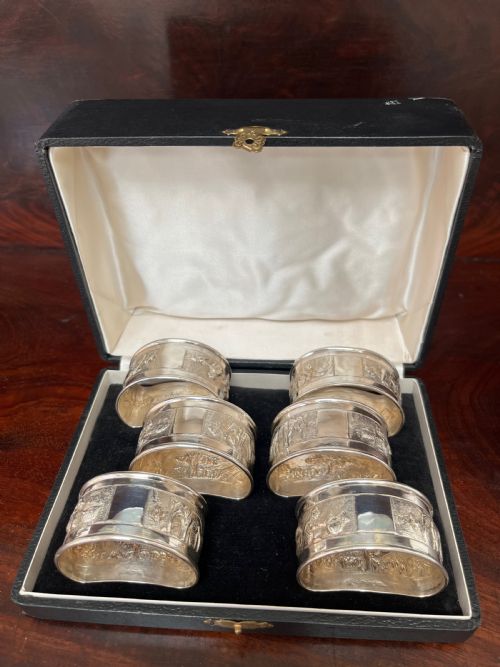
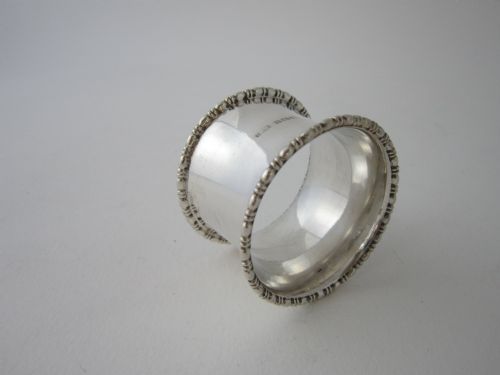
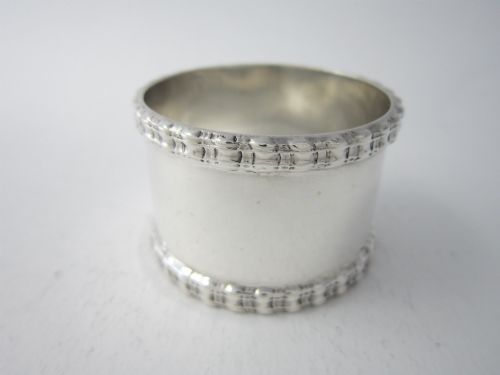
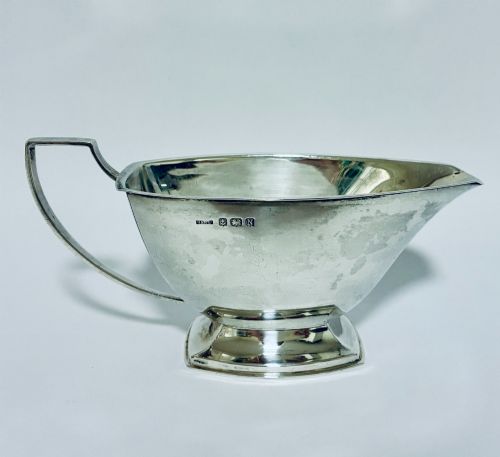
Vintage silverware tableware encompasses dining accessories produced across the Georgian, Victorian, Edwardian, and mid-twentieth-century periods. These items range from napkin rings and toast racks to grape scissors, sugar tongs, and sauce boats.
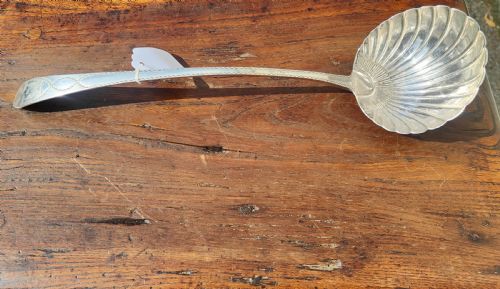
The pieces on this page include sterling silver and silver-plated utensils designed for formal dining and tea service. Collectors encounter specialised implements such as soup ladles, cream jugs, and menu card holders alongside cased sets.
Origins span Irish, English, and Scottish silversmiths working in major manufacturing centres like Birmingham, Sheffield, and London. Forms reflect the changing dining habits of the eighteenth, nineteenth, and twentieth centuries.
Materials and production methods
Silversmiths utilised solid sterling silver and silver plate over base metals, shaping items through hammering, casting, and piercing. Fitted presentation cases often incorporate wood, leatherette, velvet, and silk linings.
Techniques varied from hand-wrought Georgian forms to mass-produced Edwardian and Art Deco tableware. Makers applied hallmarks and maker marks to precious metal items to denote standard and origin.
Current listings feature sterling silver and silver plate across Victorian, Edwardian, and Georgian periods.
Markers of quality and craftsmanship
Quality rests in the weight of the metal, the crispness of chased or engraved decoration, and the integrity of structural joins. Superior pieces exhibit balanced proportions and careful finishing in concealed areas.
The distinction between solid sterling silver and silver plate affects longevity, though high-grade plating with substantial silver content retains its appeal. Maker attribution to notable workshops adds distinction to individual items.
Barker Brothers·Hamilton & Inches·Josiah Williams & Co·Paul Storr·Reilly & Storer
The Vintage Silverware Tableware Glossary
- Sterling silver
- A silver alloy containing 92.5 percent pure silver and 7.5 percent other metals, usually copper. This standard has been legally regulated for centuries.
- Silver plate
- A base metal such as copper or nickel silver covered with a thin layer of pure silver. This method offered an accessible alternative to solid silver.
- Hallmark
- A series of official stamps applied to precious metals indicating the maker, assay office, standard of purity, and year of testing. These marks provide a secure method of dating.
- Toast rack
- A small table implement featuring vertical metal dividers designed to hold slices of toast upright. They became popular breakfast table accessories during the Georgian and Victorian eras.
- Grape scissors
- Specialised shears with curved blades used for serving fruit at the table without bruising the grapes. Finer examples feature decorative cast handles.
Vintage Silverware Tableware: Frequently Asked Questions
How do I clean antique silver?
Clean silver using a gentle, non-abrasive polish and a soft cloth to preserve the underlying metal and any engraved details.
Avoid harsh chemical dips that strip away natural patination and can damage fitted cases lined with velvet or silk.
What is the difference between sterling and plate?
Sterling silver contains a legally defined high proportion of pure silver throughout the entire object, bearing official hallmarks.
Silver plate consists of a base metal coated with a thin layer of silver, which may reveal the underlying metal where wear occurs.
How do I date antique tableware?
Examine the stamped hallmarks on precious metal pieces to identify the assay office letter and date cipher corresponding to active years.
Stylistic cues such as Georgian neoclassical lines or Art Deco geometry also assist in determining the period of manufacture.
How were grape scissors used?
Grape scissors were employed during formal Victorian and Edwardian dinners to sever individual portions of fruit from the main bunch.
This kept fingers clean and maintained table etiquette during multi-course dining experiences.
Can I use these items daily?
Many solid silver and plated tableware items remain robust enough for regular use at modern dining tables.
Hand washing without soaking prevents damage to organic handle materials or fitted presentation boxes.