





Vintage Silver Vanity Casket
A vintage silver vanity casket holds the small treasures of a dressing table, combining precious metal with glass, tortoiseshell or enamel.
Vintage Silver Vanity Casket
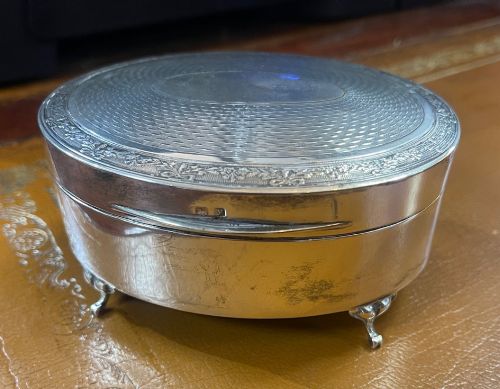
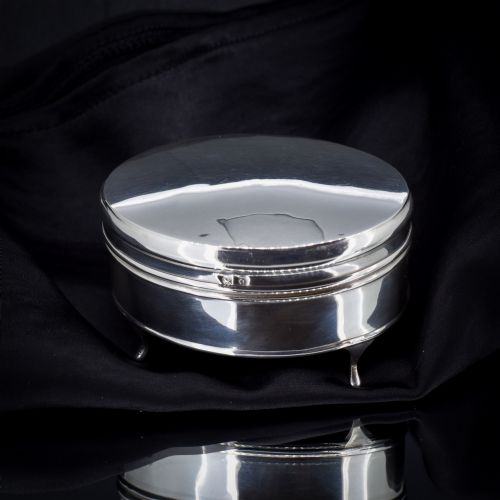
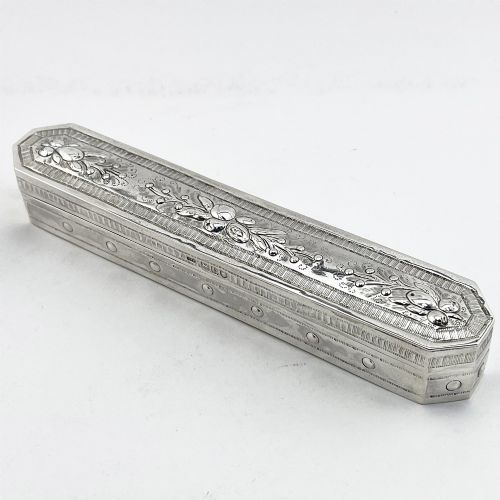
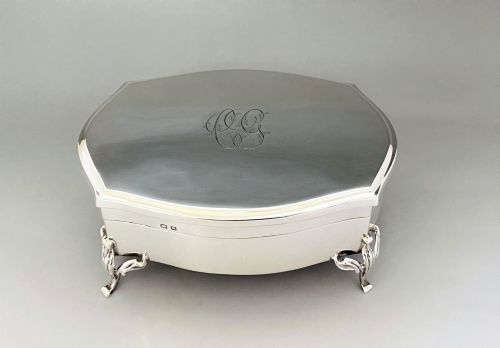
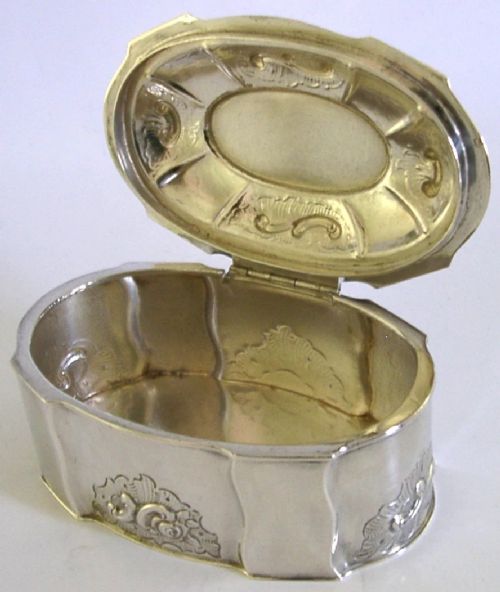
A vintage silver vanity casket is primarily a dressing table box designed to hold jewellery, trinkets, or dressing accessories. The examples seen here range from small trinket boxes to substantial jewellery caskets and table boxes.
Most pieces date from the Edwardian era through the Art Deco period and into the mid-century. Forms include oval, heart-shaped, and domed boxes, alongside larger dressing table caskets resting on feet or incorporating trays.
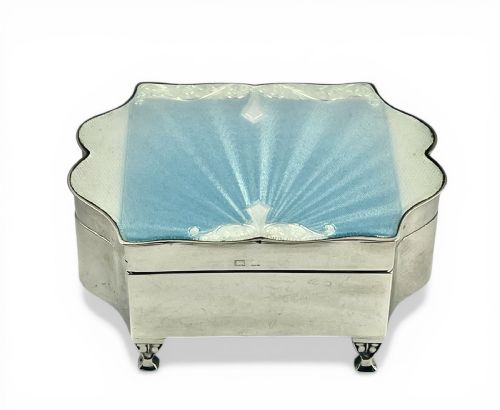
Materials extend beyond plain metal to incorporate tortoiseshell, blue enamel, cut glass, white onyx, and ebonised wood. Continental European makers also contribute silver and cut glass hinged boxes to the selection.
How they were made
The construction of these pieces relies on sterling silver or solid silver frames combined with contrasting materials such as tortoiseshell, cut glass, and enamel. Metalsmiths shaped the silver bodies through pressing, casting, and hand-finishing, often adding intricate hinges and protective feet.
Decorative lids frequently feature inlaid motifs, engine-turning, or applied enamel work, particularly on Art Deco pieces from Birmingham and continental workshops. Interiors are commonly lined with velvet, satin, or wood to protect delicate contents.
Vintage Silver Vanity Casket Retail Price Guide 2026
Typical asking prices for vintage silver vanity casket among the pieces listed under this phrase on Sellingantiques today, from the lower quarter to the upper quarter. They describe what is for sale here now, not the wider market.
Listings feature pieces spanning from the nineteenth century to the mid-twentieth century, incorporating sterling silver, tortoiseshell, cut glass, and enamel.
What varies in quality
Quality in these caskets is determined by the weight of the metal and the precision of the construction. Heavier gauge silver provides structural rigidity and prevents denting, distinguishing superior boxes from lighter alternatives.
The integration of secondary materials such as tortoiseshell, enamel, and cut crystal reveals the maker's skill. Seamless joints, crisp hallmarks, and well-fitted hinges that hold their position indicate careful workshop production.
B And Co·Mappin And Webb·Posen Of Frankfurt And Berlin·Deakin And Francis
The Vintage Silver Vanity Casket Glossary
- Hallmark
- Official stamps struck into precious metals to guarantee purity and origin. These marks typically include maker's initials, city assay offices, and date letters.
- Guilloché
- A decorative technique where a precise, intricate pattern is mechanically engraved into metal beneath a translucent layer of enamel. This method creates a shimmering background effect on vanity box lids.
- Tortoiseshell
- The mottled brown and amber shell of certain turtle species utilised for decorative veneer on nineteenth and early twentieth-century boxes. It is often paired with silver piqué work or mounted in silver frames.
- Pot Pourri Box
- A specialised lidded container featuring a pierced or perforated cover designed to diffuse scent from dried botanicals. Many share forms with standard jewellery and trinket boxes.
Vintage Silver Vanity Casket: Frequently Asked Questions
What were vanity caskets used for originally?
These caskets served on dressing tables to store rings, necklaces, hairpins, and small cosmetics out of sight. Wealthy owners kept them within easy reach during daily dressing routines.
Over time, their uses expanded to include holding visiting cards, cuff links, and personal mementos. They remained staple bedroom accessories throughout the Victorian, Edwardian, and Art Deco eras.
How do I clean a silver vanity box?
Maintenance requires a soft cloth and a reputable silver polish formulated to remove tarnish without abrading the metal surface. Care must be taken around enamel, tortoiseshell, or glass inserts.
Harsh chemical dips should be avoided, especially on hinged pieces where liquid can seep into internal linings or damage wooden and fabric interiors.
How can I tell the period of a silver casket?
Assay office hallmarks and date letters stamped into the silver provide the most precise indication of manufacture. Birmingham, London, and international offices used specific alphabetical sequences each year.
Stylistic cues also help determine the era, such as neoclassical Revival motifs on Edwardian boxes or geometric lines and blue enamel on Art Deco pieces.
Are these boxes suitable for modern jewellery storage?
Most vintage caskets function well for everyday organisation of rings, earrings, and small chains on a modern dressing table. Their original velvet or satin linings provide a soft resting place for precious items.
Larger pieces accommodate heavier bracelets and watches, though checking the integrity of the hinges ensures secure daily use.