



Vintage Silver Tea Canister
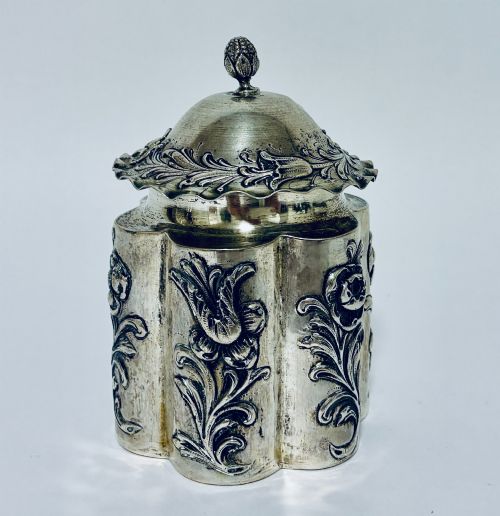
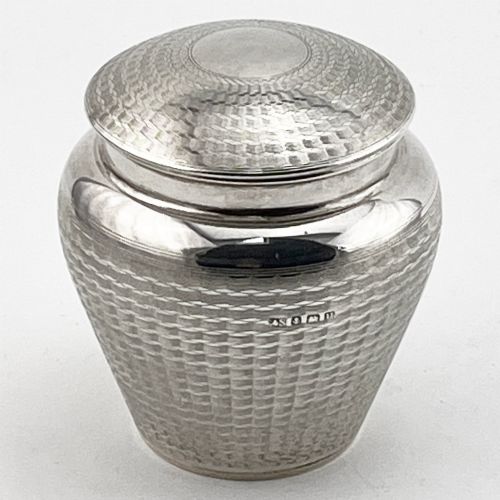
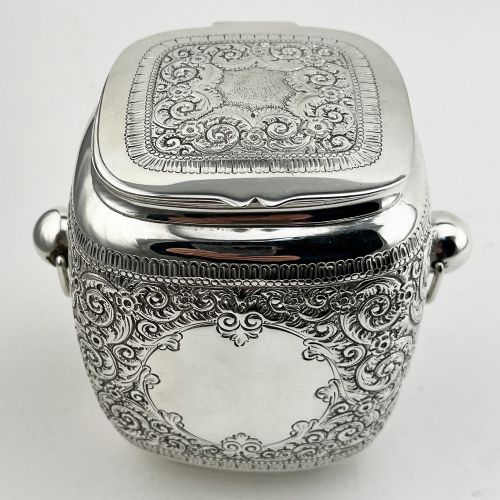
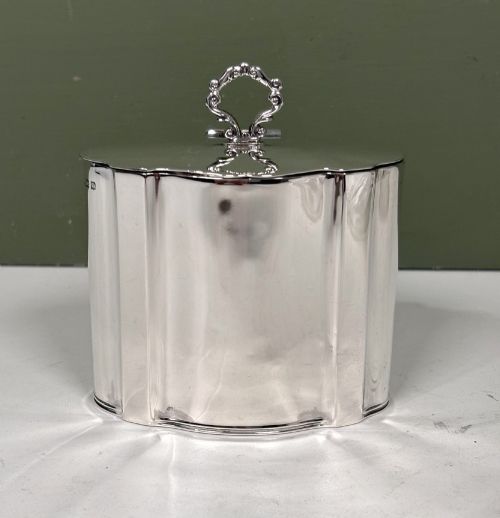
These vintage silver tea canister options are domestic treasures designed to preserve precious leaf, most often found in sterling silver and Edwardian styles.
Vintage Silver Tea Canister
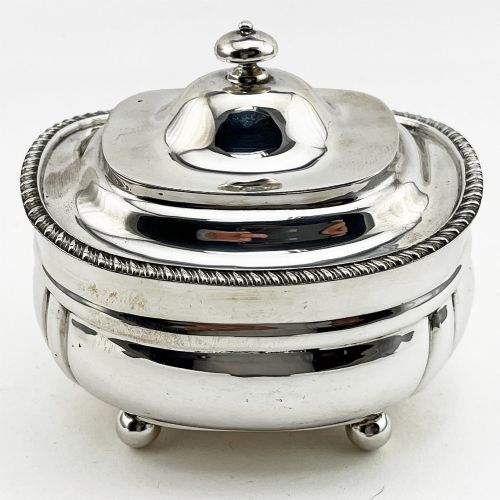
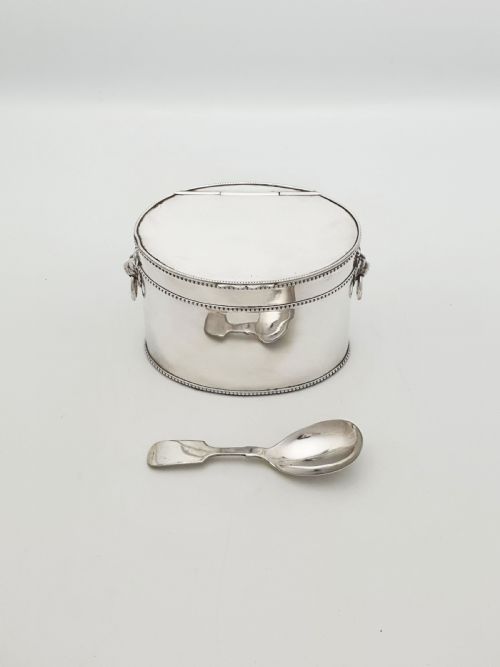
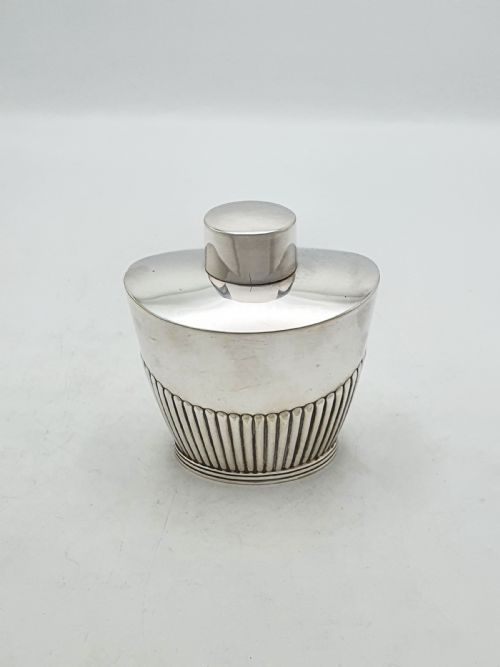
When you search for a vintage silver tea canister, you encounter vessels designed to keep dried tea leaves dry and fragrant before the pot is brewed. These containers range from compact Victorian and Edwardian examples to robust George V pieces made in London, Birmingham and Sheffield.
You are most likely to meet solid silver and silver plated tea caddies on this page, alongside associated items like caddy spoons and cut crystal combinations. Styles stretch across Edwardian refinement, Art Deco geometry, and revival movements including Georgian and Rococo.
The assortment includes dual-purpose boxes that double as trinket storage alongside traditional lidded caddies. Pieces frequently feature regional hallmarks or maker marks that anchor them firmly in the late nineteenth and early twentieth centuries.
How they were made
Silversmiths constructed these canisters using sterling silver, solid silver, and silver plate over base metals. Workshops employed traditional hammering, stamping and joining techniques to create rigid bodies capable of sealing tightly against air and moisture.
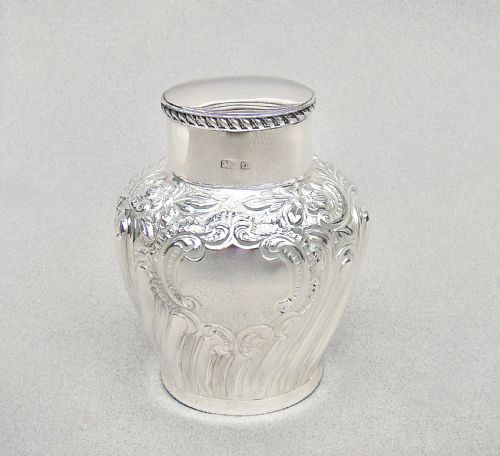
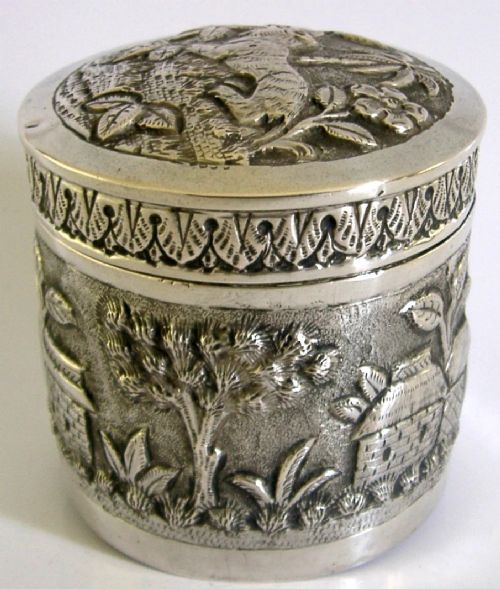
Makers integrated decorative elements such as cast lion mask handles and applied borders using metals like nickel silver alongside organic materials including wood, cut crystal and ebony accents. Surfaces were often polished to a high finish or decorated with embossed and chased motifs.
Internal components and lids were engineered to fit snugly, ensuring the aromatic oils of the tea remained protected within the container. Structural integrity relied upon soldered seams and fitted collars common to British and continental silversmithing of the period.
Listings feature sterling silver, silver plate, and solid silver alongside natural materials like wood, cut crystal, and ebony.
What varies in quality
The distinction between ordinary and superior examples rests upon the weight of the metal and the crispness of the chasing or embossing. Heavier gauge sterling silver provides a substantial feel in the hand, whereas lighter plated items rely entirely on the integrity of the surface coating.
Design complexity and maker reputation elevate certain pieces above standard domestic wares. Signed works from notable firms exhibit finer attention to detail in hinges, closures, and decorative flourishes like cast handles compared to anonymous workshop output.
The integration of secondary materials such as cut crystal glass bodies or burr maple woodwork dictates the tier of craftsmanship. High quality construction ensures lids retain their alignment and secure closures endure through generations of daily use.
Martin Hall & Co·Zimmermann·Thomas Hayes·Mappin & Webb·Ernest Druiff & Co·William Hutton
The Vintage Silver Tea Canister Glossary
- Sterling silver
- A silver alloy containing 92.5 percent pure silver and 7.5 percent other metals, usually copper, chosen for durability. This standard metal appears frequently across British caddies from the Victorian era onward.
- Silver plate
- A layer of silver fused or electroplated onto a base metal such as nickel silver or copper. This method offered an accessible alternative to solid silver for households desiring polished display pieces.
- Caddy spoon
- A short-handled spoon specifically proportioned to measure loose tea leaves from the canister into the pot. These small implements often match the stylistic vocabulary of the associated caddy.
- Old Sheffield plate
- An early form of plated metal produced by fusing a sheet of silver to a copper ingot before rolling them together. This technique creates a distinctive edge where the copper core remains subtly visible.
- Hallmark
- An official stamp applied by an assay office indicating the purity of the metal, the place of origin, and the date of manufacture. These small stamped symbols allow collectors to trace the exact provenance of British pieces.
Vintage Silver Tea Canister: Frequently Asked Questions
How were tea canisters used originally?
These vessels held loose tea leaves in the parlour or dining room during eras when tea was an expensive commodity kept under lock and key. Servants or hosts measured out leaves using dedicated spoons before sealing the heavy lids.
Over time, as tea became more widely available, canisters transitioned from security containers into decorative table accessories. Their airtight construction ensured the expensive leaves retained their delicate aromatic oils between brewings.
How do I identify an Edwardian caddy?
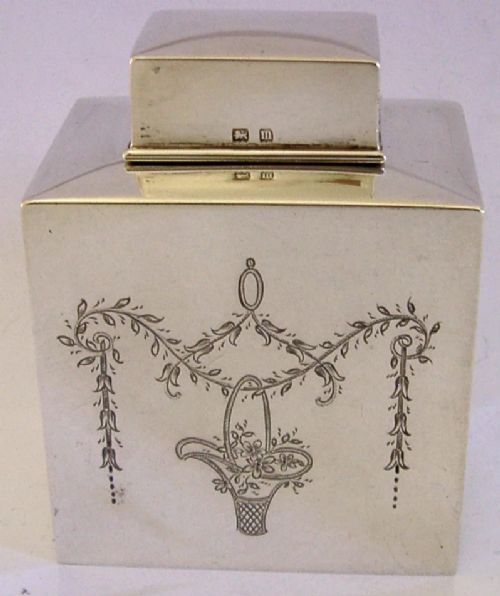
Edwardian pieces typically date from the reign of Edward VII between 1901 and 1910, often displaying hallmarks from London or Birmingham assay offices. Their design vocabulary frequently draws upon neoclassical revival motifs with symmetrical floral swags and crisp borders.
Makers working in this decade favoured bright polished sterling silver and occasionally combined heavy glass bodies with pierced silver sleeves. Look for crisp date letters within the hallmarks to confirm the exact year of production.
Can I still store tea inside them?
Historic canisters function well for holding modern loose leaf tea provided the interior surfaces are thoroughly cleaned and free of old residue. The snug fitting lids help preserve freshness just as they did a century ago.
Collectors often prefer to use them for display or as dry storage for non-food items to prevent wear on antique silver linings. If you do store tea, ensure the environment remains dry to protect both the leaf and the metal.
What is the difference between solid silver and plated pieces?
Solid silver canisters consist entirely of precious metal alloy throughout their structure, giving them a heavier weight and enduring intrinsic value. These pieces bear standard hallmarks including the lion passant indicating sterling standard.
Plated alternatives feature a base metal core coated with a thin layer of silver. While they lack the precious metal weight of solid pieces, they offered period households the same bright aesthetic at a lower cost.