




Vintage Silver Serveware
These vintage silver serveware pieces bring dining tables to life with practical elegance across Victorian, Edwardian and mid-century forms.
Vintage Silver Serveware
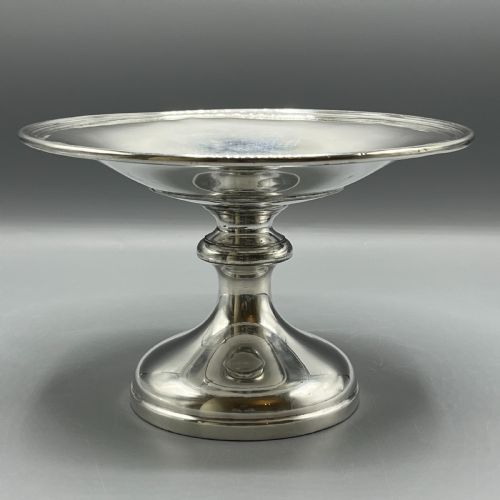
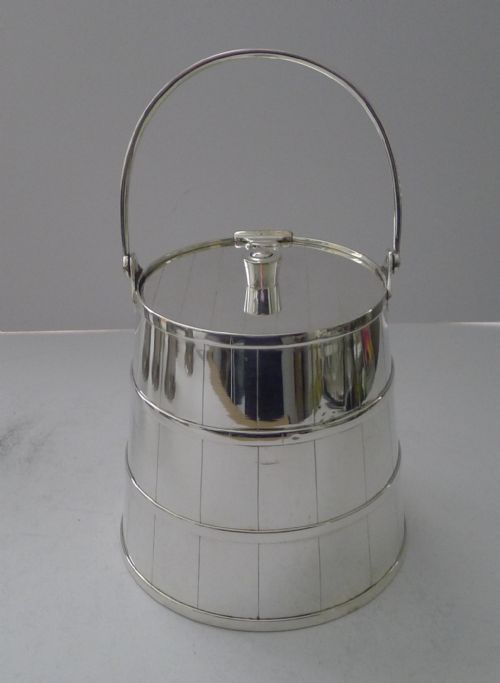
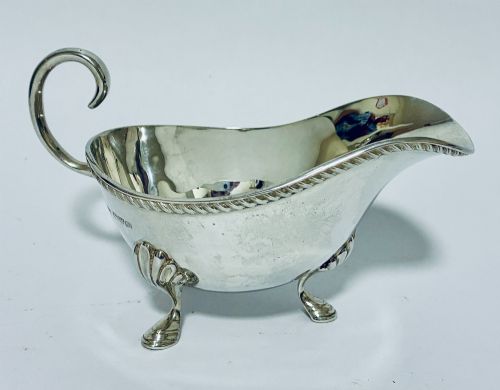
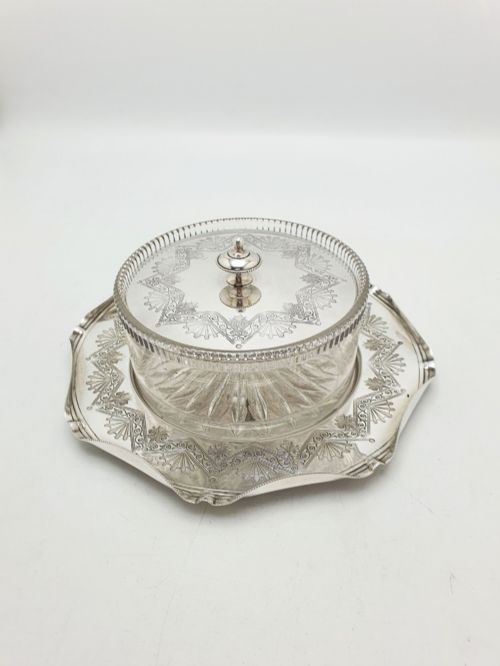
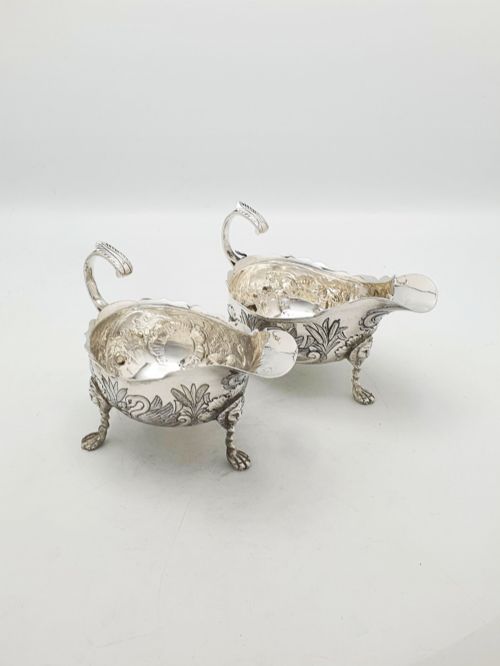
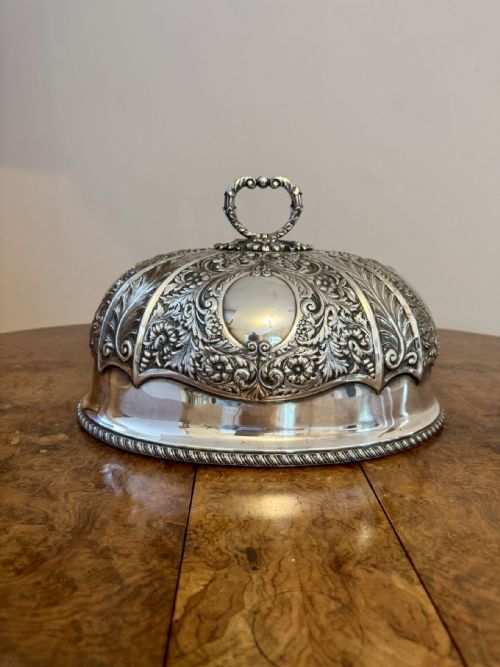
Vintage silver serveware covers a diverse array of functional dining table items designed for presenting and serving food and drink. When exploring vintage silver serveware, buyers encounter everything from sauce boats and gravy warmers to toast racks, biscuit barrels, and entrée dishes.
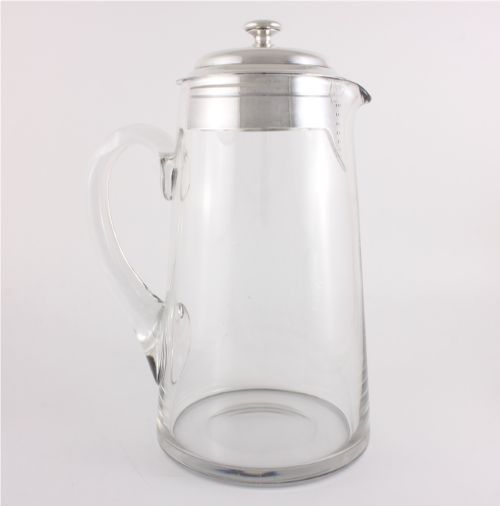
The pieces appearing on this page span the nineteenth century through the mid-twentieth century, including Victorian, Edwardian, and French mid-century examples. Form meets function in domestic items intended for regular hospitality, ranging from asparagus dishes to water jugs.
Among these options, silver plated items from the Edwardian period and late Victorian era dominate the selection. Buyers frequently find utilitarian serving dishes, cake stands, and gravy tureens shaped by Georgian styles and Colonial Revival aesthetics.
How they were made
Makers utilised sterling silver and electroplated nickel silver, commonly known as EPNS or silver plate, applied over a base metal. Many hollowware items combine metal bodies with fitted glass liners, crystal bowls, or polished oak components.
Manufacturing techniques involved silver plating base metals, hand-engraving decorative surfaces, and casting handles or feet in Rococo and Georgian styles. Master silversmiths combined these methods to produce durable table accessories with decorative borders and crests.
Vintage Silver Serveware Retail Price Guide 2026
Typical asking prices for vintage silver serveware among the pieces listed under this phrase on Sellingantiques today, from the lower quarter to the upper quarter. They describe what is for sale here now, not the wider market.
Periods represented span from the eighteenth century through the Victorian, Edwardian, and mid-century eras.
What varies in quality
Quality rests in the weight of the metal, the crispness of chased or engraved detailing, and the integrity of the underlying plating. Heavier gauge silver plate and solid sterling silver items demonstrate superior substance and durability.
The presence of original glass inserts, matching servers, and clear maker stamps elevates a piece. Superior manufacture shows in balanced proportions, secure hinges on covered dishes, and clean casting without distortion.
Mappin and Webb·Walker and Hall·Roberts and Belk·Christofle·Padley Parkin and Staniforth
The Vintage Silver Serveware Glossary
- EPNS
- Electroplated Nickel Silver. This designates a base metal of nickel silver coated with a thin layer of silver through an electrolytic process.
- Entree dish
- A covered serving vessel. These pieces typically feature removable handles to allow the base to function independently as an open platter.
- Gravy warmer
- A specialised vessel designed to keep sauces heated. Nineteenth-century examples often incorporated internal heating chambers or stands.
- Toast rack
- A table accessory fitted with vertical dividers. These frames held slices of toast upright to prevent condensation from softening the bread.
Vintage Silver Serveware: Frequently Asked Questions
How do I clean silver plate serveware?
Wash silver plated items in warm soapy water using a soft cloth, avoiding harsh abrasives that wear away the thin silver layer.
Dry the pieces thoroughly with a soft towel to prevent water spots and tarnishing.
Can I use these items for daily dining?
Most vintage serveware remains fully functional for modern meals and dinner parties. Regular use helps prevent heavy tarnish buildup.
Take care with acidic foods like vinegar or fruit juices left in contact with silver surfaces for extended periods.
What is the difference between EPNS and sterling silver?
Sterling silver contains a solid silver content of at least ninety-two point five percent throughout the entire object. EPNS consists of a base metal core coated with a superficial layer of silver.
Solid silver pieces bear hallmark stamps indicating purity, whereas plated items display marks denoting the plating process.
How do I date an antique silver dish?
Examine the style of the piece, looking at decorative motifs like Rococo scrolls or Edwardian clean lines. Maker marks and registry numbers provide specific chronological clues.
British items often carry assay office marks and date letters that pinpoint the exact year of manufacture.