

Vintage Silver Plated Tableware
Vintage silver plated tableware brings practical elegance to the dining table through diverse serving pieces spanning the Victorian era to the mid-century.
Vintage Silver Plated Tableware
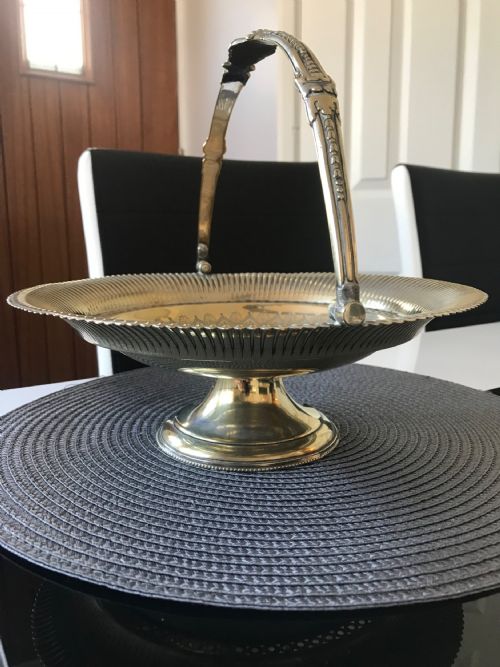
Vintage silver plated tableware encompasses functional dining items created to assist with serving food and drinks during formal and informal meals. The selection centres heavily on Edwardian and Victorian pieces, alongside items from the 1920s and 1930s.
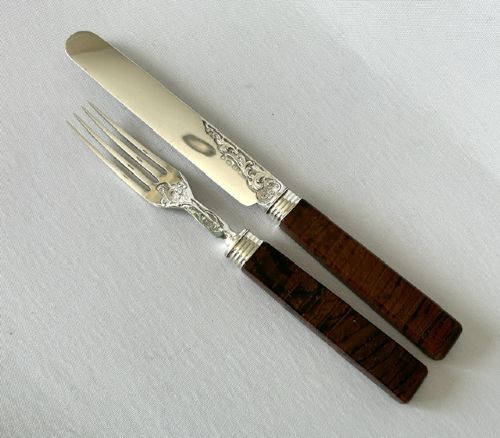
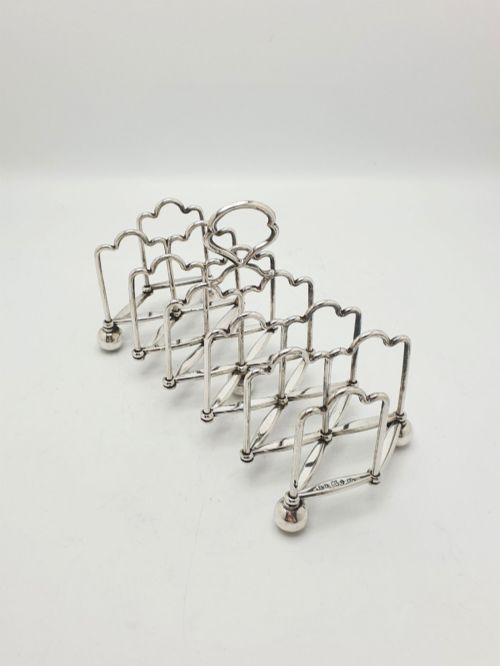
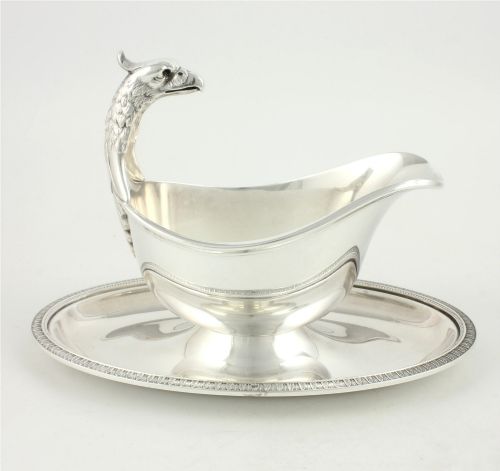
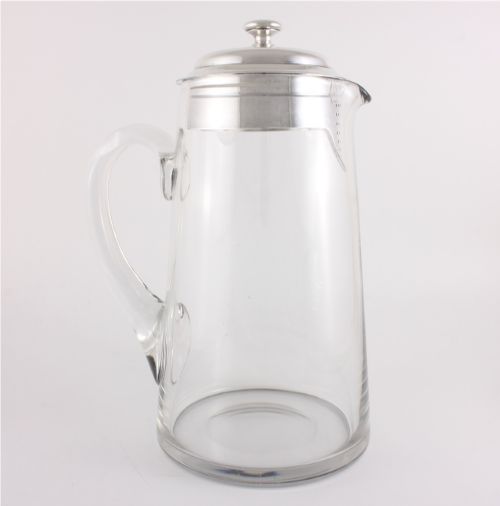
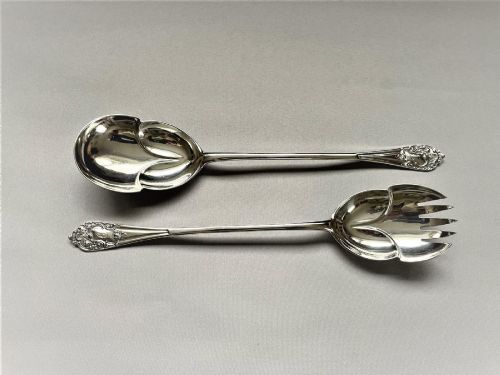
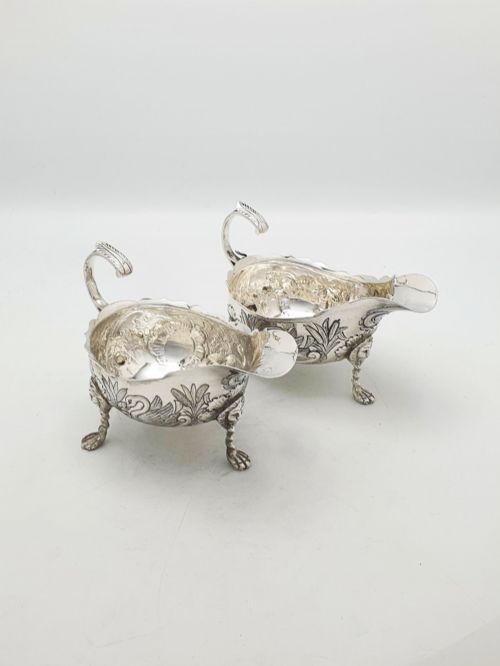
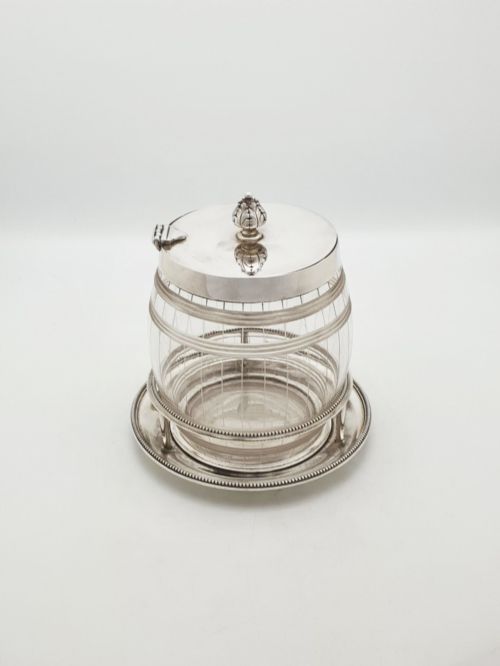
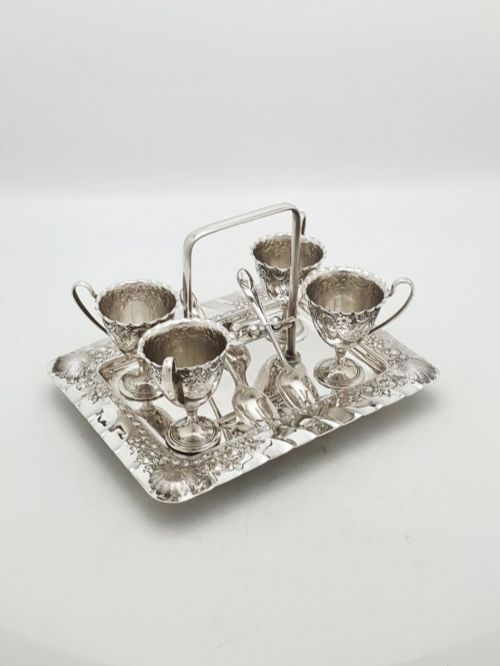
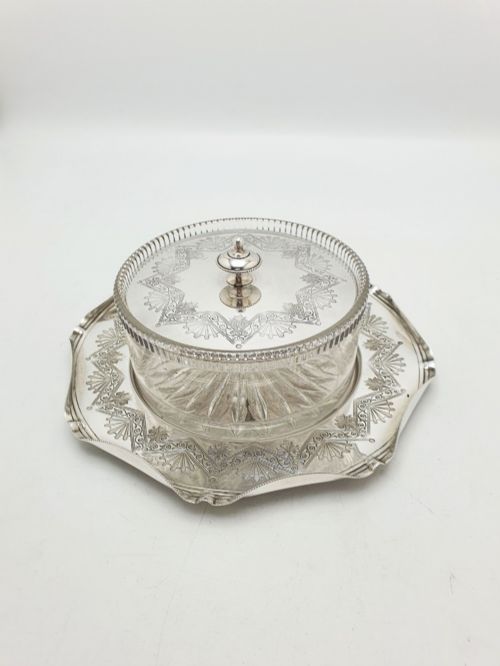
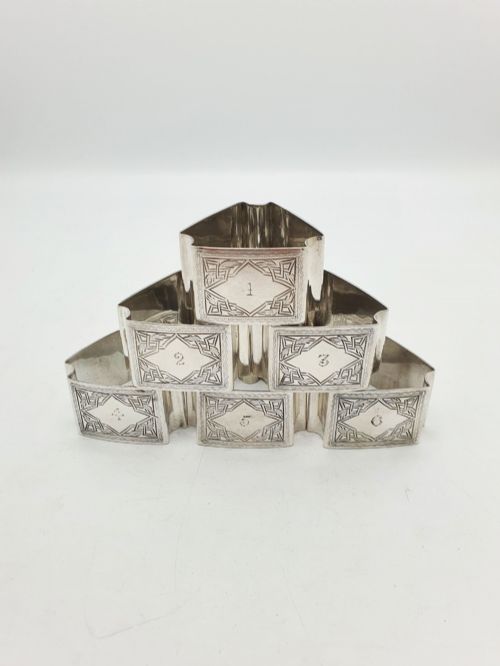
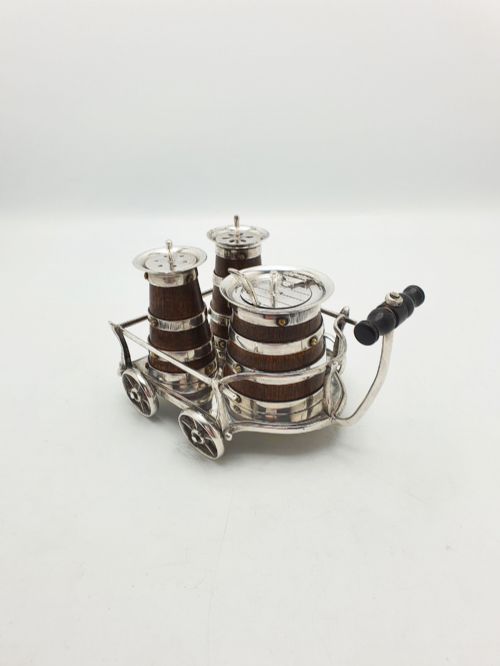
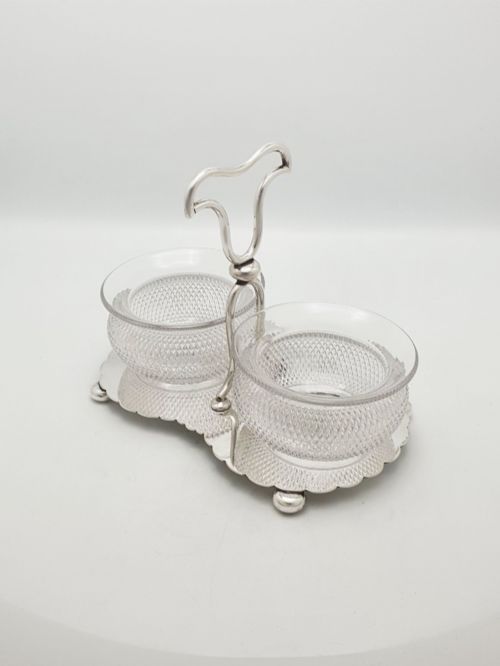
Common forms range from toast racks, sauce boats and biscuit barrels to cruet sets, napkin rings and flatware sets. Many incorporate cut glass, wood or ceramic elements alongside metal parts.
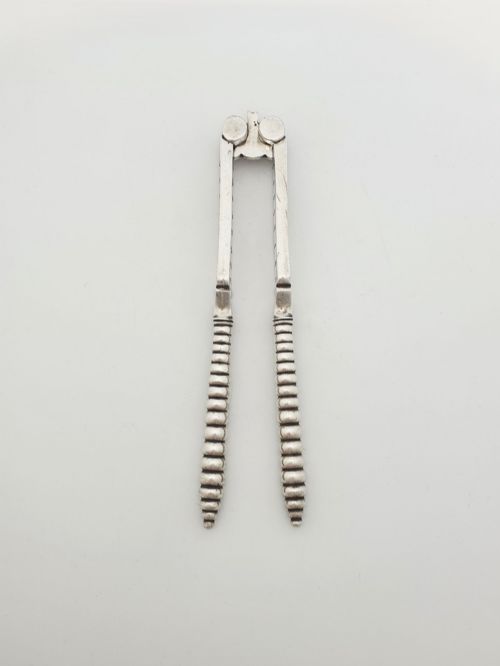
Buyers encounter specialised novelties such as lobster crackers, knife rests, and revolving butter dishes alongside standard serveware.
Factors that influence quality
Quality depends on the thickness and durability of the applied silver plating over the underlying base metal. Pieces that retain their complete silver coating without heavy wear to the base metal command higher regard.
The crispness of cast or embossed details, the weight of the metal, and the integrity of accompanying glass liners or wooden bodies separate standard production items from finer workshop output.
The available tableware selection includes specialised items such as knife rests, lobster crackers, and revolving butter dishes.
Elkington·Christofle·Hermes Paris
The Vintage Silver Plated Tableware Glossary
- Electroplated nickel silver
- A base alloy of copper, nickel, and zinc coated with a layer of pure silver through an electrolytic process. This method became widespread during the nineteenth century.
- Sheffield plate
- An older manufacturing technique involving the fusion of a sheet of silver to a copper ingot before rolling and shaping. This process predates nineteenth-century electroplating methods.
- Cruet set
- A matched collection of small bottles, jars, or castors designed to hold condiments like mustard, pepper, and vinegar at the dining table. These often sit within a dedicated metal stand or frame.
- Toast rack
- A small table frame with vertical metal dividers designed to hold slices of toast upright and prevent them from becoming soggy. They frequently include a central loop handle for carrying.
- Sauce boat
- A vessel shaped with a lip and handle for serving gravies, sauces, or melted butter. They often rest upon an attached or matching undertow plate.
Vintage Silver Plated Tableware: Frequently Asked Questions
How do I clean silver plated tableware safely?
Use a soft cloth and a gentle cream polish specifically formulated for silver plate to avoid damaging the metal surface. Rinse the pieces in warm water and dry them immediately with a clean cotton cloth.
Avoid harsh abrasive dips or scouring pads, as these methods can strip away the thin layer of silver plating entirely, exposing the base metal underneath.
Can I use these vintage pieces for daily dining?
Many vintage silver plated items remain entirely functional for serving food and drinks during modern meals. Care should be taken with items containing delicate glass liners or wooden components.
Hand washing is essential for all plated items to preserve the finish, as dishwashers use aggressive detergents that cause tarnishing and surface pitting.
How can I tell the difference between eras?
Victorian and Edwardian pieces often display heavier cast mounts, ornate embossing, and complex floral or neo-classical motifs. Art Deco items from the 1920s and 1930s favor clean geometric lines and streamlined forms.
Maker marks, registry numbers, and style clues help narrow down the decade of production when stamped on the base or rim of the object.
What is the difference between solid silver and plate?
Solid silver items consist of precious metal all the way through and carry distinct hallmarks indicating the silver purity standard. Silver plated items have a thin layer of pure silver bonded over a base metal such as nickel silver or copper.
Plate offers the visual appeal of silver at a much lower weight and cost, though wear over decades can eventually reveal the base metal beneath.