
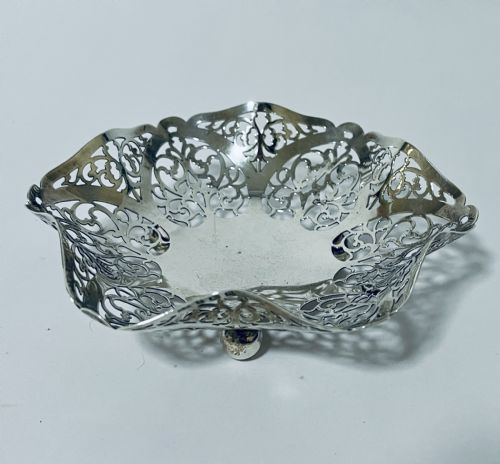


Vintage Silver Pin Dishes
Vintage silver pin dishes are small, purposeful vessels designed for dressing tables and desks, offering tactile charm and refined metalwork.
Vintage Silver Pin Dishes
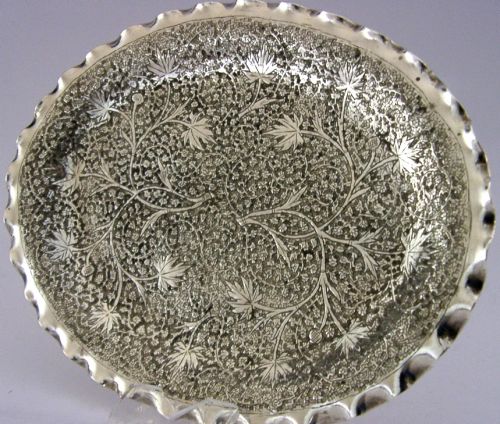
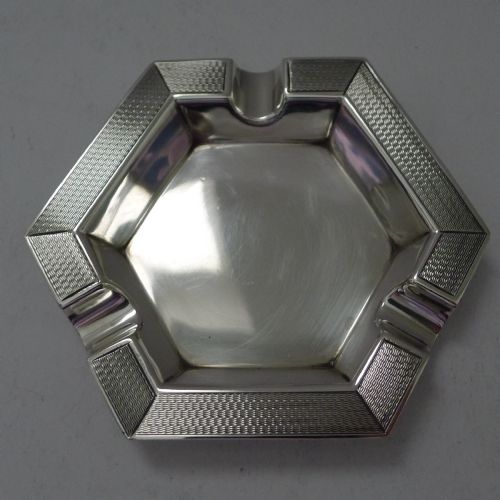
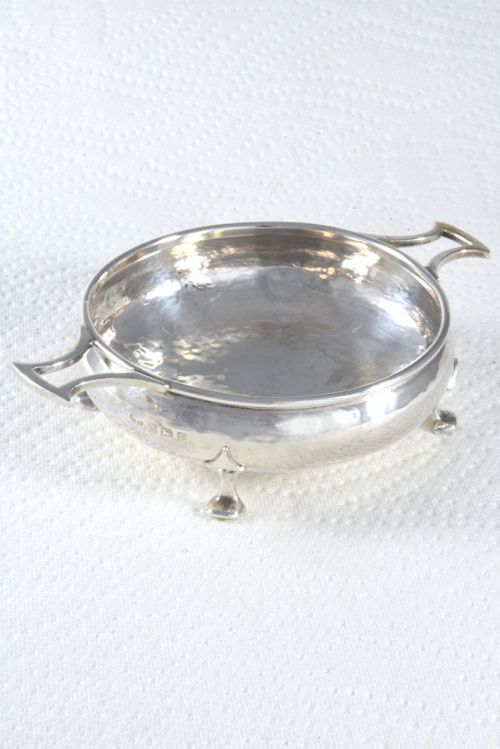
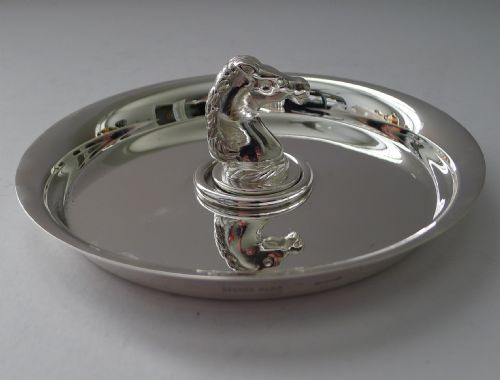
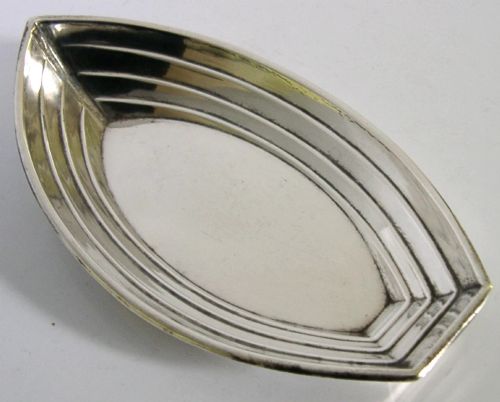
Vintage silver pin dishes encompass small, shallow vessels utilised for holding pins, trinkets, and small accessories. When searching for vintage silver pin dishes, buyers encounter forms ranging from simple sterling silver circles to novelty rowing boats and horse heads.
The selection on this page spans periods from the Victorian era through Edwardian and Art Deco designs to Mid-Century Modern pieces. Materials include sterling silver, silver plate, pewter, Britannia metal, enamel, and cut glass.
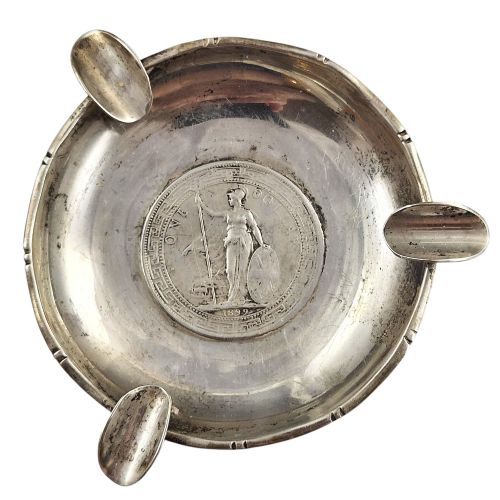
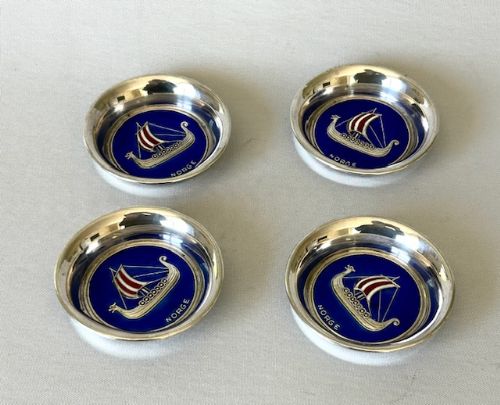
Origins vary widely across the inventory, featuring English makers, Chinese export work, Anglo-Indian craftsmanship, and Norwegian enamelware. These small dishes often double as ashtrays, vide poche trays, or desk accessories.
Materials and construction
Makers utilised solid sterling silver, silver plate, pewter, and Britannia metal to form the body of these dishes. Techniques involve pressing, casting, and hand-hammering the metal into shallow receptacles.
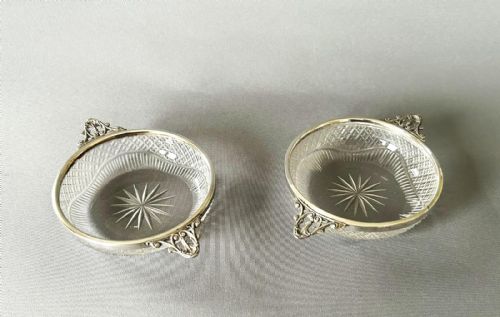
Decoration often incorporates applied enamel, such as guilloche work, or cut glass inserts secured within metal frames. Many examples display cast figural elements, including maiden figures, Viking longships, and animal motifs.
Assessing quality and craftsmanship
Quality rests in the weight of the metal and the crispness of the cast or chased details. Heavy solid silver or thick pewter retains its structural integrity and polish far better than thin plated alternatives.
The precision of applied enamel work and the finesse of novelty figural elements separate standard production from superior pieces. Maker marks and clear hallmarks also contribute significantly to the standing of an individual dish.
William Neale·Hermes Paris·Wallace Sailing·Lee Yee Hing·John Grinsell Sons·Maria Pergay·WMF
The Vintage Silver Pin Dishes Glossary
- Vide poche
- A small tray designed to empty pockets of loose items upon entering a room. These French catch-alls often double as pin dishes.
- Guilloche
- An intricate decorative technique where a precise pattern is mechanically engraved into metal beneath translucent enamel. This adds depth and shimmer to the surface.
- Britannia metal
- A specific tin-based alloy utilised as a base metal for silver plating or finished on its own during the late nineteenth and early twentieth centuries. It provides a durable, silvery substrate for decorative casting.
- Hallmark
- An official stamp applied to precious metals indicating purity, maker, and assay office. These marks help verify the silver standard and origin.
- Bonbon dish
- A small pedestal or flat dish traditionally utilised for serving sweets or confectionery. Their diminutive scale aligns closely with pin dishes.
Vintage Silver Pin Dishes: Frequently Asked Questions
What were vintage silver pin dishes used for originally?
These small dishes sat upon dressing tables, sideboards, and desks to collect pins, cuff links, and loose change. Victorians and Edwardians relied on them to keep small personal items tidy.
They also served as ashtrays or small catch-alls for pocket contents, transitioning easily between functional desk accessories and decorative accents.
How do I care for silver pin dishes?
Regular, gentle cleaning with a soft cloth removes dust and prevents heavy tarnish accumulation. Avoid harsh chemical dips that strip away the aged character of the metal.
Enamel components require particular care, needing only warm soapy water and immediate drying to protect the delicate coloured glass surface.
Are all pin dishes made of solid silver?
Many examples consist of sterling or solid silver, marked accordingly with lion passant or standard purity numbers. Others utilise silver plate over base metals, pewter, or Britannia metal.
Some pieces combine metal frames with cut glass inserts or colourful enamel panels, offering variety in weight and tactile feel.
How can I tell the period of a pin dish?
Hallmarks provide the most reliable dating method, pointing to specific assay years and maker guilds. Stylistic markers offer further clues, such as Art Nouveau floral curves or clean Mid-Century Modern lines.
Materials also hint at age, as certain alloys like Britannia metal or specific enamel techniques align closely with particular decades.