



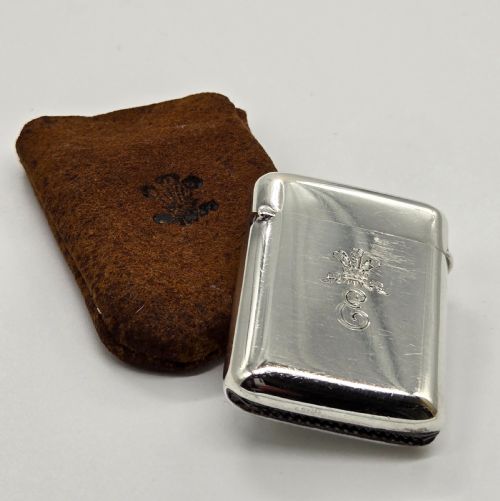

Vintage Silver Matchbox Case
A vintage silver matchbox case is a pocket accessory for carrying matches, and collectors prize them for their engraved surfaces and varied forms.
Vintage Silver Matchbox Case
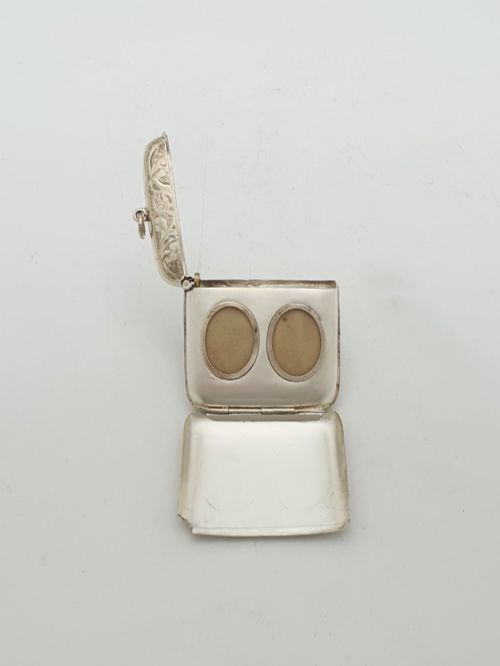
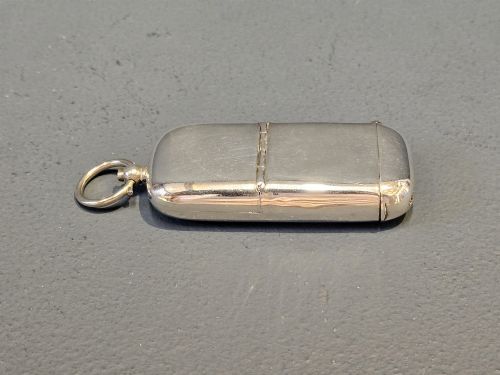
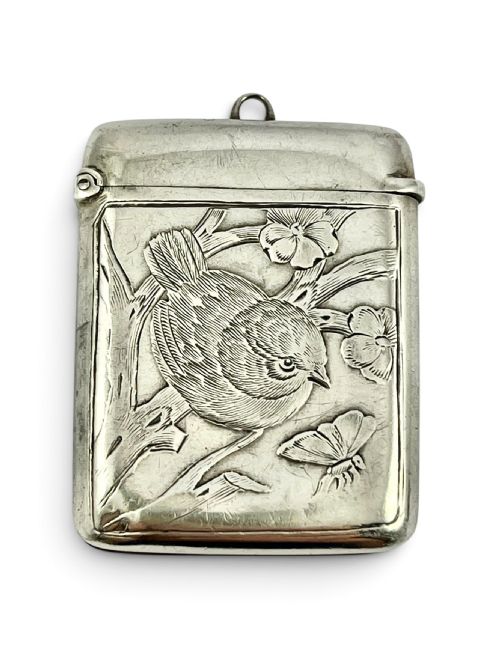
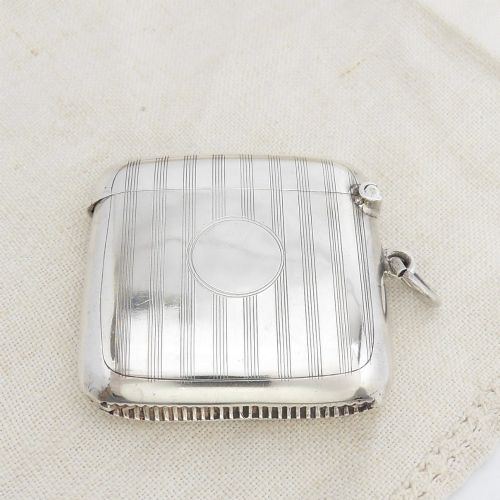
A vintage silver matchbox case takes the form of a pocket vesta or matchsafe, designed to hold matches safely while carrying them on a person. These pieces frequently appear as small rectangular containers intended for pocket use, alongside table vesta cases designed for domestic interiors.
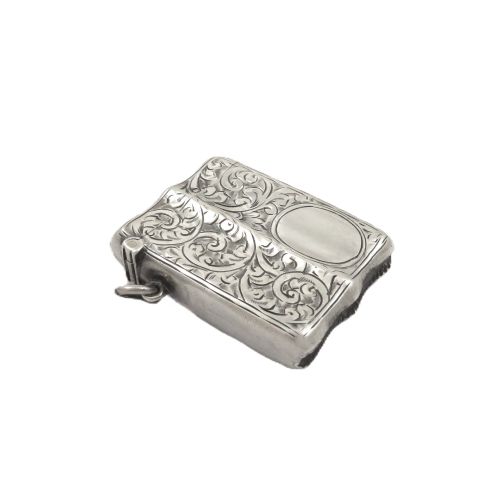
The selections span several distinct historical periods, running from the late nineteenth century through the Edwardian era and into the Art Deco period of the nineteen-thirties. Victorian and Edwardian examples dominate the range, appearing alongside George V pieces.
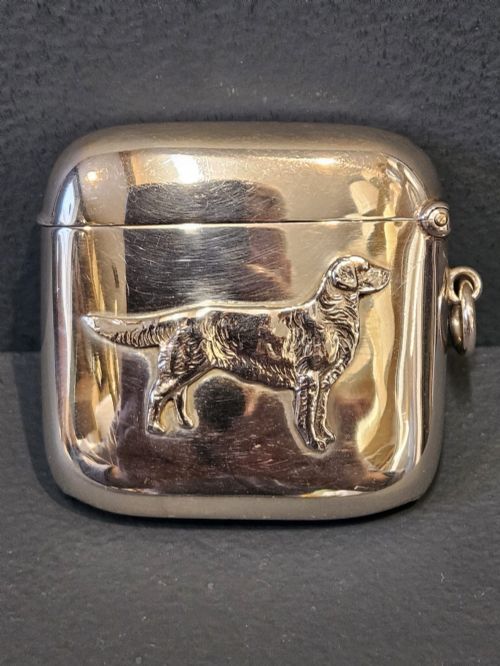
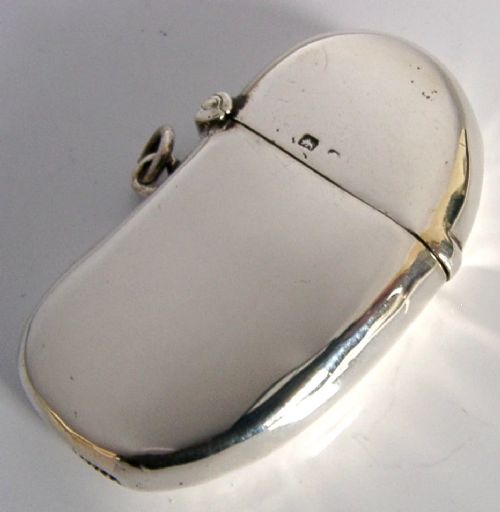
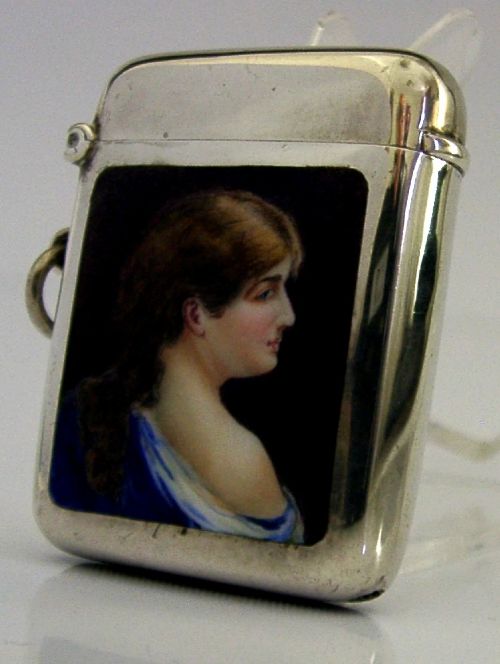
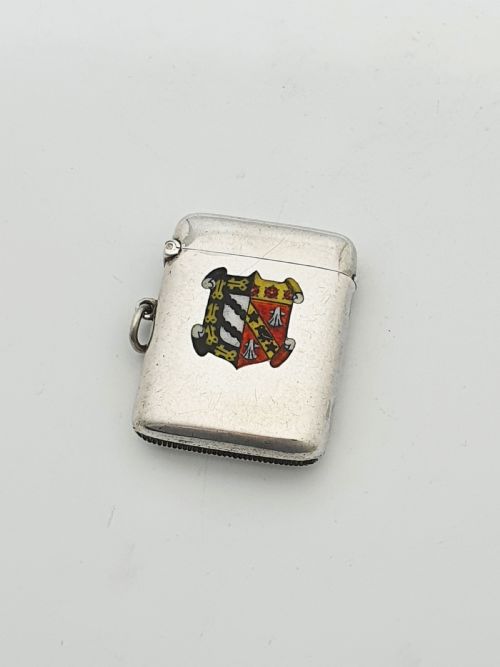
Makers utilised various decorative formats, producing kidney bean shapes, curved bodies, and novelty portraits alongside standard matchbook covers. Some iterations incorporate enamel crests, hand-painted details, or depictions of animals and figures.
How they were made
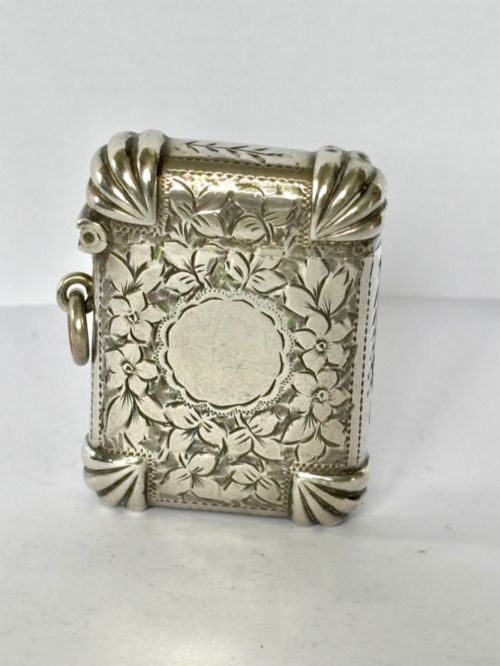
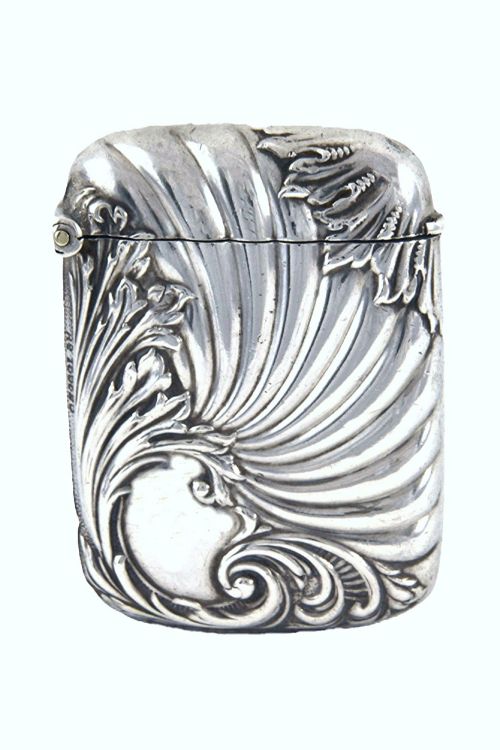
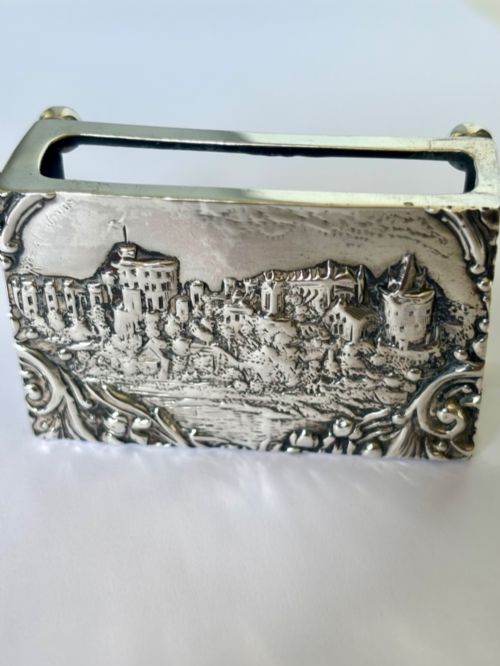
Silversmiths constructed these items primarily from sterling silver, silver gilt, and nickel plated brass, applying techniques such as repousse work, casting, and hand engraving. Castle top designs demonstrate detailed relief work on the surface of the metal.
Colour and visual depth enter the pieces through vitreous enamel and hand-painted decoration applied directly to the silver body. Select examples integrate suede linings, gemstones, onyx, and lapis lazuli into the overall structure.
Vintage Silver Matchbox Case Retail Price Guide 2026
Typical asking prices for vintage silver matchbox case among the pieces listed under this phrase on Sellingantiques today, from the lower quarter to the upper quarter. They describe what is for sale here now, not the wider market.
A pug dog peers out from beneath an enamel glaze on one pocket vesta.
What varies in quality
The distinction between standard items and superior examples rests on the complexity of the surface ornamentation, such as deep repousse work or hand-painted enamel scenes. Pieces featuring named portraits, heraldic crests, or precious stones occupy a higher tier than plain polished containers.
Maker marks and legible hallmarking contribute to the standing of an item, identifying specific workshops and assay offices in Birmingham, Chester, or other centres. The integration of specialty materials like gold, enamel, or hardstones alters the character of the piece.
EV PLEDGE AND SON·ROBERT PRINGLE·Alfred Clark·George Betjemann
The Vintage Silver Matchbox Case Glossary
- Vesta case
- A small pocket container designed to hold matches and strike them on an integrated serrated strip. These objects gained popularity in the nineteenth century with the invention of safety matches.
- Sterling silver
- An alloy of silver containing ninety-two point five percent pure silver and seven point five percent other metals, usually copper. This standard composition appears frequently across British silver items.
- Repousse
- A metalworking technique where the artisan hammers the metal from the reverse side to form a raised design on the front. This method creates textured pictorial scenes on the body of the case.
- Castle top
- A style of metalwork featuring a detailed engraving or cast depiction of a well-known building or landmark on the lid. Windsor Castle serves as one subject rendered in this manner.
- Vitreous enamel
- Glass powder fused to a metal surface through high-temperature firing to produce a glossy coloured decoration. This finish adds vibrant hues to the metallic surface.
Vintage Silver Matchbox Case: Frequently Asked Questions
What is a vesta case?
A vesta case is a small container built to hold matches and protect them from moisture while in a pocket or bag. They include a textured striking surface on the exterior for igniting the match.
These accessories became common items of personal gear during the Victorian period when pocket safety matches came into widespread daily use.
How do I date a silver match case?
Dating relies upon the hallmarks stamped into the metal, which indicate the assay office, the standard of silver, and a specific date letter. Additional clues come from the prevailing style, such as Edwardian scrollwork or Art Deco geometric lines.
Comparison with documented makers and period aesthetics helps narrow down the decade of manufacture for unmarked or partially marked pieces.
Were matchsafe cases used by men or women?
Both men and women carried matchsafes as part of their daily attire for lighting pipes, cigars, or household candles and gas lamps. Pocket versions fitted easily into waistcoats, pockets, or small evening bags.
Table versions stayed in fixed locations within smoking rooms or hallways for general domestic use by guests and family members.
What materials besides silver appear on these cases?
Makers incorporated vitreous enamel, gold, gemstones, onyx, and lapis lazuli to add colour and texture to the metallic body. Some variations utilised nickel plated brass or included interior suede linings.
These supplementary materials usually denote higher-tier pieces created for presentation purposes or specific affluent buyers.