



Silver Match Sleeve
These silver match sleeve pieces bring functional pocket companions into everyday use, offering tactile pocket gear for daily pocket carry.
Silver Match Sleeve
A silver match sleeve takes the form of protective housings and decorative covers designed for matches and vestas, alongside related pocket items. Buyers seeking a silver match sleeve encounter items originating from the Edwardian era, George V period, and the nineteen-hundreds up to the nineteen-thirties.
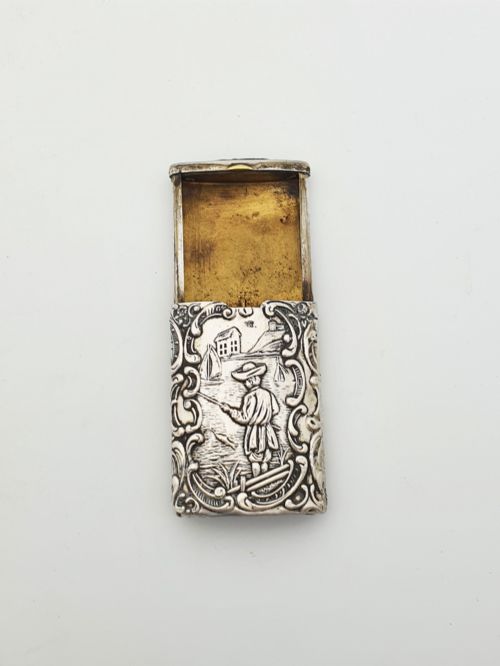
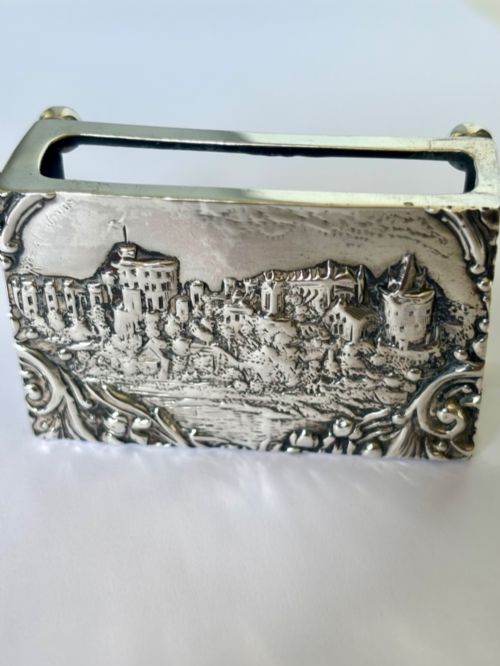
The selections span distinct formats including matchbox covers, castle top designs, vesta cases, and sleeve housings featuring scenic relief. Art Deco and Art Nouveau aesthetics dominate the visual range, sitting alongside Edwardian and George V pieces.
Continental eight-hundred silver, sterling silver, silver plate, and silver-tone metal form the structural bodies of these items. Enamel details and vermeil finishes appear across specific variants, most notably in modernist pieces.
How they were made
Silversmiths shaped these objects using traditional techniques of casting and sheet metal manipulation. Matchbox covers and vesta cases received structural rigidity through folded seams and fitted sleeves.
Surface ornamentation relied on embossed scenic relief, cast castle top motifs, and applied enamel panels. Vermeil finishes provided gilt surfaces over silver bases on select items.
Silver Match Sleeve Retail Price Guide 2026
Typical asking prices for silver match sleeve among the pieces listed under this phrase on Sellingantiques today, from the lower quarter to the upper quarter. They describe what is for sale here now, not the wider market.
Current listings feature items from the Edwardian era, George V period, nineteen-hundred, and nineteen-thirty, utilising silver, enamel, and vermeil.
What varies in quality
The definition in surface decoration distinguishes standard production from finer examples. Crisp execution in castle top scenes and sharp relief work elevate specific items above plain housings.
The integration of enamel work and the thickness of the silver gauge dictate structural longevity and visual depth. Intact enamel surfaces and substantial metal weight separate superior pieces from lighter, plated alternatives.
The Silver Match Sleeve Glossary
- Vesta case
- A small portable box designed to hold wax matches, commonly featuring a striking surface on the base. These containers protected matches from moisture in the pocket.
- Castle top
- A style of decorative metalwork featuring a detailed depiction of a specific building or castle in high relief. This technique appeared frequently on nineteenth and early twentieth-century souvenirs.
- Sterling silver
- An alloy consisting of ninety-two point five percent silver and seven point five percent other metals, usually copper. This standard composition ensured durability for everyday pocket items.
- Vermeil
- A layer of gold plated over sterling silver. This combination provided the rich appearance of gold whilst retaining a silver base.
Silver Match Sleeve: Frequently Asked Questions
How do I date a match sleeve?
Dating relies on stylistic markers such as Art Deco geometric lines or Edwardian motifs. Hallmarks and maker marks stamped into the silver provide precise chronological reference points.
Materials like enamel work and specific casting styles also indicate the manufacturing decade.
Are these pieces made of solid silver?
The inventory includes items made from sterling silver, continental eight-hundred silver, silver plate, and silver-tone metal. Each piece utilises different metal compositions depending on its origin and manufacturing period.
Hallmarks stamped on the metal surface clarify the exact silver standard used.
How should I clean silver match sleeves?
Cleaning requires a soft microfibre cloth and gentle silver polish formulated to preserve antique surfaces. Avoid harsh abrasives that could damage delicate enamel or raised relief details.
Regular light dusting maintains the natural lustre of the metal without stripping historical patination.