

Vintage Silver Knives
Vintage silver knives encompass tableware and desk items spanning the Victorian era to mid-century modern designs, prized for period craftsmanship and utility.
Vintage Silver Knives
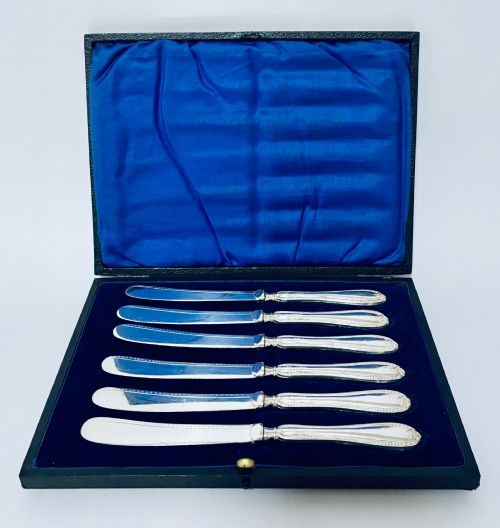
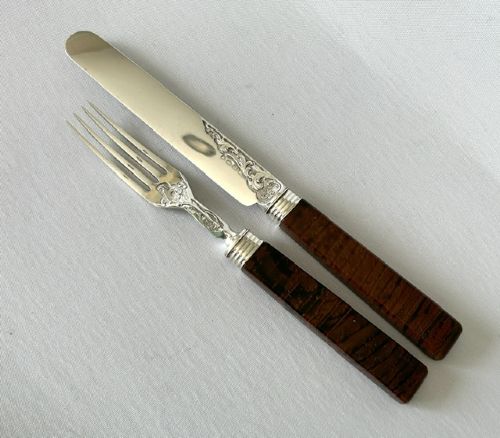
Vintage silver knives encompass a diverse selection of cutlery, desk accessories, and serving pieces gathered under this search phrase. Buyers encounter butter knives, fruit knives, dessert sets, and letter openers originating from periods including the Victorian, Edwardian, and Art Deco eras.
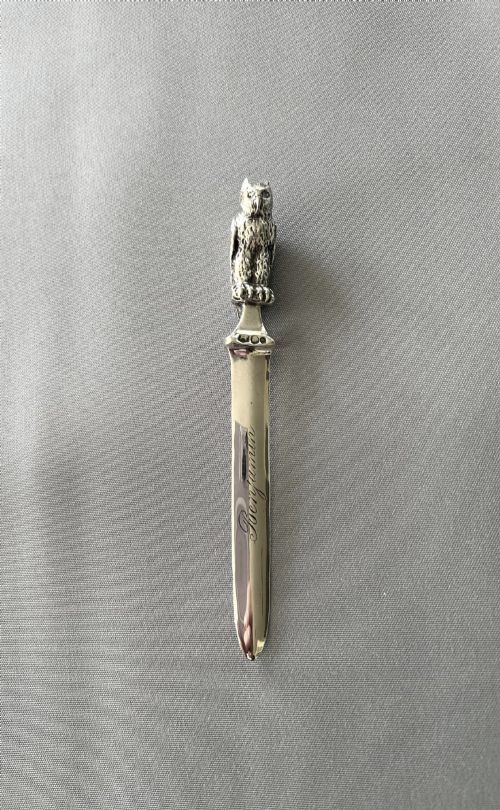
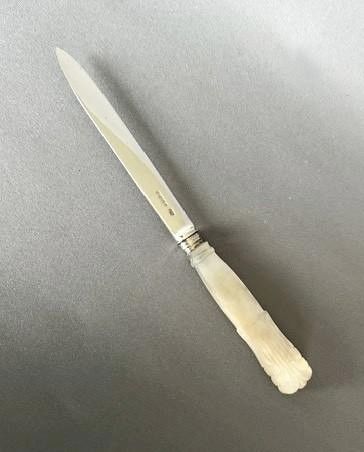
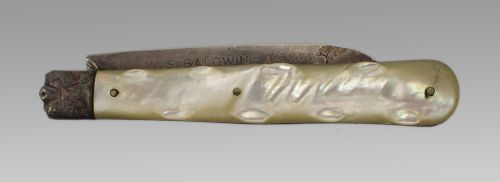
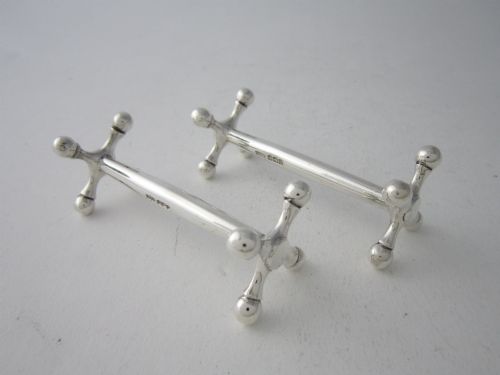
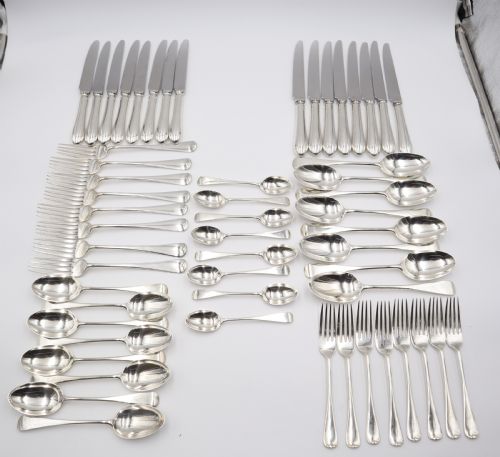
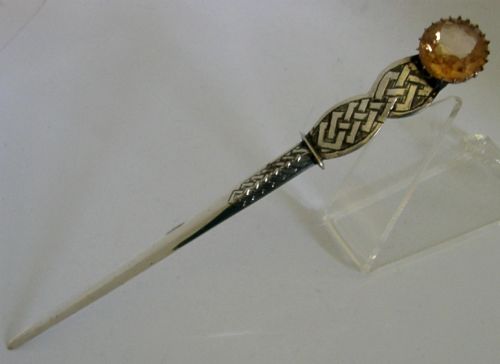
The assortment on this page extends beyond simple table cutlery to include knife rests, page turners, and fish servers. Many examples pair silver handles or mounts with diverse materials like mother of pearl, horn, and agate.
Most items stem from the late nineteenth and early twentieth centuries, featuring British hallmarks alongside provincial Scottish and international designs. Table settings and desk collections benefit equally from these functional antiques.
How they were made
Silversmiths utilised sterling silver and silver plate for blades, handles, and mounts, frequently combining metal with organic materials like mother of pearl, tortoise, horn, and silk. Steel and stainless steel provided durable cutting edges for utility knives and carving sets.
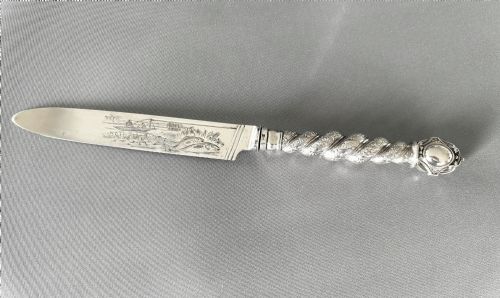
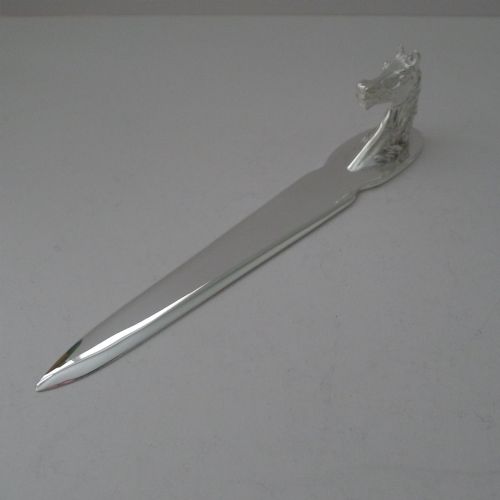
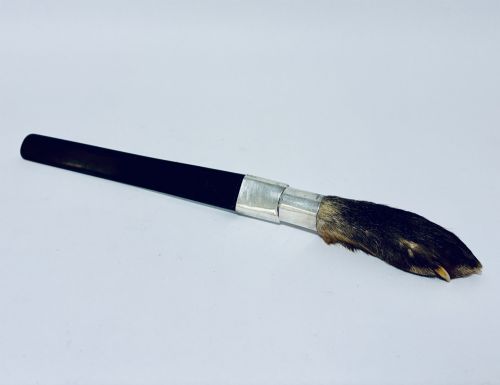
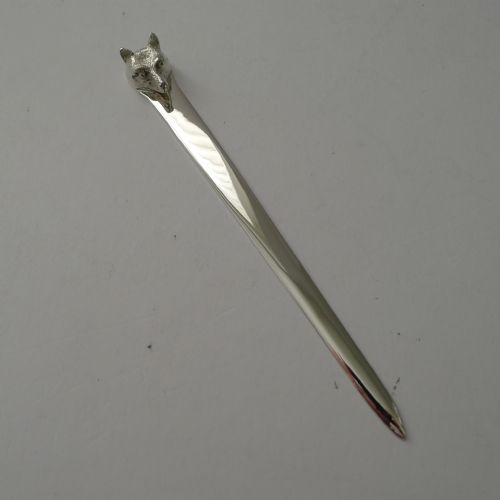
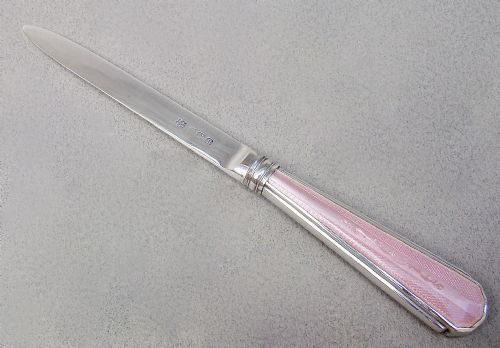
Craftsmen applied specialised techniques including guilloche enamel, engraving, and cast silver shaping to create decorative items such as sphinx knife rests and figural letter openers. Handles were frequently shaped from natural substances like agate, Connemara marble, and antler horn.
Cased presentation sets incorporated velvet lining inside fitted boxes to protect silver butter dishes and dessert cutlery during storage and transport.
Vintage Silver Knives Retail Price Guide 2026
Typical asking prices for vintage silver knives among the pieces listed under this phrase on Sellingantiques today, from the lower quarter to the upper quarter. They describe what is for sale here now, not the wider market.
Listings feature items spanning the nineteenth century through the mid-twentieth century, including Victorian, Edwardian, and Art Deco styles.
What varies in quality
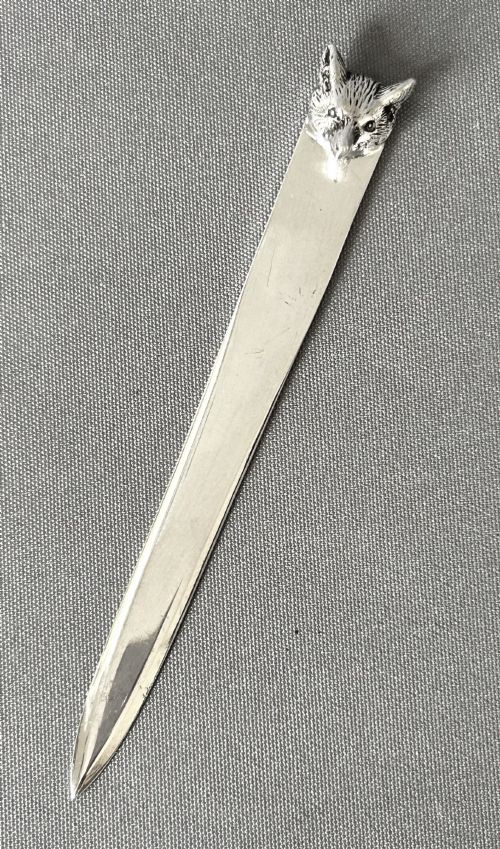
The standard of design and execution distinguishes standard utility flatware from exceptional decorative pieces. Makers who incorporated detailed figural elements, such as greyhounds, foxes, or sphinxes, demonstrated superior artistic ambition.
The integrity of composite pieces depends upon the harmonious joining of silver mounts to organic materials like mother of pearl, horn, or agate. Crispness in engraved patterns and the preservation of original fitted presentation cases elevate the standing of individual items.
Barker Brothers·Asprey·Georg Jensen·Goldsmiths And Silversmiths·Vale And St John·Creswick·Tiffany
The Vintage Silver Knives Glossary
- Hallmark
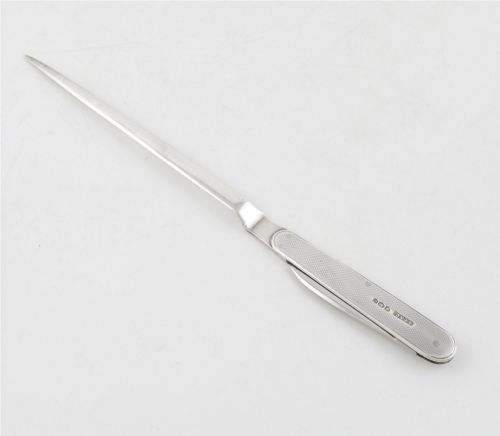
- Official stamps struck into precious metals to indicate the standard of silver, the assay office, and the date of manufacture. These marks provide essential historical context for dating British antiques.
- Guilloche enamel
- A decorative technique where intricate geometric patterns are engraved into metal and covered with translucent enamel. This process adds vibrant colour and texture to desk accessories.
- Page turner
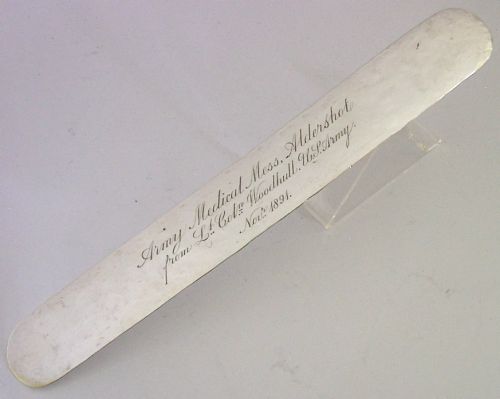
- A long, flat implement traditionally used for separating the uncut pages of books or turning leaves cleanly. They often feature silver handles mounted to horn, ivory, or tortoiseshell blades.
- Knife rest
- A small support designed to keep carving or dining knives elevated off the tablecloth between courses. Victorian examples frequently took imaginative figural forms such as animals.
- Silver plate
- A layer of silver fused to a base metal core, such as copper or Britannia metal. This technique offered an accessible alternative to solid sterling silver for larger serving items.
Vintage Silver Knives: Frequently Asked Questions
How do I clean vintage silver knives?
Use a soft cloth and specialised silver polish to gently remove tarnish from sterling or plated surfaces. Avoid harsh abrasives that can scratch delicate details or damage organic handle materials.
Keep organic components like mother of pearl, horn, and tortoiseshell away from soaking water and chemical dips. Hand washing in mild soapy water is best for composite pieces.
Can I use these knives for daily dining?
Many solid sterling and silver-plated pieces remain entirely functional for modern dining. Butter knives, fruit sets, and dessert cutlery adapt well to contemporary tables.
Antique knives with hollow handles or delicate organic inlays require gentle hand washing rather than machine dishwashing. Storing them in lined boxes prevents unnecessary surface wear.
What is the difference between sterling and plated?
Sterling silver contains a legally regulated high purity of silver throughout the entire object. Hallmarks stamped into the metal confirm this composition.
Silver plate consists of a thin layer of silver bonded to a base metal underneath. Over decades of heavy use, the underlying metal may occasionally show through high points.
How do I identify the date of a piece?
British items usually bear specific assay office marks and date letters within their hallmarks. Comparing these stamps against standard reference tables reveals the exact year of manufacture.
Stylistic indicators such as Art Deco geometric lines or Victorian ornamentation also help narrow down the period when formal hallmarks are absent.