


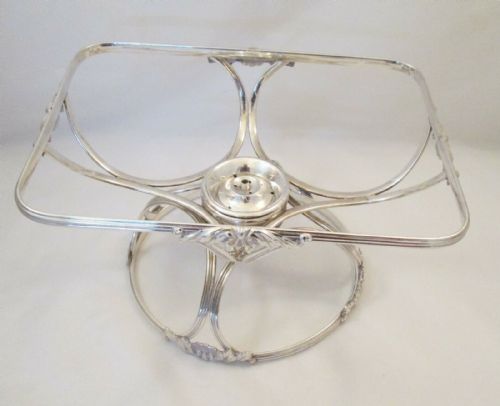


Vintage Silver Entree Dish
A vintage silver entree dish brings functional elegance to the dining table, offering a practical vessel for serving meals with period charm.
Vintage Silver Entree Dish
A vintage silver entree dish encompasses serving dishes, tureens, food warmers, and chafing dishes designed for presenting meals at the table. These pieces span multiple eras including the Georgian, Victorian, Edwardian, and Art Deco periods, reflecting changing dining customs across centuries.
The selection on this page leans heavily towards Edwardian examples alongside 19th Century and 1920 pieces. Buyers frequently encounter rectangular and oval serving dishes, often complete with covers and liners suitable for formal hospitality.
Origin and form vary from English silver plate and Old Sheffield Plate to French Art Deco creations. Each object serves the dual purpose of keeping food warm and enhancing the aesthetic of a traditional or eclectic table setting.
How they were made
Makers utilised techniques such as electroplating base metals like nickel silver or copper, alongside older methods like fusing silver to copper in Old Sheffield Plate. These construction methods determined the durability and appearance of the final serving vessel.
Ceramic inserts and metal burners frequently accompanied silver plated mounts in food warmers and chafing dishes to maintain food temperature. Metalworking skills from the Victorian and Edwardian eras ensured sturdy handles, secure lids, and decorative borders on rectangular and oval forms.
Vintage Silver Entree Dish Retail Price Guide 2026
Typical asking prices for vintage silver entree dish among the pieces listed under this phrase on Sellingantiques today, from the lower quarter to the upper quarter. They describe what is for sale here now, not the wider market.
What varies in quality
The weight of the base metal and the thickness of the silver application separate standard utility pieces from finer items. Heavier gauge silver plate and Old Sheffield Plate demonstrate superior substance and longevity.
Refinement in design details, such as crisp edge moulding, balanced proportions, and well-executed crests or maker marks, elevates the character of a serving dish. The integration of functional elements like rotating mechanisms and matching covers also dictates the calibre of the piece.
Hamilton and Inches·Walker and Hall·Matthew Linwood·Christofle·Gallia
The Vintage Silver Entree Dish Glossary
- Silver Plate
- A base metal coated with a thin layer of silver through electroplating or older techniques. This process provided an accessible alternative to solid silver for large dining items.
- Old Sheffield Plate
- An early method of fusing a sheet of silver to a copper core before shaping the item. It is identifiable by subtle copper seams visible where the silver layer wears thin.
- EPNS
- An abbreviation for Electroplated Nickel Silver, denoting a common base metal used underneath silver plating during the late 19th and 20th centuries. This alloy offered strength and stability for serving dishes.
- Entree Dish
- A covered serving vessel intended for bringing portions of meat, vegetables, or main courses to the dining table. These dishes often feature removable lids that double as secondary serving trays.
- Tureen
- A deep, bowl-like serving vessel equipped with a lid, traditionally used for soups, stews, or sauces. They appear in pairs or single matching sets across various historical periods.
- Chafing Dish
- A heated serving dish utilising a burner or hot water compartment to keep food warm during a meal. These pieces combine metal frames with ceramic inserts or metal liners.
Vintage Silver Entree Dish: Frequently Asked Questions
What is a vintage silver entree dish used for?
These dishes were originally created to serve main courses, meats, or vegetables at formal dinner tables while keeping the contents warm beneath a fitted cover. Today, they function as elegant serving vessels for dinner parties or as decorative dining room display pieces.
Collectors and hosts also utilise them for holding side dishes or presentation uses during festive gatherings. Their historical design brings authentic period character to contemporary dining spaces.
How do I clean a silver plated entree dish?
Cleaning requires a soft cloth and a specialised silver polish formulated for plated items to avoid wearing away the thin silver layer. Gentle circular motions remove tarnish without harming the underlying base metal or decorative engraving.
Avoid harsh abrasive cleaners, scouring pads, and prolonged soaking in water. Rinsing thoroughly with warm water and drying immediately with a soft towel preserves the finish.
How can I tell Old Sheffield Plate from EPNS?
Old Sheffield Plate was produced by fusing silver to a copper base, which often reveals a faint line of reddish copper along exposed edges or high points where the silver has worn down over time. This technique predates modern electroplating.
EPNS, or Electroplated Nickel Silver, utilises a greyish nickel alloy beneath the silver coating. Items bearing this designation usually display uniform silver coverage without the distinctive copper bleed seen in earlier pieces.
Can I use an antique food warmer for modern dining?
Many antique food warmers and chafing dishes remain functional for serving food at gatherings, provided the internal surfaces and ceramic liners are thoroughly cleaned. Some pieces include original burners or hot water compartments designed to maintain temperature.
Care should be taken with vintage mechanisms, particularly rotating rings and burners from the 19th century. Using them as decorative display items or for serving dry foods is a common approach for modern owners.
How do I date an Edwardian silver entree dish?
Edwardian silver entree dishes date from the reign of King Edward VII between 1901 and 1910, though the style often encompasses pieces made around the turn of the 20th century. Maker marks, registry numbers, and stylistic cues help narrow down the production decade.
The aesthetic of this era often draws upon earlier Georgian and Victorian revival forms, combining heavy silver plating with elaborate decorative borders and handles.