



Vintage Silver Drink Shaker
A vintage silver drink shaker brings the geometric elegance of twentieth-century cocktail culture directly to the modern home bar.
Vintage Silver Drink Shaker
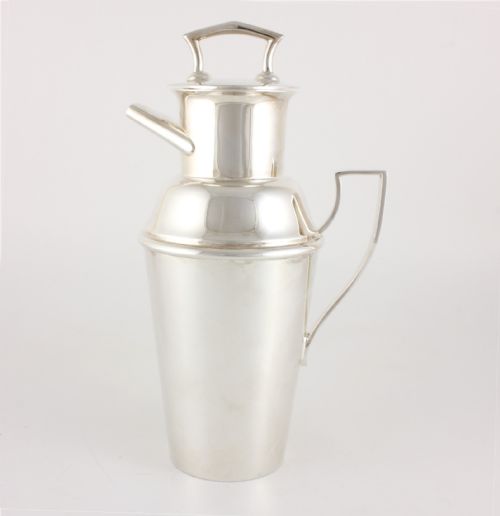
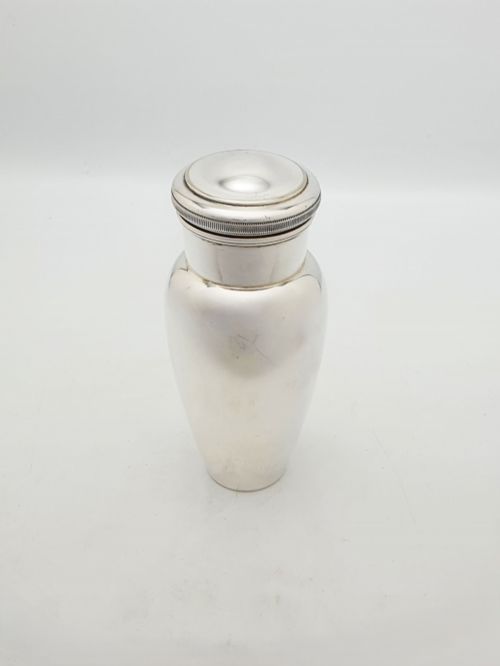
When someone searches for a vintage silver drink shaker, they encounter barware produced primarily during the 1920s, 1930s, and 1940s, alongside later mid-century examples. The most common form on this page is the Art Deco silver-plated cocktail shaker, often built with geometric lines or cylindrical bodies.
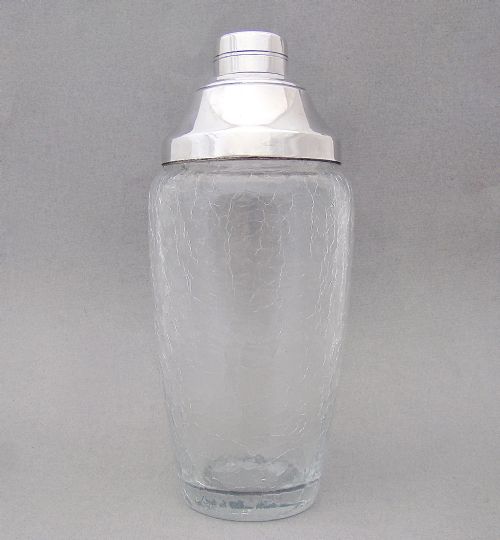
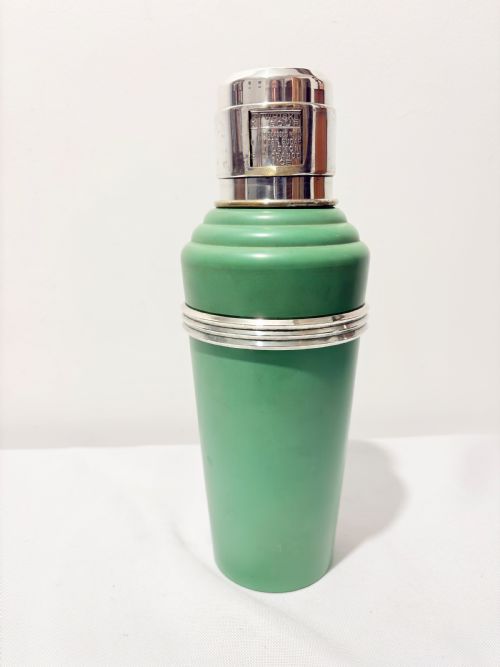
Many specimens feature functional additions such as internal lemon squeezers, built-in ice breakers, or rotating recipe bands around the exterior. Alongside standard metal vessels, hybrid designs pair silver-plated mounts with crackle glass, enamelled glass, or green Bakelite components.
Origins span English, French, Italian, and American makers, ranging from utilitarian bar tools to novelty milk churn shapes. These vessels reflect the social habits of the interwar period, designed for preparing mixed drinks in domestic settings.
Materials and Construction
Silver plate, electroplated nickel silver, and EPNS dominate the construction, applied over a base metal core to provide a polished exterior finish without the heavier cost of solid sterling silver. Certain pieces incorporate glass bodies with sterling silver tops or brass elements.
Makers utilised spinning and stamping techniques to shape the metal bodies, often finishing surfaces with engine-turned geometric patterns or smooth cylindrical surfaces. Cork inserts and fitted metal lids seal the chambers for shaking liquids.
Vintage Silver Drink Shaker Retail Price Guide 2026
Typical asking prices for vintage silver drink shaker among the pieces listed under this phrase on Sellingantiques today, from the lower quarter to the upper quarter. They describe what is for sale here now, not the wider market.
Listings feature silver plate, metal, electroplated nickel silver, sterling silver, glass, cork, EPNS, and brass across periods spanning 1900 to 1960.
Evaluating the Craft
Quality rests in the precision of the mechanics, such as the smooth rotation of built-in recipe dials and the tight fit of removable lids and internal squeezers. Weight and gauge of the metal also dictate the substantial feel of the vessel in the hand.
The clarity of engine-turned engraving and the durability of applied enamel or Bakelite accents distinguish standard production items from workshop pieces designed by notable silversmiths.
Asprey & Co·Hukin & Heath·James Dixon & Sons·William Suckling·Adie Brothers·C S Green & Co·Lino Sabattini·Christofle·Gaskell & Chambers·Napier
The Vintage Silver Drink Shaker Glossary
- Electroplated Nickel Silver
- A base alloy of copper, nickel, and zinc coated with a layer of silver, commonly abbreviated as EPNS. This material formed the durable foundation for the majority of twentieth-century barware.
- Engine-turned
- A mechanical decoration technique that cuts intricate, precise geometric patterns into metal surfaces. It provides both visual texture and a secure grip for the hand during use.
- Bakelite
- An early form of synthetic plastic used for handles, knobs, and decorative accents on interwar barware. Its rich colours and heat resistance made it popular in modern design.
- Bachelor Shaker
- A smaller-capacity cocktail shaker intended for individual use or intimate servings rather than large gatherings. These compact vessels typically measure around one pint.
- Recipe Shaker
- A design featuring revolving bands or engraved text on the exterior body that displays proportions for standard cocktails. Users rotate the outer sleeve to align ingredients.
Vintage Silver Drink Shaker: Frequently Asked Questions
How do I clean a silver-plated shaker?
Wash the interior with warm soapy water and a soft cloth, avoiding harsh abrasives that might strip the plating. Dry thoroughly to protect any internal cork or metal components.
Polish the exterior gently using a dedicated silver cloth or mild silver cream. Take care around engraved recipe text or enamel details to preserve the original surface.
Are these shakers still usable today?
Most vintage silver drink shakers remain fully functional for mixing cocktails, provided the internal seals and corks are intact. They perform identically to modern barware.
Inspect the interior plating and any moving parts like built-in squeezers before use. Hand wash them immediately after mixing acidic ingredients such as citrus juice.
What does engine-turned mean?
Engine-turning is a decorative engraving method applied by a specialised lathe to cut repetitive geometric patterns into metal. It creates a textured surface that catches the light.
This technique adds both visual depth and a tactile grip to the metal body. It serves as a marker of quality craftsmanship on twentieth-century pieces.
How do I spot an Art Deco shaker?
Art Deco shakers exhibit clean vertical lines, stepped motifs, geometric engine-turning, and sleek cylindrical or bullet shapes. They embrace modern industrial forms rather than ornate Victorian ornamentation.
Materials often include silver plate combined with black or green Bakelite details and contrasting glass bodies. These design cues reflect the aesthetic of the 1920s and 1930s.