



Silver Plated Cocktail Mixer
A silver plated cocktail mixer brings the sharp geometry and polished theatre of the twentieth-century bar straight to a modern counter.
Silver Plated Cocktail Mixer
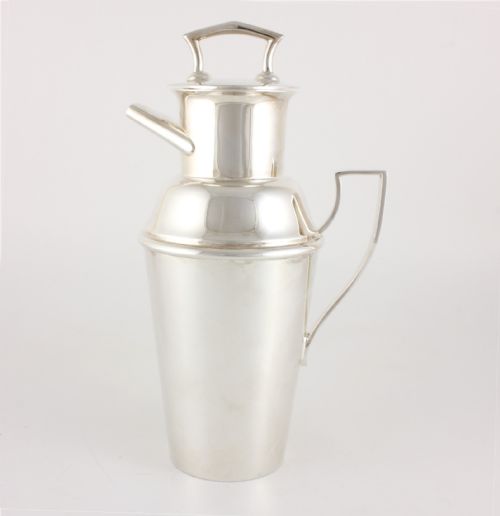
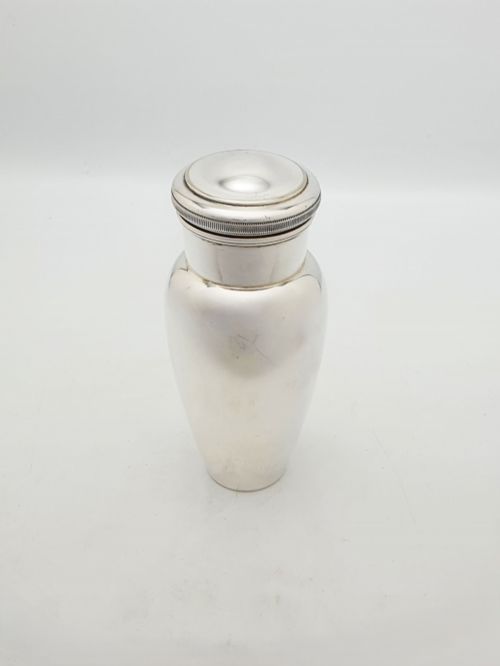
A silver plated cocktail mixer takes the form of a cylindrical or bullet-shaped vessel designed for blending drinks, frequently emerging during the Art Deco period of the 1920s and 1930s. Buyers most frequently meet English and French examples dating from these decades, alongside mid-century Italian designs.
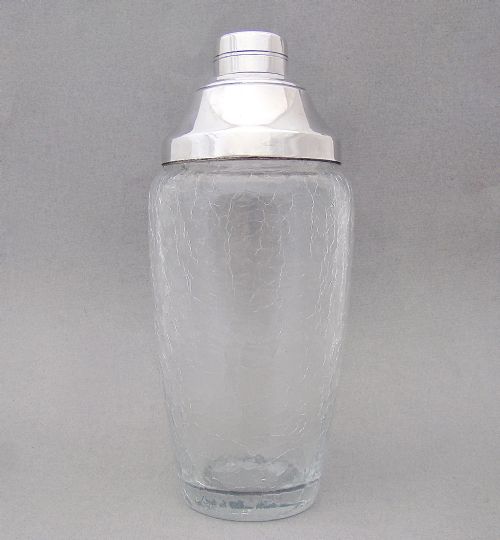
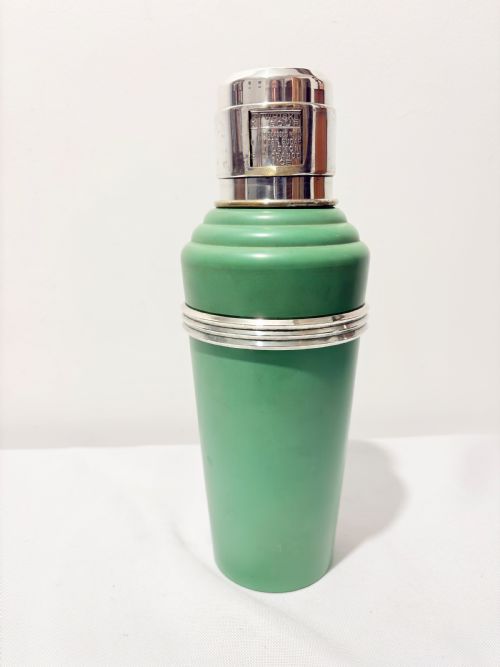
Many specimens incorporate functional mechanics such as integral lemon squeezers, ice breakers, or rotating recipe bands etched into the metal cylinder. Beyond standard shakers, the selection includes pieces combined with crackle glass, cut crystal, or green Bakelite components.
The objects serve as practical barware originating from renowned workshops across Europe, reflecting the changing social habits of the early twentieth century. These vessels range from simple bachelor models holding smaller capacities to large multi-pint containers.
Materials and Technique
Makers formed the primary bodies from base metals coated in silver plate or electroplated nickel silver, known as EPNS, providing a durable and reflective exterior. Artisans often applied engine-turned geometric patterns to the metal surface to catch the light during use.
Internal and supporting elements utilised contrasting substances like cork for seals, glass for transparency, and brass or Bakelite for handles and fittings. French and English firms combined these materials to create secure closures and tactilegrip points on the shakers.
The inventory records barware originating from English, French, Italian, German, and Swiss makers.
Distinctions in Execution
Quality rests in the crispness of the engine-turned engraving and the weight of the silver plating applied over the base metal or EPNS substrate. Superior specimens display balanced proportions and tight joints between the metal body, lid, and internal straining components.
Makers known for exceptional metalwork produced pieces with smooth mechanical action in rotating recipe bands and integrated lemon squeezers. Lesser examples rely on plain stamped construction with minimal decorative detailing and simpler functional elements.
Asprey & Co·Keith Murray·J. B. Chatterley & Sons·James Dixon & Sons·Lino Sabattini·William Suckling·Adie Brothers·Mappin & Webb
The Silver Plated Cocktail Mixer Glossary
- EPNS
- Electroplated Nickel Silver. This material forms the durable base foundation for the majority of plated barware.
- Engine-turned
- A decorative technique involving precise geometric patterns mechanically engraved into the metal surface.
- Bakelite
- An early synthetic plastic utilised for heat-resistant handles, knobs, and decorative accents on mid-century vessels.
- Crackle glass
- A type of blown glassware characterised by a webbed, fractured texture created through rapid thermal cooling.
- Bachelor shaker
- A smaller-capacity cocktail vessel intended for single servings or intimate gatherings.
Silver Plated Cocktail Mixer: Frequently Asked Questions
How do I use a vintage cocktail mixer?
Fill the metal or glass vessel with spirits, ice, and mixers, then secure the lid firmly over the pouring spout before shaking vigorously.
After blending the ingredients, remove the small cap to strain the chilled drink directly into a glass while retaining the ice inside.
What is the difference between a shaker and a mixer?
Traditional shakers rely on manual agitation of sealed metal or glass chambers to chill and dilute the liquids together.
Pump-action mixers utilise internal plungers or rotating mechanisms operated by a handle to blend ingredients without vigorous vertical shaking.
How do I date a silver plated shaker?
Examine the stylistic markers such as geometric Art Deco engraving, streamlined bullet forms, or the presence of Bakelite and crackle glass.
Maker marks stamped onto the base of the metal body frequently indicate the specific working period of the silversmith.
Are these vintage shakers safe for daily use?
Most silver plated vessels remain fully functional for mixing drinks provided the internal plating is intact and clean.
Wash the pieces gently by hand using mild detergent to protect the delicate silver surface and original cork seals from damage.