

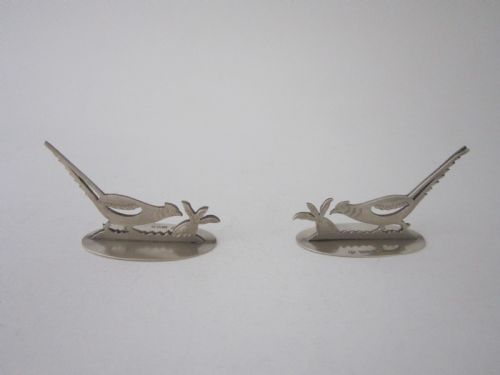


Vintage Silver Dining Decor
Vintage silver dining decor brings tables alive with gleaming candlesticks, napkin rings, and menu holders spanning Victorian to Art Deco periods.
Vintage Silver Dining Decor
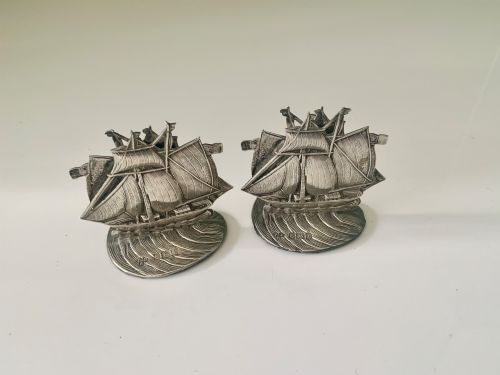
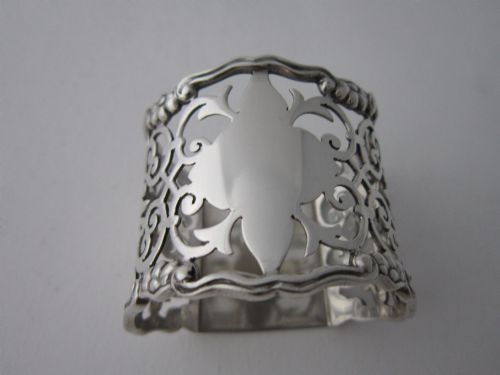
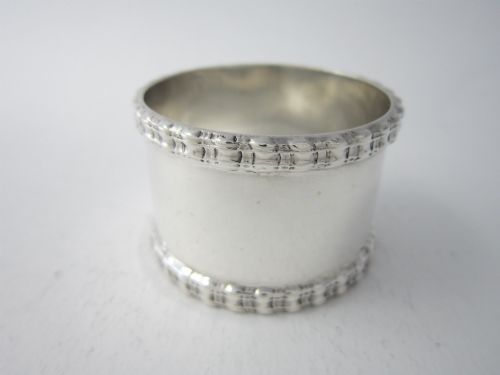
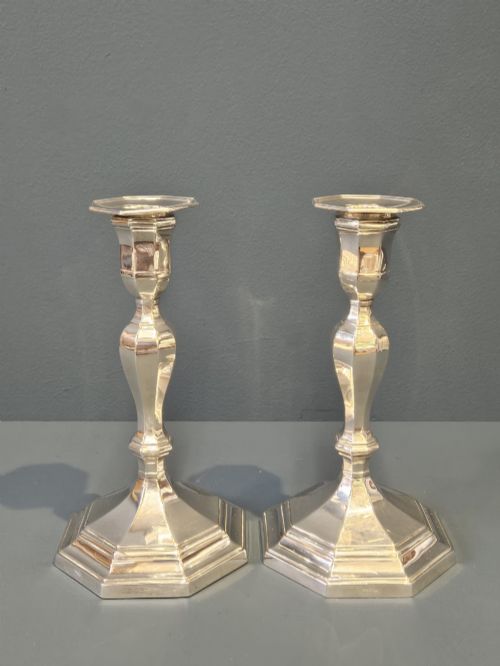
Vintage silver dining decor comprises tableware items designed to elevate the dining table through functional elegance and decorative detail. When searching for vintage silver dining decor, buyers encounter items such as napkin rings, candlesticks, place card holders, knife rests, menu holders, and table ornaments. These pieces originate from periods spanning the Georgian era through the Victorian, Edwardian, George V, George VI, and Art Deco years.
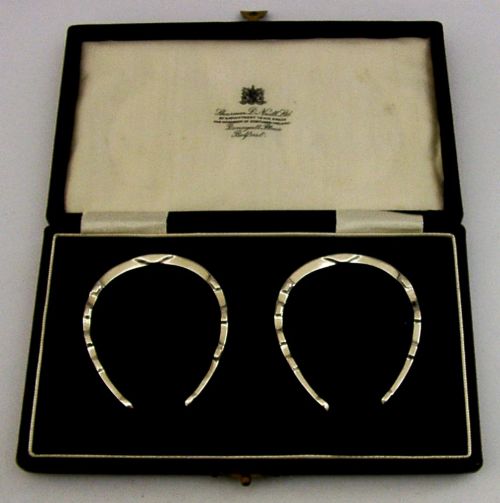
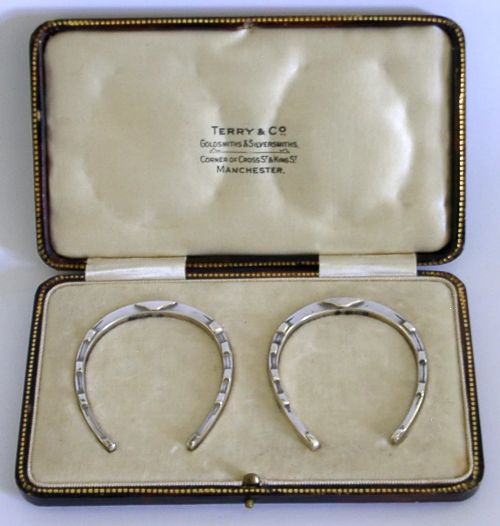
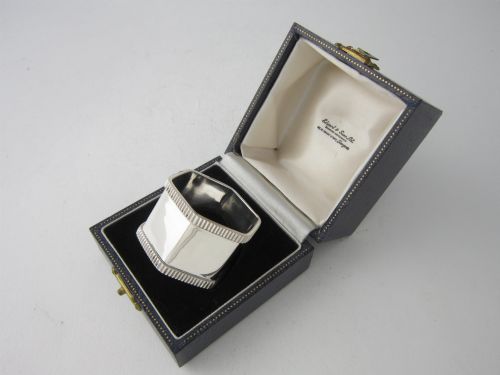
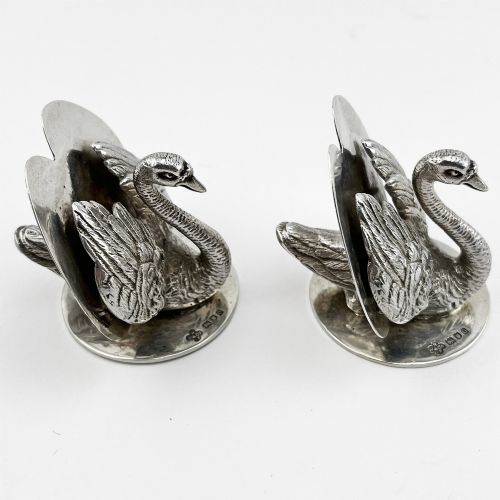
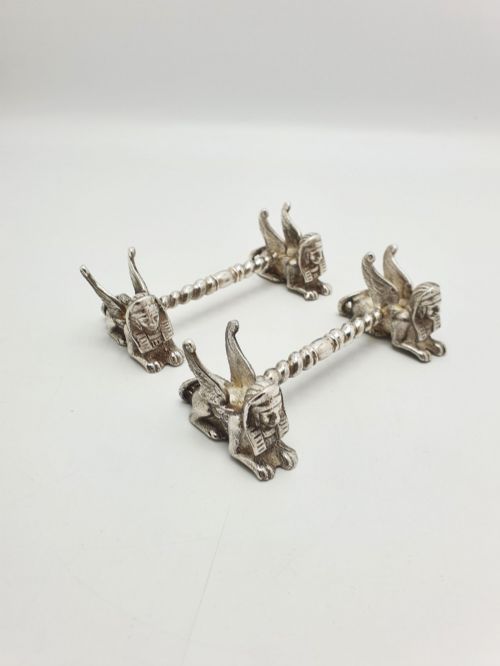
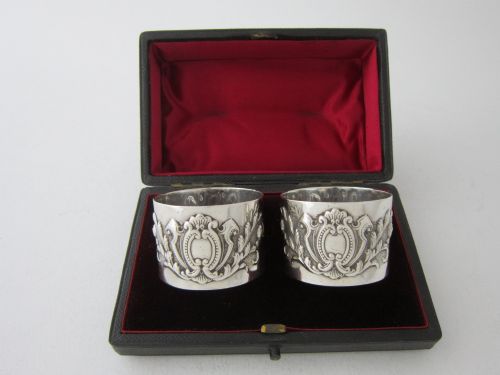
Napkin rings and candlesticks appear frequently across these listings, often forming matched pairs or boxed sets. Table accessories like sphinx knife rests, swan menu holders, and horse shoe napkin rings demonstrate the ornamental ambition of dining rooms across the late nineteenth and early twentieth centuries. Continental examples, including standing fighting cockerels, broaden the regional scope beyond English workshops.
How they were made
Makers utilised solid sterling silver alongside silver plate and Old Sheffield Plate to construct these dining accessories. Metals were cast, hammered, and hallmarked to certify purity and origin, whilst associated items incorporated secondary materials like velvet, silk, leatherette, and satin inside fitted presentation boxes. Enamel work also appears on specific menu holders, adding colour alongside the polished metal surfaces.
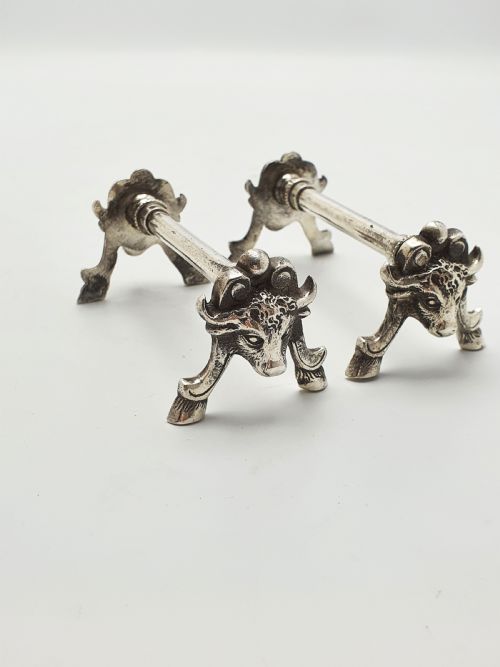
Techniques varied from simple press-work on napkin rings to intricate sculptural modelling for animal-themed menu holders and place card holders. Silversmiths cast detailed figures such as foxes, horses' heads, sphinxes, and bulls, attaching them securely to functional bases or rests. Candlesticks required weighted interiors and stable bases to support tall tapers safely during meals.
The site's inventory includes dining accessories from the Georgian era through the Edwardian period and the 1930s.
What varies in quality
The reputation of the maker and the clarity of hallmarks influence the standing of individual pieces. Items associated with established firms or specific artistic movements, such as Arts and Crafts style napkin rings, exhibit distinct design intent and careful hand-finishing. The choice between solid sterling silver and silver plate further defines the category, with heavier solid pieces commanding closer attention from collectors.
Mappin & Webb·Thomas Bradbury & Sons Ltd·Guild of Handicraft·Liberty·Elkington
The Vintage Silver Dining Decor Glossary
- Sterling silver
- A silver alloy containing 92.5 percent pure silver and 7.5 percent other metals, usually copper, ensuring durability for tableware. This standard forms the basis of most British silver dining items.
- Silver plate
- A base metal coated with a thin layer of pure silver through electroplating or older fusing methods. It offered an accessible alternative to solid silver for large dining suites.
- Old Sheffield plate
- An early method of fusing a thin sheet of silver onto a thicker copper base before rolling and shaping. This technique preceded standard nineteenth-century electroplating.
- Hallmark
- A series of stamped official marks applied to precious metals indicating the standard of purity, the assay office, the maker, and the year of production. These marks provide definitive historical dating.
- Knife rest
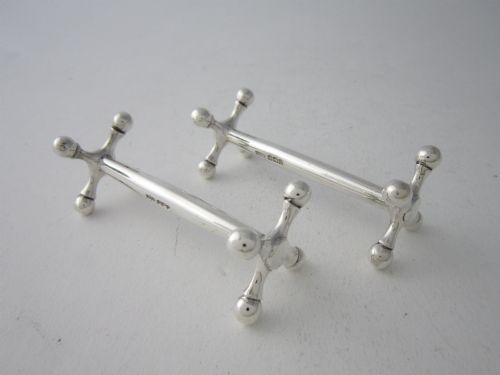
- A small horizontal support designed to keep carving or dining knives elevated above the tablecloth between courses. They frequently take decorative animal or figural forms.
- Menu holder
- A small desk-like or upright accessory used to display the evening's menu on the dining table. They often match place card holders within coordinated table settings.
Vintage Silver Dining Decor: Frequently Asked Questions
What is vintage silver dining decor?
Vintage silver dining decor encompasses tableware accessories made from silver or silver plate used to set and decorate dining tables. These items include functional pieces like napkin rings, knife rests, and candlesticks, alongside decorative menu and place card holders.
Most items originate from the Victorian, Edwardian, and mid-twentieth-century periods. They reflect the formal dining customs and aesthetic preferences of those eras.
How were silver napkin rings used?
Silver napkin rings were assigned to individual family members or guests to identify their linen napkins between meals. They often came in matched pairs or boxed sets for household use.
Wealthy households used monogrammed or decorated rings to distinguish places at the dining table. Many examples from this period survive inside original silk or velvet-lined presentation cases.
What are knife rests used for?
Knife rests keep the blades of dining and carving knives elevated above the tablecloth during meals. This practice protected delicate table linens from grease and food stains between courses.
Victorians and Edwardians turned these functional items into decorative displays. Knife rests were frequently cast as animals, including sphinxes, bulls, and domestic figures.
How do I date silver table items?
Silver table items are dated primarily by examining the hallmarks stamped directly into the metal. These small marks indicate the assay office, the specific year letter, and the silversmith's mark.
Stylistic clues also help determine the period. Pieces decorated with Egyptian Revival motifs or delicate Edwardian neoclassical details point to specific decades of production.