




George VI Silver Tableware
George vi silver tableware brings the refined metalwork of the 1930s and 1940s straight to the dining table.
George VI Silver Tableware
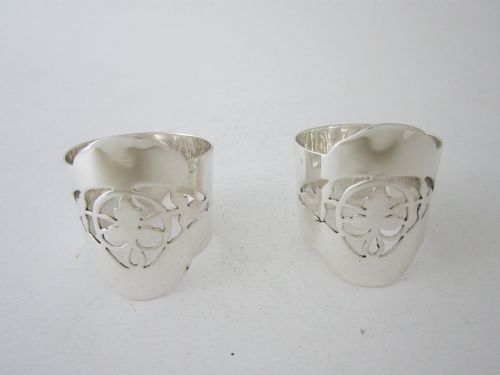
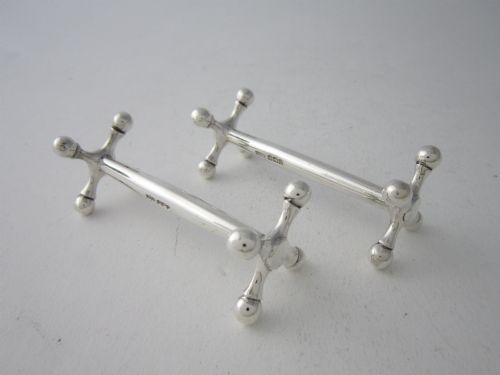
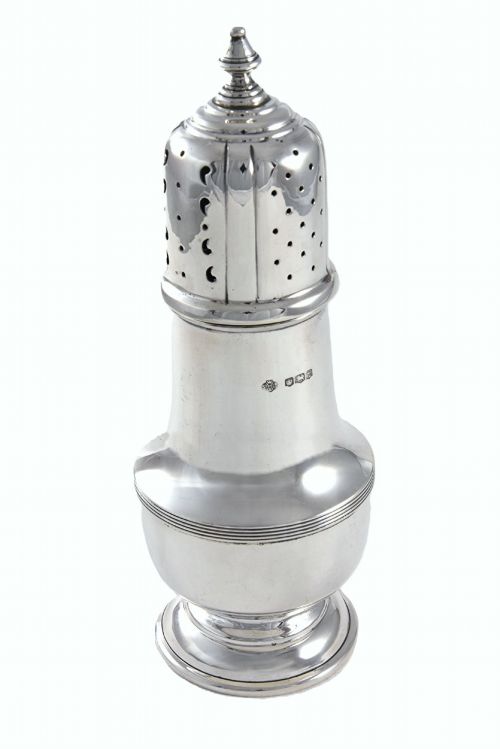
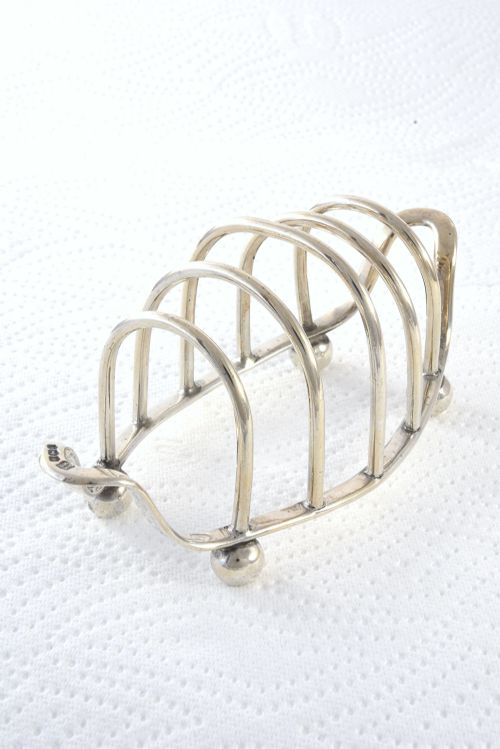
George vi silver tableware comprises functional dining accessories produced during the reign of King George VI, spanning the 1930s and 1940s. These pieces include sugar casters, condiment sets, knife rests, place card holders, toast racks, and stilton scoops.
The objects on this page largely reflect the design idioms of their decade, balancing traditional forms with modern aesthetics. You will most frequently encounter items that bridge classic Georgian revival silhouettes with clean Art Deco lines.
How george vi silver tableware was made
Silversmiths utilised sterling silver alongside components of glass, velvet, and fabric to create functional dining pieces. Items such as condiment sets often paired silver frames with glass liners, while place card holders relied on solid cast metal construction.
Workshops employed traditional casting, shaping, and hallmarking techniques across major British assay offices. Sheffield and Birmingham hallmarks frequently appear on these pieces, recording the exact year of manufacture during the mid-20th century.
Fox menu holders ensure dinner guests know their place while slyly keeping watch over the roast.
What varies in quality
Quality rests upon the crispness of the silversmith's chasing and the weight of the metal used in construction. Substantial gauge sterling silver provides a reassuring heft, whereas lighter pieces lack the physical presence expected of formal dining silver.
Design execution and maker reputation further divide the range, with established firms delivering superior finish and proportion. Pieces showing restrained Art Deco ornamentation or precise Georgian revival detailing command greater attention.
William Neale·The Barker Brothers·James Dixon & Sons Ltd·Mappin & Webb
The George VI Silver Tableware Glossary
- Sterling silver
- A standard alloy consisting of ninety-two point five percent silver and seven point five percent other metals, usually copper. This composition provides the durability required for everyday dining implements.
- Sugar caster
- A perforated vessel used for sprinkling powdered sugar over food. These tall, vase-like shakers feature removable pierced lids secured by a bayonet or threaded fitting.
- Condiment set
- A matched grouping of small containers for salt, pepper, and mustard. They often incorporate fitted blue glass liners to protect the silver from corrosive contents.
- Knife rest
- A low support placed beside a plate to keep carving or dining cutlery elevated off the tablecloth between courses. They are typically cast in pairs with shaped ends.
- Hallmark
- An official stamp struck into precious metals by an assay office to guarantee the purity standard. British marks include the maker's mark, standard mark, town mark, and date letter.
George VI Silver Tableware: Frequently Asked Questions
How do I clean george vi silver tableware?
Use a soft cloth and a dedicated silver polish to remove tarnishing gently without scratching the metal surface. Avoid harsh chemical dips that strip away the natural patina accumulated over decades.
Wash the pieces in warm soapy water immediately after use, particularly if they have held salt or mustard. Dry them thoroughly with a lint-free cloth before returning them to storage.
Can I use these silver items daily?
Sterling silver is durable enough for regular use, provided you handle the pieces with care. Many households enjoy integrating toast racks, condiment sets, and sugar shakers into modern meals.
Hand washing is essential, as modern dishwashers use abrasive detergents that damage silver finishes and loosen cemented components. Store individual items in tarnish-resistant pouches when not in active rotation.
How do I identify a george vi piece?
Examine the stamped hallmarks on the silver surface to locate the sovereign's head profile alongside the date letter and assay office symbol. The presence of the George VI monarch mark confirms production between nineteen thirty-six and nineteen fifty-two.
Stylistic cues also help with identification, as these items frequently combine mid-century restraint with Art Deco geometric patterns or Georgian revival proportions.