
Vintage Silver Condiment Pot
A vintage silver condiment pot brings tactile weight and period polish to the table.
Vintage Silver Condiment Pot
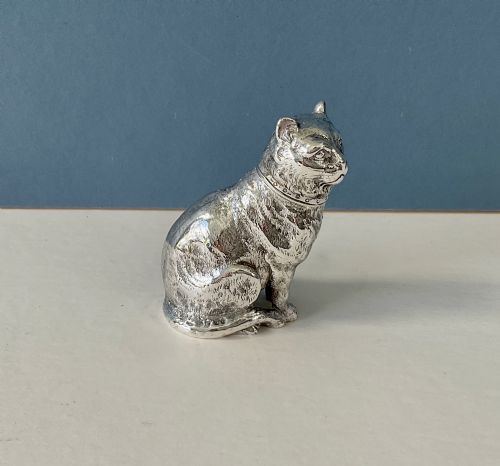
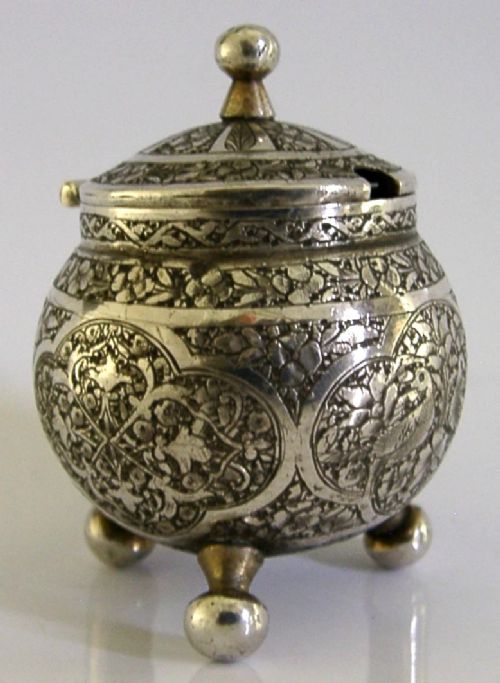
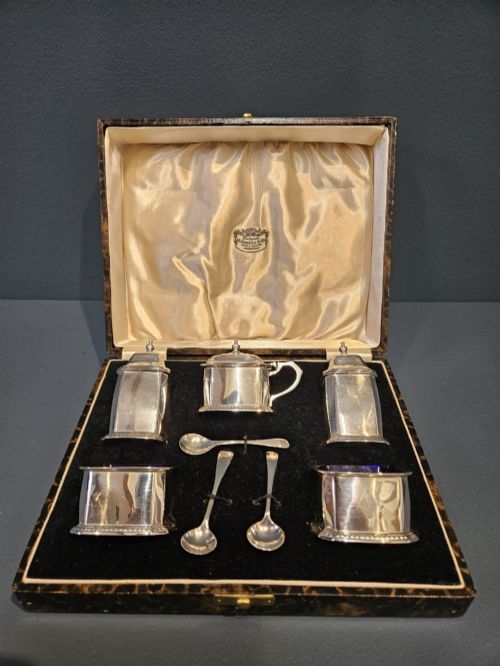
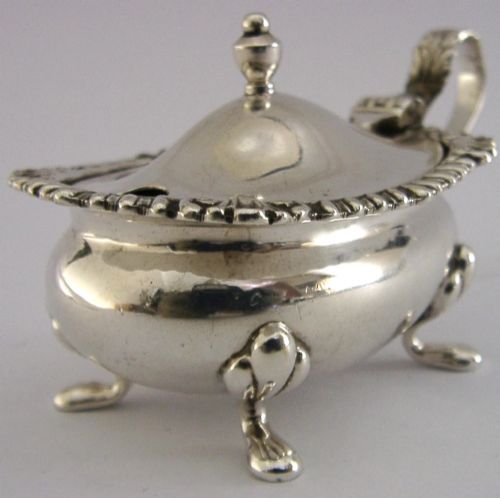
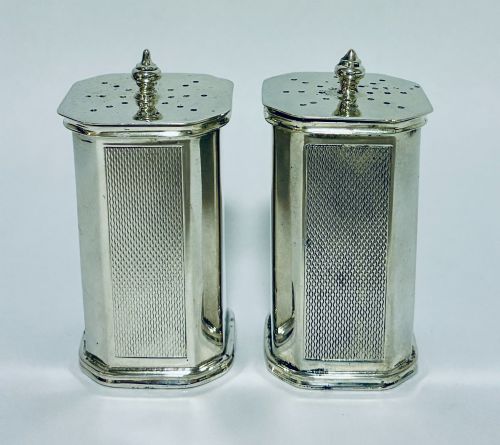
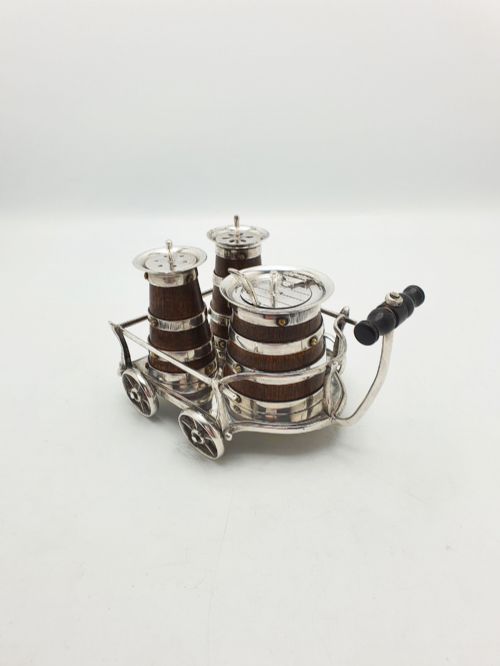
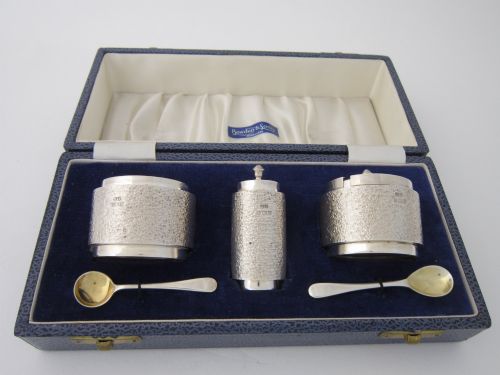
When you search for a vintage silver condiment pot, you encounter small table vessels designed to hold mustard, salt, pepper, or preserves for formal dining. These pieces arrive in various configurations, from single salt cellars and mustard pots to multi-piece cruet sets and novelty figural pepperettes.
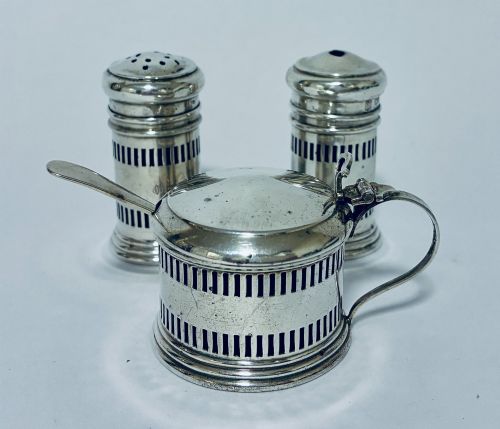
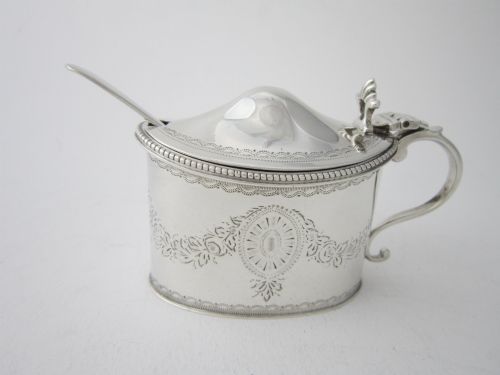
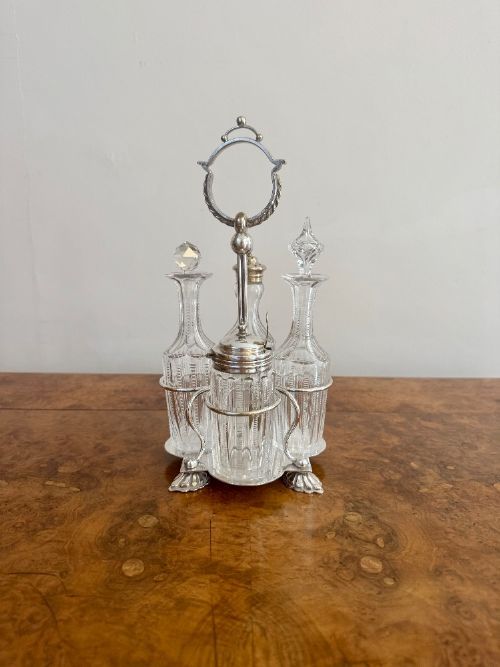
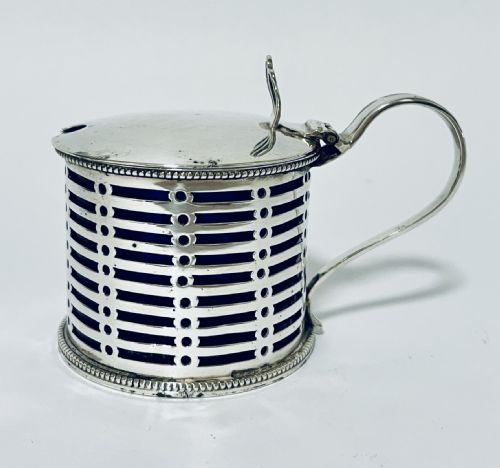
Forms include mustard pots with hinged lids, open salt tubs, preserve jars, and novelty animal shapes such as cats, birds, owls, and foxes. Materials range from solid sterling silver to silver plate, frequently paired with contrasting glass inserts.
How they were made
Makers utilised traditional silversmithing techniques, shaping sterling silver and silver plate through casting, hammering, and piercing. Many mustard pots and cruet frames require intricate assembly of hinges, collars, and handles by skilled hands.
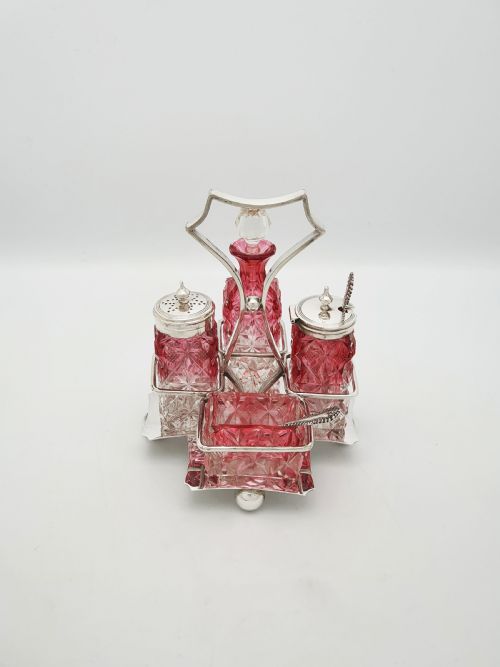
Glass components, including cut glass and cranberry glass liners, were mouth-blown and wheel-cut to fit snugly within pierced or solid silver mounts. Interior glass vessels protect the metal from corrosive salts and vinegars.
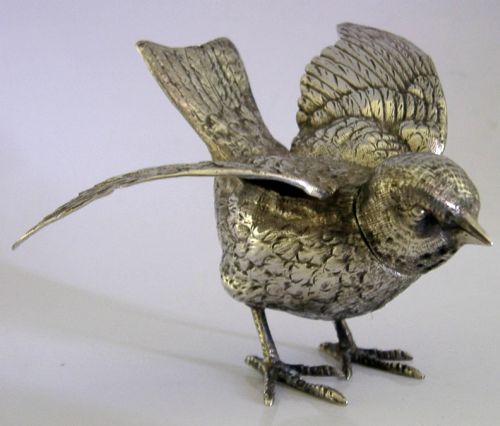
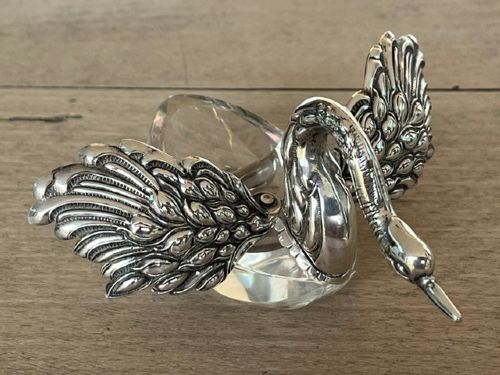
Among the tabletop menagerie, a life-size silver bird chick stands ready to season your dinner.
What varies in quality
Subtlety of weight and thickness separates standard vessels from heavier examples, where substantial gauge metal gives a reassuring feel in the hand. The crispness of chased decoration and the smooth action of hinged lids reveal the maker's underlying skill.
The integration of materials determines refinement, particularly how cleanly cut glass or cranberry glass fits its silver frame. Complete matched sets with original liners and intact hallmarks demonstrate greater preservation than assembled groupings.
Bricks and Sons·Hukin and Heath·William Neale and Son·Goldsmith and Silversmith's
The Vintage Silver Condiment Pot Glossary
- Cruet set
- A matched collection of condiment bottles, jars, or pots held within a shared metal frame or stand. These sets typically served mustard, pepper, salt, oil, and vinegar at the dining table.
- Salt cellar
- An open bowl or tub designed to hold loose salt for individual diners before the invention of mechanical shakers. They frequently feature cobalt blue or clear glass liners.
- Novelty pepperette
- A small shaker fashioned into a playful figurative shape, such as an animal or bird. Edwardian and Victorian silversmiths produced these in forms ranging from owls to cats.
- Hallmark
- An official stamp struck into precious metals indicating the standard of purity, the assay office, the maker, and the year of manufacture. British sterling silver carries these distinctive marks.
- Silver plate
- A base metal, such as copper or Britannia metal, coated with a thin layer of pure silver. This technique allowed makers to produce elaborate tableware at a lower cost than solid silver.
Vintage Silver Condiment Pot: Frequently Asked Questions
What is a vintage silver condiment pot used for?
These vessels held table condiments such as prepared mustard, salt, and preserves during formal meals.
They allowed diners to serve themselves using small spoons or pinches before modern shakers became common.
How do I clean sterling silver condiment pots?
Wash the metal gently in warm soapy water using a soft cloth, avoiding abrasive pads that scratch the surface.
Dry the pieces thoroughly and apply a specialised silver polish only when tarnished.
Are glass liners original to the pots?
Many pots retain their original hand-cut or moulded glass inserts, which protected the metal from acidic contents.
Replacements do occur, so check that the glass sits flush within the silver mount without rocking.
How do I date an antique silver condiment pot?
Examine the stamped hallmarks on the base or rim to read the assay office symbol and date letter.
Stylistic cues such as Edwardian piercing or Art Deco geometric lines also indicate the period of manufacture.