



Vintage Silver Coffee Set
A vintage silver coffee set brings enduring elegance to the table, offering coordinated vessels and spoons for serving after-dinner drinks in style.
Vintage Silver Coffee Set
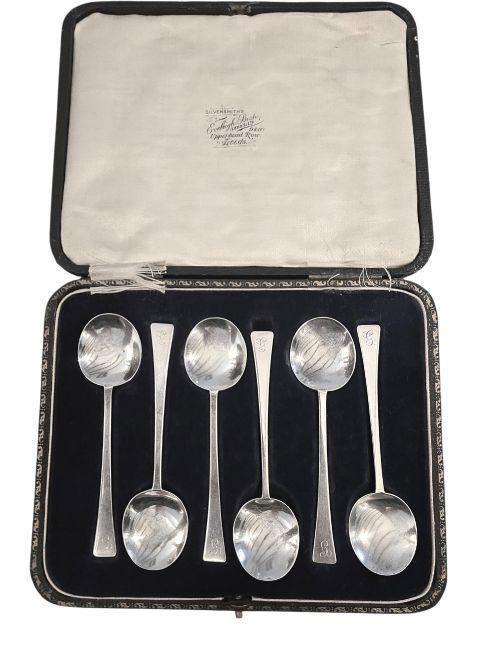
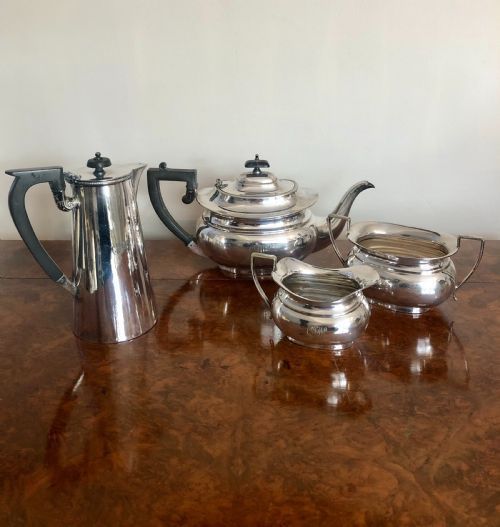
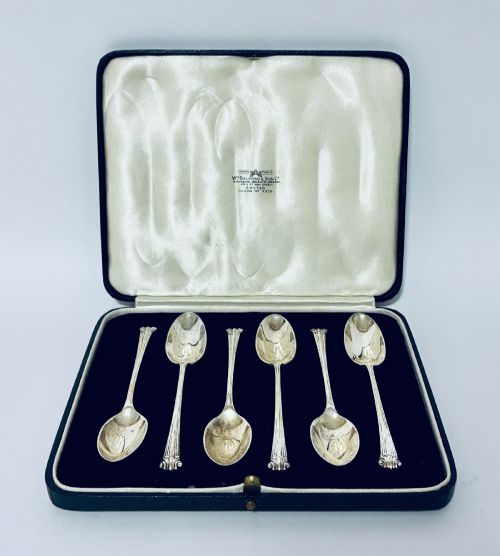
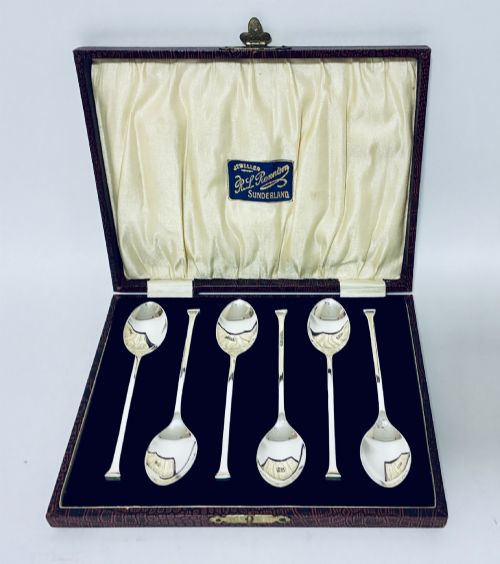
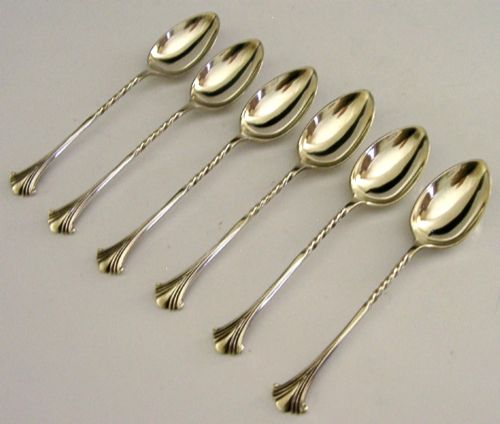
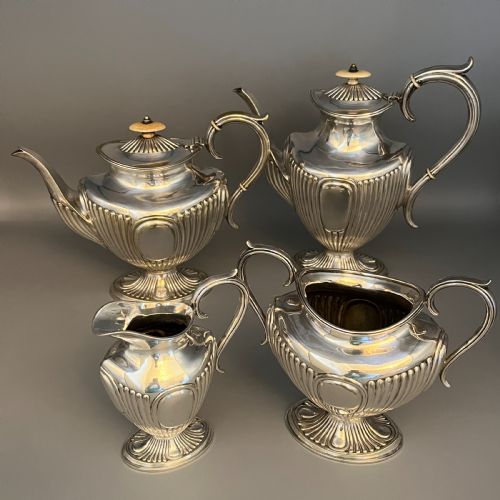
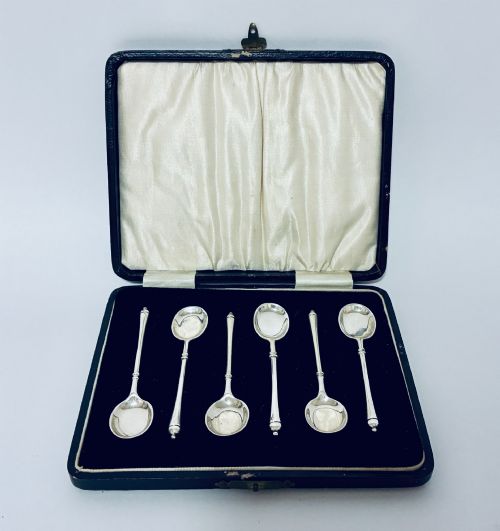
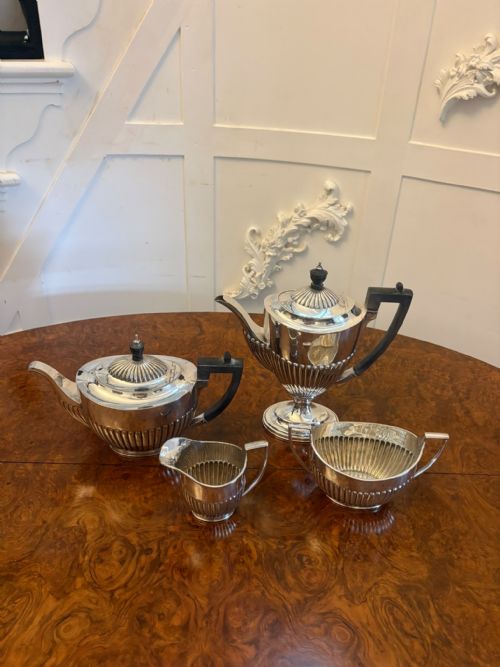
When searching for a vintage silver coffee set, buyers encounter a diverse range of items spanning the Victorian, Edwardian, and mid-century periods. The selection typically comprises multi-piece tea and coffee services featuring pots, creamers, and sugar basins alongside smaller cased sets of spoons.
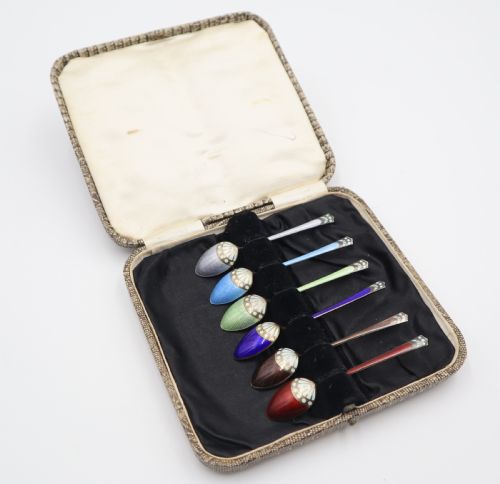
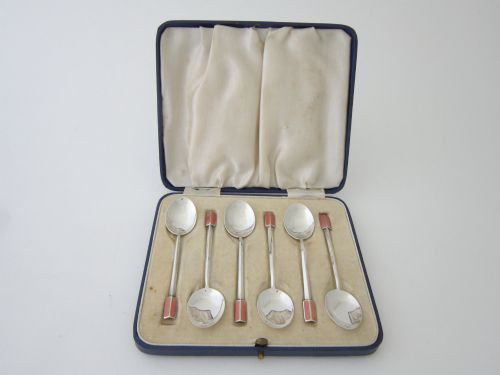
Most pieces meeting this description trace their origins to early twentieth-century workshops, encompassing styles from ornate Edwardian silver plate to geometric Art Deco designs with coloured enamel highlights. Complete four-piece or five-piece beverage services sit alongside smaller demitasse sets and fitted presentation boxes lined in satin or velvet.
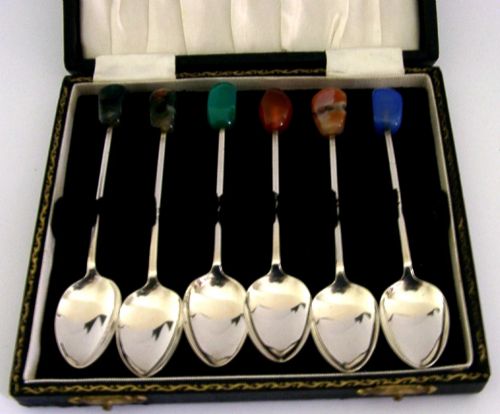
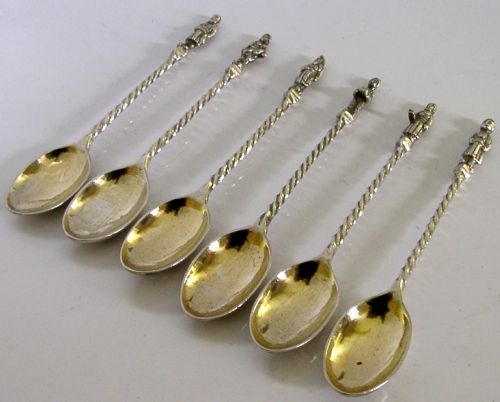
The assortment reflects broad manufacturing traditions, including domestic English makers, continental European output, and Ottoman pieces featuring distinct figural motifs. Whether selecting a heavy plated service or solid sterling silver spoons, buyers find substantial variety in scale and decorative finish.
Materials and Techniques
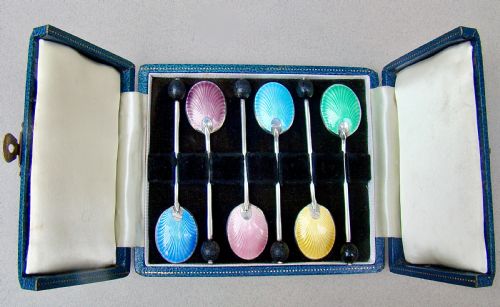
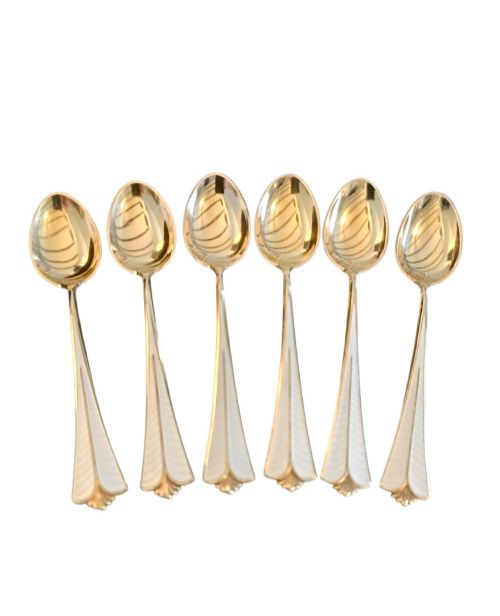
The pieces rely primarily on solid sterling silver or durable silver plate applied over base metal foundations, complemented by interior gilding known as silver gilt. Many twentieth-century examples incorporate vitreous enamel applied to silver surfaces to create vibrant geometric or figurative patterns.
Cased presentation sets frequently utilise fitted interiors lined with silk, velvet, or leatherette to protect the metalwork and porcelain components. Manufacturing methods combine traditional silversmithing techniques, such as hammer-forming and casting, with specialised enamelling and hallmarking practices.
Vintage Silver Coffee Set Retail Price Guide 2026
Typical asking prices for vintage silver coffee set among the pieces listed under this phrase on Sellingantiques today, from the lower quarter to the upper quarter. They describe what is for sale here now, not the wider market.
Listings feature items spanning the Victorian, Edwardian, Art Nouveau, Art Deco, and Mid-Century Modern periods in silver plate and solid silver.
Judging Quality and Execution
Quality rests heavily on the crispness of the original chasing, the weight and balance of the metal, and the preservation of any delicate enamel work. Superior examples demonstrate expert finishing at the joints, sturdy handle attachments, and well-preserved gilding inside bowls.
The integrity of the presentation casing, where present, alongside clear maker's marks and hallmarks, distinguishes finer items from standard commercial production. Maker attribution to notable firms and well-executed stylistic details elevate the overall standing of an individual service or spoon set.
Walker and Hall·Elkington·David Andersen·Harrison Brothers and Howson·Liberty and Co·Georg Jensen
The Vintage Silver Coffee Set Glossary
- Silver Plate
- A base metal substrate coated with a thin layer of pure silver. This technique provided an accessible alternative to solid sterling silver during the Victorian and Edwardian eras.
- Silver Gilt
- Silver that has been coated with a thin layer of gold on its surface. It was frequently applied to the interior bowls of spoons and sugar tongs.
- Demitasse
- A small cup used for serving Turkish coffee or espresso. Sets designed for this purpose often include matching miniature spoons.
- Hallmark
- An official stamp applied to precious metals indicating standard of purity, place of assay, and year of manufacture. These marks provide definitive historical context for dated items.
- Enamel
- Glass powder fused to metal through firing at high temperatures. It adds colourful decorative accents to twentieth-century spoons and accessories.
Vintage Silver Coffee Set: Frequently Asked Questions
What comprises a complete set?
A standard beverage service generally includes a coffee pot, teapot, milk jug, and sugar basin, sometimes accompanied by matching trays. Spoon sets typically consist of six matching pieces, occasionally housed in fitted presentation boxes.
Larger configurations may incorporate tongs or multiple serving pieces designed for formal hospitality.
How do I clean silver safely?
Gentle washing in warm soapy water using a soft cloth removes everyday residues without abrasive friction. Specialised silver dips or non-abrasive polishes help maintain the lustrous finish on solid and plated surfaces.
Enamelled pieces require particular care to avoid harsh chemicals that could compromise the vitreous glass surface.
Are these items suitable for daily use?
Solid sterling silver and sturdy silver-plated services function well for regular dining when handled with reasonable care. Enamelled items and delicate antique spoons benefit from more sparing use to preserve their decorative details.
Proper storage in anti-tarnish rolls or lined boxes protects vulnerable surfaces between occasions.
How do I date an unmarked piece?
Stylistic indicators such as Art Deco geometric motifs or Edwardian ornamentation offer initial chronological boundaries. Comparing construction methods and form against documented examples helps narrow the period of origin.
Official hallmarks remain the most reliable method for establishing exact manufacturing years on marked silver items.