





Vintage Silver Bar Accessories
Vintage silver bar accessories bring the spirit of early-to-mid-century entertaining into the modern home through functional vessels and utensils designed for mixing drinks.
Vintage Silver Bar Accessories
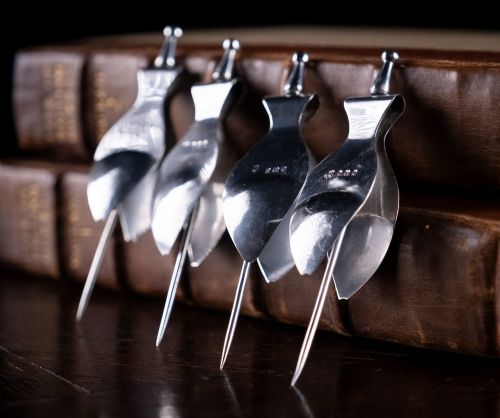
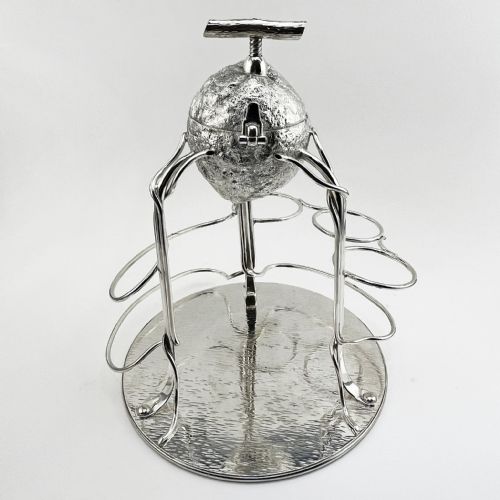
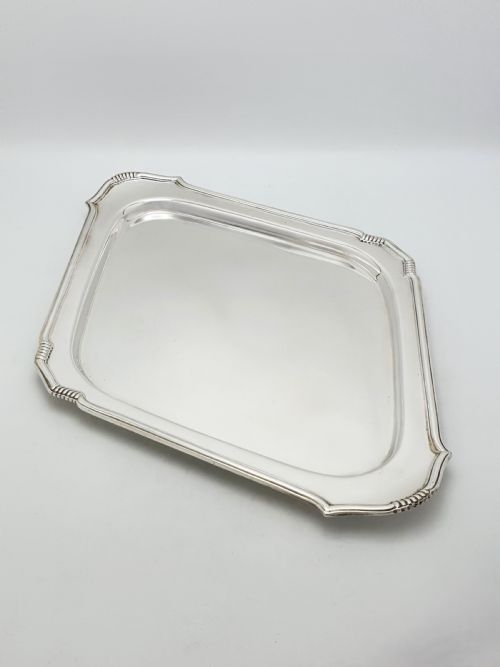
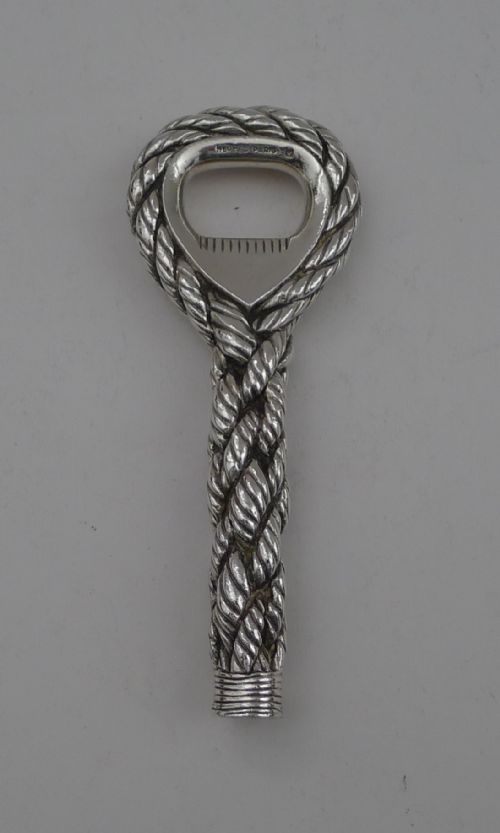
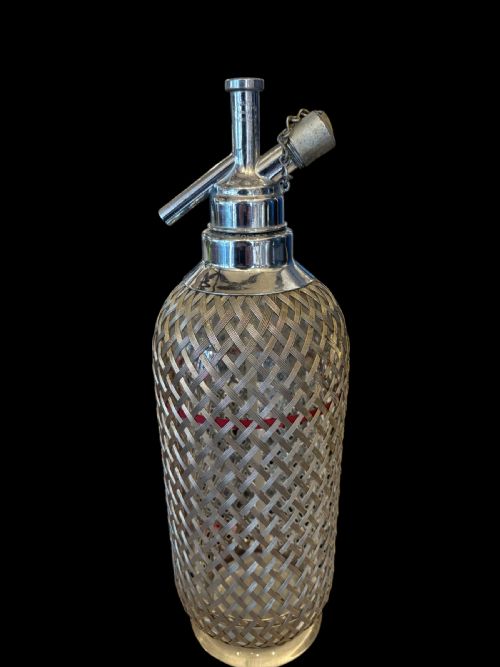
Vintage silver bar accessories encompass a wide assortment of entertaining implements spanning the Edwardian era through the mid-century period, with a strong concentration of Art Deco designs. Buyers searching this phrase encounter practical items such as cocktail shakers, ice buckets, serving trays, lemon squeezers, and cocktail sticks.
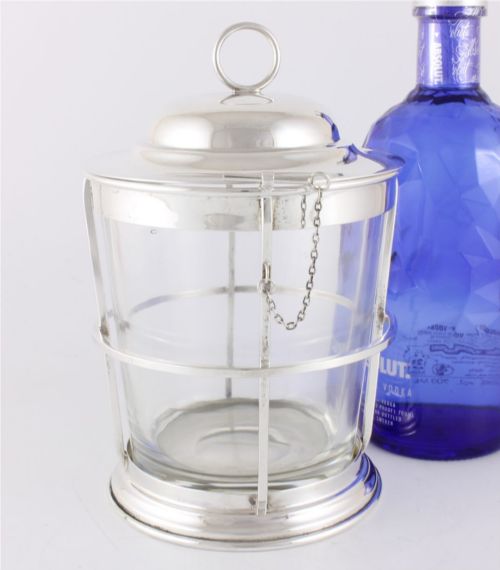
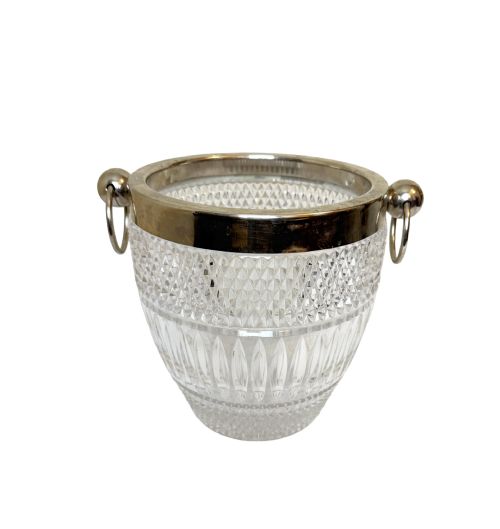
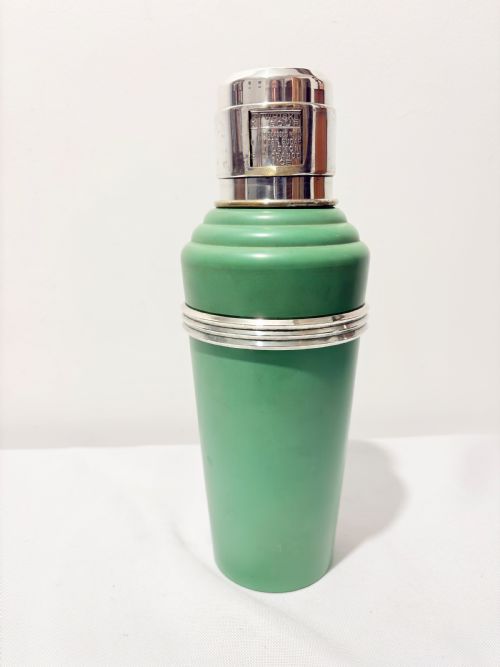
The most common forms on this page include silver-plated cocktail shakers from the 1930s, often featuring geometric shapes or integrated recipes, alongside cut glass ice buckets and matched sets of cocktail sticks. These objects reflect the changing social habits of the twentieth century, shifting from formal dining rooms to dedicated cocktail hours.
The selection ranges from British manufactured pieces by established silversmiths to continental European designs from France, Italy, and Switzerland. Materials vary from sterling silver and electroplated nickel silver to combinations with glass, enamel, wood, and Bakelite.
Materials and methods of construction
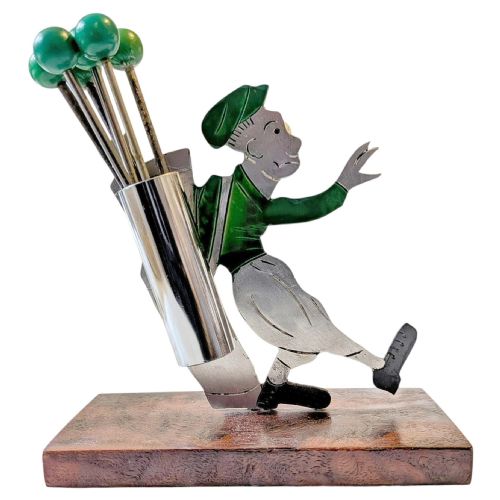
Makers utilised silver plate over nickel silver, electroplated nickel silver, and solid sterling silver as the primary metallic foundations for these vessels and utensils. These metals were frequently combined with cut glass bodies, wooden elements, and colourful enamel or Bakelite accents to create striking visual contrasts.
Manufacturing techniques involved metal spinning for shaker bodies, casting for decorative handles and novelty cocktail sticks, and detailed engraving for recipe shakers and decanter labels. Glass containers relied on traditional moulding and hand-cutting methods before mounting into silver-plated rims and frames.
Listings feature items spanning the Edwardian period through the 1960s, with a strong representation of 1930s Art Deco design.
Assessing quality in barware
Quality in these pieces rests on the weight of the metal, the precision of the joints, and the integrity of the silver plating over the underlying base metal. Heavier shakers and trays demonstrate superior manufacturing standards and durability through frequent use.
Artistic execution also separates standard production items from exceptional pieces, particularly in cast novelty items like figural cocktail sticks or designer-attributed shakers. The clarity of cut glass, the crispness of engraved recipes, and the preservation of original enamel or Bakelite details indicate higher craftsmanship.
Sudre·Richard Comyns·Hukin & Heath·Hermes·Keith Murray·J. B. Chatterley & Sons·James Dixon & Sons·Asprey·Lino Sabattini·Christofle·William Suckling·Gaskell & Chambers·C S Green & Co
The Vintage Silver Bar Accessories Glossary
- Electroplated nickel silver
- A base metal alloy of copper, nickel, and zinc coated with a layer of pure silver through an electrolytic process. This method provided a durable, lustrous surface for affordable luxury items.
- Cocktail shaker
- A vessel used to mix drinks by shaking with ice, typically comprising a base, a straining lid, and a cap. Art Deco examples often integrated recipes or lemon squeezers directly into the design.
- Decanter label
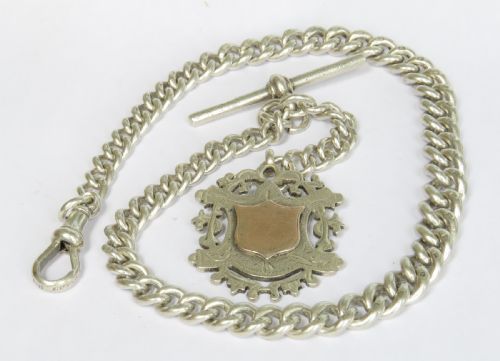
- A small tag hung by a chain around the neck of a bottle to identify its contents. Edwardian versions frequently featured ornate cast borders and pierced lettering.
- Bakelite
- An early synthetic plastic valued for its rich colours and durability in handles and decorative accents. It appears frequently on mid-century barware alongside chrome and silver plate.
Vintage Silver Bar Accessories: Frequently Asked Questions
How do I clean silver-plated barware?
Silver-plated items require gentle cleaning with a specialised silver polish and a soft cloth to preserve the thin metallic layer over the base metal. Harsh abrasives must be avoided because they wear away the silver plating entirely.
Items with glass, wood, or Bakelite components should be hand washed carefully, ensuring that glued joints and porous materials are not submerged in water.
Were recipe shakers actually used?
Recipe shakers featured engraved or etched cocktail formulas directly onto the exterior surface, allowing the host to read mixing instructions while preparing drinks. They served as both practical bar tools and amusing conversation pieces during prohibition and post-war gatherings.
The inclusion of recipes reflects the growing popularity of standardised cocktail culture in the early twentieth century.
How can I date a silver cocktail set?
Dating involves examining hallmarks on sterling silver pieces, maker's marks stamped on the base, and stylistic indicators such as Edwardian ornamentation or mid-century minimalism. Materials like Bakelite and coloured enamel also help narrow the manufacturing decade.
Design patents and maker archives provide further context for identifying specific production years and country of origin.